
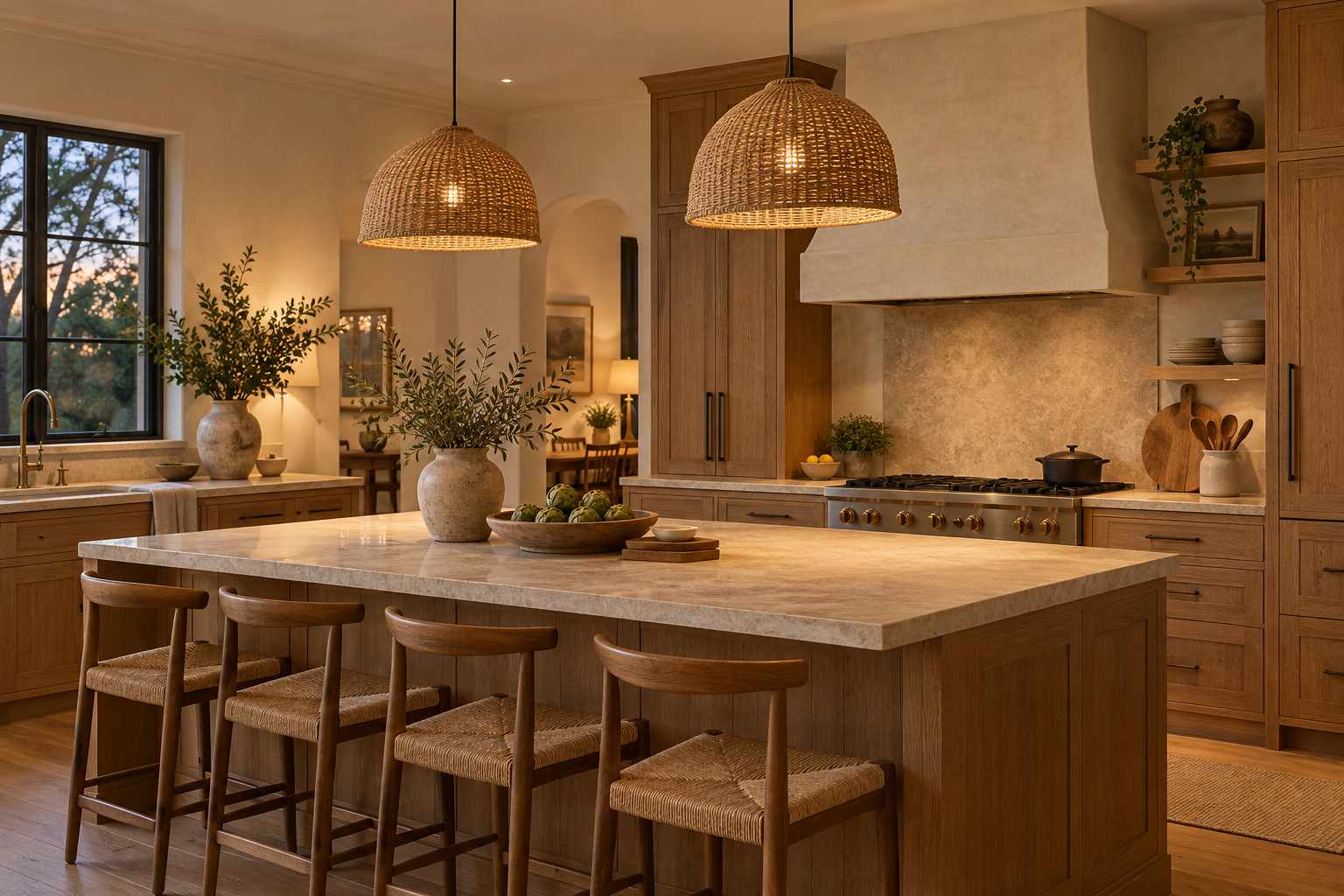
Kitchen pendant lighting can do more than simply brighten a countertop. It helps you prepare meals, makes a kitchen island feel like a natural gathering spot, and adds a finishing detail that ties the room together.
With many shapes, sizes, and finishes available, choosing the right kitchen pendant lighting can feel tricky. The best place to start is with your kitchen layout, ceiling height, and everyday needs.
A row of lights over an island is a classic choice, but it is not the only option for kitchen pendant lighting. One larger pendant light can suit a compact breakfast area, while a pair of fixtures may work better over a short counter. In each case, the goal is to provide light without blocking sightlines or making the room feel crowded.
This guide covers fixture sizes, hanging heights, spacing, styles, bulbs, and installation considerations. It also includes image suggestions with alt text so you can add visuals to the finished article.
Architectural & Spatial Planning
Why Pendant Lights Work Well in Kitchens
Kitchen pendant lighting fixtures hang from the ceiling, bringing light closer to counters, islands, or tables. That makes them useful for tasks such as chopping vegetables, reading a recipe, or serving food. Kitchen pendant lighting fixtures also give the eye a point of focus, which helps define different areas in an open-plan room.
A kitchen often needs more than one kind of lighting. Ceiling fixtures provide general ambient illumination, while under-cabinet lights brighten work surfaces. Kitchen pendant lighting fills the functional gap above an island or dining nook. When all three layers are planned together, you are far less likely to have dark spots and shadowy corners.
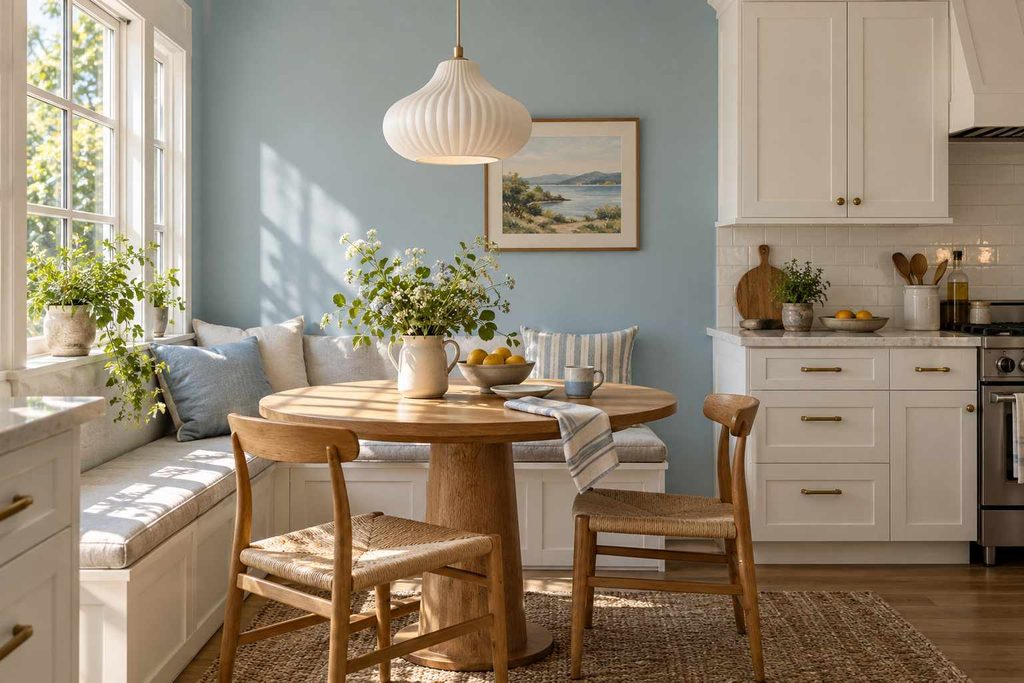
Kitchen pendant lighting also contributes to the room’s character. A simple glass shade can keep a kitchen feeling open. Metal shades add contrast in a neutral room, while woven or ceramic designs bring texture. The shape, finish, and number of kitchen lights can make a subtle difference or become a strong centerpiece feature.
Before shopping, consider what the lights need to do. If the island is used for food preparation, choose shades that direct light downward. If it is mainly a place to eat or socialize, softer, diffused light may be more comfortable. Some fixtures combine both, especially when paired with dimmable bulbs.
Choose a Fixture Size That Suits the Space
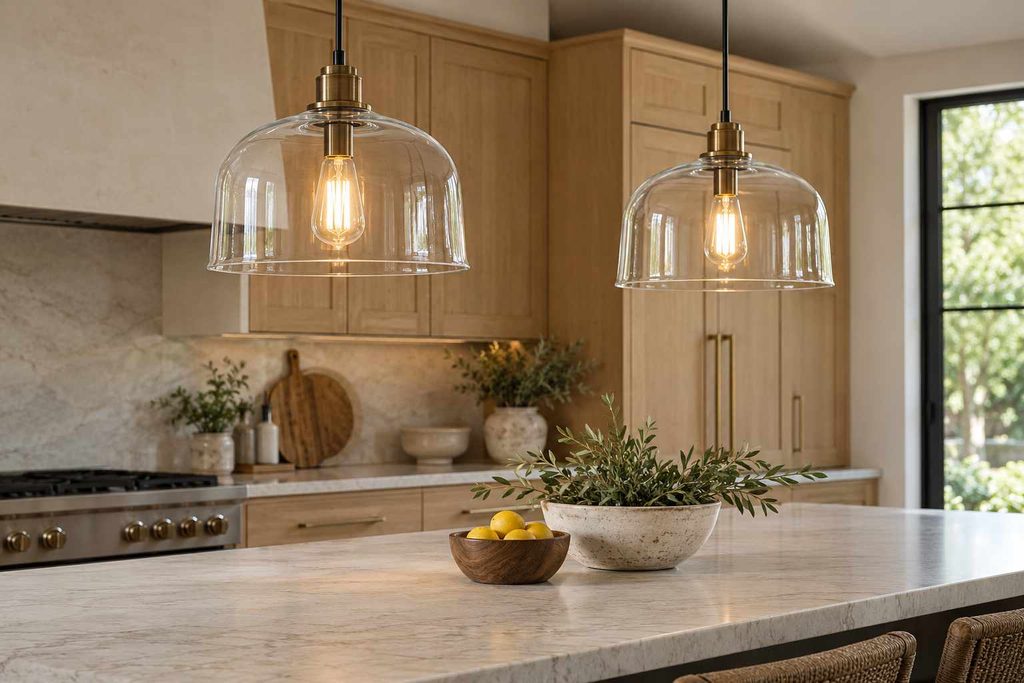
A kitchen pendant light can look attractive on its own and still feel wrong once it is installed. A fixture that is too small may disappear over an island. One that is too large can overwhelm a counter or block views across the room. Measure the island or table before browsing and consider the width of walkways and cabinetry.
For an island, multiple smaller kitchen pendant lights often distribute light more evenly than one oversized pendant. Conversely, a single larger kitchen pendant light can work exceptionally well above a small round table or a narrow breakfast counter.
The total visual weight matters: several broad metal shades may feel heavier than clear glass ones, even if their physical dimensions are similar. As a starting point, compare the fixture’s width with the width of the surface beneath it. Leave counter space around each light rather than filling the whole area with shades.
Product listings usually provide the width and overall height, so check both measurements carefully. If you have a large open kitchen, a fixture that looks substantial in a showroom may appear smaller in your room. Choosing kitchen lighting is easier when you make a quick sketch: mark the island’s dimensions, note where people sit or work, and draw the fixture widths to scale.
Set the Right Height Above an Island or Counter
The height of a kitchen light affects both comfort and usefulness. Hang it too high and it may do little to illuminate the work surface; hang it too low and it can get in the way of conversation or block the view from one side of the kitchen to the other.
A common starting point is to position the bottom of the shade 30 to 36 inches above the countertop. This is a guideline, not a strict rule. Ceiling height, fixture size, the height of people using the kitchen, and the shape of the shade can all change what feels right.
Kitchen pendant lighting above an island should be checked from multiple angles before final installation. Stand where you usually cook, sit on the stools if there are any, and look toward adjacent rooms. The pendant should illuminate the island while leaving an unobstructed line of sight. If family members vary greatly in height, favor a position that works for the people who use the kitchen most.
For a vaulted or unusually high ceiling, longer downrods or adjustable cords may be needed. Make sure the canopy and hanging hardware suit the ceiling type. When possible, choose a pendant with an adjustable suspension so the final height can be fine-tuned after seeing it in place.
Plan Spacing for Even Light
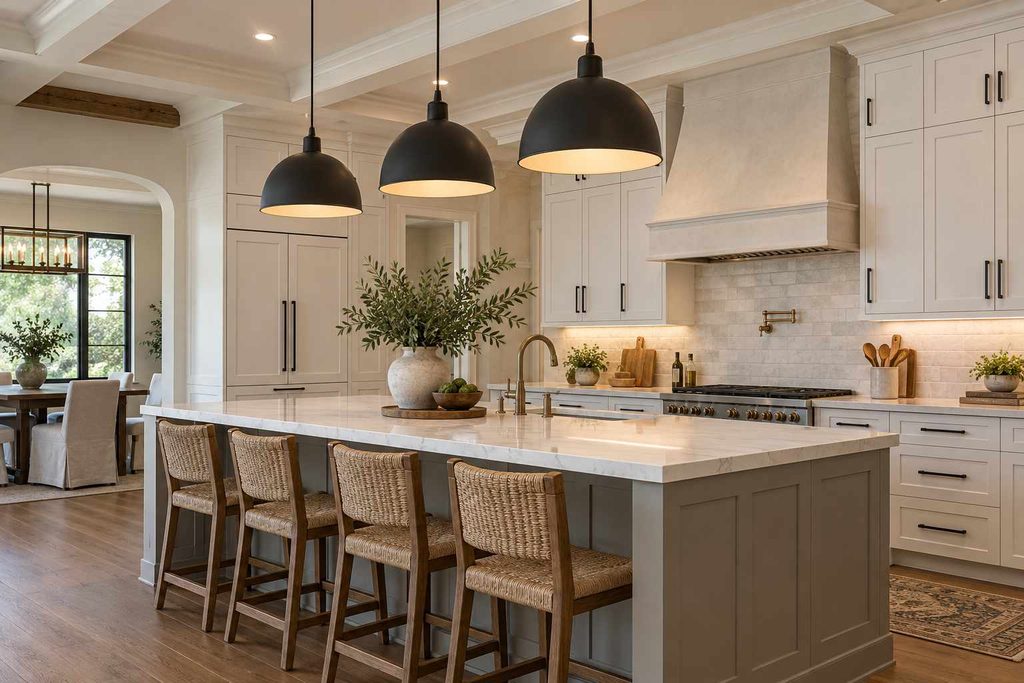
Spacing matters when you are installing two or more pendants. Pendants placed close together can look crowded and create overlapping glare. Pendants placed too far apart may leave the center or ends of the island dim. The island’s length, the number of pendants, and the width of each shade all factor into the layout.
For a row of three pendants, begin by marking the center point of the island. Place the middle pendant over that point, then divide the remaining space evenly on either side. Keep the outer pendants inset from the ends of the island so they do not appear to hang beyond its edges. With two pendants, center the pair as a group and leave equal spacing between the pendants and the island’s ends.
Kitchen pendant lighting should also relate to seating. If stools are placed along one side, avoid hanging a shade directly in front of someone’s face while they are seated. For an island with a sink or cooktop, position the pendants to brighten the work zones while accounting for ventilation equipment overhead.
There is no single spacing measurement that works for every kitchen—use the pendant’s width as a guide and follow any spacing recommendations from the manufacturer. Painter’s tape or paper cutouts can help you preview the arrangement on the ceiling before an electrician installs the fixtures.
Layout, Style & Selection
Match the Layout to Your Kitchen
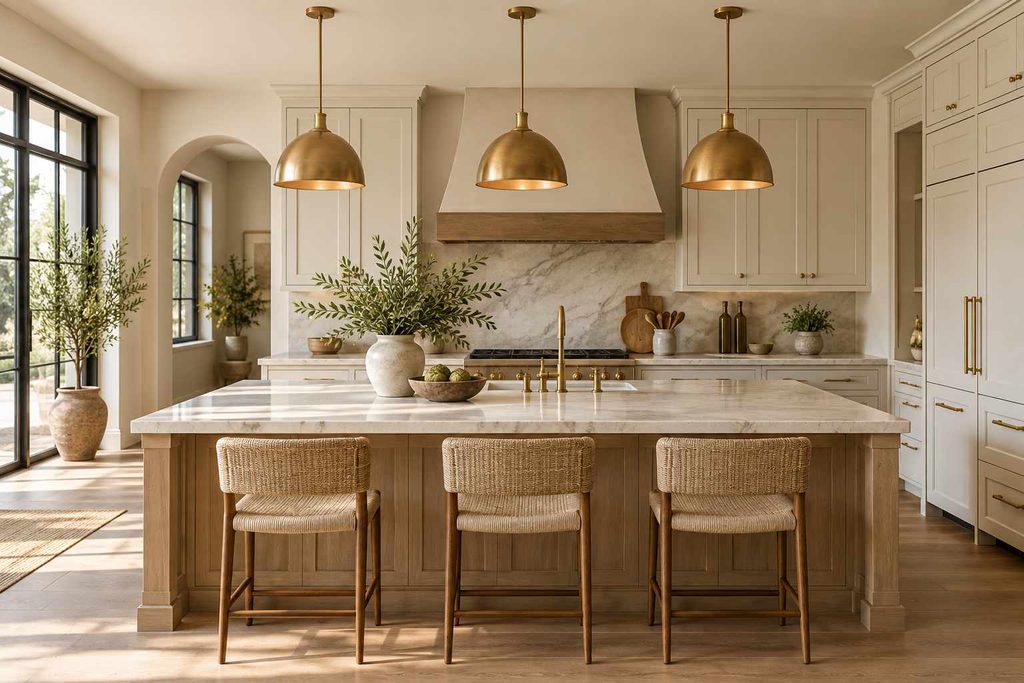
An island is a common location for pendants, but there are other useful spots. A pair of pendants over a peninsula can define the edge between the kitchen and living area. One pendant can provide task light over a sink, a breakfast table, or a desk‑sized prep counter. A compact pendant may also work above a freestanding butcher block.
Kitchen pendant lighting can help an open‑plan kitchen feel connected to the rest of the home. Repeat a material or finish elsewhere in the room, such as on cabinet pulls, a faucet, or dining‑room hardware. Repeating a detail creates continuity without requiring all the light fixtures in the house to match identically.
In a kitchen with lower ceilings or a narrow walkway, large hanging pendants may feel intrusive. Consider semi-flush mounts in circulation areas or pendants with a smaller profile. Walkways should remain comfortable to navigate even when someone is standing at the counter.
If you have an existing ceiling light centered in the room, do not assume it must be removed. General lighting and pendants can work together seamlessly when the pendant brightness and color temperature are coordinated. A lighting plan can help determine whether the room needs overall light or better task lighting over specific surfaces.
Pick a Style That Complements the Room
Pendant lights come in a range of styles, from understated cylinders to sculptural shades. The best choice usually relates to the room’s existing details. In a kitchen with shaker cabinets, a glass or metal pendant can add interest. In a room with bold stone veining or patterned tile, a plain shade can keep the overall look balanced.
The material changes both how the space looks and how light behaves:
- Clear glass lets the bulb show and spreads light in many directions, but it can create glare if the bulb is exposed.
- Frosted glass softens the brightness for a diffused glow.
- Metal shades direct light downward, giving a strong visual impact and focused task lighting.
- Woven shades give a textured, organic look, though they may be harder to clean near high-grease cooking areas.
Kitchen pendant lighting can complement existing hardware without matching every metal finish exactly. For example, matte black fixtures can sit comfortably with brass cabinet pulls if the combination feels intentional. Repeat each finish at least once elsewhere in the space so the look feels unified.
Think about upkeep before choosing a design. Open frameworks and clear glass show dust more readily than simple opaque shades. If the pendant is near a cooktop, grease can build up over time. A shade that can be wiped clean easily will save effort in the long run.
Select Bulbs for Comfort and Useful Light
The bulb affects how a pendant performs. Check the label for the bulb socket type and the maximum wattage allowed by the manufacturer. If the pendant is compatible with LED bulbs, they are available in different brightness levels (lumens) and color temperatures (kelvins).
Color temperature is measured in kelvins (K):
- Lower numbers (2700K–3000K) produce a warm, golden light.
- Higher numbers (4000K+) appear cooler or bluer.
Many homeowners prefer a warm-to-neutral white (around 2700K–3000K) in a kitchen because it feels welcoming while still allowing food and work surfaces to look clear and natural.
Kitchen pendant lighting often works best when its color temperature matches that of the main ceiling recessed lights and under-cabinet lights. Different color temperatures in the same room can make white cabinets or countertops appear inconsistent.
Brightness matters too. A decorative pendant above a dining nook may need less output than a pendant above a prep surface. Dimmable bulbs and compatible dimmer switches allow you to adjust the lighting for cooking, cleanup, and relaxed evening meals. Always confirm that the bulb type and dimmer switch are compatible to avoid flickering or buzzing.
Technical Installation & Common Pitfalls
Consider Sloped Ceilings and Special Conditions
Not every kitchen has a flat ceiling. If your kitchen has a sloped or vaulted ceiling, check whether the pendant includes a swivel base or sloped‑ceiling adapter. Some pendants hang straight down naturally from a flexible cord, while rigid stem pendants require specific adapter hardware. Confirm compatibility before purchasing so the lighting does not hang at an awkward angle.
A high ceiling may need extra downrod extensions or a longer cord. A low ceiling calls for a shallow pendant profile that does not interfere with movement. In either case, pay attention to the clearance needed around upper cabinet doors, tall pantry entries, and main walkways.
In older homes, the electrical junction box may not be in the right location for your planned layout. Moving a ceiling box or adding a new circuit requires electrical work. If you are installing pendants over an island that did not previously have overhead fixtures, have the ceiling structure and wiring assessed beforehand.
Installation and Safety Considerations
Pendant fixtures connect to household wiring and must be mounted securely to a ceiling box that can support their weight. If you are not experienced with electrical work, hire a licensed electrician. This is especially important when adding new wiring, moving a box, or installing heavy fixtures.
Before installation begins, share your exact specifications and intended placement with the installer. Make sure the planned locations avoid ceiling joists, ductwork, and other hidden obstacles. For pendants over an island, confirm that the lighting will line up with the island itself rather than simply with the center of the room.
Follow all local electrical codes and the manufacturer’s instructions. Once the pendants are in place, test them from both standing and seated positions. Check whether they cast shadows on work areas, create harsh glare, or interrupt sightlines. Adjust the cord length or bulb choice if the setup feels uncomfortable.
Common Mistakes to Avoid
- Selecting fixtures before measuring: Attractive lights may turn out to be too wide, too small, or too low for your island. Measure the surface area first, then compare those measurements with fixture specs.
- Treating pendants as the primary light source: Pendants brighten an island, but they rarely illuminate the sink, perimeter counters, or pantry sufficiently on their own. Combine pendants with recessed lighting and under-cabinet task lights.
- Ignoring glare and color temperature: Unshielded bulbs at eye level create uncomfortable glare. Cool blue light can make a warm kitchen feel stark and uninviting. Test bulb color temperatures in your space before committing.
- Overcrowding fixtures: More fixtures do not always mean better lighting. A clean layout with two well‑proportioned pendants often looks calmer and functions better than a row of crowded shades.
Frequently Asked Questions
How high should pendant lights hang above a kitchen island?
A common starting point is 30 to 36 inches above the countertop, measured from the counter surface to the bottom of the shade. Adjust for the fixture’s size, ceiling height, and user height to ensure sightlines remain open.
How many pendants should I put over an island?
The number of pendants depends on the island’s length and the size of the fixtures. One larger pendant may suit a short island, while two or three pendants work better over a longer surface. Mark out the proposed layout on the ceiling with tape before installing.
Should the lights over an island match the dining room fixture?
They do not need to match identically. Repeating a shared material, finish, color, or shape across both spaces creates visual connection while allowing each fixture to suit its distinct function.
Are glass pendants a good choice for a kitchen?
Clear glass keeps a room feeling airy and open, but exposed bulbs can cause glare. Frosted glass or lower‑brightness bulbs soften the output. Keep in mind that glass shades near cooking areas will require regular wiping to remove grease and dust.
Can pendant lights be installed on a sloped ceiling?
Yes, many pendant fixtures can be installed on sloped ceilings using flexible cords or built-in swivel adapters. Always check product specifications or consult an electrician before purchasing to confirm sloped ceiling compatibility.
What bulb color temperature is best for a kitchen?
A warm-to-neutral white (2700K to 3000K) is ideal because it feels inviting while keeping food, finishes, and work surfaces looking clean and accurate.
Can I install pendant lights myself?
Replacing an existing fixture in the same location can often be done as a DIY task. However, running new wiring, adding junction boxes, or mounting heavy fixtures requires a qualified, licensed electrician.
Conclusion
Well‑planned kitchen pendant lighting brings essential task illumination and a clear design focal point to the room. Start by measuring your island, identifying where light is needed most, and accounting for your ceiling height. Then select fixtures that match your kitchen’s style and remain comfortable to use every day. With the right sizing, spacing, bulbs, and installation, pendant fixtures will make your kitchen feel brighter, more functional, and far more welcoming.