
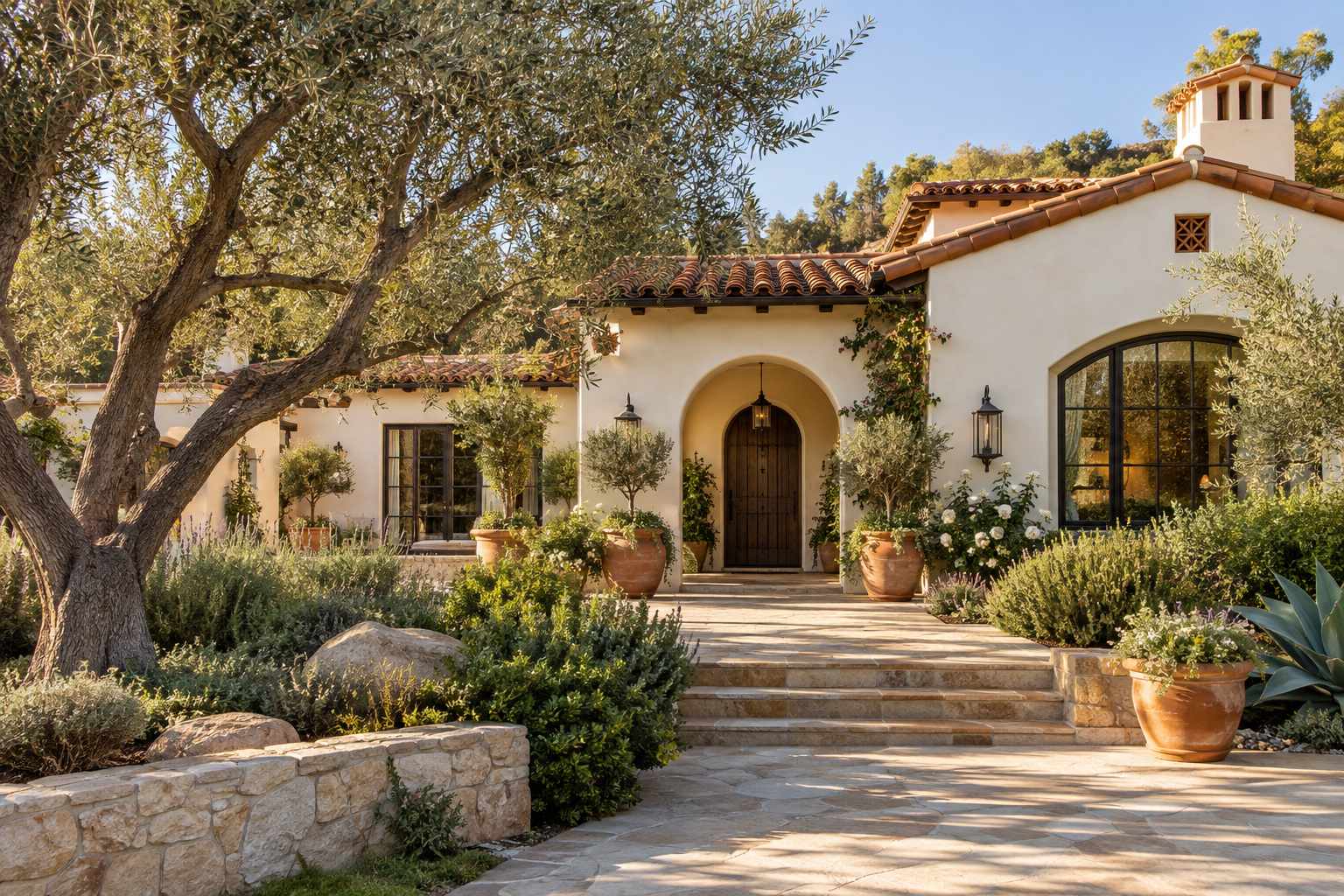
Spanish style homes feel welcoming right when you come near them. Spanish style homes have stucco walls, arched openings, earthy colors, and natural materials that give a relaxed look. Spanish style homes can fit in a California neighborhood or a modern suburban setting. Spanish style homes come from architecture that evolved over time with regional influences, local materials, and changing ways of living. Spanish style homes can borrow these appealing details without making your home feel like a historical replica.
The key to Spanish style homes is to balance character with comfort. A curved doorway can give a room a sense of age while simple furniture and good lighting keep Spanish style homes feeling current. Terracotta, wood, stone, and iron add texture. Spanish style homes work best when each material has room to stand out. Whether you are planning a remodel or looking for small changes, the ideas below can help you bring warmth and personality into Spanish style homes.
Architectural Character & Exteriors
What Gives the Style Its Character?
There is no single blueprint for Spanish architecture. Spanish style homes often draw from Colonial buildings, Mediterranean design, and regional traditions that developed in places such as California, Florida, and the American Southwest. Older examples may have masonry walls, shaded courtyards, and handcrafted details. Newer Spanish style homes keep the inviting shapes and finishes while using updated floor plans, modern windows, and modern construction.
Common features of Spanish style homes include stucco or plaster walls, low‑pitched roofs with clay tiles, rounded arches, exposed wood beams, and floors made from terracotta, stone, or wood. Wrought iron can appear in gates, railings, light fixtures, or cabinet hardware. These details bring contrast and texture to simple surfaces.
The overall effect matters as much as any individual feature in Spanish style homes. Rooms usually feel grounded and connected to the outdoors. Materials in Spanish style homes show their natural color and texture instead of glossy finishes. The spaces feel comfortable rather than formal, and shaded areas make bright rooms pleasant to use.
When choosing details for Spanish style homes, think about how light, texture, and shape work together. A curved opening or handmade tile can create a strong focal point in Spanish style homes. Adding every detail at once may make a space feel crowded, so choose a few that suit your home’s architecture.
Exterior Details That Make a Strong First Impression
A textured exterior is one of the most recognizable features of Spanish style homes. Stucco is commonly finished in off‑white, cream, sand, or pale ochre. These shades reflect sunlight and pair naturally with terracotta roof tiles, dark wood, and green planting. If your Spanish style home already has a different exterior material, you can still create a similar mood with a warm paint color, a textured entry wall, or a tiled porch.
Arches can soften the entrance or connect a porch to the garden in Spanish style homes. You do not need to add arches everywhere. A rounded doorway, an arched window, or a curved garden gate can be enough to give the facade a more distinctive shape. For a renovation, consider whether a new arch would fit the roofline and structure before treating it as a decorative change.
Wooden doors make a natural focal point in Spanish style homes. A stained or painted door can bring depth to an exterior, especially when paired with simple iron hardware. Lantern‑style lights beside the entrance add a warm glow after dark. Choose fixtures sized appropriately for the doorway and use bulbs with a warm color temperature so the light feels comfortable.
Planting can make Spanish style homes feel more settled. Olive trees, potted citrus, lavender, rosemary, and drought‑tolerant grasses suit warm climates. In cooler regions, use plants that thrive locally rather than forcing a Mediterranean garden. A few large planters and a clear walkway can create a composed entrance without filling every corner.
Design Foundations: Color, Transitions & Structure
Choose a Warm, Restrained Color Palette
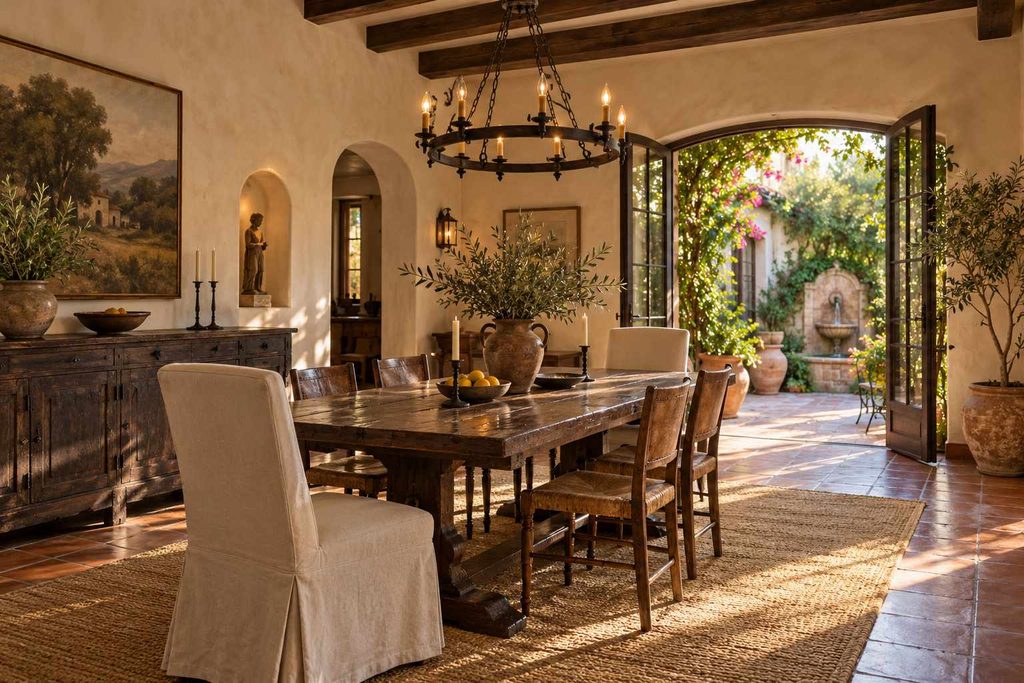
The colors that belong to Spanish style homes often come from the landscape: sun‑washed walls, clay soil, stone, wood, and leafy plants. Cream, ivory, pale beige, and soft sand are ideal wall colors because they keep rooms bright while adding more warmth than stark white. Terracotta, rust, ochre, olive, and muted blue can appear in tiles, textiles, pottery, or painted accents.
Start with the core surfaces of a Spanish style home. If you are choosing flooring or cabinetry, look at samples in the room at different times of day. A terracotta tile can look orange in direct sun and deeper red in shade. A creamy wall paint may appear yellow under a warm bulb. Testing materials together helps you see whether the colors feel balanced.
Use accent shades with intention. A deep blue door, a patterned rug, or a tiled backsplash can draw the eye without taking over the room. If the walls and floors already have plenty of texture, keep the furniture and decor quieter. If the room is simple, color can add the needed personality.
Natural materials do not always match perfectly—that is part of their appeal. A varied tile, visible wood grain, or hand‑finished plaster can make the palette feel less staged. Aim for colors that relate to one another instead of trying to make every surface identical.
Make the Entryway and Courtyard Feel Welcoming
A welcoming entrance does not need a large foyer. In a Spanish style home, a wood bench, a ceramic bowl for keys, and a warm wall light can make the transition from outside feel considered. If there is room, a patterned tile floor or a small tiled threshold can add color at the door. Keep the walking path open so the entry remains easy to use.
Courtyards and patios are important in traditional designs because they provide a sheltered connection to the outdoors. Even a compact patio can feel like a retreat with a table, a pair of chairs, and a planter or two. Use materials that can handle your local weather. Outdoor terracotta and natural stone need sealing, while wood furniture may need periodic care.
If you have a courtyard, let the architecture frame it. A shaded arcade, a fountain, or climbing greenery can provide a focal point, but the space should still work for daily life. Consider where the sun falls during the day and place seating where people will actually want to sit. In warm climates, shade can matter more than decorative features.
For homes without a courtyard, make a link between inside and out. A glazed door, larger windows, indoor plants, or a consistent floor color across a threshold can help. The goal is to make the outside feel like an extension of the living space.
Use Arches and Beams with a Light Touch
Arched forms are a familiar part of Spanish style architecture. They may appear in doors, windows, niches, or passageways. If your Spanish style home already has an arched opening, highlight it with a contrasting paint color or a simple trim detail. A shallow wall niche can display a piece of pottery or a small sculpture without taking up floor space.
Adding a structural arch is a larger decision. It may require framing work, especially if the opening is in a load‑bearing wall. A curved opening can also change how furniture fits and how sound moves between rooms. Before starting construction, discuss the project with a contractor or structural professional.
Exposed ceiling beams bring warmth and visual rhythm. Original beams are worth preserving when they are in good condition. In a Spanish style home without them, decorative beams can create an appealing effect, but their scale should suit the room. Oversized beams in a low‑ceilinged space may make the room feel smaller. A stained finish can emphasize wood grain, while a lighter finish can keep the ceiling from feeling heavy.
One strong architectural feature usually has more impact than several competing ones. Pair beams with plain walls or let a curved doorway stand out against a simple floor. The mix of old‑world shapes and unfussy surroundings helps the room feel inviting rather than themed.
Room-by-Room Interior Styling
Bring Texture into the Living Room
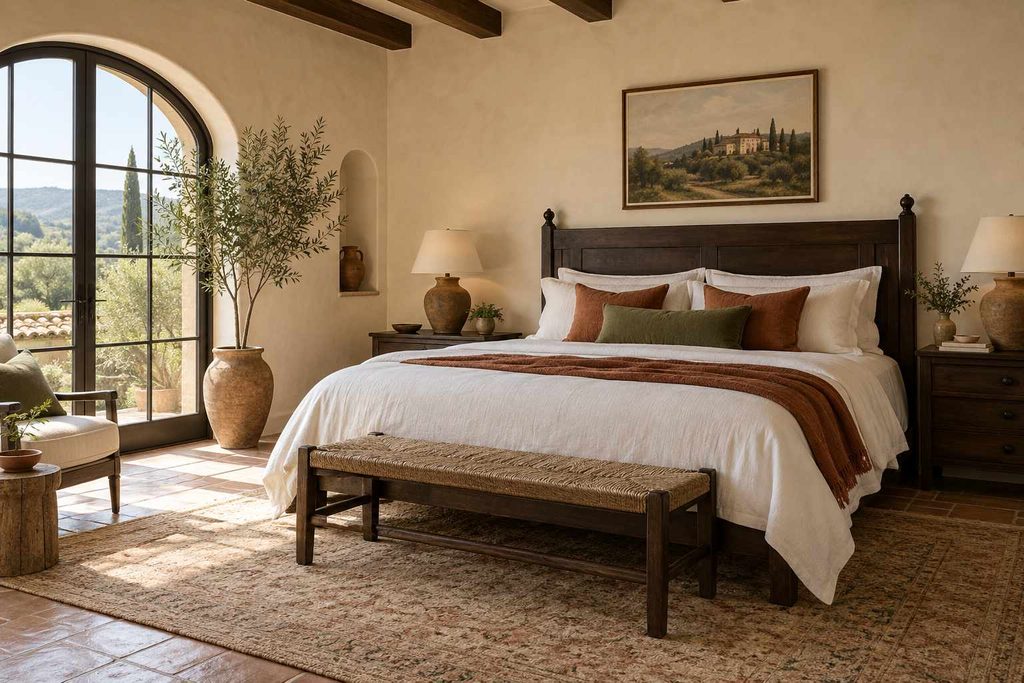
A comfortable living room can capture the spirit of Spanish style homes through its materials and layout. Start with a sofa made from a natural fabric such as linen, cotton, or a textured, durable weave. Add a wood coffee table, a woven rug, or a leather chair for contrast. These everyday pieces give a grounded base for special accents.
Stone or tile flooring can feel refreshing underfoot, especially in a warm climate. A rug softens the living room seating area and helps define it. Choose a size that reaches under the front legs of the main seating so the arrangement feels connected. A flat‑weave rug is easy to layer over tile, while a thicker wool rug adds softness in cooler regions.
Lighting should serve more than one purpose. Combine ambient light with table lamps or wall sconces, and use dimmers where practical. Iron or aged brass fixtures can bring a historic note, but a simpler modern fixture can work just as well. The living room will feel more relaxed if the light is warm and spread across multiple points instead of coming from a single bright ceiling source.
Decorate with objects you will be happy to keep using: a handmade bowl, a landscape painting, a stack of books, or a few well‑chosen cushions. Leave some surfaces clear. Natural materials already bring plenty of detail, so the living room does not need to be filled with excessive accessories.
Make the Kitchen Practical and Full of Character
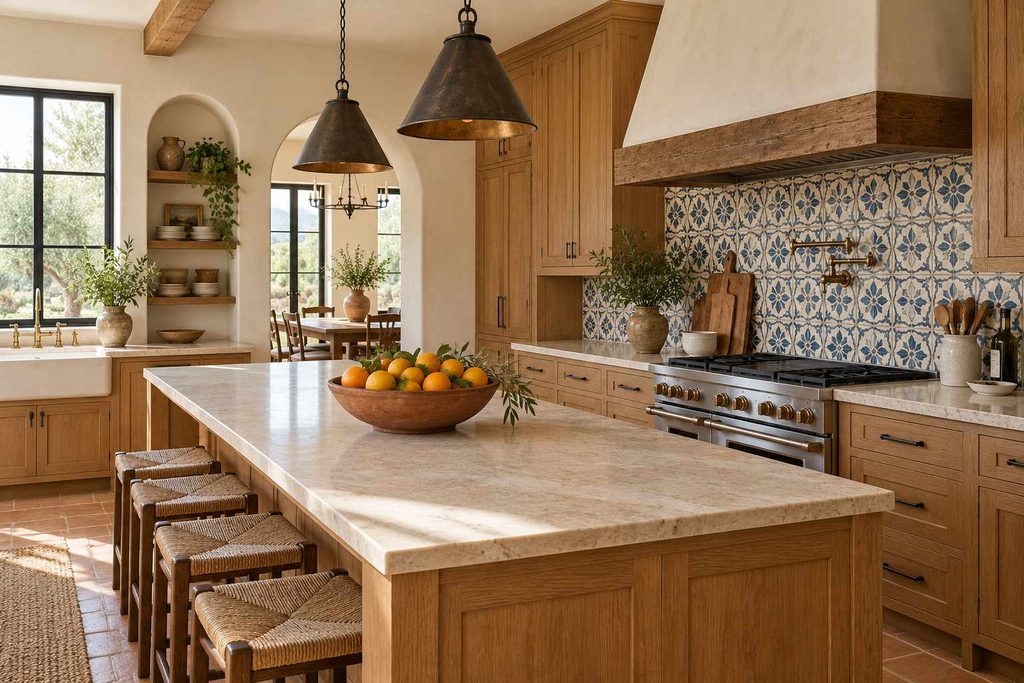
A Spanish‑inspired kitchen can feel special without sacrificing storage or easy cleanup. Wood cabinets, open shelves, stone counters, and patterned tile are all useful ways to add warmth. Use tile across a full backsplash or limit it to the range area for a smaller burst of color. A simple field tile in off-white also works if you prefer a quieter kitchen.
Hand‑painted or patterned tile can be a centerpiece, but it is wise to test a sample before ordering a large quantity. Check how the tile looks beside cabinet finishes and under kitchen lighting. If the tile pattern is bold, keep surrounding surfaces simple; too many strong patterns can make a hardworking kitchen feel visually busy.
Consider daily habits before choosing open shelving. Open shelves look attractive when the items on display are used often and easy to keep tidy. For everyday cookware and pantry supplies, closed cabinets may be more practical. A mix of open and closed storage offers the best flexibility.
For hardware and fixtures, dark iron, bronze, or aged brass can complement wood and tile. Choose a finish that is easy to clean and available for all the pieces you need. A durable sink, good task lighting, and clear counter space will make the kitchen more comfortable to cook in than decorative details alone.
Select Flooring and Materials for Everyday Life
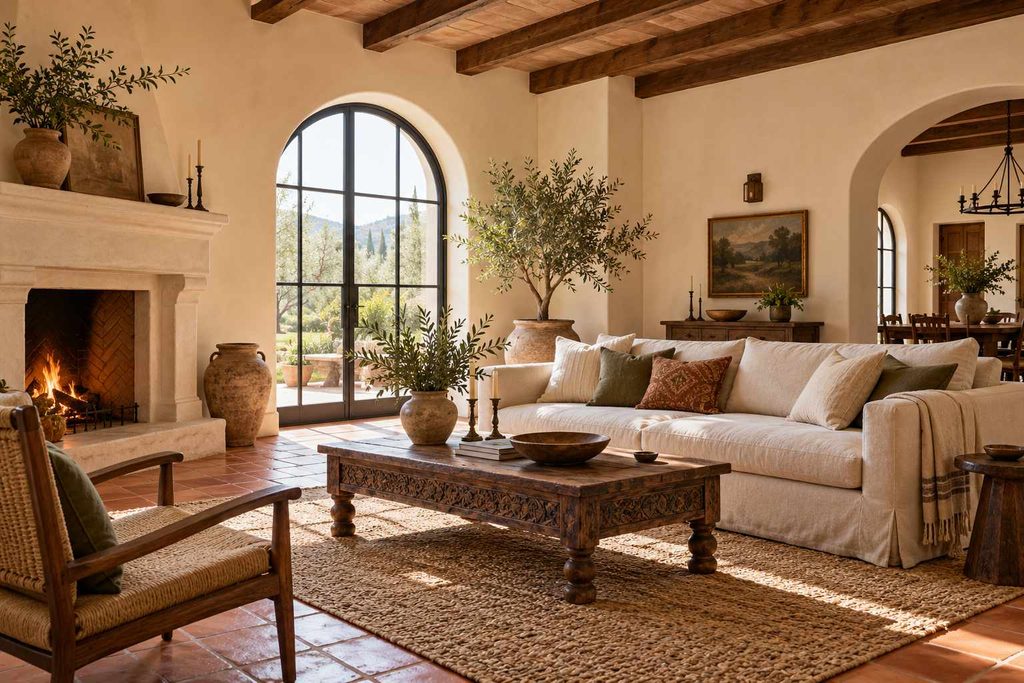
Materials shape the way a room feels and how much care it needs. Terracotta tile has rich color variation and a handmade look, but it needs proper sealing to protect it from stains. Porcelain tile can imitate the appearance of clay or stone while requiring less maintenance. Natural stone brings unique markings, though some varieties need regular sealing and careful cleaning.
Wood floors bring warmth and work well in bedrooms and living areas. Wide planks with a matte finish can suit the Spanish style, but the best choice depends on your household, climate, and budget. Ask suppliers about wear, moisture resistance, and maintenance before making a decision.
Plaster‑like walls add subtle texture. If you do not want to replaster, a matte paint with a warm undertone can provide a similar softness. Avoid choosing a finish just for appearance if it will be difficult to clean or repair in a high‑traffic area.
Think about transitions between materials. A tile entry can lead seamlessly into wood flooring, or a rug can connect a seating area to a stone floor. Clean, considered transitions make rooms feel intentional. Gather physical samples and view them together in the actual space before buying. A material that looks appealing in a showroom may read differently under your home’s natural light.
Furnish with Comfort and Simple Shapes
Furniture in Spanish style homes is usually sturdy and relaxed, but that does not mean every item must have fancy carvings. Look for solid wood tables, upholstered chairs with comfortable proportions, and storage pieces that fit the scale of the room. A few pieces with visible grain or a gently aged finish can give character without making the space feel old‑fashioned.
Mix textures to keep a neutral palette from feeling flat. A woven basket beside a side table, a leather chair near a linen sofa, or a wool throw over a cotton cushion can add depth. Choose a cohesive set of colors so these textures work together naturally.
Avoid buying a matching furniture set if it makes the room feel too uniform. A wood dining table can pair with woven chairs, while a simple sofa can sit beside a vintage accent cabinet. Combining pieces thoughtfully makes Spanish style homes feel collected over time.
Scale matters. Measure doorways and stair turns before bringing furniture home. In smaller rooms, use fewer pieces and leave room to move around them comfortably. A well‑arranged room feels generous even when the square footage is modest.
Add Pattern and Handmade Details
Patterned tile, woven textiles, and handcrafted pottery give a room a personal quality. You do not need to use all of them in every space—choose one or two accents and let the rest of the room support them. A tiled stair riser, a mosaic border, or a patterned cushion can be enough to establish the look.
When mixing patterns, pay attention to scale and color. A large geometric tile pattern may work well with a low‑contrast textile design. If the patterns use similar colors, they are more likely to feel connected. Keep some surfaces plain so the eye has places to rest.
Handmade items are valued for their subtle variations, a quality that makes a home feel more personal. It is worth buying pieces you truly like rather than adding objects simply because they seem traditional. Local craft markets and independent makers are great sources for pottery, textiles, and ironwork.
Artwork does not need to depict a specific region or historical period. Landscapes, family photographs, abstract work, and travel finds can all belong. The important thing is that the objects reflect the people who live there.
Adapting & Maintaining the Style
Adapt the Look to a Modern Home
You can bring Spanish style into a contemporary space by choosing a few key elements that suit its layout. Start with color and texture: off-white walls, a wood dining table, clay‑colored cushions, or a tiled entry. These changes are easier to make than altering the building’s structure and can still shift the atmosphere completely.
If you are remodeling, consider where an architectural detail will have the most impact. A single arched opening between a kitchen and dining area may be more useful than multiple decorative arches. Wood ceiling beams can make sense in a high-ceilinged room, while plaster finishes can add warmth to a plain hallway.
Keep modern conveniences in place. Good insulation, efficient windows, accessible circulation, and well‑planned storage make a home comfortable. Traditional‑inspired design can work alongside modern appliances and technology when those items are integrated thoughtfully.
Budget should guide the order of your updates. Paint, lighting, hardware, and textiles often make a huge difference without requiring a full renovation. Flooring, windows, and structural changes cost more, so plan carefully and get estimates before committing. If you are updating an older property, check for maintenance issues first, including roof condition, moisture control, and electrical safety.
Keep the Style Personal and Balanced
The easiest way to make a home feel authentic is to choose elements that fit both the building and the people who live there. An adobe‑inspired exterior, a patterned tile floor, or a dark wood ceiling may be right for one house and awkward in another. Consider the roofline, room size, local climate, and existing materials before making major changes.
Think about how each room will actually be used. A family room needs durable upholstery and surfaces that are easy to clean. A guest room may have more room for decorative textiles. A kitchen needs functional lighting and accessible storage whether or not it features hand‑painted tile.
Make changes step by step. Try a paint sample, a new rug, or updated light fixtures first. Live with those choices for a while before adding more. This lets you see how the room feels at different times of day and helps you avoid buying things that do not match.
A home should feel comfortable before it feels finished. Spanish style homes are admired for their warmth and ease. Those qualities come from more than just tile or stucco—bright, useful rooms, thoughtful materials, and objects that carry personal meaning all add to that feeling.
Frequently Asked Questions
What are the most recognizable features of this style?
Common features include stucco or plaster walls, clay roof tiles, rounded arches, exposed wood beams, terracotta or stone floors, and wrought iron details. Not every home has all of them; the overall feel is usually warm, textured, and connected to outdoor spaces.
Can this look work in a modern house?
Yes. Use a warm color palette, choose a few natural materials, and avoid adding too many heavy decorative features. A warm wall color, a wood table, and one patterned accent can create the atmosphere without crowding a modern room.
Are terracotta floors difficult to maintain?
They can require more care than some modern flooring options. Depending on the tile, regular sealing helps protect it from stains and moisture. Follow the manufacturer’s guidance for cleaning and resealing, and use products specifically formulated for natural terracotta.
How can I add the style without remodeling?
Try neutral paint, a wood-framed mirror, textured cushions, an iron light fixture, or a patterned tile accent. Plants and handmade pottery also add immediate warmth. Begin with a few small changes and see how they look with your existing furniture.
What colors work well with Spanish-inspired interiors?
Cream, ivory, sand, terracotta, rust, muted blue, and olive green are classic choices. Use a neutral base on the walls, then add stronger accent colors through tile, art, textiles, or accessories. Always check paint and material samples in your home’s natural light.
Do I need arches to get the look?
No. Arches are a signature feature, but they are not required. Warm materials, simple shapes, textured walls, and a strong connection to the outdoors can give a space the same feel without altering your home’s structure.
Conclusion
The enduring appeal of Spanish style homes comes from warmth, rich texture, and a relaxed connection between indoors and outdoors. You can capture that feeling with a few thoughtful choices: natural materials, a welcoming color palette, comfortable furniture, and details that fit your home’s unique architecture. Start with updates that make sense for your current lifestyle and budget, then build gradually. The final result should feel practical, authentic, and comfortable to live in every day.