
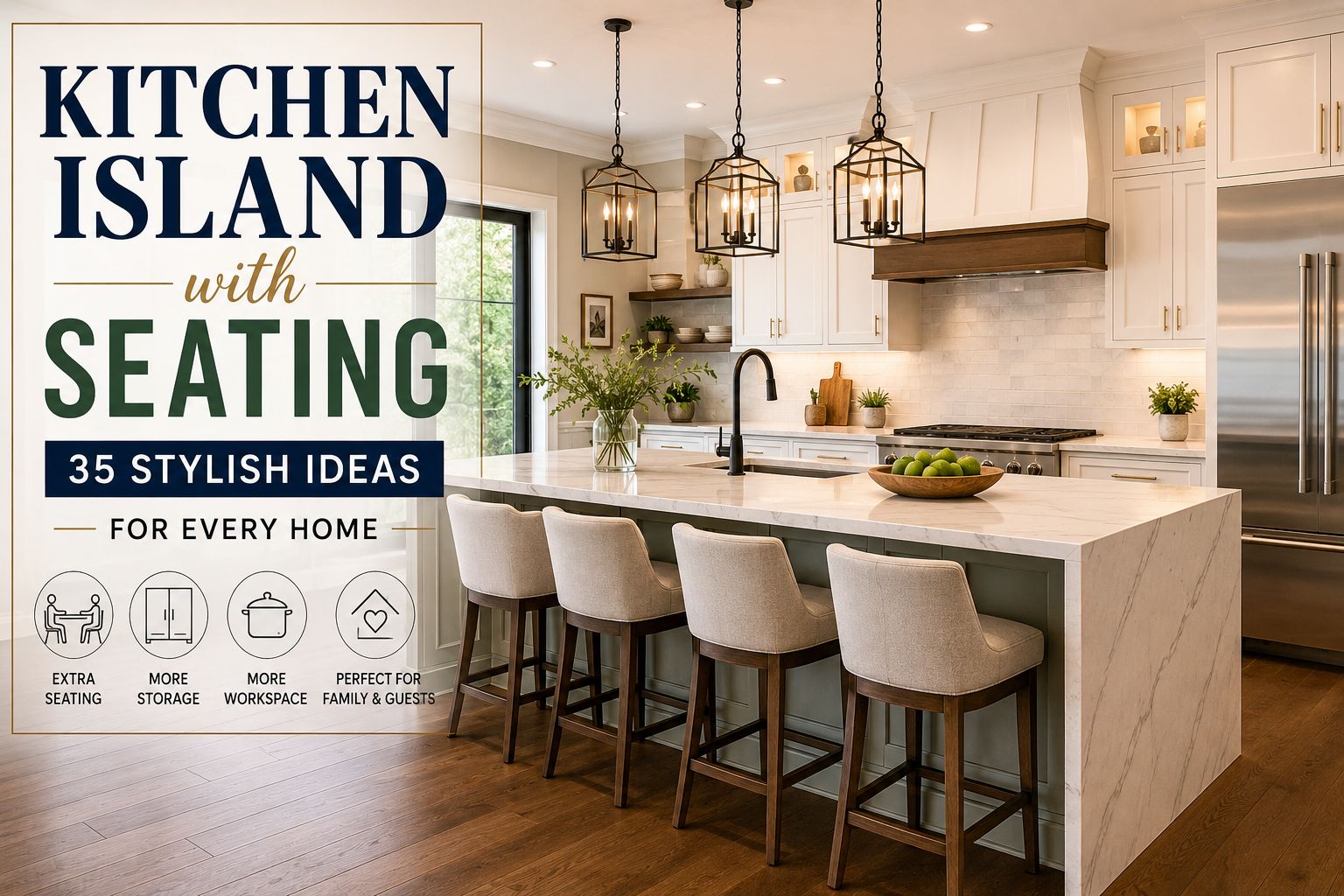
A kitchen island with seating is one of the most popular features in modern homes. It combines workspace, additional storage, and a comfortable dining area into one multifunctional centerpiece. Whether you’re remodeling your kitchen or building a home, adding a kitchen island with seating can improve both the appearance and functionality of your space.
From breakfast bars for small kitchens to large luxury islands with seating for six or more people, there are countless design options to suit every home and budget. The right island creates a place where family and friends can gather for meals, conversations, homework, or entertaining guests.
In this guide, you’ll discover the best kitchen island with seating ideas, design styles, layout tips, materials, seating options, lighting recommendations, and expert advice to help you create the perfect kitchen.
Why Choose a Kitchen Island with Seating?
A kitchen island with seating serves much more than an additional countertop. It becomes the heart of the kitchen—offering a workspace while creating a casual dining area where everyone naturally gathers.
Instead of separating cooking and socializing, an island allows homeowners to prepare meals while interacting with family members or entertaining guests. Whether your kitchen style is modern, farmhouse, Scandinavian, transitional, or traditional, an island with seating can enhance both comfort and efficiency.
Benefits of a Kitchen Island with Seating
Installing a kitchen island with seating provides numerous advantages:
Extra Workspace
An island gives you room for:
- Meal preparation
- Baking
- Chopping vegetables
- Serving food
- Meal planning
Additional Storage
Many kitchen islands include:
- Cabinets
- Drawers
- Open shelves
- Wine storage
- Pull-out organizers
This helps keep countertops clutter-free.
Casual Dining Area
Instead of using a formal dining room every day, families often enjoy quick meals around the island. It’s perfect for:
- Breakfast
- Lunch
- Coffee
- Snacks
- Kids’ homework
Better Entertaining
Guests naturally gather in the kitchen. A kitchen island with seating allows everyone to comfortably socialize while meals are being prepared.
Increased Home Value
Kitchen renovations consistently provide one of the highest returns on investment. A beautiful island often becomes one of the main selling points for potential buyers.
Things to Consider Before Installing a Kitchen Island
Before choosing an island, consider these important factors:
- Kitchen Size: Not every kitchen has space. Experts recommend leaving 36–42 inches around the island for comfortable movement, and up to 48 inches in kitchens with multiple cooks.
- Traffic Flow: Your island should never block access to the refrigerator, dishwasher, sink, oven, or pantry. Smooth circulation makes the kitchen more functional.
- Seating Needs: Ask yourself how many people will sit here daily, whether children will use it, and if it’s primarily for entertaining. These answers will influence the island size.
- Budget: Costs vary depending on cabinet construction, countertop material, appliances, plumbing/electrical work, and seating furniture. Planning ahead prevents unexpected expenses.
Popular Kitchen Island with Seating Styles
Different homes call for different island designs. Here are some of today’s popular styles:
Modern Kitchen Island
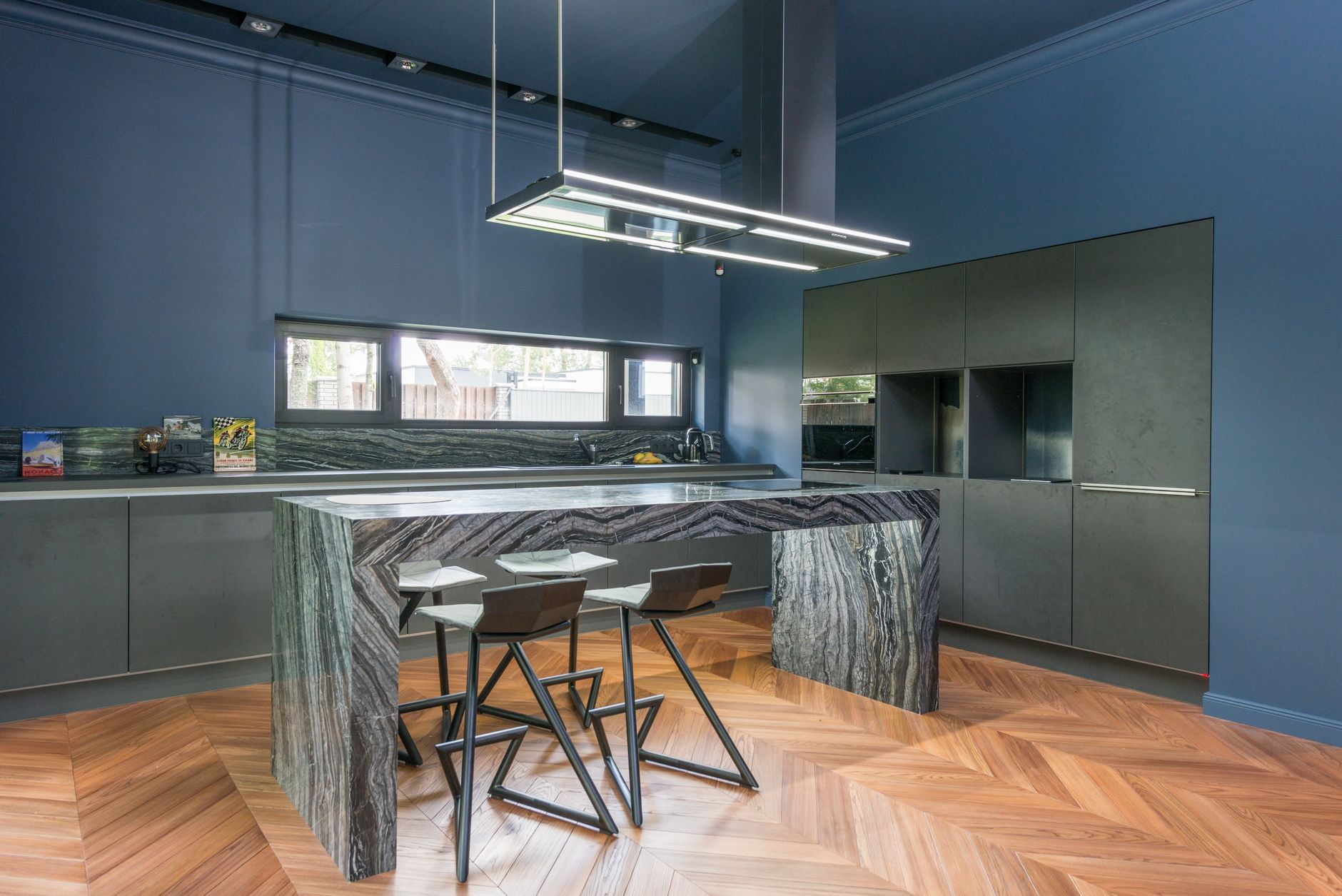
Modern islands feature:
- Clean lines
- Minimal hardware
- Waterfall countertops
- Neutral colors (White, Black, Gray, Natural wood)
- Hidden storage
Farmhouse Kitchen Island
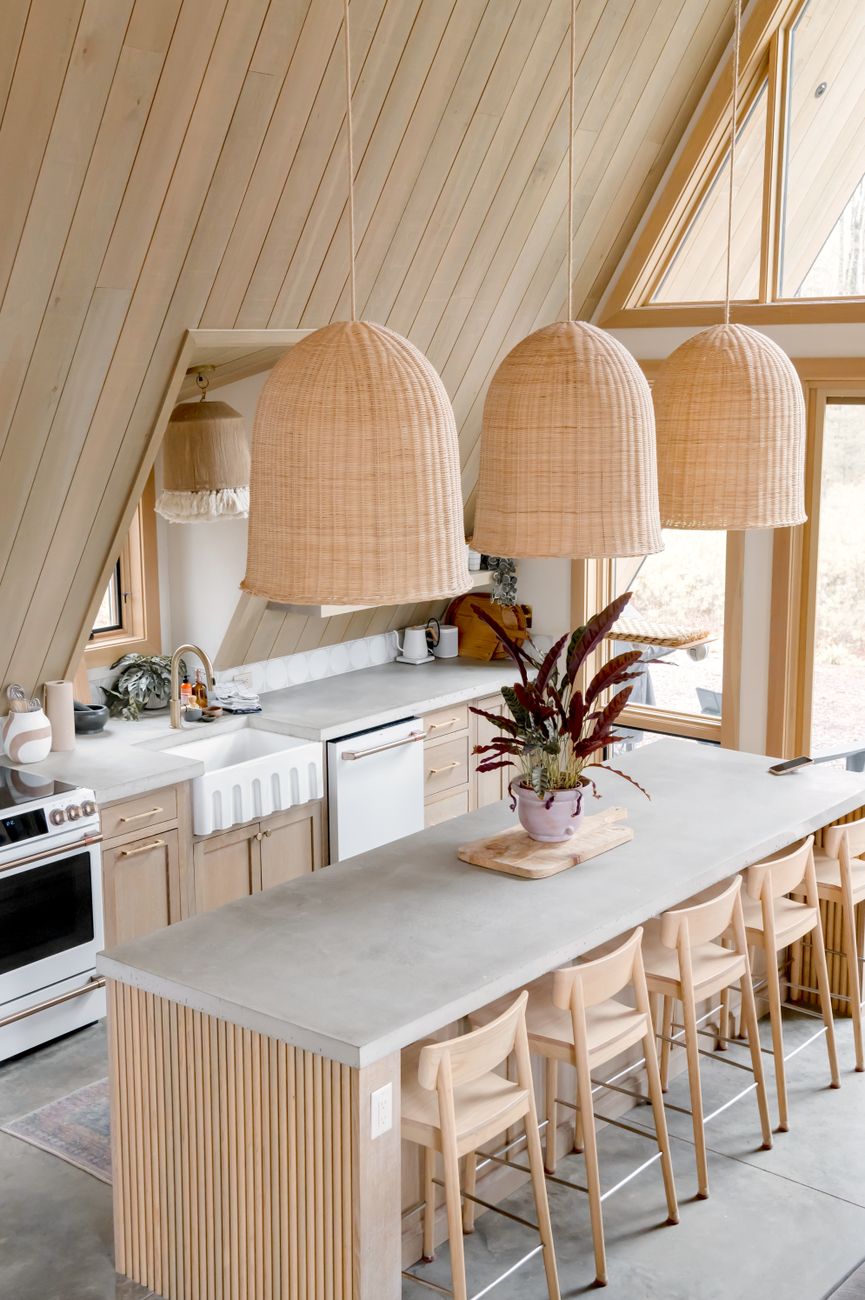
Farmhouse kitchens emphasize warmth and character. Features often include:
- Shiplap panels
- Butcher block countertops
- Rustic wood finishes
- Open shelving
- Vintage bar stools
Contemporary Kitchen Island
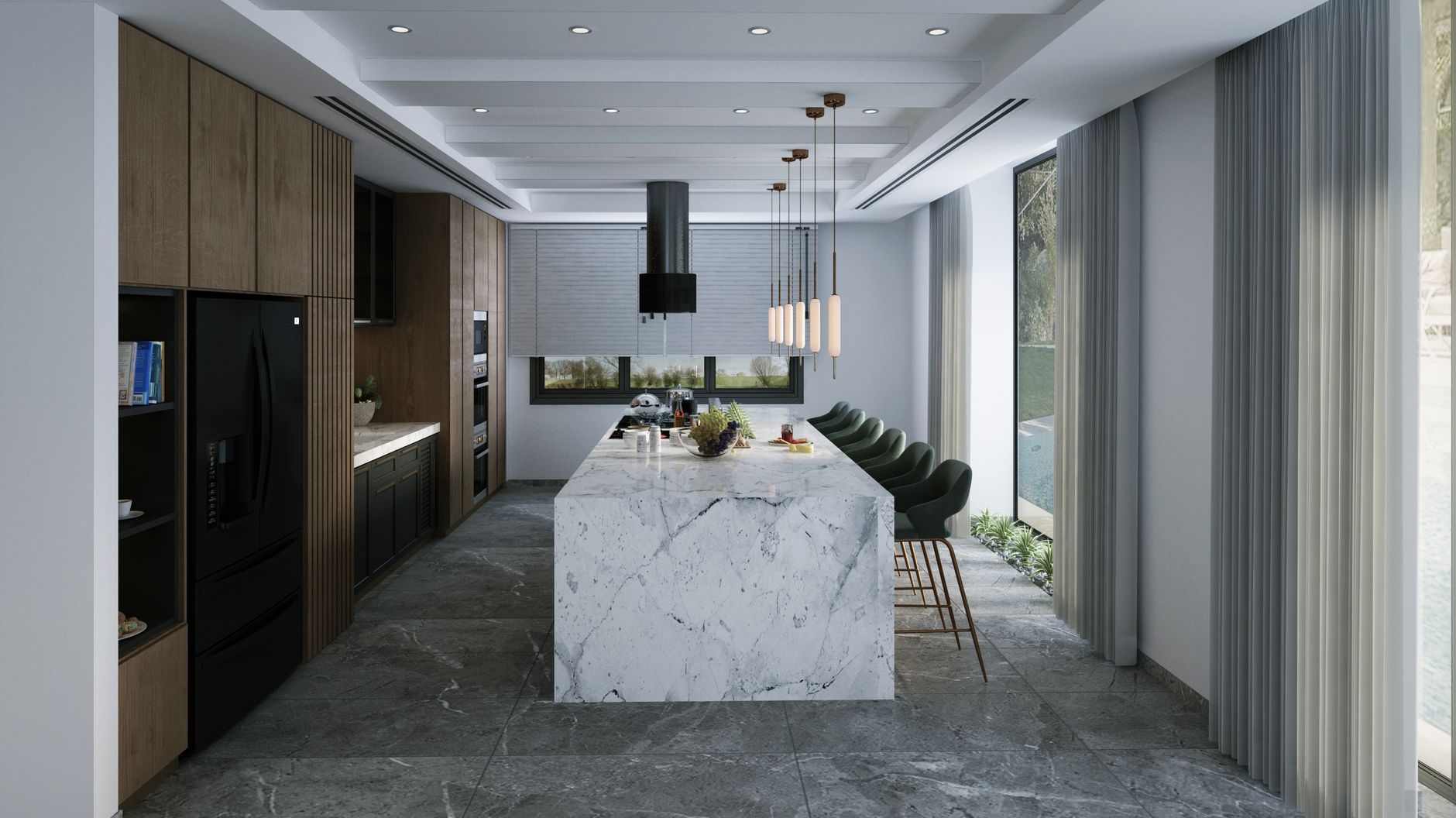
Contemporary designs mix simplicity with bold accents. Examples include:
- Matte cabinets
- Quartz countertops
- LED lighting
- Modern stools
- Mixed materials
Traditional Kitchen Island
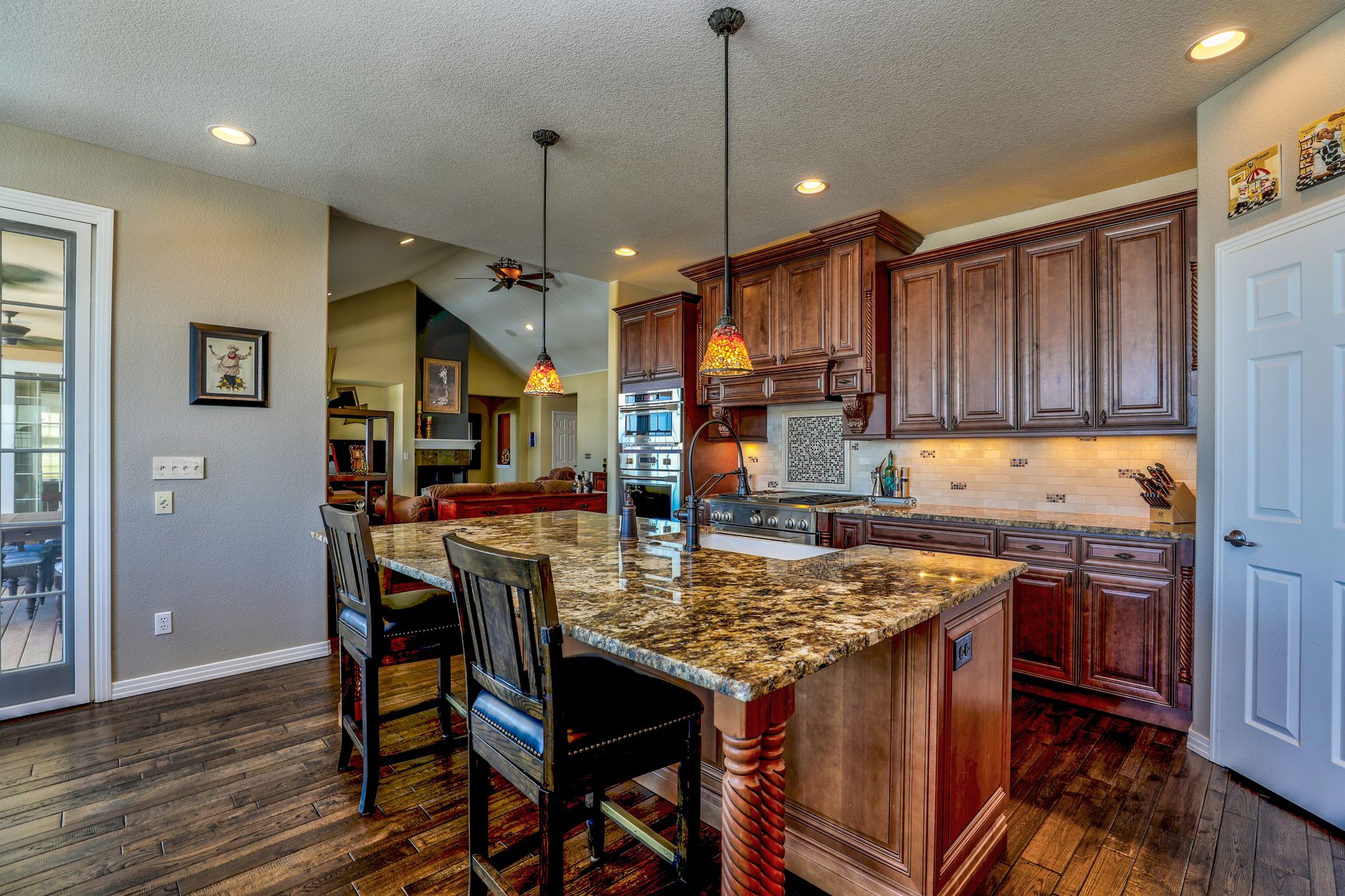
Traditional kitchens focus on timeless elegance. Design elements include:
- Decorative moldings
- Raised cabinet doors
- Marble countertops
- Rich wood finishes
Scandinavian Kitchen Island
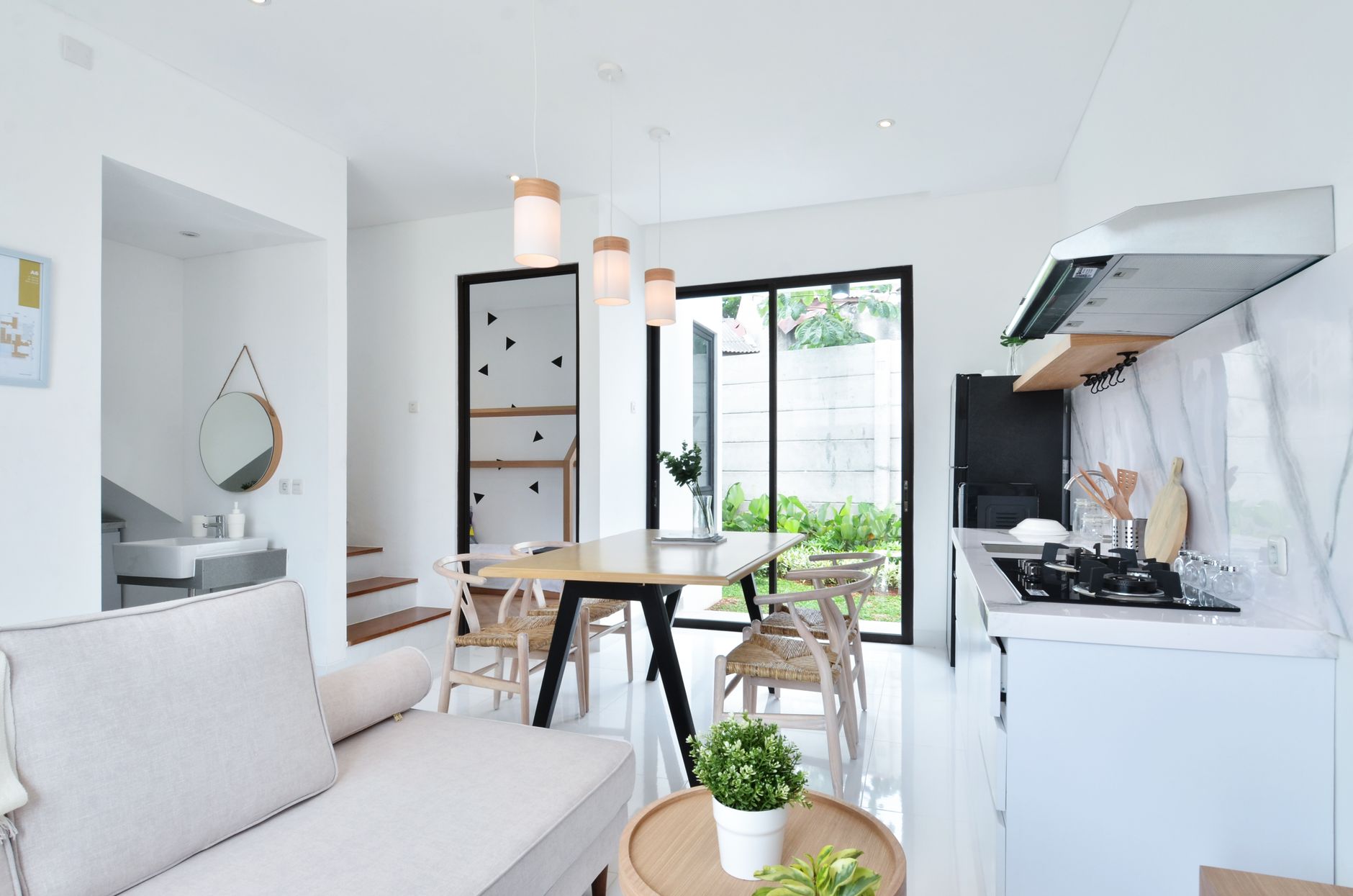
Scandinavian kitchens prioritize functionality and simplicity. Characteristics include:
- Light wood
- White cabinets
- Minimal decoration
- Bright interiors and natural textures
Seating Capacity & Sizing Guide
The size of your island determines how many people can sit comfortably:
- Seating for Two: Ideal for apartments, small homes, condos, and compact kitchens.
- Recommended island length: 4–5 feet
- Seating for Four: The most popular option for families—great for daily meals, casual entertaining, and homework stations.
- Recommended island length: 6–7 feet
- Seating for Six: Perfect for large kitchens, open floor plans, and entertaining large groups.
- Recommended island length: 8–10 feet
Best Kitchen Island Layouts
Choosing the right layout helps maximize both functionality and appearance:
- Single-Level Island: Everything remains on one countertop level. Offers a sleek appearance, easier cleaning, more continuous workspace, and better accessibility.
- Two-Level Island: One section is dedicated to food preparation while the raised area provides seating. Hides kitchen mess, separates work and dining, and creates visual interest.
- Waterfall Island: Waterfall countertops extend down both sides of the island using materials like quartz, marble, or granite for a high-end appearance.
- Curved Island: Softens the kitchen design and encourages face-to-face conversation. Best suited for spacious kitchens, luxury homes, and open-concept layouts.
Kitchen Island Shapes
Vertical lines, angles, and curves influence the entire layout of the room:
- Rectangular Island: The most versatile option suitable for almost every kitchen size.
- Square Island: Perfect for smaller, square-shaped kitchens and central gathering areas.
- L-Shaped Island: Provides substantial preparation space while separating cooking and dining zones.
- U-Shaped Island: Offers maximum storage and countertop area; ideal for spacious kitchens.
Modern Kitchen Island with Seating Ideas
If you’re designing a modern kitchen, consider these stylish ideas:
- Waterfall Quartz Countertops: Quartz is low-maintenance and visually striking. Popular colors include white, gray, black, and Calacatta-inspired patterns.
- Hidden Storage: Maximize storage with deep drawers, appliance garages, pull-out shelves, and built-in trash bins.
- Built-In Appliances: Integrate microwave drawers, beverage refrigerators, wine coolers, dishwashers, or induction cooktops to improve workflow.
- Integrated Charging Stations: Include hidden power outlets and USB ports to make it easy to charge devices while cooking or working.
Small Kitchen Island with Seating Ideas
Even compact kitchens can benefit from an island with these smart solutions:
- Slim Islands: A narrow island provides seating without overwhelming the room.
- Rolling Kitchen Islands: Mobile islands offer flexibility and can be moved when extra floor space is needed.
- Fold-Down Extensions: Extend the countertop when extra seating is required and tuck it away later.
- Open Shelving: Makes small kitchens feel lighter and more spacious while providing convenient storage.
- Light Colors: White and light gray finishes help reflect light and create the illusion of a larger space.
Luxury Kitchen Island Inspiration
Luxury kitchens often feature islands that serve as the main architectural centerpiece. Popular upgrades include:
- Oversized waterfall countertops in premium marble or quartz
- Statement pendant lighting and custom cabinetry
- Upholstered counter stools
- Built-in wine storage & smart appliances
- Premium brass or matte black fixtures
Best Countertop Materials for a Kitchen Island
The countertop is the focal point of every kitchen island. It should be durable, easy to maintain, and complement your kitchen’s style:
- Quartz Countertops: Non-porous, stain-resistant, scratch-resistant, easy to clean, and available in many colors and patterns. Excellent for busy families.
- Granite Countertops: Offers natural stone beauty, heat resistance, unique patterns, and exceptional long-lasting durability with proper sealing.
- Marble Countertops: Creates an elegant, high-end appearance best for luxury kitchens and classic interiors, though it requires more maintenance.
- Butcher Block Countertops: Brings warmth and character to the kitchen (oak, maple, walnut, birch). Ideal for farmhouse and rustic styles.
- Solid Surface Countertops: Offers a seamless appearance with integrated sinks and easy repairs for modern homes.
Choosing the Right Bar Stools
The seating you choose greatly impacts both comfort and style:
- Counter Height vs. Bar Height:
- Counter-height stools (24–26 inches) fit counters around 36 inches high.
- Bar-height stools (28–30 inches) fit counters around 42 inches high.
- Always measure your island height before purchasing.
- Upholstered Stools: Provide maximum comfort for longer meals and conversations. Ideal for family kitchens and open-concept homes.
- Wooden Stools: Create a classic look that pairs well with farmhouse, Scandinavian, and traditional kitchens.
- Metal Stools: Suit industrial and contemporary designs while offering durability and easy maintenance.
- Swivel Stools: Improve accessibility and make it easier to get in and out without pushing the stool backward.
Kitchen Island Lighting Ideas
Lighting enhances both functionality and atmosphere:
- Pendant Lights: The most popular choice. Hang them 30–36 inches above the countertop, space them evenly, and choose fixtures proportional to the island size.
- Recessed Lighting: Provides overall ambient illumination without visual clutter. Works great alongside pendant lights.
- LED Strip Lighting: Hidden LED strips under the countertop lip or toe kick add a modern, luxurious touch.
- Statement Chandeliers: Large chandeliers become a striking focal point in spacious, formal kitchens.
- Smart Lighting: Allows you to adjust brightness and color temperature using voice assistants or smartphone apps.
Custom Storage Ideas for Your Kitchen Island
Maximize every inch of available space by considering these functional storage additions:
- Deep drawers for pots and pans
- Pull-out spice racks & tray dividers
- Built-in recycling and trash bins
- Open shelving for cookbooks
- Built-in wine racks
- Appliance garages
- Hidden charging stations
- Integrated paper towel holders
- Pull-out pantry drawers
Budget-Friendly Kitchen Island Ideas
You don’t need a luxury budget to create a stunning kitchen island:
- Repurpose Existing Cabinets: Combine stock cabinets with a single countertop slice to create a custom-looking island.
- Add a Butcher Block Top: Butcher block offers warmth and affordability compared to natural stone.
- Paint the Base: A fresh coat of paint in navy, sage green, charcoal gray, white, or black can dramatically update an existing island.
- Install Open Shelves: Replacing lower cabinet doors with open shelving creates a lighter, more spacious look on a budget.
- Shop Ready-to-Assemble Islands: Many retailers offer budget-friendly, pre-fabricated islands that are easy to assemble at home.
Common Kitchen Island Design Mistakes to Avoid
Avoid these design pitfalls when planning your project:
- Choosing an Oversized Island: An island that is too large disrupts traffic flow and makes the kitchen feel cramped.
- Not Leaving Clearance Walkways: Always maintain at least 36–42 inches of clearance around all sides.
- Ignoring Seating Comfort: Provide at least 24 inches of width per seat so everyone has adequate elbow room.
- Poor Lighting Placement: Hanging pendant lights too high or too low affects both visibility and aesthetic balance.
- Forgetting Electrical Outlets: Adding outlets makes it much easier to use small appliances, bake, and charge devices.
- Choosing the Wrong Countertop: Select a material that fits your actual daily routine, maintenance preferences, and budget.
Kitchen Island Trends for 2026
Modern kitchen design continues to evolve. Here are the top trends for 2026:
- Waterfall quartz countertops
- Fluted wood island panels
- Mixed-material designs (e.g., stone paired with natural wood accents)
- Curved island edges and softer geometries
- Built-in beverage and coffee centers
- Integrated charging stations & smart lighting systems
- Matte black fixtures and two-tone cabinetry
- Eco-friendly, sustainable materials
Frequently Asked Questions (FAQs)
1. What is the ideal size for a kitchen island with seating?
A standard island is typically 6–7 feet long to comfortably seat four people, though the ideal size depends on your overall kitchen layout and available floor space.
2. How much space should be left around a kitchen island?
Experts recommend leaving 36–42 inches of clearance space around all sides of the island. Larger kitchens with multiple cooks benefit from 48 inches.
3. What is the best countertop material for a kitchen island?
Quartz is the most popular choice because it is non-porous, durable, low-maintenance, and available in many design options. Granite, marble, and butcher block are also great choices based on personal style.
4. Can a small kitchen have an island with seating?
Yes! Slim islands, rolling cart islands, and fold-down breakfast bars make it easy to incorporate seating into smaller kitchen footprints.
5. How many seats fit on a kitchen island?
Allow 24 inches of width per person. A 4–5 foot island generally seats two people, while a 6–7 foot island comfortably seats four.
6. Are waterfall countertops worth it?
Waterfall countertops create a premium, high-end appearance while protecting the ends of your cabinetry from scratches and scuffs, making them a worthwhile investment for modern homes.
7. Which lighting is best above a kitchen island?
Pendant lights are the top choice because they provide focused task lighting directly onto the workspace while serving as a beautiful decorative element.
8. Does a kitchen island increase home value?
Yes. A well-designed kitchen island with seating adds functional prep space, storage, and seating, making it a highly desirable feature for potential buyers.
Conclusion
A well-designed kitchen island with seating is more than just an extra countertop—it becomes the true centerpiece of your home. It provides practical workspace, clever storage solutions, comfortable seating, and a welcoming area for family and friends to gather.
Whether you prefer a modern island with a waterfall quartz countertop, a cozy farmhouse look with warm butcher block, or a clever compact solution for a smaller kitchen, there are options available for every layout and budget.
Before launching your project, carefully evaluate your kitchen layout, traffic space, seating requirements, lighting, and storage needs. By choosing durable materials and avoiding common design mistakes, your island will remain stylish, functional, and inviting for years to come.
2 thoughts on “Kitchen Island with Seating: The Complete Guide to Stylish and Functional Kitchen Design”