
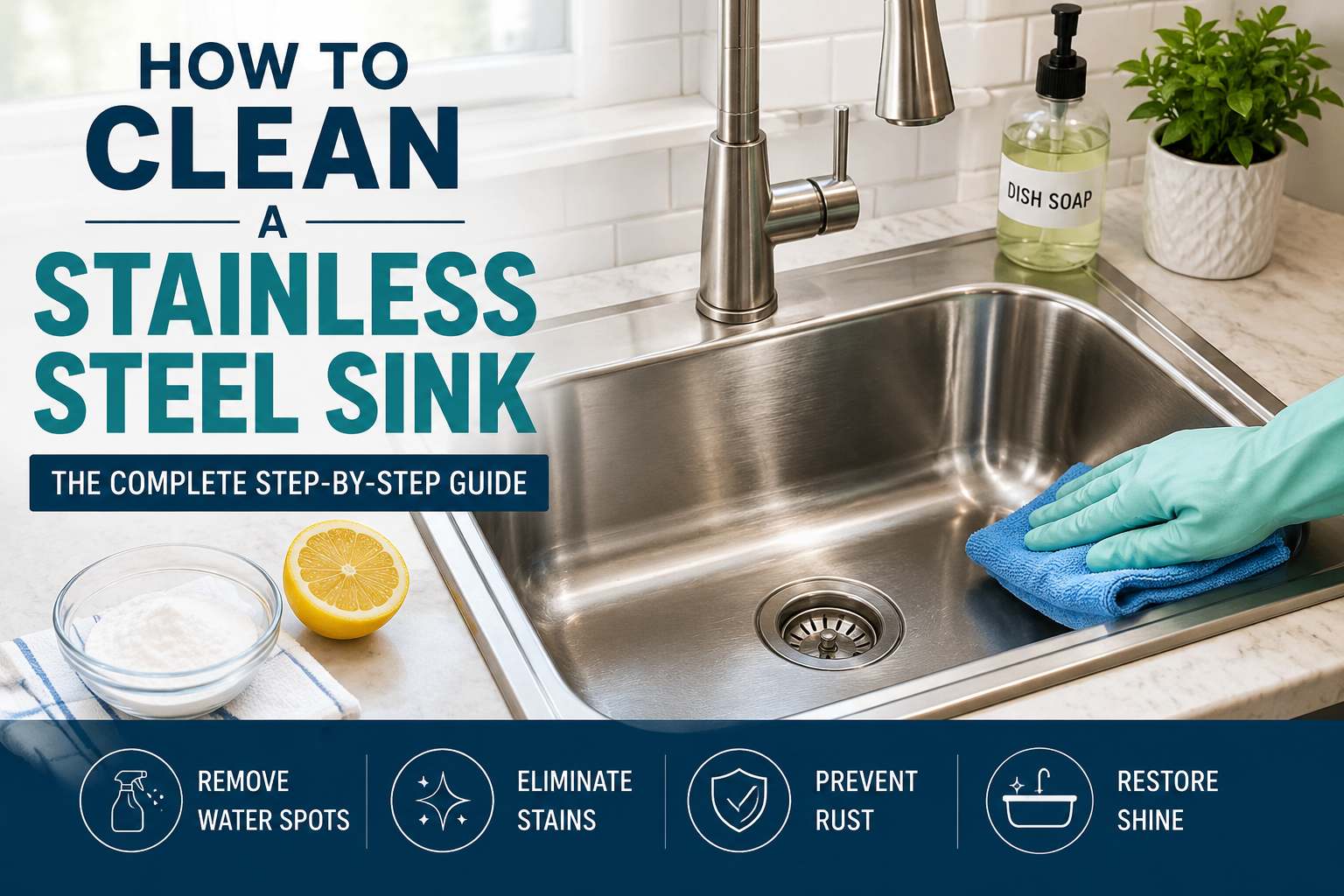
A stainless steel sink gives your kitchen a bright look. It also gives your kitchen a modern, professional look. To maintain a stainless steel sink, routine cleaning and adequate maintenance are required. Moreover, a stainless steel sink is a mainstay of modernity in every kitchen. They are prized owing to their durability and stylish design. But the most concerning question is how to clean a stainless steel sink, whether it is new or used. Everyone, including us, is very concerned about washing and keeping the centerpiece of our kitchen clean. However, without proper care, a stainless steel sink can lose its luster, develop stains, and corrode. Furthermore, stainless steel needs proper maintenance to prolong its life and durability.
In this article, we share the best tips for daily and weekly maintenance, so your stainless steel sink remains beautiful. This guide also provides 10 easy cleaning tips to keep a stainless steel sink flawless and germ-free. So, let’s get started here:
What are the essentials for cleaning a steel sink regularly?
Cleaning a kitchen’s steel sink is an essential task for keeping its shine and durability. Over time, food particles, soap scum, and hard water deposits might dull the surface of the sink. Moreover, a dirty sink can be a happy place for germs to grow. So, you should clean your stainless steel regularly to ensure proper hygiene and keep odors at bay. It will preserve the visual attractiveness of your kitchen countertop.
How to clean stainless steel sink: Essential Products properties
Many of us are not well aware of how to keep a stainless steel sink perfect and stain-free. So, here we are mentioning some essentials to keep a perfect-looking sink in your kitchen. Moreover, it is easy to see that stainless steel can show slight signs of use over time.
1: Normal scratches:
At the start, tiny scratches may stand out, and if they run across the grain, they represent a natural feature of the material.
2: Regular use reduces scratches:
Over time, some scratches fade, giving the surface a uniform satin finish.
3: Using Microfiber cloths:
Light rubbing with a microfiber cloth will help create a more even surface.
4: New sinks are sensitive
When you are installing a new stainless sink, the first month may be very sensitive because scratches may be more visible. With time, the stains become less noticeable, and the sink develops its all-good satin finish.
How to clean a stainless steel sink: Steps for regular maintenance?
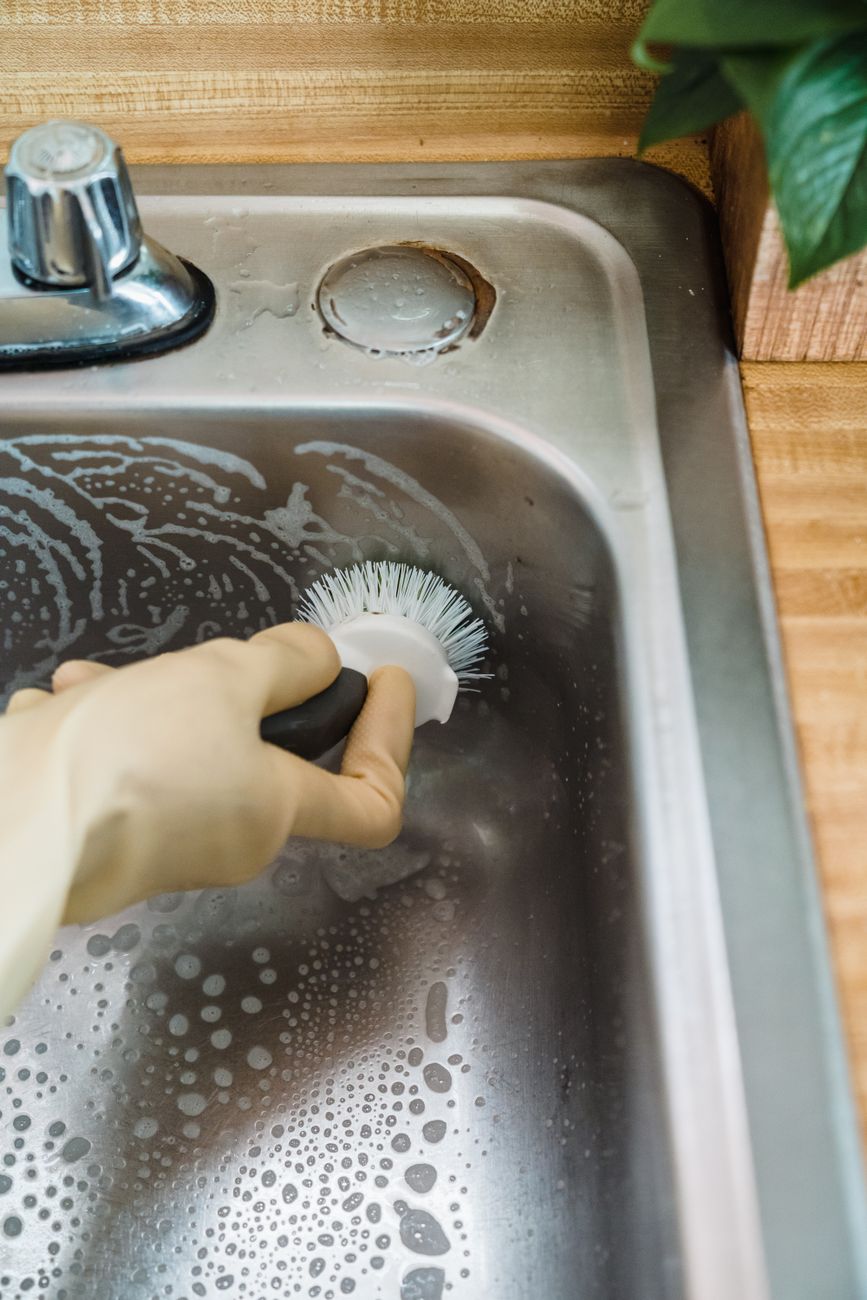
You need a few minutes a day to keep a stainless sink in top condition:
1: Daily wash the sink with warm water and soft dish soap after use.
2: You can easily dry with a soft cloth or microfiber cloth to prevent water stains.
3: Make sure that you always rub in the direction of the grain to minimize the chances of scratches.
Weekly maintenance:
It’s very important to clean your stainless sink thoroughly every month. Moreover, you can do the best cleaning and protection procedure to maintain the sink periodically. Also, you must use a mild dishwasher or a kind of organic polish paste:
1: You can easily apply a small amount of dishwasher with a microfiber cloth.
2: Always rub the cloth in the direction of the grain.
3: Rinse and then dry the sink properly.
4: It can give your sink a new life, deep cleaning, protection, and long-lasting shine.
Best products to use on stainless steel Sink surfaces?
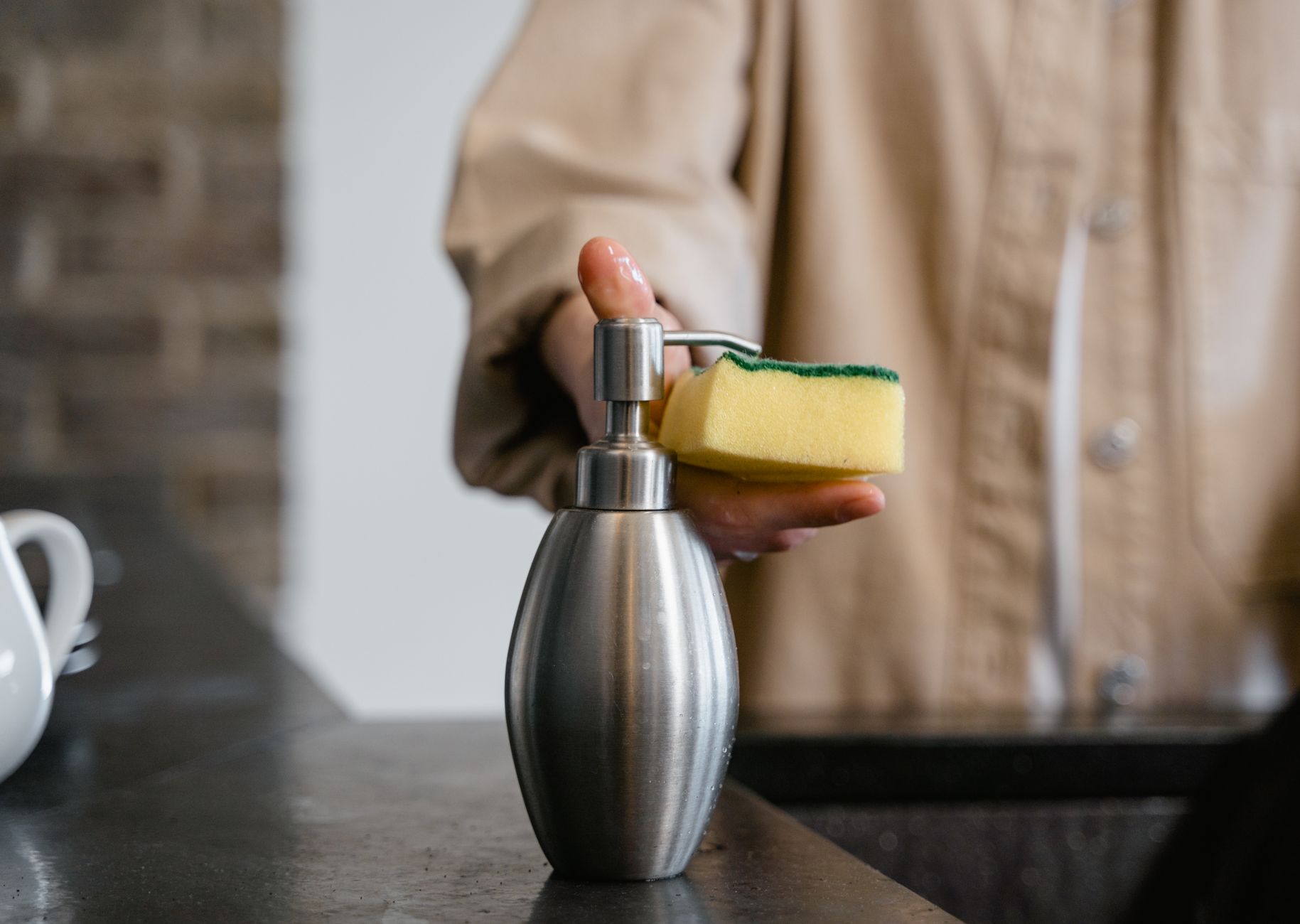
We may need very few cleaning solutions. But you should buy the best and organic sink cleaners for washing purposes. In this way, you can easily handle many situations for years.
1: You need baking soda or a vinegar solution for gentle abrasion and odor control.
2: Moreover, you can use a mild-tone liquid dish soap for removing grease stains.
3: Also, use distilled white vinegar with lime scale for removing water spots.
4: You can easily use a soft nylon brush for rubbing the stainless steel sink.
5: Always keep two microfiber cloths, one for washing and one for drying purposes.
6: Wear rubber gloves for rubbing and washing the sink.
Problem solvers washing solution: How to clean stainless steel sink
1: You can use Oxalic acid powder cleanser solution for bar users’ sinks for rust dots and deep stains.
2: Use 3% hydrogen peroxide or 70% isopropyl alcohol for sanitizing tough stains.
3: You can do enzyme drain treatment for long-term drain maintenance of your sink.
4: Moreover, when you use a non-woven scouring pad in the softest grades for blending scratches on satin-finish sinks.
5: A single mild powder plus dish soap works better for your everyday kitchen sink cleaner. Also, we do not need a shelf of branded or expensive sprays.
How to clean a stainless steel sink in 12 easy steps:
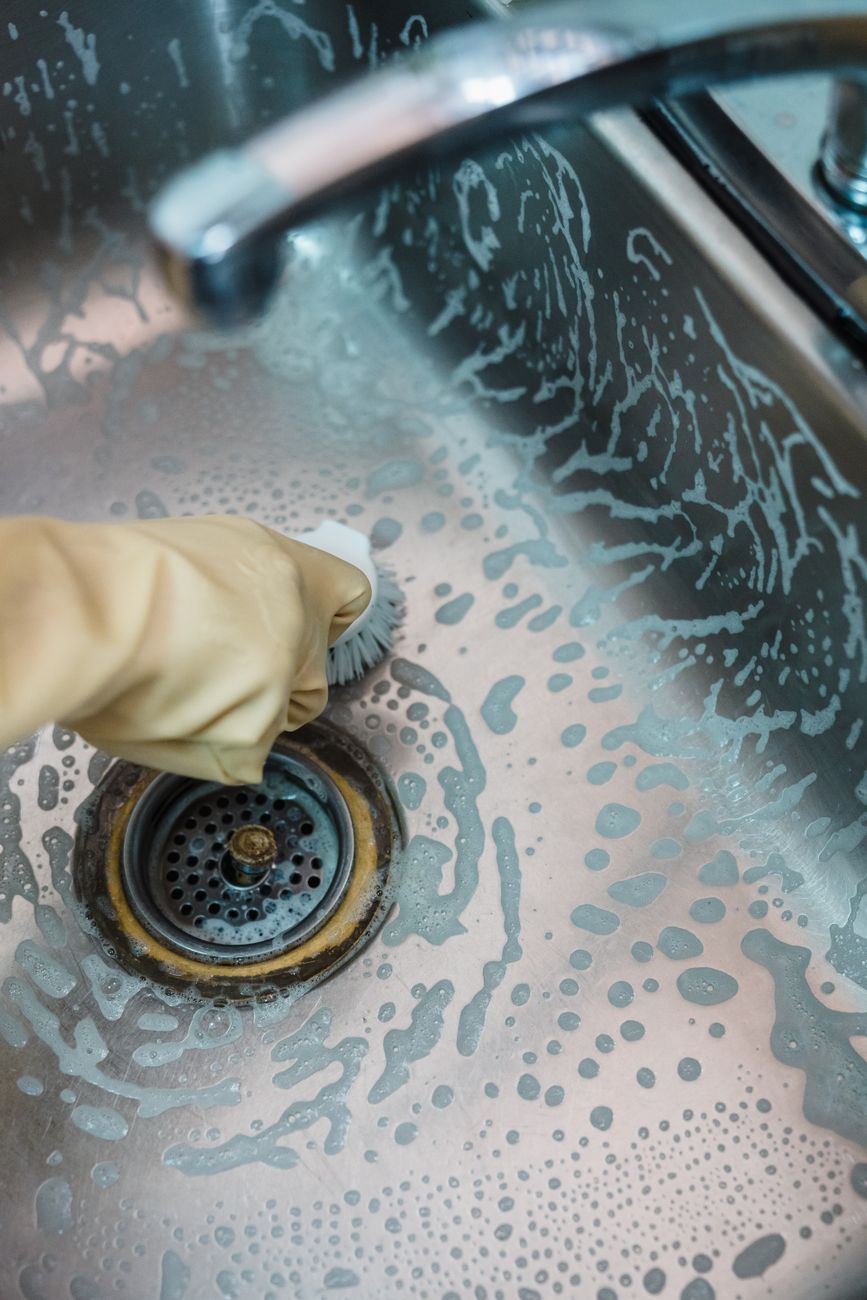
1: Starting with an empty sink:
Clear out all the dishes, pots, and pans from your kitchen’s sink. Also, wash out all the dishes and plates, then clear the dishes from the dishwasher.
2: Clear out the garbage disposal:
If the kitchen’s sink has a disposal, remove any visible gunk or debris, then clear out all the garbage from it. Also, toss a handful of ice cubes, a splash of vinegar, and a scattering of baking soda in the dustbin so germs are easily killed or removed.
3: Using Baking Soda:
If you’re wondering how to remove stains from steel sinks, try baking soda; it is a genuine solution for removing all types of stains.
Moreover, you can choose mild abrasiveness, which helps to remove stains without scratching the sink. Furthermore, you can easily sprinkle the baking soda evenly across the dishwashing area, then scrub gently with a sponge. Also, rinse with warm water for a sparkling finish.
4: Apply Vinegar with Lime:
Sometimes hard water may leave mineral deposits, and they can cause unsightly stains. So, spray white vinegar over the steel sink. Moreover, let the sink sit for 5-10 minutes. However, you can scrub slightly and then rinse thoroughly to reveal a clean sink.
5: Clean with dishwashing gel:
For daily cleaning, pour mild dish soap into warm water. This simple routine prevents bacteria buildup and keeps the sink fresh and new. Also, we can use a soft sponge to avoid scratches and provide a gentle clean.
6: Removing Corrosion Stains from Stainless Steel Sink:
Corrosion occurs when metallic objects are exposed to water for a long time. To remove corrosion stains, you can easily mix baking soda and water into a paste. Then apply baking soda to the corroded spots and gently scrub with a soft microfiber sponge to tackle this. Moreover, it is a safe and effective way to remove stains from your stainless steel sinks.
7: Using a Microfiber Cloth to Polish and Shine:
After cleaning the sink, you can easily wipe stains with a microfiber cloth to dry and buff the surface. Moreover, this step is very useful if you want to know how to polish and shine a stainless steel sink. Also, microfiber cloths are very soft, and they can prevent streaking and leave the sink gleaming.
8: Avoid Chemical Cleaners and Scrubbers:
Always avoid abrasive and harsh cleaners for your kitchen sink because they can steal your sink’s shine and leave scratches and stains.
Moreover, don’t use steel wool for the sink because it can scratch it. Never compromise its protective finish. Furthermore, use and stick to gentle, non-abrasive options to maintain its ever-polished look.
9: Dry sink after every use:
This is the easiest way to prevent water spots and stains from your Kitchen sink. Also, you can dry the stainless steel sink after every use. Moreover, you can use a clean towel or cloth to wipe down the sink. However, keeping a spotless, streak-free sink is the ultimate desire of everyone.
10: Using a Stainless Steel shiny cleaner:
For an extra touch of shine, you should invest in a stainless steel shiny cleaner. Moreover, these products are not so expensive, and their special formula enhances shine and removes stubborn stains. Also, you should apply shiny cleaner thoroughly and polish with a soft cloth.
11: Daily examination for Hard Water deposits:
Hard water is not a simple problem, and it can lead to mineral accumulation over time. You can also inspect the sink daily for signs of deposits. Furthermore, clean all the spots and stains with vinegar or a commercial descaling product.
12: Deep Clean Sink Every Week:
Deep cleaning is an important part of preserving hygiene with regular cleaning. You can also combine baking soda, vinegar, and dish soap for an all-in-one cleaning solution. However, you should scrub, rinse, and then dry for a refreshed sink.
How to clean stainless steel sink: Importance of cleaning your kitchen’s sink:
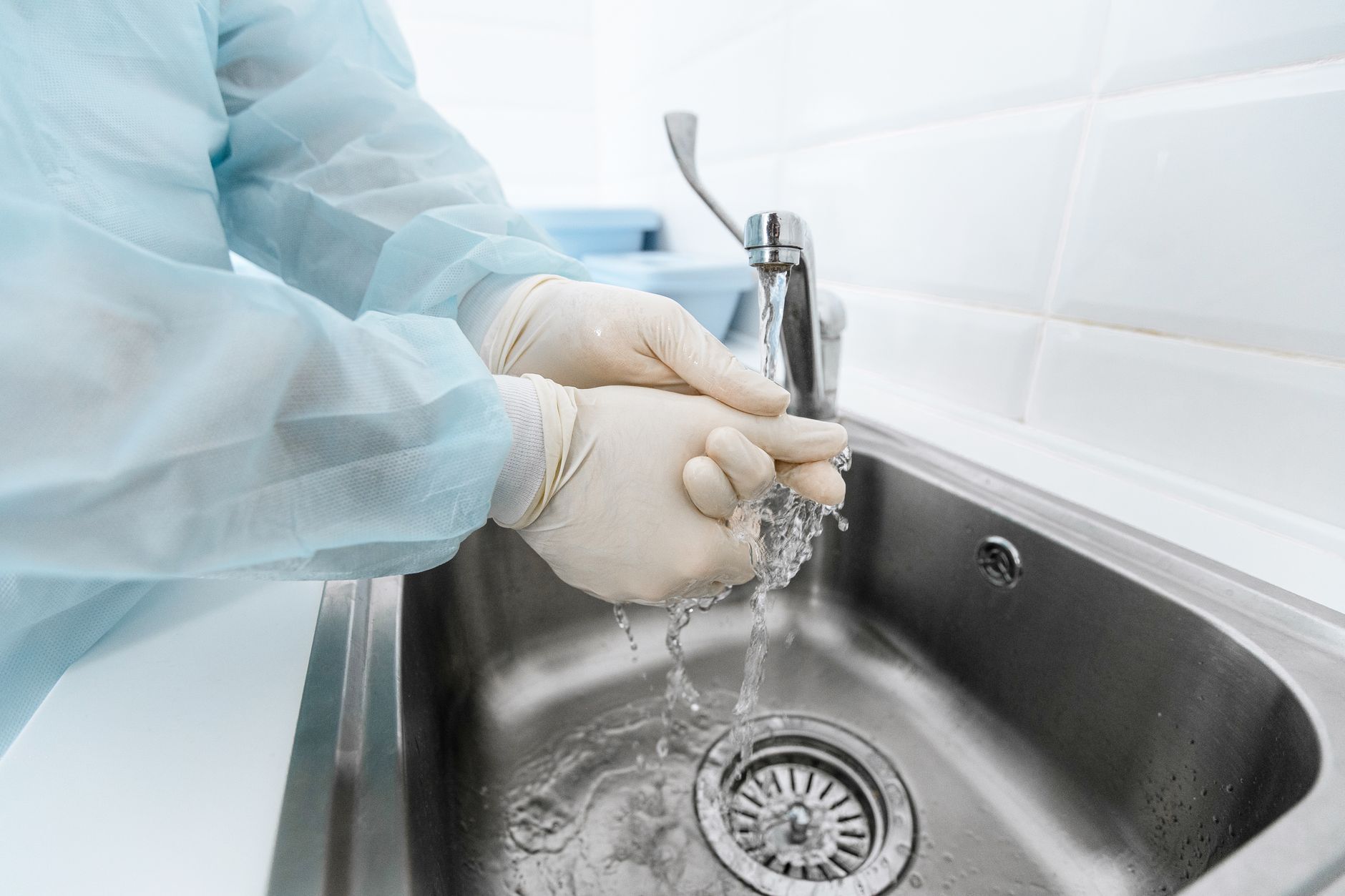
A homemaker can easily maintain a clean and tidy stainless steel sink, which goes above aesthetics and classic.
Here are some reasons why regular cleaning is vital for everyone’s kitchen:
1: Reducing surface buildup:
Daily cleaning is vital in every kitchen because it prevents residue from building up and dulling the sink’s appearance. Moreover, surface buildup can lead to difficult-to-remove stains, which can become a major problem.
2: Eliminating bad odors
Sometimes we may forget to clean Leftover food particles from the stainless steel sink. Also, we may be in such a hurry that we cannot wash dishes and plates. Moreover, soap washing residue can cause unpleasant smells on the plates. Therefore, a regular cleaning process keeps odors at bay and assures a fresh-smelling kitchen.
3: Preventing Stains:
If you want to know how to clean stainless steel kitchen sinks effectively, frequent maintenance is necessary. However, with proper care, you can easily prevent stains and discoloration caused by water and food debris.
4: Prolong the Sink’s Lifespan:
A neat and clean sink resists corrosion and scratches, which prolongs sink life and functionality.
Most Frequently Asked Questions
1: How do you remove stains, rust spots, and light scratches on the sink?
Ans: You can use a microfiber cloth or soft sponge with a small amount of sink Polish Paste. Moreover, you should always rub in the direction of the grain, which will gradually reduce small scratches and restore the steel sink’s even satin finish.
2: Can you use vinegar on a stainless steel sink?
Ans: Only in diluted soapy form, and you always rinse well afterward. Moreover, you can mix pure vinegar, which can damage the protective layer of the steel sink.
3: Can you use oil to make a steel sink shine?
Ans: Yes, we can use a small amount of vegetable oil (such as sunflower or olive oil) on the steel sink. Also, this vegetable oil will give the stainless steel sink temporary shine. Moreover, you must apply a few drops of oil to a soft microfiber cloth and then rub lightly over the surface. Furthermore, it will create a beautiful shine and help to remove light stains.
4: What are the best cleaning products for a stain-free kitchen sink?
Ans: Dish soap
Baking soda
Nylon scrub brush
Vinegar (white or cider)
Spray bottle
Cream of tartar
Microfiber cloth
Olive oil
5: What are common mistakes of cleaning a stainless steel sink?
Ans: There are some common mistakes to avoid when cleaning a sink
1: Using an Abrasive Scrubber.
2: Using a Multi-Surface Cleaner gel or liquid
3: Using Concentrated or strong Vinegar
4: Air-Drying.
The Final Words:
Cleaning a stainless steel sink is a tricky problem, but with the right steps, we can easily sort it out. Moreover, a shiny and spotless sink can add to the general aesthetic of the kitchen. Therefore, by following some easy steps, you can get an energetic look in your kitchen. By using these steps, you can easily invite friends to cook and entertain.
Furthermore, you can easily understand all the steps to clean stainless steel sinks and make your sink into a gleaming focal point in the kitchen.
1 thought on “How to clean a stainless steel sink: The complete step-by-step guide”