
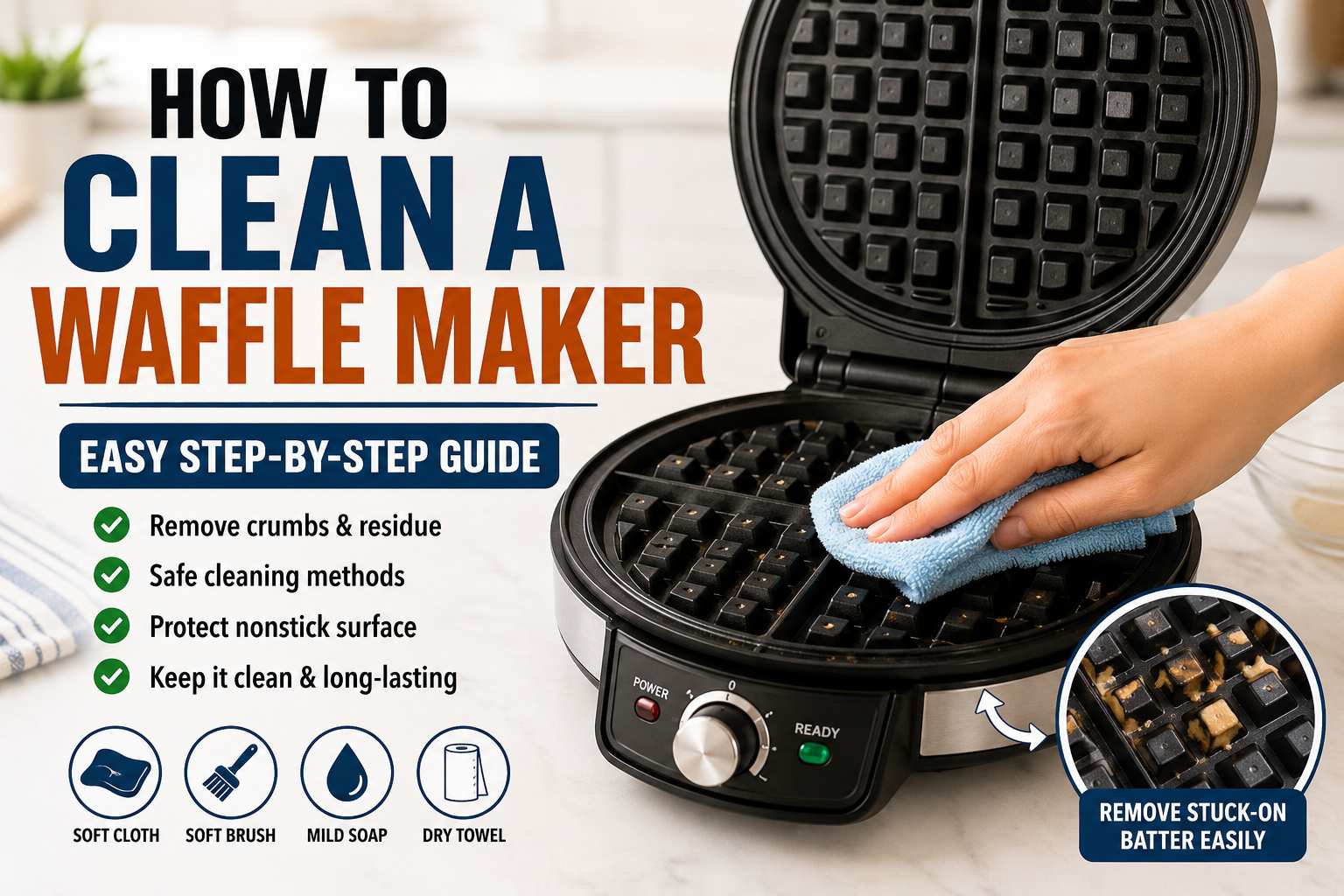
Learning how to clean a waffle maker is really important for keeping your appliance clean and safe to use. You want to make sure your waffle maker is hygienic and that it does not have stuck-on batter because that can be a pain to deal with. Whether you use your waffle maker every weekend or just sometimes, cleaning it regularly can help remove crumbs, grease, and baked-on residue before they become hard to clean. The good thing is that cleaning a waffle maker does not require expensive products or complicated techniques. With the right method, you can keep your appliance clean, safe, and ready for your next breakfast.
A waffle maker has lots of grooves and raised sections where batter, oil, and crumbs can easily get stuck. These areas can be hard to reach with standard cleaning tools. Using too much water or the wrong tools can also damage the cooking surface. This guide will show you the easiest way to clean your waffle maker, including what supplies you need, how to remove stubborn residue, and how often you should clean your appliance.
1. Why Cleaning Your Waffle Maker Matters
Your waffle maker comes into contact with food, so keeping its cooking plates clean is essential. Small pieces of leftover batter can become hard and dark when the appliance is heated repeatedly. Grease can also build up around the grooves, creating odors and affecting the flavor of your waffles.
Regular cleaning can also help protect the nonstick coating. When food is repeatedly allowed to burn onto the surface, you may be tempted to scrape it. This can cause scratches and gradually reduce the effectiveness of the nonstick surface.
Another good thing about cleaning your waffle maker regularly is convenience. Removing residue right after cooking is usually much easier than trying to remove several layers of hardened batter later.
2. What You Need Before Cleaning
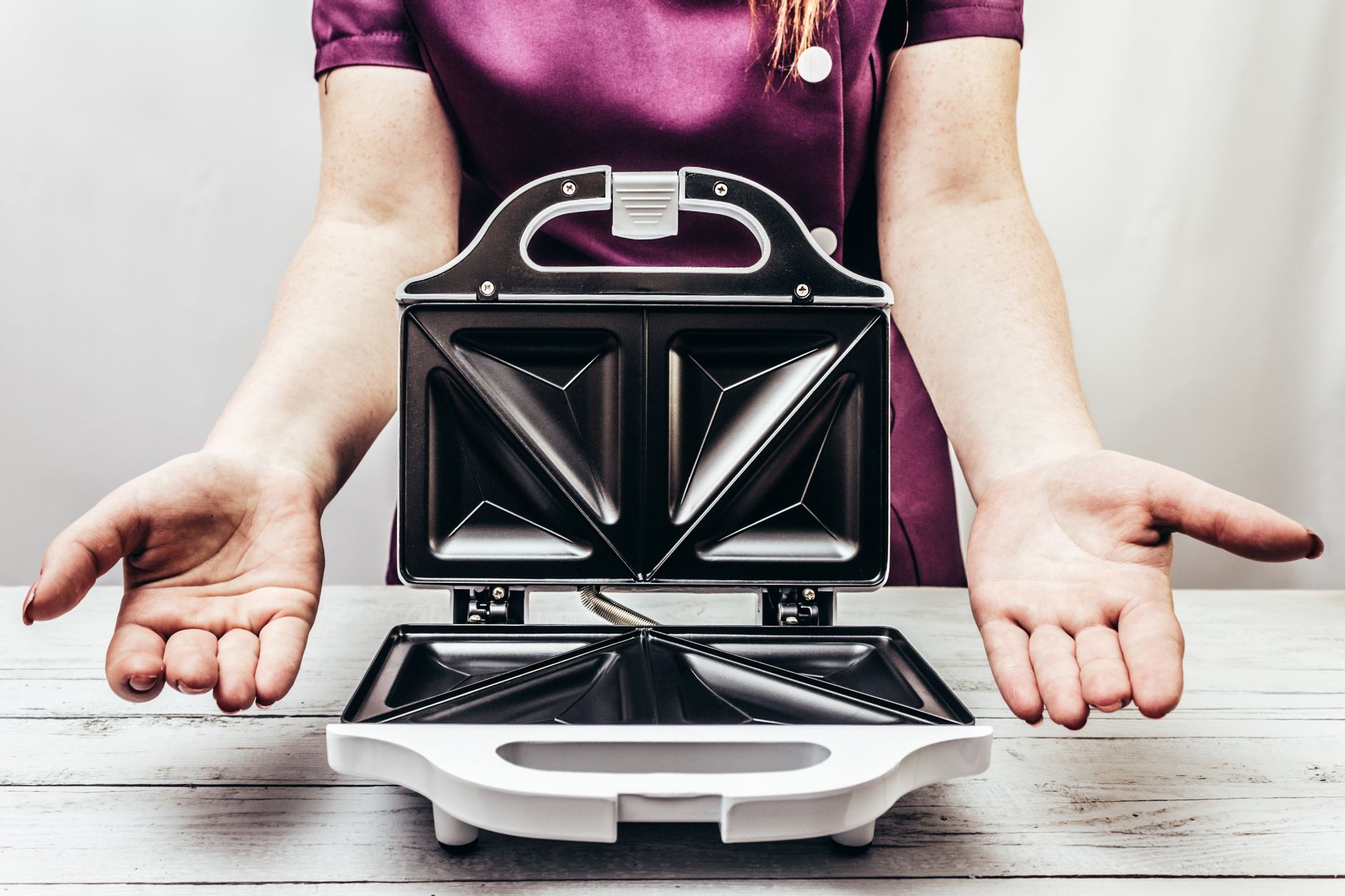
Before you start cleaning, you need to gather a few basic household supplies. In most cases, you will not need special cleaning products.
Recommended Supplies:
- A soft, damp microfiber cloth
- A soft sponge
- Paper towels
- A soft-bristled cleaning brush
- Wooden or silicone utensils
- Mild dish soap
- Warm water
- A dry towel
Important: Do not use steel wool, metal knives, or harsh chemical cleaners. These can scratch or strip the cooking surface, especially if your waffle maker has a nonstick coating.
Always check the manufacturer’s instructions before cleaning. Some waffle makers have plates that can be washed separately, while others have electrical components that should never come into contact with water.
3. How to Clean a Waffle Maker After Every Use
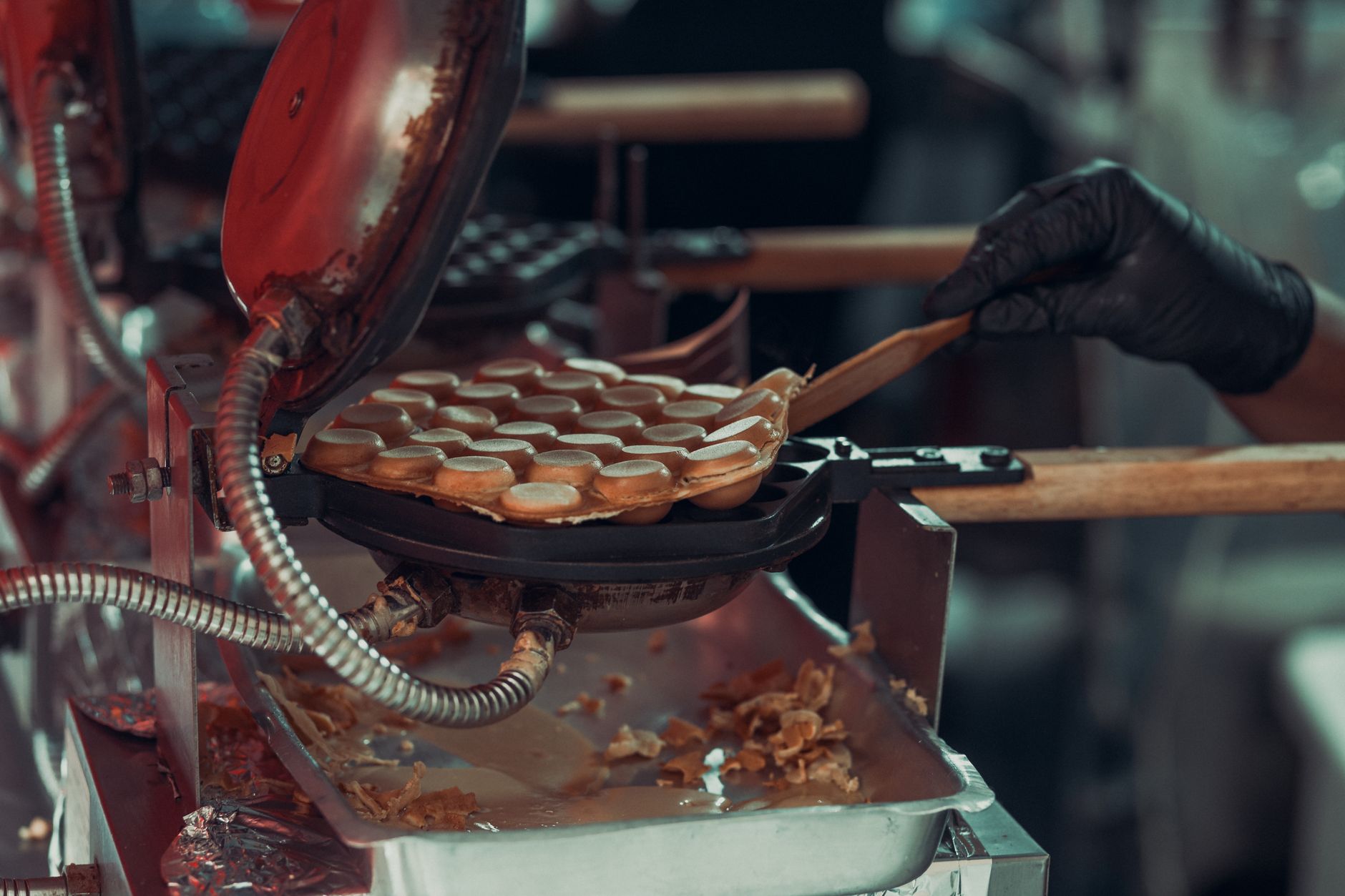
The best way to keep your appliance in good condition is to clean it after each use. You do not need to do a deep cleaning every time; following these basic steps will keep it fresh.
Step 1: Unplug the Waffle Maker
Safety should always come first. Turn off the appliance and unplug it from the electrical outlet. Never try to clean a connected waffle maker with a wet cloth, as this can increase the risk of electrical shock or short-circuiting.
Step 2: Let It Cool Down
Let the appliance cool until it is warm or completely cool to the touch. You should not pour water onto a hot waffle maker—sudden temperature changes can damage materials, and hot surfaces can cause burns. However, do not wait for hardened batter to become ice cold. If the manufacturer’s instructions permit it, slightly warm residue is often easier to remove.
Step 3: Remove Loose Crumbs
Open the waffle maker and gently remove loose waffle pieces and crumbs. Turn the appliance carefully if necessary, but never shake it aggressively. A soft brush can help sweep crumbs out of the deep grooves. This simple step prevents food particles from mixing with grease and becoming harder to remove later.
Step 4: Wipe the Cooking Plates
Use a slightly damp cloth or sponge to wipe the cooking surfaces. If there is only a small amount of residue, plain warm water may be enough. For greasy surfaces, use a tiny amount of mild dish soap on the cloth if your manufacturer’s instructions allow it. Do not soak the cooking plates unless they are specifically designed to be removed and washed.
Step 5: Clean the Grooves Carefully
The grooves are usually where most of the difficult residue collects. A soft toothbrush or small bristled brush can help reach narrow areas. Work gently rather than applying excessive pressure. For stuck-on food, place a damp cloth over the affected area for a short period to soften the residue before wiping it away.
Step 6: Wipe Away Soap Residue
If you used dish soap, wipe the plates again with a clean, damp cloth. This step is important because leftover soap can affect the taste of your next batch of waffles.
Step 7: Dry Everything Completely
Use a dry towel to remove remaining moisture. Leave the waffle maker open for a while so any hidden dampness can evaporate before storing it away.
4. Specialized Cleaning Techniques
How to Remove Stuck-On Waffle Batter
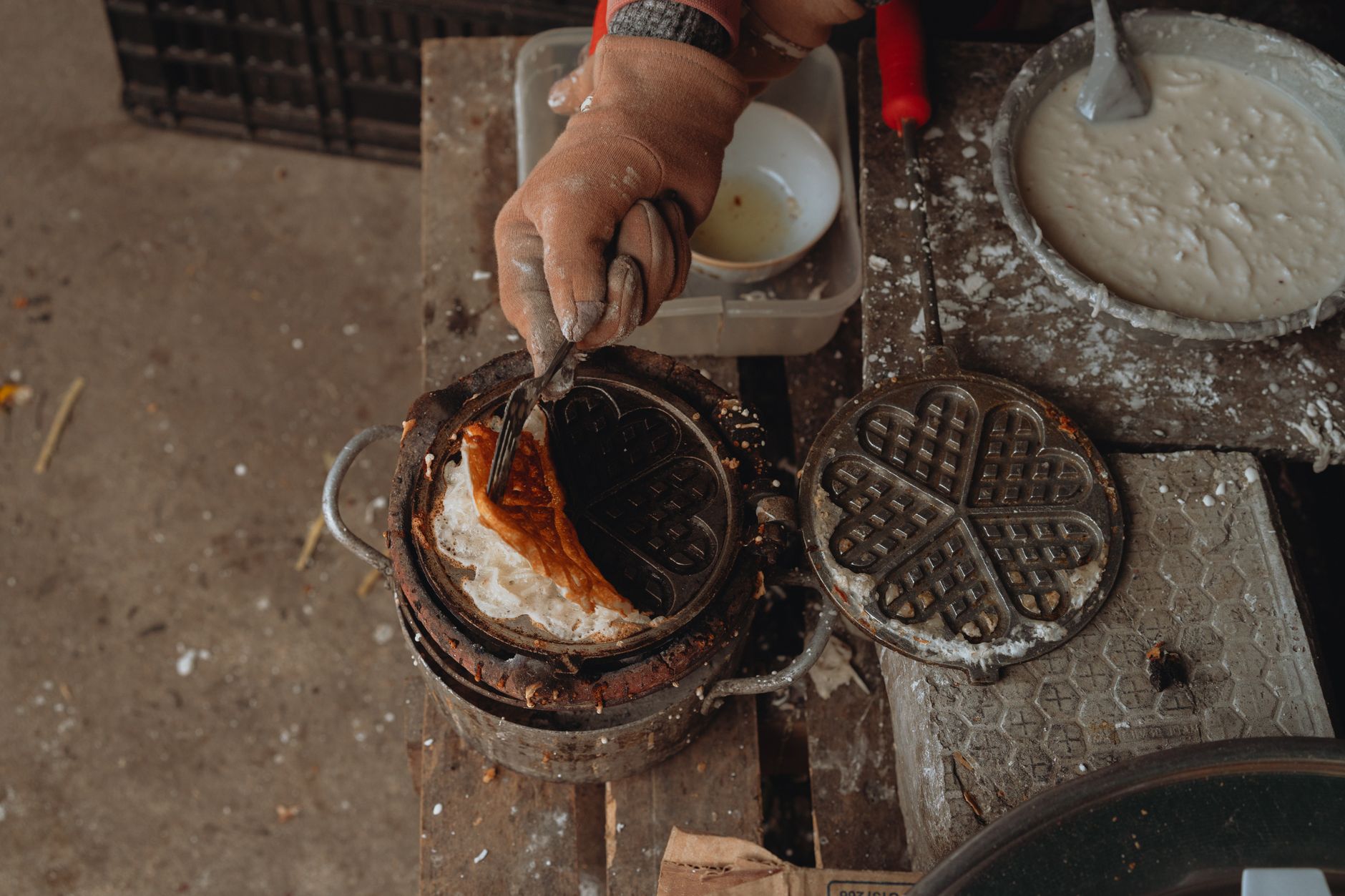
Sometimes batter escapes from the cooking plates and becomes baked onto the surface. This can happen when too much batter is added or when a waffle is overcooked. The best approach is patience rather than aggressive scraping.
- Unplug the appliance and let it cool.
- Place a damp, warm cloth over the stubborn area for several minutes so the moisture can soften the hardened food.
- Once the residue becomes softer, gently wipe it away.
- Repeat the process if necessary instead of trying to force everything off at once.
A wooden or silicone utensil may help gently lift stubborn pieces, but never use a metal knife or fork on a nonstick cooking surface.
How to Clean Without Damaging the Nonstick Coating
Nonstick waffle plates require gentle care. The coating is designed to prevent food from sticking, but it can easily become scratched by sharp or abrasive tools. When cleaning a nonstick surface, the main rule is to clean gently. Avoid metal scrapers, steel wool, or harsh chemical cleaners. Instead, stick to soft cloths, non-abrasive sponges, and soft brushes.
What About Burnt Grease?
Burnt grease can be more difficult to remove than dry crumbs. Avoid using heavy chemical cleaners, as waffle maker plates may be sensitive to harsh formulas. Instead, unplug the appliance, let it cool, and gently soften the residue using a damp cloth or soft sponge. Repeat the process multiple times if necessary. For removable plates approved for washing, soaking briefly in warm water with mild dish soap can help loosen grease safely.
5. Cleaning Specific Parts and Features
Can You Use Soap on a Waffle Maker?
Whether you can use soap depends on your specific appliance. Some manufacturers recommend only a damp cloth for fixed cooking plates, while others permit mild dish soap. Always follow the cleaning instructions provided with your model.
If mild dish soap is permitted:
- Use a very small amount.
- Apply it to the damp cleaning cloth or sponge rather than pouring it directly onto the appliance.
- Wipe the surface thoroughly with a plain damp cloth afterward to remove any soap residue.
Can You Put a Waffle Maker Under Running Water?
Generally, you should never place an entire waffle maker under running water. Water can enter the electrical housing and create a serious safety hazard. Even when the cooking plates look seamless, the appliance itself is not designed for immersion.
How to Clean Removable Waffle Plates
If your waffle maker features removable plates, maintenance is significantly easier:
- Unplug the appliance and let it cool completely.
- Remove the plates according to the manufacturer’s instructions.
- If hand-washing is permitted, wash the plates in warm water with a small amount of mild dish soap using a soft sponge.
- Rinse thoroughly and dry completely before reinstalling them.
- If the manufacturer explicitly states that the plates are dishwasher-safe, you can place them on the top rack. Always verify with your appliance manual first.
How to Clean the Exterior
The outside of the appliance can accumulate fingerprints, grease, flour, and batter splatters. Unplug the appliance and wipe the exterior with a soft, damp cloth. For sticky spots, a small drop of mild dish soap can be applied to the cloth. Never spray cleaner directly onto the housing, as liquid may enter the electrical openings. Pay special attention to handles, indicator lights, and edges, then dry with a towel.
How to Clean Around the Hinges
The hinge area can collect crumbs and grease, especially on waffle makers that open wide or flip. Use a slightly damp, soft-bristled brush to remove loose particles. A cotton swab can also help clean hard-to-reach crevices. Do not force tools into small gaps where they could damage internal wires or components.
6. Common Cleaning Mistakes to Avoid
Knowing what not to do is just as important as knowing the proper steps:
- Using Too Much Water: Never submerge or over-saturate your waffle maker. Excess liquid can seep into internal electrical components and ruin the unit.
- Scraping With Metal: Never use metal utensils, knives, or steel wool. They will scratch and permanently ruin the nonstick coating.
- Using Harsh Chemicals: Avoid products like oven cleaners, bleach, or abrasive scouring powders, which can ruin the finish and leave toxic residue behind.
- Cleaning While Plugged In: Always unplug the unit first to eliminate the risk of electrical shock.
- Storing It While Damp: Trapped moisture leads to mold, unpleasant odors, and internal rust. Ensure the unit is completely dry before storing.
- Ignoring Small Spills: Clean up small drips immediately after the unit cools; letting them bake on repeatedly makes them much harder to clean later.
7. Maintenance & Deep Cleaning
How Often Should You Clean a Waffle Maker?
- After Every Use: Wipe down the cooking plates and exterior to remove fresh oils and loose crumbs.
- Periodically / Deep Cleaning: Perform a deep clean whenever you notice visible grease buildup, sticky residue, or burnt batter accumulation.
- Infrequent Use: Even if used rarely, clean the appliance thoroughly after use and inspect it before long-term storage.
Tips for Keeping Your Waffle Maker Cleaner
- Don’t Overfill: Measure your batter carefully so it doesn’t overflow onto the hinges and exterior.
- Watch the Oil: Don’t overuse cooking sprays or oils, as they can build up over time and create a sticky, hard-to-remove layer.
- Use the Right Tools: Gently lift waffles out using wooden, silicone, or heat-resistant plastic tongs to avoid breaking waffles into crumbs or scratching the plate.
- Wipe Down Promptly: Get into the habit of cleaning as soon as the machine cools down.
How to Deep Clean a Very Dirty Waffle Maker
If your waffle maker hasn’t been cleaned in a while and has significant buildup:
- Unplug the unit and sweep away all loose debris using a brush.
- Dampen a cloth or paper towels with warm water and lay them across the plates.
- Close the lid and let the damp towels sit for 10–15 minutes to steam and soften baked-on grease and batter.
- Gently wipe away the softened gunk using a microfiber cloth or soft toothbrush.
- If plates are removable, wash them by hand in warm soapy water.
- Dry all parts completely before storing.
8. When Should You Replace a Waffle Maker?
While regular care extends the lifespan of your appliance, it won’t last forever. Consider replacing your waffle maker if:
- The nonstick coating is flaking, peeling, or deeply scratched.
- Food continuously sticks despite thorough cleaning and proper oiling.
- The power cord is frayed or damaged.
- The unit produces a burning smell, sparks, or heats unevenly.
If you notice electrical issues or cord damage, stop using the appliance immediately.
9. Frequently Asked Questions
1. How do you clean a waffle maker without removable plates?
Unplug the appliance and let it cool completely. Brush away loose crumbs, then wipe the plates using a warm, slightly damp microfiber cloth. Use a soft toothbrush to reach into the grid grooves, taking care not to let water run into the electrical parts.
2. Can I use vinegar to clean my waffle maker?
Check your manufacturer’s care guide first. Vinegar is acidic and can degrade certain nonstick coatings or metallic finishes over time if used incorrectly.
3. How do I remove burnt waffle batter?
Let the machine cool down, then place a damp, warm towel over the burnt spots for several minutes. Once the steam and moisture soften the batter, gently wipe it away with a cloth or silicone spatula.
4. Can I use a toothbrush to clean waffle maker grooves?
Yes! A soft-bristled toothbrush is one of the best tools for cleaning narrow grid grooves. Just ensure the bristles are soft so they don’t scratch the nonstick surface.
5. Should I oil my waffle maker after cleaning?
Consult your user manual. Some nonstick waffle irons benefit from a light wipe of cooking oil before storage or before the next use, while others do not require it.
6. Can I put waffle plates in the dishwasher?
Only if the manufacturer explicitly states they are dishwasher-safe. Even then, hand-washing with mild soap is often recommended to prolong the life of the nonstick coating.
7. Why does my waffle maker smell after cleaning?
An odor usually means oil or food residue remains trapped in the grooves or near the hinges. Thoroughly clean the grid surface, remove any leftover grease, and ensure the unit is entirely dry before storing.
8. How often should I deep clean my waffle maker?
Perform a deep clean whenever you notice sticky grease buildup, stubborn batter spots, or an odor coming from the unit when heated.
Conclusion
Knowing how to clean a waffle maker properly is the key to keeping it working well and extending its lifespan. The standard rule of thumb is simple: unplug it, let it cool, brush out crumbs, and wipe down the surfaces gently. Avoid harsh chemical cleaners, metal utensils, and excess water.
Making this process part of your routine after every waffle morning will keep your appliance in top condition and ensure every batch of waffles turns out fresh and delicious!
2 thoughts on “How to Clean a Waffle Maker: The Complete Step-by-Step Guide”