
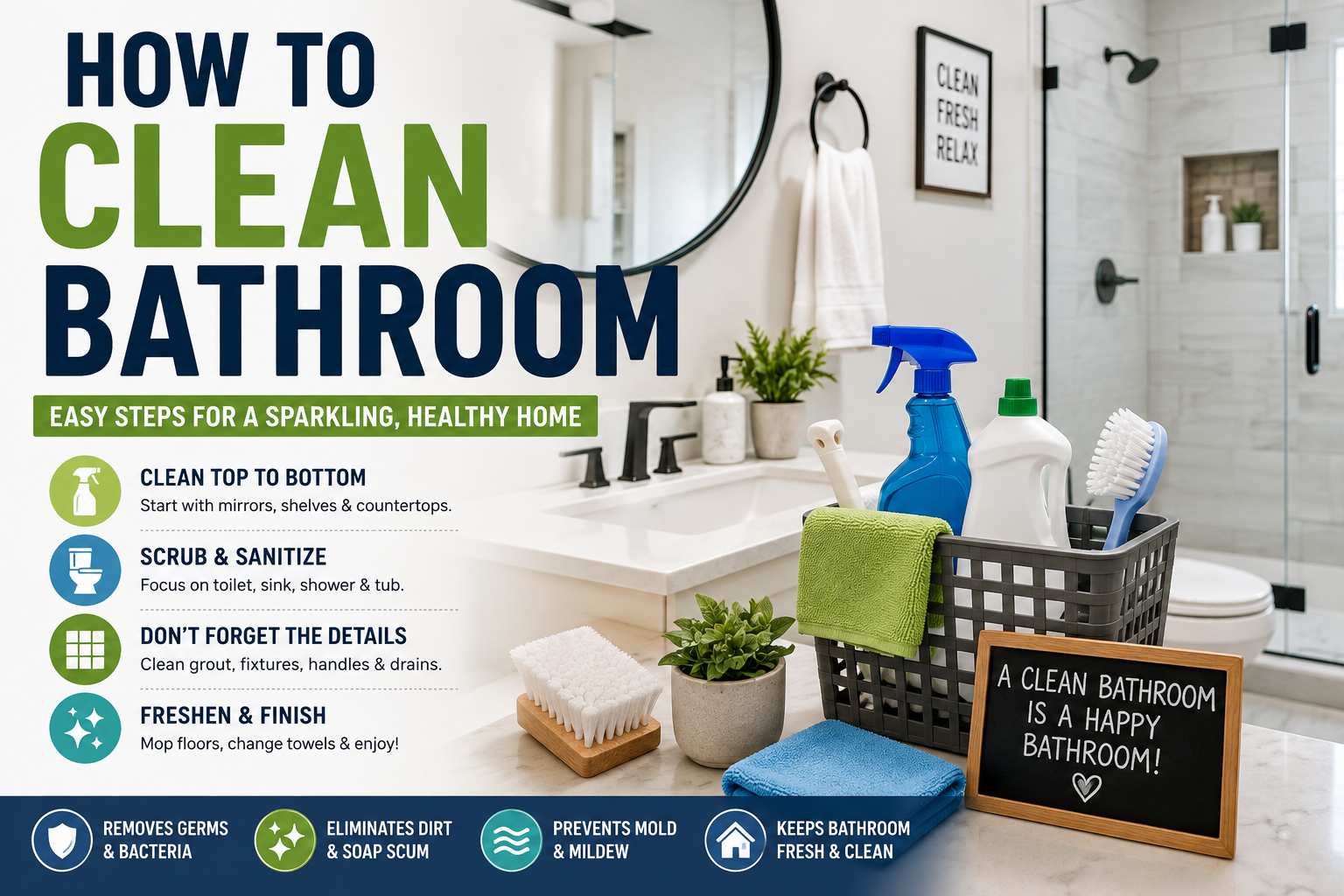
Learning how to clean bathroom spaces properly can make a huge difference in the comfort, appearance, and hygiene of your home. Bathrooms collect moisture, soap residue, hair, dust, mineral deposits, and bacteria every day, meaning occasional surface wiping is rarely enough. A consistent routine prevents buildup and keeps everything from the toilet and sink to the shower and floor looking fresh.
The good news is that mastering how to clean bathroom fixtures does not have to be overwhelming. With the right supplies, an organized routine, and a little consistency, you can sanitize your space efficiently without spending all day scrubbing. The key is to work systematically from top to bottom, dry areas before wet areas, and give extra attention to high-use surfaces.
Why Regular Bathroom Cleaning Matters
Bathrooms are exposed to moisture and frequent use, making them particularly vulnerable to grime. Water leaves mineral deposits on faucets and glass shower doors, while soap and shampoo create a sticky film across tile walls.
Understanding how to clean bathroom surfaces regularly provides key benefits:
- Reduces visible dirt and soap scum buildup
- Eliminates unpleasant lingering odors
- Protects fixtures from permanent mineral staining
- Makes deep-cleaning sessions much faster
- Allows you to catch minor plumbing leaks early
Instead of waiting until the room looks dirty, establish a simple routine that divides tasks into daily, weekly, and monthly categories.
Preparation & Essential Supplies
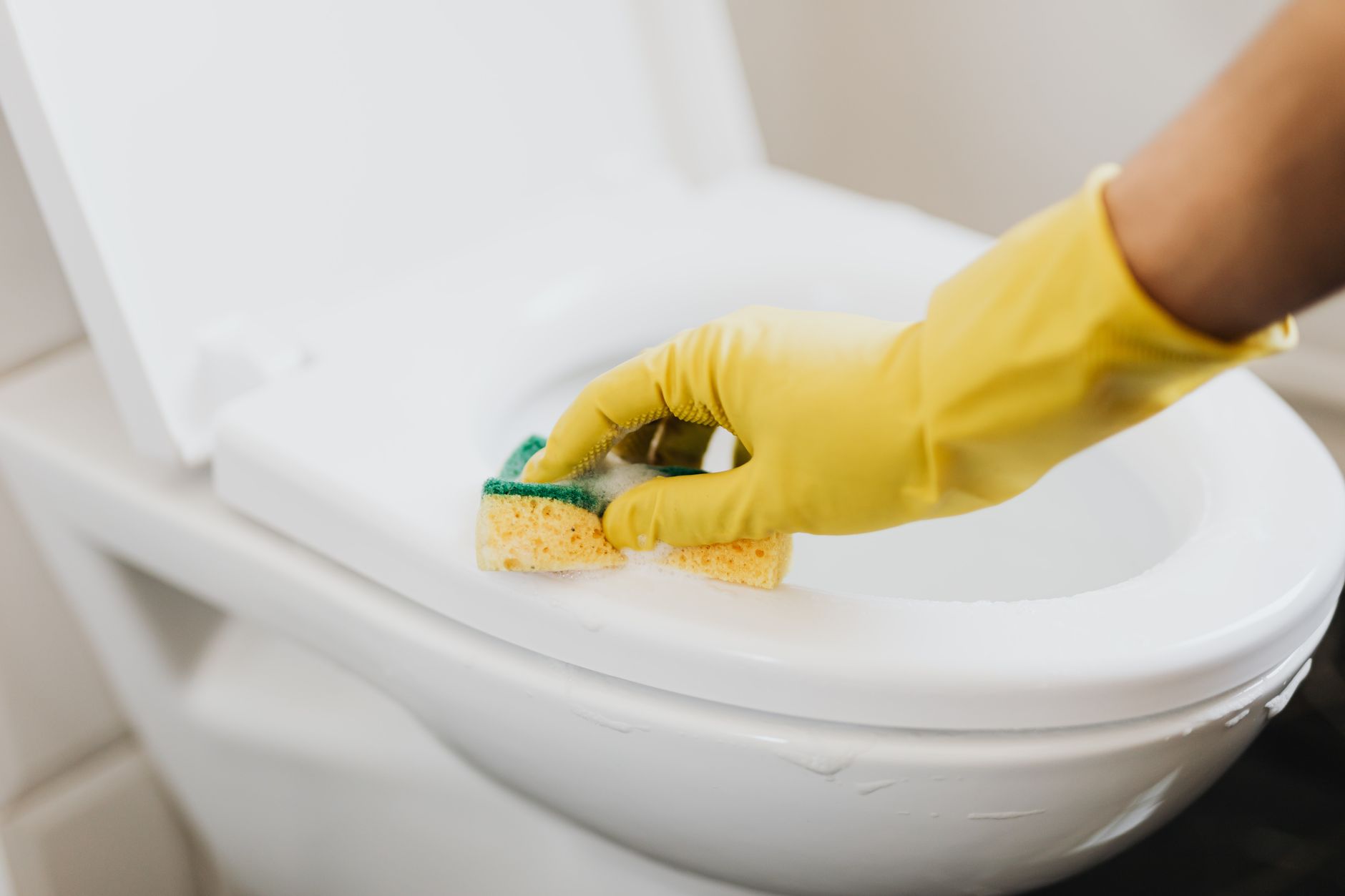
Gather Your Bathroom Cleaning Supplies
Having all your tools nearby saves time and prevents unnecessary interruptions. Useful items include:
- Microfiber cloths and non-abrasive scrubbing sponges
- Soft-bristle brush, grout brush, and toilet brush
- Bucket, mop, vacuum, or broom
- Glass cleaner and all-purpose surface cleaner
- Toilet bowl cleaner and disinfecting spray
- Rubber gloves for hand protection
Safety Warning: Never mix cleaning chemicals unless the product label explicitly states it is safe. In particular, never mix bleach with ammonia or acidic cleaners (like vinegar), as this produces toxic, dangerous gases.
Declutter and Ventilate
Before spraying products or scrubbing:
- Remove Loose Items: Take out towels, bath mats, trash cans, toiletries, cosmetics, and countertop items. Clear the shower and bathtub edges completely.
- Improve Airflow: Open a window or turn on the exhaust fan. Good ventilation reduces humidity, helps surfaces dry faster, and protects you from concentrated chemical fumes.
How to Clean Bathroom Surfaces From Top to Bottom
Working from top to bottom ensures that dust, debris, and dirty water fall onto uncleaned surfaces, saving you from having to clean areas twice.
Top-to-Bottom Order:
1. Ceilings, light fixtures & vents
2. Mirrors & upper glass
3. Countertops, vanity & cabinets
4. Sink & faucet fixtures
5. Shower & bathtub
6. Toilet (inside & outside)
7. Baseboards & floors
Step-by-Step Fixture & Surface Cleaning
1. Mirrors and Glass
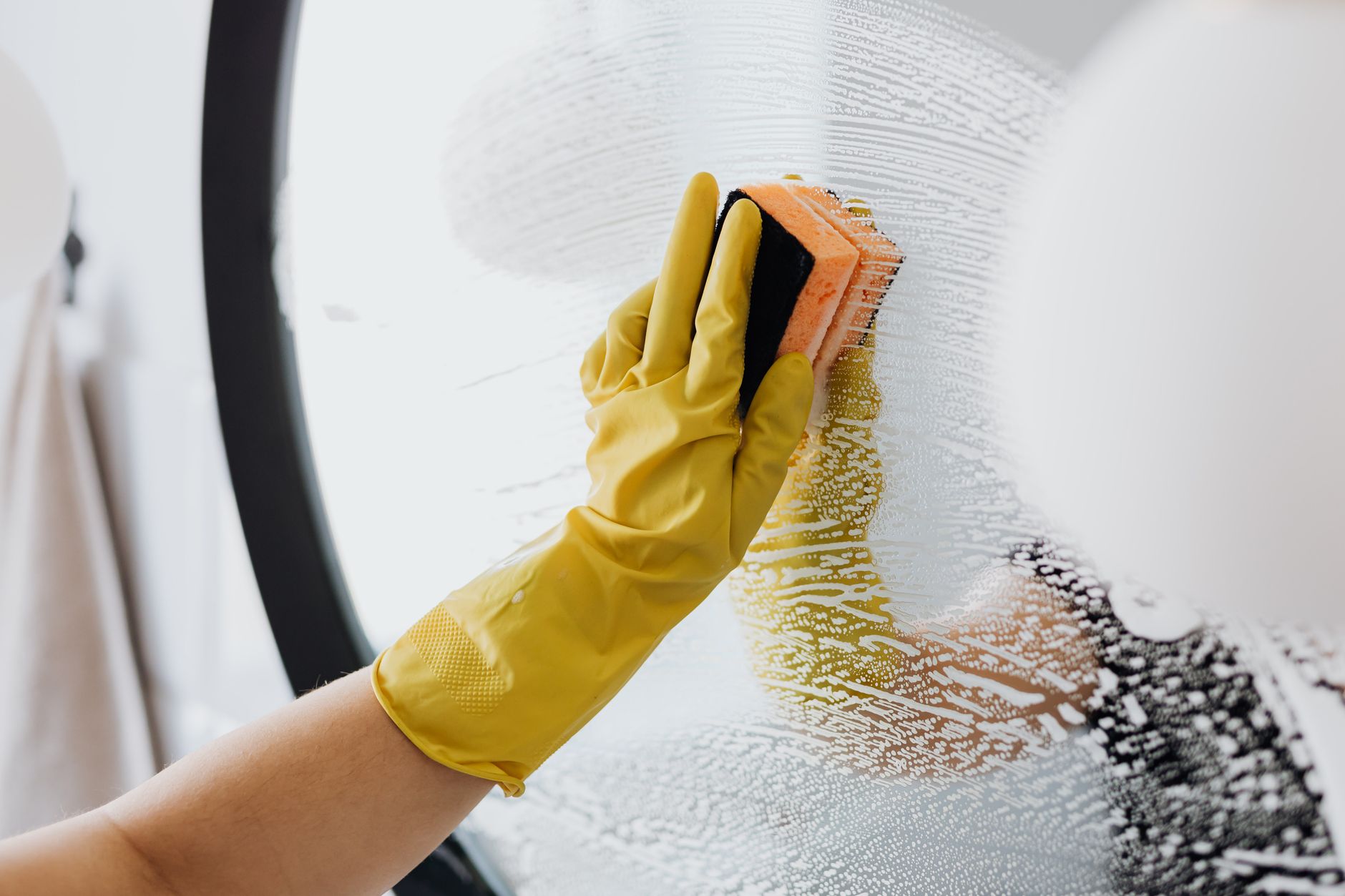
Spray glass cleaner onto a microfiber cloth rather than saturating the mirror directly to prevent liquid from seeping behind the edges. Wipe in overlapping strokes and buff dry with a clean microfiber towel to eliminate streaks. For shower glass, using a squeegee daily prevents hard water spots from forming.
2. Countertops, Vanity & Sink
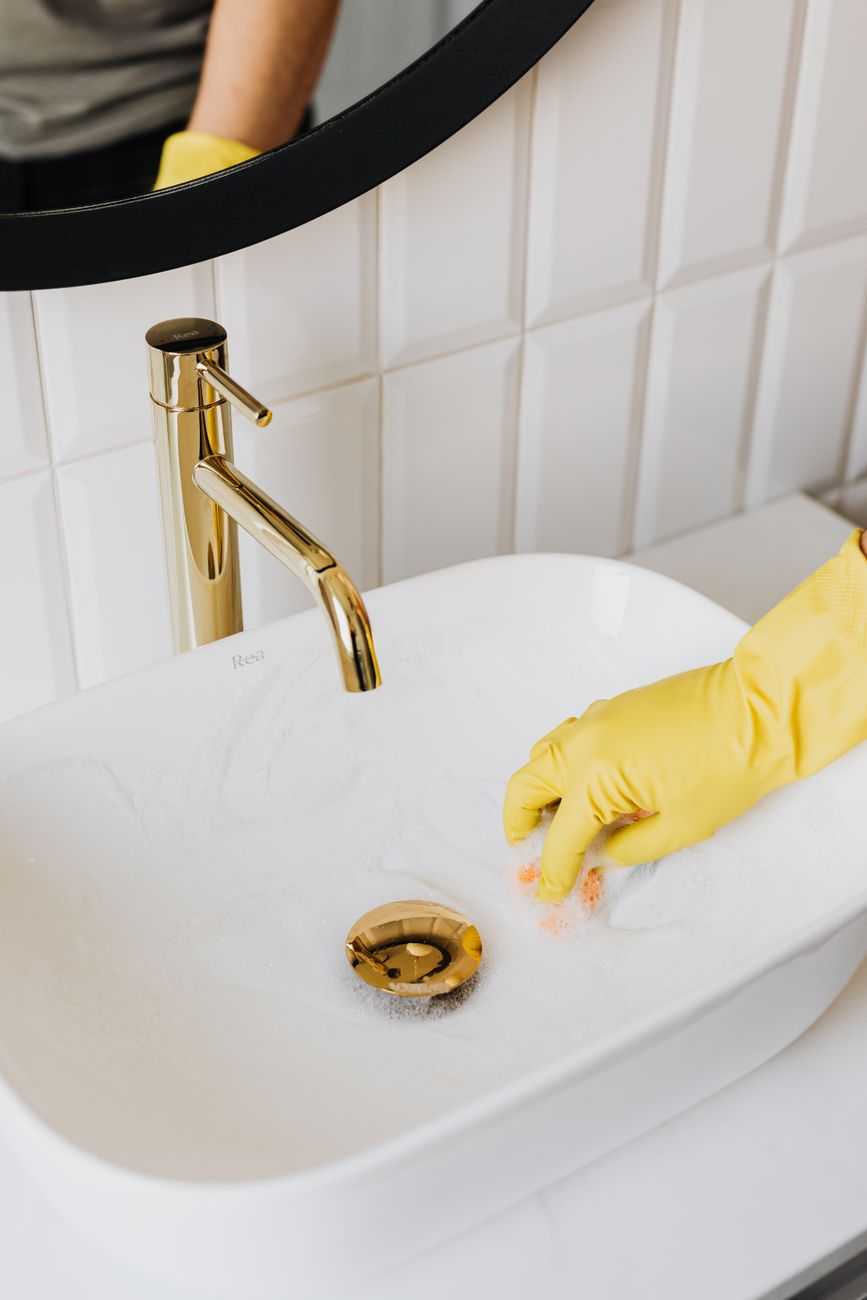
Clear off toothpaste, hair, and cosmetic residue using an appropriate surface cleaner:
- Wipe around faucet bases, soap dispensers, corners, and cabinet handles.
- Apply cleaner inside the sink basin, overflow drain, and stopper.
- Scrub gently with a sponge or small brush, rinse thoroughly, and dry with a microfiber cloth to prevent water spots.
3. Shower, Bathtub & Grout
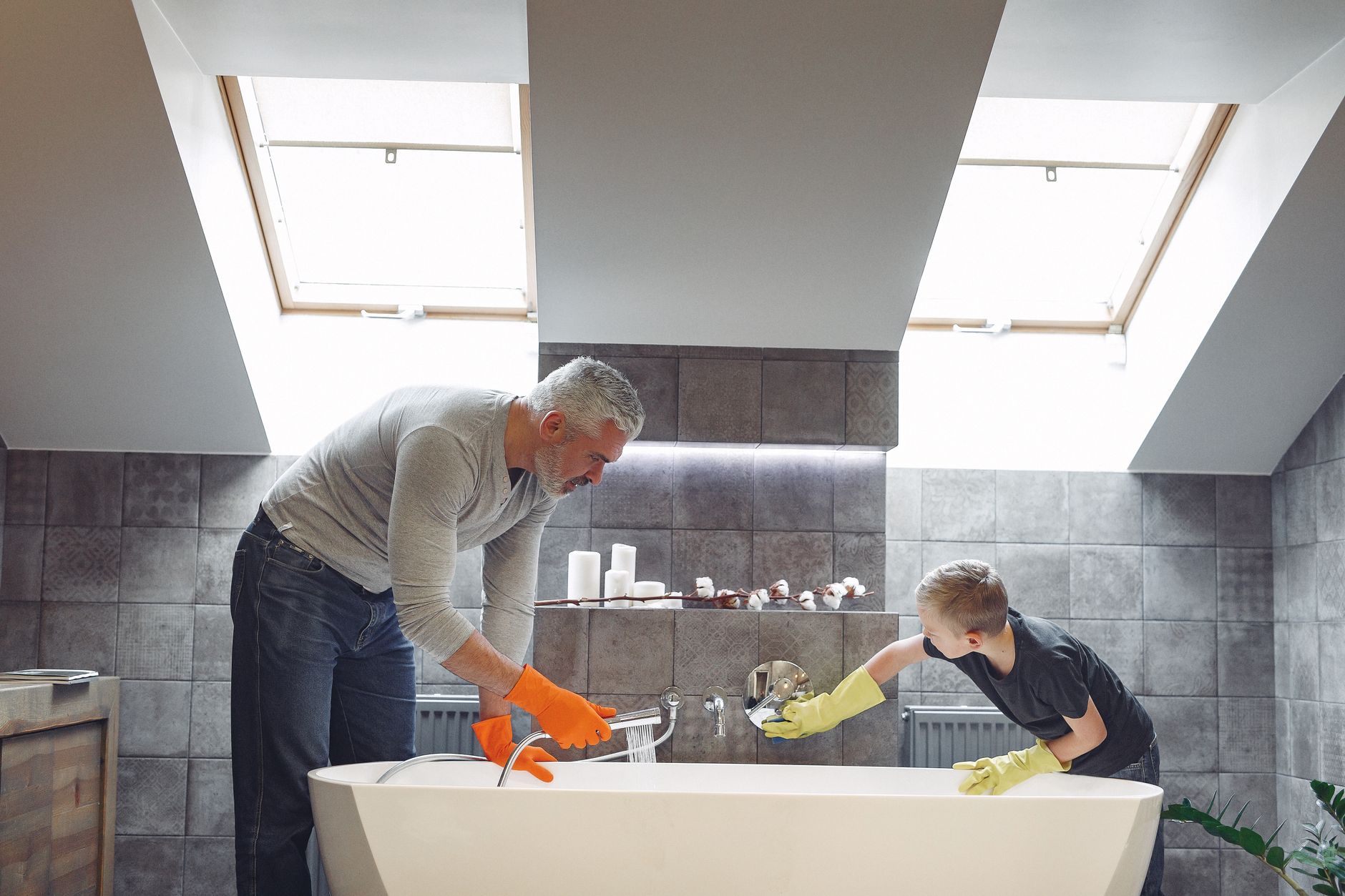
The shower and tub require dedicated attention due to soap scum, body oils, and hard water deposits.
- Apply Cleaner: Spray a shower cleaner and let it sit for 5–10 minutes to loosen soap scum before scrubbing.
- Scrub Walls & Fixtures: Work from top to bottom on tile walls, shower doors, tracks, and tub basins.
- Target Grout Lines: Use a medium-bristle grout brush with an appropriate grout cleaner to lift discolored grime without damaging the sealant.
4. How to Clean Bathroom Toilets Properly
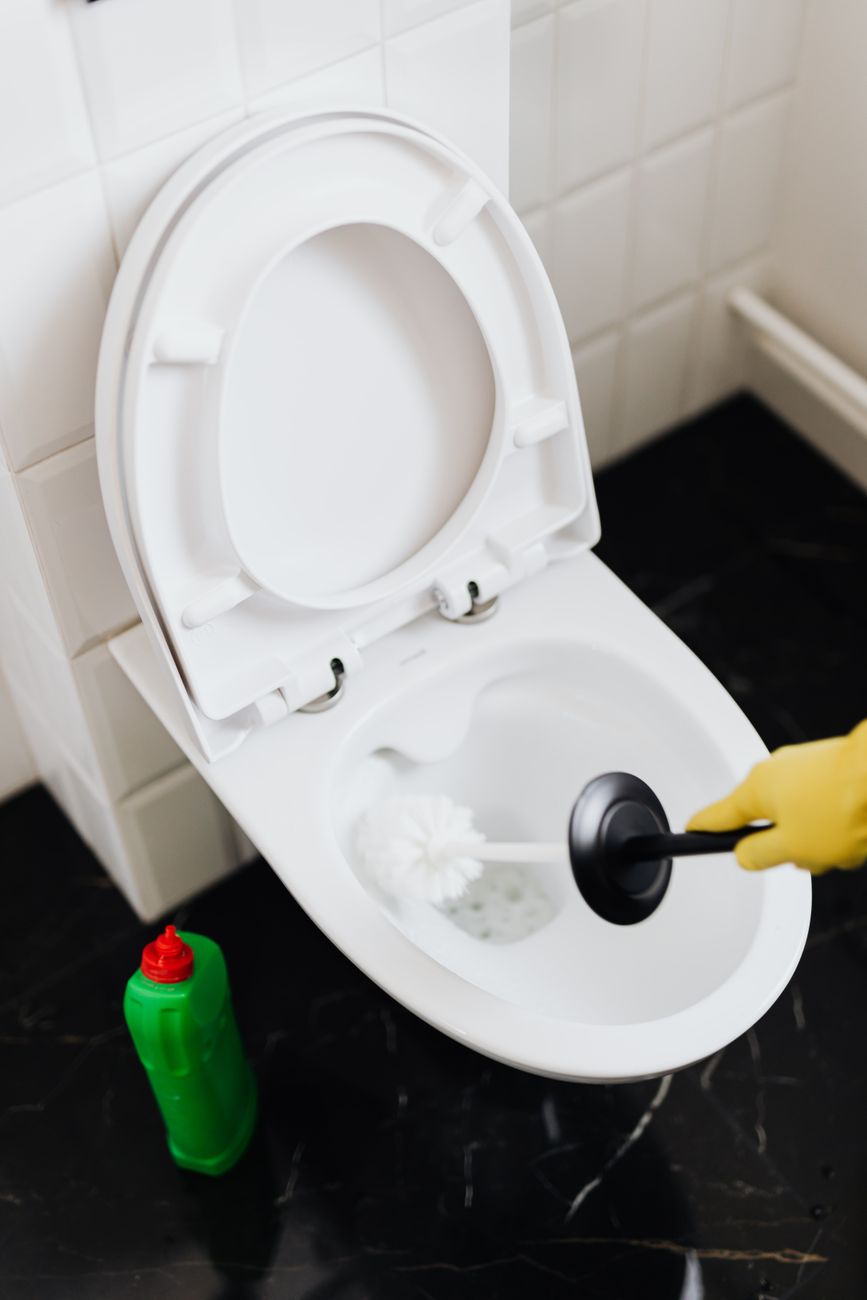
To prevent cross-contamination, use separate cloths for the toilet and other bathroom surfaces.
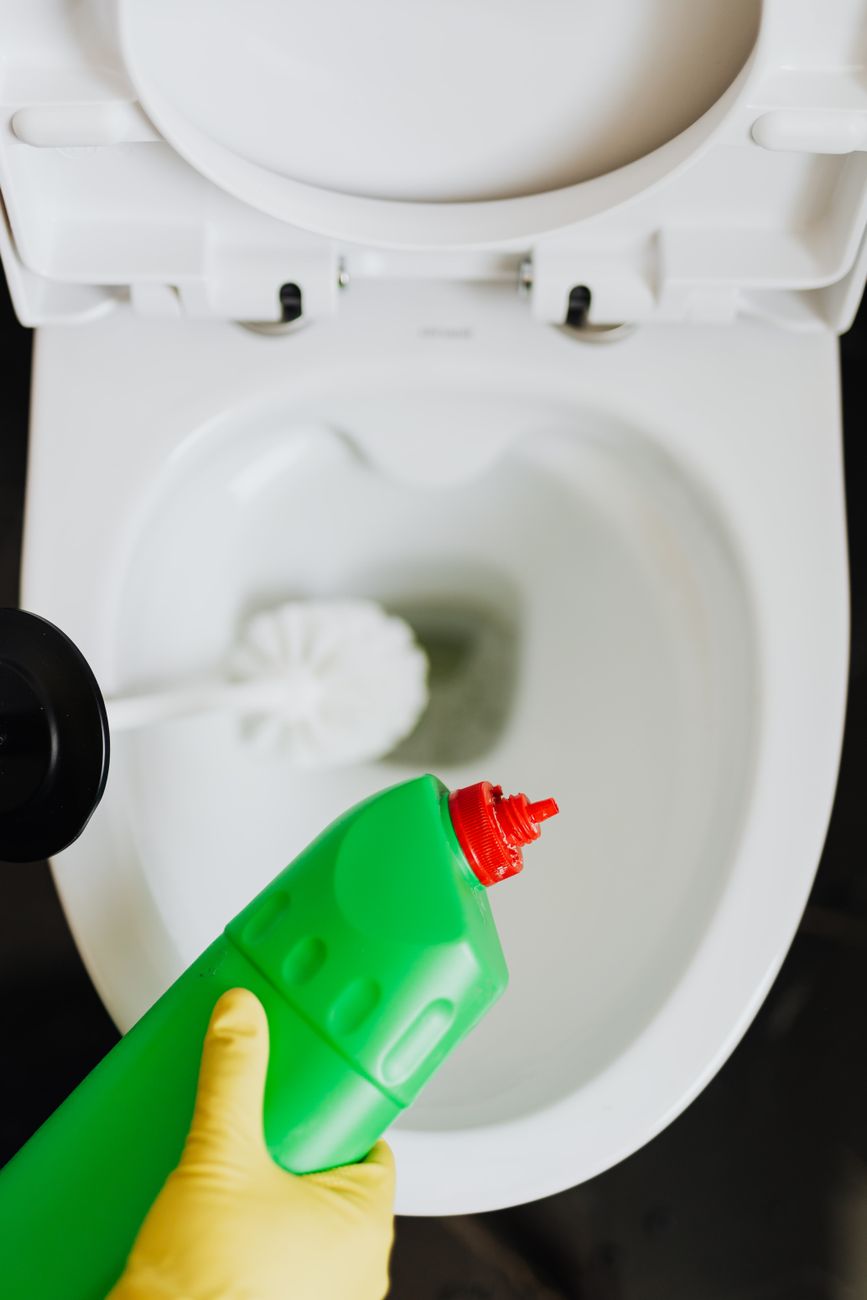
- Inside the Bowl: Apply toilet cleaner under the rim and let it soak. Scrub thoroughly with a toilet brush—focusing on the waterline and under the rim—then flush.
- Outside Structure: Spray disinfectant over the lid, seat, hinges, tank exterior, base, and surrounding floor. Wipe clean from top to bottom.
- The Base & Floor Edge: Dust, hair, and moisture accumulate around the bottom edge where the toilet meets the floor. Wipe this area carefully.
How to Clean Bathroom Floors Correctly
- Dry Clean First: Sweep or vacuum thoroughly to pick up loose hair, dust, and debris before applying liquid cleaners.
- Mop Systematically: Start at the farthest corner of the room and work your way backward toward the doorway so you don’t step on freshly cleaned areas.
- Use the Right Solution: Use a tile-friendly floor cleaner or warm water mixture. Avoid soaking wood or laminate flooring, and let tile floors dry completely.
- Wipe Baseboards: Finish by wiping down baseboards with a damp microfiber cloth to catch lingering dust and stray splashes.
Overlooked Areas to Include in Your Routine
When mastering how to clean bathroom spaces thoroughly, don’t forget these frequently skipped spots:
- Exhaust Fan Cover: Dust buildup restricts airflow. Turn off the power, remove the cover, and vacuum away dust.
- Light Switches & Door Handles: Disinfect high-touch areas regularly to stop the spread of germs.
- Cabinet Interiors: Periodically remove items from vanity drawers, wipe away spilled liquids, and toss expired products.
- Towels & Bath Mats: Wash mats and towels frequently in hot water to prevent mildew growth and lingering damp smells.
Recommended Cleaning Schedules
Weekly Maintenance Routine
- Vacuum and mop floors
- Wipe down countertops, sinks, and faucets
- Scrub the toilet bowl and wipe exterior surfaces
- Clean mirrors and shower doors
- Wash bath towels and bath mats
Monthly Deep-Cleaning Routine
- Deep-clean tile grout lines and shower tracks
- Vacuum exhaust fan vents and dust light fixtures
- Clean inside cabinets, drawers, and under the sink
- Wipe down baseboards, door frames, and doors
Common Mistakes to Avoid
- Using Too Much Cleaner: Excess product leaves a sticky film that actually attracts more dirt over time.
- Using Abrasive Scouring Pads: Harsh scrubbers can scratch acrylic tubs, polished chrome faucets, and delicate glass finishes.
- Mixing Chemicals: Combining bleach with vinegar or ammonia produces dangerous fumes.
- Ignoring Ventilation: Cleaning in a closed room traps moisture and harsh odors, encouraging mold growth.
Frequently Asked Questions
What is the fastest strategy for how to clean bathroom spaces?
The fastest approach is to apply toilet cleaner and shower spray first, let them sit to break down grime while you clean mirrors and countertops, and finish by sweeping and mopping the floor last.
What should I clean first when learning how to clean bathroom areas?
Always start by clearing away clutter, bath mats, and towels, then dry-dust from top to bottom before applying liquid spray cleaners.
How often should I clean my bathroom?
High-traffic bathrooms benefit from a quick daily wipe-down of sinks and counters, with a full deep clean performed at least once a week.
Can I use vinegar on all bathroom surfaces?
No. While vinegar works well on glass and porcelain, its acidic nature can etch natural stone surfaces (like marble or granite) and damage certain specialized metal faucet finishes.
Should I sweep before mopping when figuring out how to clean bathroom floors?
Yes. Always vacuum or sweep up dry hair and dirt before mopping to prevent turning loose dust into muddy streaks across your floor.
Conclusion
Knowing how to clean bathroom areas efficiently is less about using dozens of products and more about having a consistent system. Start by removing clutter, improving ventilation, and gathering the right supplies. Work from top to bottom, giving careful attention to mirrors, countertops, sinks, showers, bathtubs, toilets, floors, grout, and frequently touched surfaces.
Regular maintenance is the secret to making bathroom cleaning easier. A few minutes of daily attention can prevent soap scum, water spots, hair, and grime from becoming difficult buildup. Weekly cleaning can then focus on deeper tasks rather than trying to recover an extremely neglected space.
Always choose cleaning products that are appropriate for the material you are treating, follow product directions, and never mix incompatible chemicals. With a simple routine and the right techniques, you can keep your bathroom clean, fresh, comfortable, and easier to maintain throughout the year.
1 thought on “How to Clean Bathroom? A Complete Step-by-Step Guide for a Fresh, Sparkling Space”