
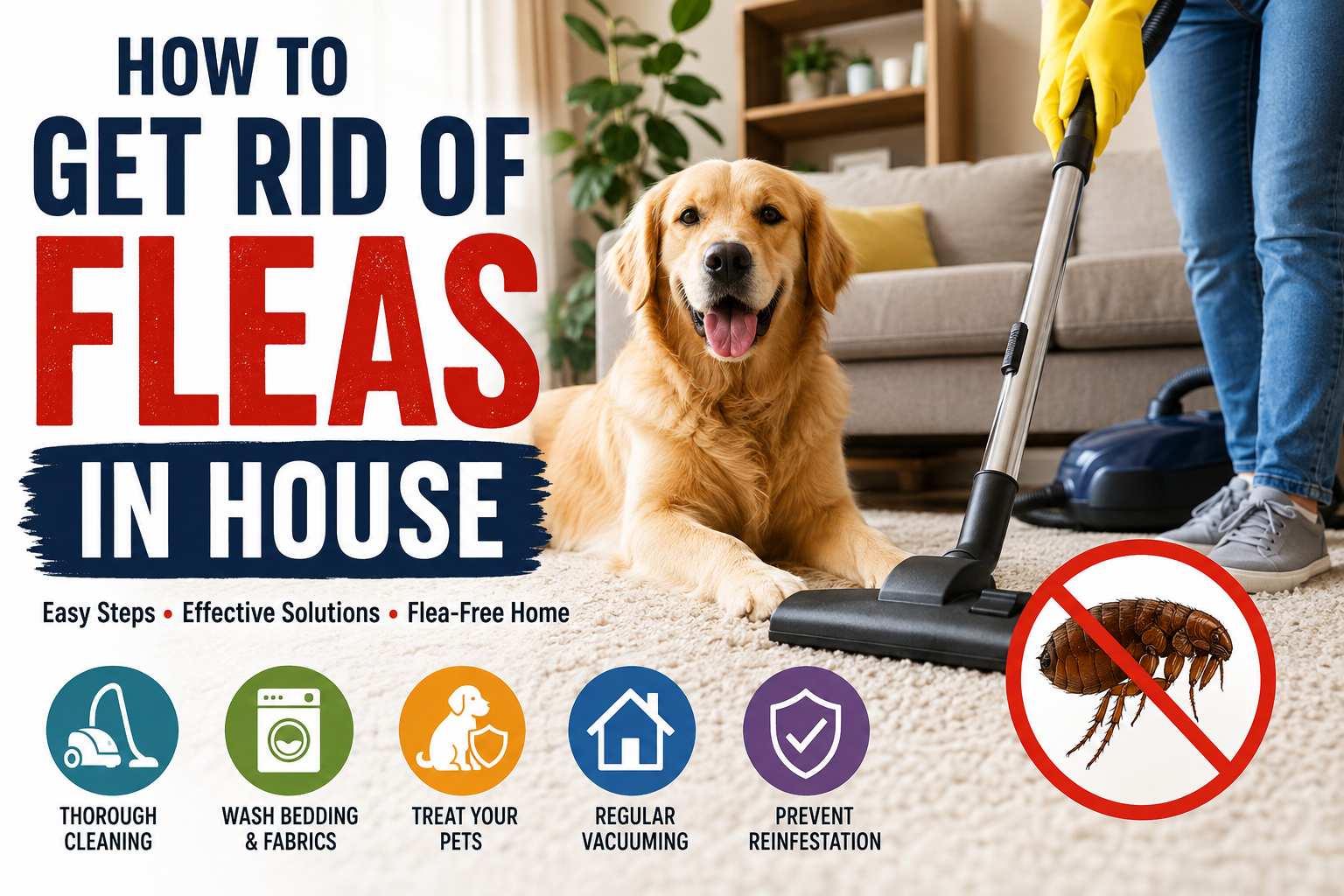
If you have noticed jumping insects, itchy bites, or unusual scratching from your pets, you may be wondering how to get rid of fleas in house environments effectively. Fleas spread quickly because they do not live solely on pets—their eggs, larvae, and pupae can hide in carpets, furniture, bedding, and floor cracks throughout your home.
The good news is that learning how to get rid of fleas in house settings becomes manageable by combining thorough cleaning, appropriate pet treatment, regular vacuuming, and consistent follow-up.
Understanding Fleas & The Infestation Cycle
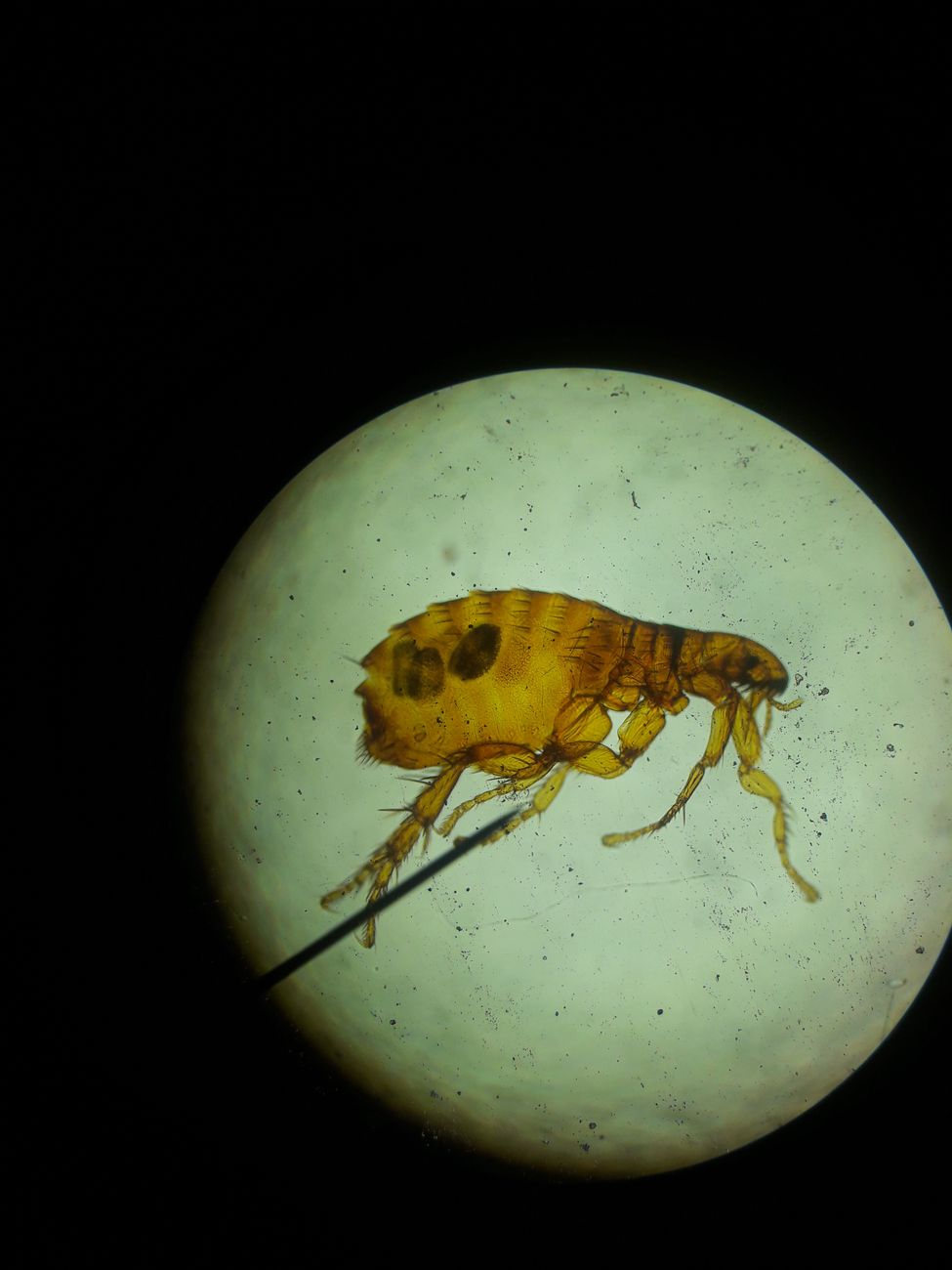
Fleas are wingless insects that survive by feeding on blood. Although dogs and cats are their preferred hosts, fleas will also bite humans when animals are unavailable.
An infestation typically starts when a pet brings fleas indoors. However, they can also enter through clothing, other animals, used furniture, or infested environments. Once inside, a single female flea can lay hundreds of eggs during her lifetime, rapidly turning a small problem into a severe infestation.
Identifying a Flea Infestation
Before figuring out how to get rid of fleas in house carpets or furniture, confirm that the pests are indeed fleas. Adult fleas are small, dark brown to reddish-brown insects that move by jumping quickly. Common signs include:
- Jumping insects visible on carpets or furniture
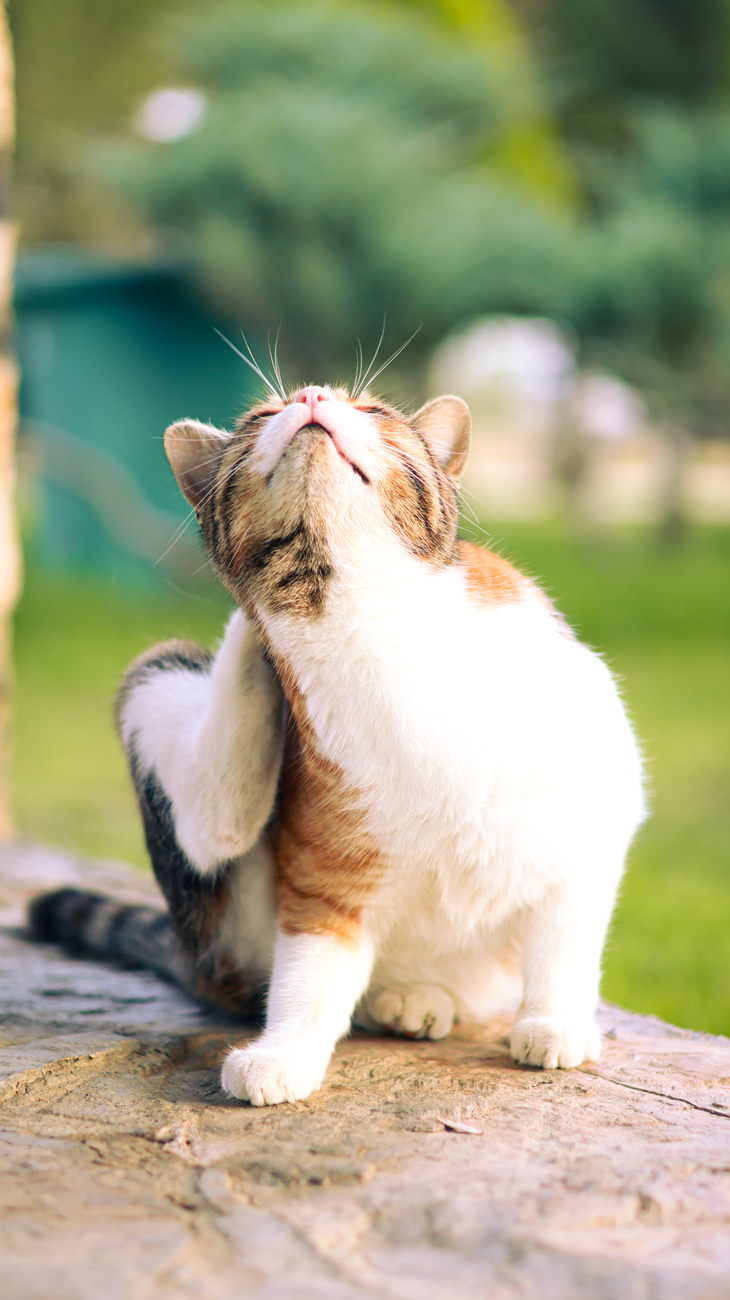
- Frequent scratching, biting, or licking by pets
- Flea dirt (digested blood) in pet fur or bedding
- Small, itchy bites around human ankles and lower legs
The Paper Towel Test: To confirm flea dirt, place dark specks found on your pet’s fur or bedding onto a damp white paper towel. If the particles dissolve and turn reddish-brown, fleas are present.
The 4 Stages of the Flea Life Cycle
Focusing only on adult fleas is the most common reason treatment fails. Fleas undergo four distinct development stages:
- Egg: Laid on the host, but easily falls off into carpets, bedding, and furniture.
- Larva: Hatches from eggs and feeds on organic debris in dark, protected areas.
- Pupa: Forms a protective cocoon resistant to many chemical treatments.
- Adult: Emerges from the cocoon when stimulated by heat, movement, or carbon dioxide.
Because pupae can remain dormant inside their cocoons, you may still notice newly emerged adults days or weeks after an initial cleaning. Knowing how to get rid of fleas in house habitats requires continuous effort to break this entire lifecycle.
Step-by-Step Home Cleanup Strategy
1. Execute a Deep Vacuum Routine
Vacuuming physically removes adult fleas, eggs, larvae, and debris while pulling carpet fibers up to expose hidden pests.
Where to Focus:
- Carpets and area rugs
- Upholstered furniture and cushions
- Hardwood floors, tile, and along baseboards
- Under furniture and inside dark closets
- Stairs and vehicle interiors (if pets travel in them)
Tip: Empty your vacuum canister or dispose of vacuum bags into an outdoor trash bin immediately after every session.
2. Wash Pet Bedding and Household Fabrics
High heat destroys fleas across all life stages. Wash all washable fabrics frequently using hot water and a high-heat drying cycle, following manufacturer care instructions:
- Pet beds, mats, and blankets
- Removable couch covers and throw blankets
- Human bed sheets and comforters where pets rest
- Bathroom rugs and washable curtains near floor level
Pet Care & Veterinary Solutions
Treating Pets Safely
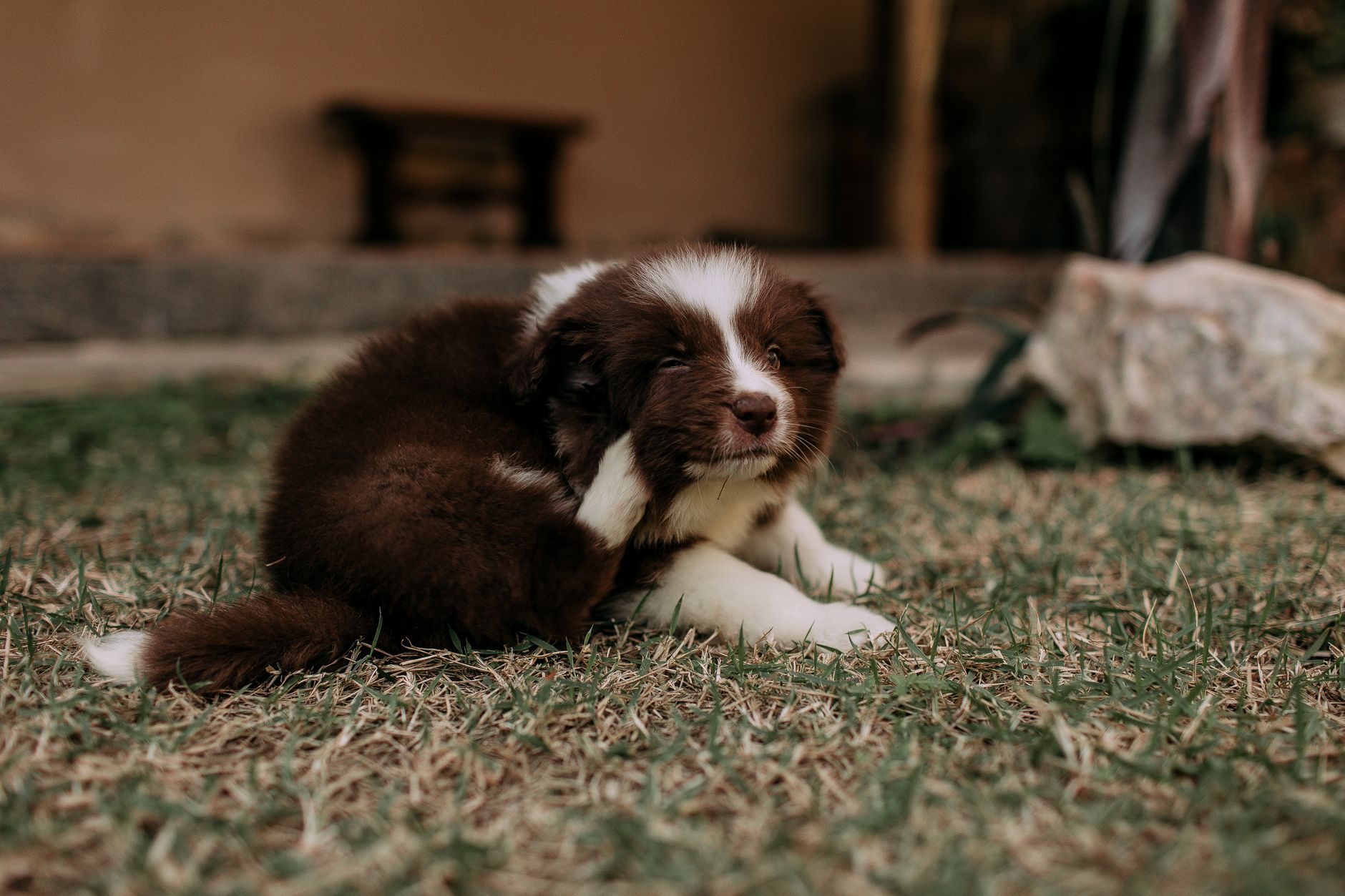
Understanding how to get rid of fleas in house spaces is useless if you treat your home without treating your pets, as this will only lead to recurring infestations.
- Consult a Veterinarian: Ask your vet for appropriate flea preventative products formulated specifically for your pet’s species, weight, and health status.
- Species Safety Warning: Never use dog flea products on cats. Certain ingredients (such as permethrin) that are safe for dogs can be fatal to cats.
- Simultaneous Treatment: Treat all animals in the household at the same time to prevent fleas from jumping between hosts.
- Regular Grooming: Use a fine-toothed flea comb dipped in soapy water to manually remove fleas and eggs from your pet’s coat.
Indoor Treatments & Alternatives
Chemical Treatments & Sprays
If cleaning alone isn’t enough, indoor household insecticide sprays containing an Insect Growth Regulator (IGR) can help prevent flea larvae from maturing into adults.
- Read Labels Carefully: Ensure products are rated for indoor use and safe for your specific flooring.
- Avoid Excessive Application: Using more product than recommended increases toxic chemical exposure without improving effectiveness.
- Keep Pets & Children Clear: Keep household members away from treated zones until sprays have fully dried and ventilated.
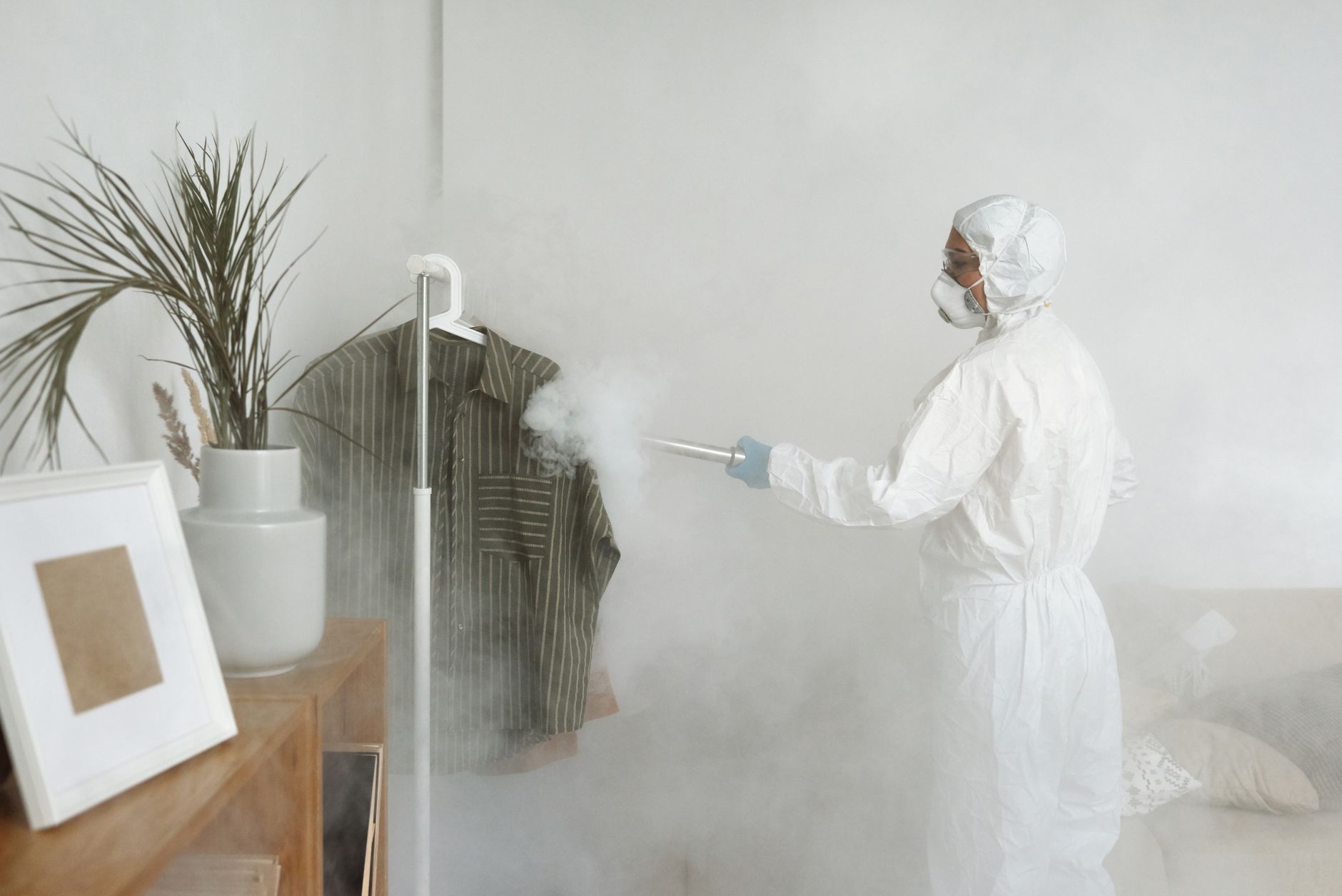
Understanding Flea Foggers (“Flea Bombs”)
While foggers release pesticides broadly, they often fail to penetrate deep into carpets, under furniture, or into cracks where larvae and pupae hide. Targeted surface sprays combined with mechanical cleaning are generally more effective when planning how to get rid of fleas in house spaces.
How to Get Rid of Fleas in House Naturally
If you prefer to minimize chemical use, natural solutions focus heavily on environment control:
- Heat & Steam: Steam cleaning carpets kills adult fleas and eggs on contact.
- Dehumidifiers: Fleas require moisture to survive; keeping indoor humidity below 50% slows down their development cycle.
- Caution With Essential Oils: Exercise extreme caution with homemade natural sprays. Many essential oils (like tea tree, citrus, and eucalyptus) are toxic to pets if inhaled or ingested.
Yard & Outdoor Prevention
Pets can easily reintroduce fleas into your home from the yard, making outdoor control essential when researching how to get rid of fleas in house areas long term.
- Maintain Landscape: Mow your lawn regularly and clear away leaf piles, thatch, and brush.
- Focus on Shaded Rest Areas: Fleas avoid direct sunlight. Focus yard maintenance on shaded, damp areas under decks, trees, or bushes where pets like to rest.
Common Mistakes That Delay Elimination
- Treating Only the Pet: Ignoring the surrounding environment leaves millions of eggs waiting to hatch.
- Cleaning Just Once: A single vacuuming session leaves dormant pupae behind.
- Stopping Treatment Too Soon: Ending your routine when adult fleas vanish allows the next generation to mature and restart the cycle.
- Using the Wrong Products: Applying unapproved home remedies or misusing pesticide products.
Recommended Flea-Control Schedule
| Timeline | Action Steps |
| Day 1 | Apply vet-approved flea medication to all pets. Deep-vacuum every floor, rug, and piece of furniture. Wash all bedding in hot water. |
| Days 2–7 | Vacuum high-traffic pet areas daily. Empty vacuum contents outdoors immediately. Inspect pet coats with a flea comb. |
| Weeks 2–4 | Continue vacuuming every 2–3 days. Re-wash pet bedding weekly. Administer follow-up pet treatments as prescribed by your vet. |
How to Get Rid of Fleas in House with Professional Help
Consider hiring a licensed pest management professional if:
- Flea activity continues unabated after 3–4 weeks of diligent cleaning and pet treatment.
- The infestation covers a large area or outdoor structure.
- Members of your household experience severe allergic reactions or bites.
Frequently Asked Questions
What is the fastest way on how to get rid of fleas in house environments?
The fastest method combines fast-acting vet-recommended pet treatments, daily high-heat washing, daily vacuuming, and applying an indoor treatment with an Insect Growth Regulator (IGR).
Can fleas live in carpets?
Yes. Carpet fibers provide shelter, darkness, and protection for flea eggs, larvae, and pupae.
Do fleas go away on their own?
No. Without active treatment and host disruption, a flea population will continue to multiply indefinitely.
Can fleas live on humans?
Fleas may bite humans—typically around ankles and legs—but they cannot survive or reproduce on human body hair the way they do on animal fur.
Should I vacuum every day when learning how to get rid of fleas in house carpets?
Yes. Daily vacuuming during an active infestation is one of the most effective ways to reduce populations and stimulate pupae to emerge into treated environments.
Conclusion
Learning how to get rid of fleas in house starts with understanding that flea infestations involve more than the adult insects you can see. Eggs, larvae, and pupae may remain hidden in carpets, bedding, furniture, and other areas, allowing new adults to emerge later.
The most effective strategy is comprehensive: treat pets appropriately, vacuum thoroughly and repeatedly, wash bedding and washable fabrics, clean pet resting areas, monitor flea activity, and use professional pest-control assistance when necessary.
Avoid relying on a single treatment or stopping as soon as you see fewer fleas. Consistency is essential because fleas have a life cycle that can make infestations appear to return.
With regular cleaning, responsible pet care, careful use of appropriate products, and continued monitoring, you can significantly reduce flea populations and create a cleaner, more comfortable home for both your family and pets.