
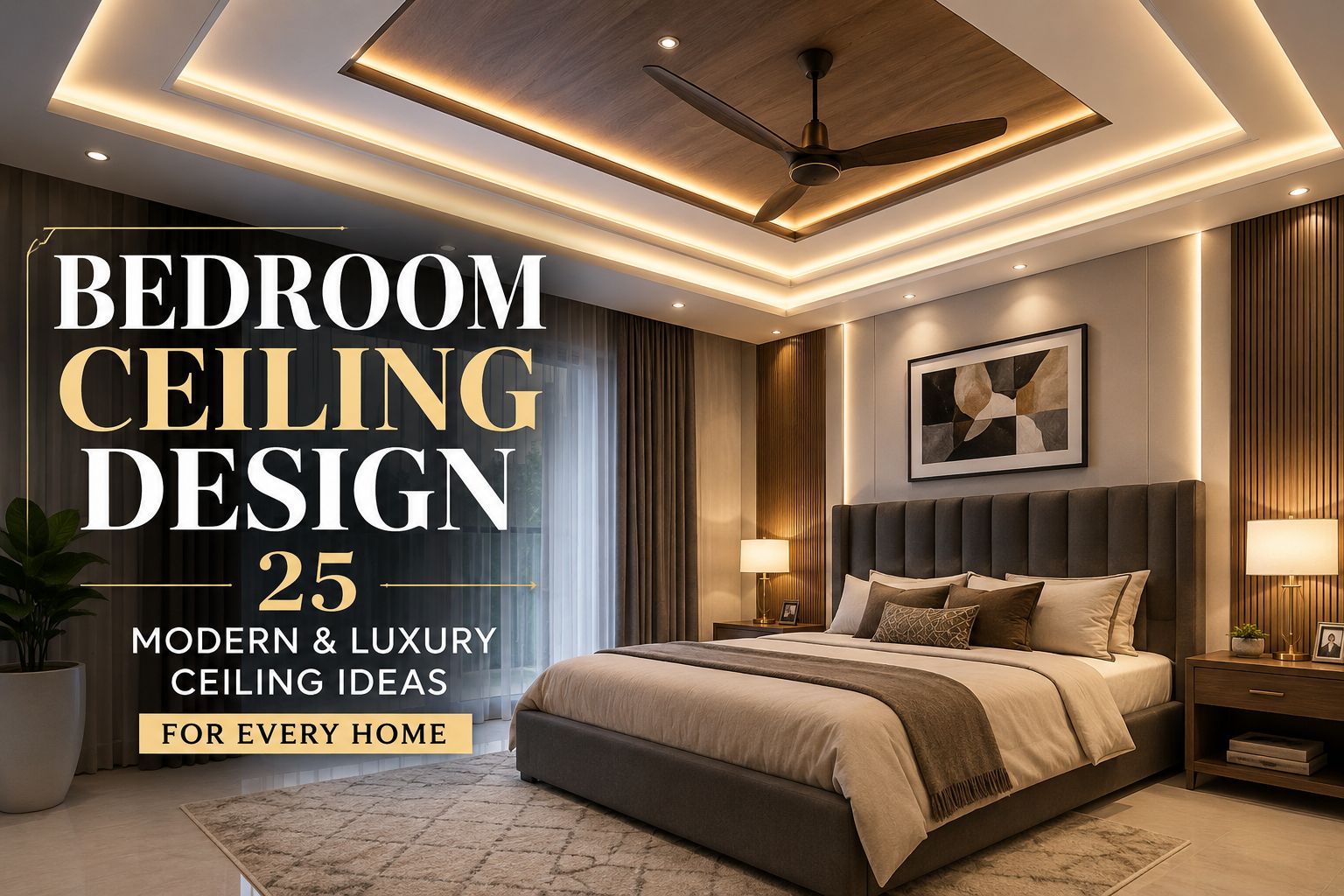
Your bedroom ceiling design plays a crucial role in shaping how your room looks and feels. Often referred to as the “fifth wall,” a thoughtful ceiling design can transform your space into a cozy retreat or a luxurious haven. From classic paint techniques to modern false ceilings with integrated LED lighting, the right choice enhances lighting, creates visual balance, and can even increase your home’s value.
Why Bedroom Ceiling Design Matters
A well-designed ceiling brings harmony and structure to your bedroom. Key benefits include:
- Elevated Aesthetics: Creates a refined, luxurious, and inviting atmosphere.
- Spatial Perception: Makes small rooms feel larger or tall rooms feel cozier.
- Concealment: Hides wiring, ductwork, and structural imperfections.
- Enhanced Lighting: Serves as a base for layered, ambient, and accent lighting.
- Property Value: Boosts the overall appeal and value of your home.
Key Factors to Consider Before Designing
Before selecting a ceiling style, keep these practical elements in mind:
- Room Size & Ceiling Height:
- Large / High Ceilings: Can accommodate complex, dramatic structures like coffered or multi-layered tray ceilings.
- Small / Low Ceilings: Benefit from simple, clean designs and lighter colors to maintain an open feel.
- Design Cohesion: Ensure the ceiling complements your furniture, flooring, wall colors, and decor style (e.g., modern, Scandinavian, farmhouse, industrial, minimalist, or traditional).
- Budget: Costs vary widely based on material selection and labor requirements, ranging from simple paint updates to high-end custom woodwork.
Popular Ceiling Styles & Materials
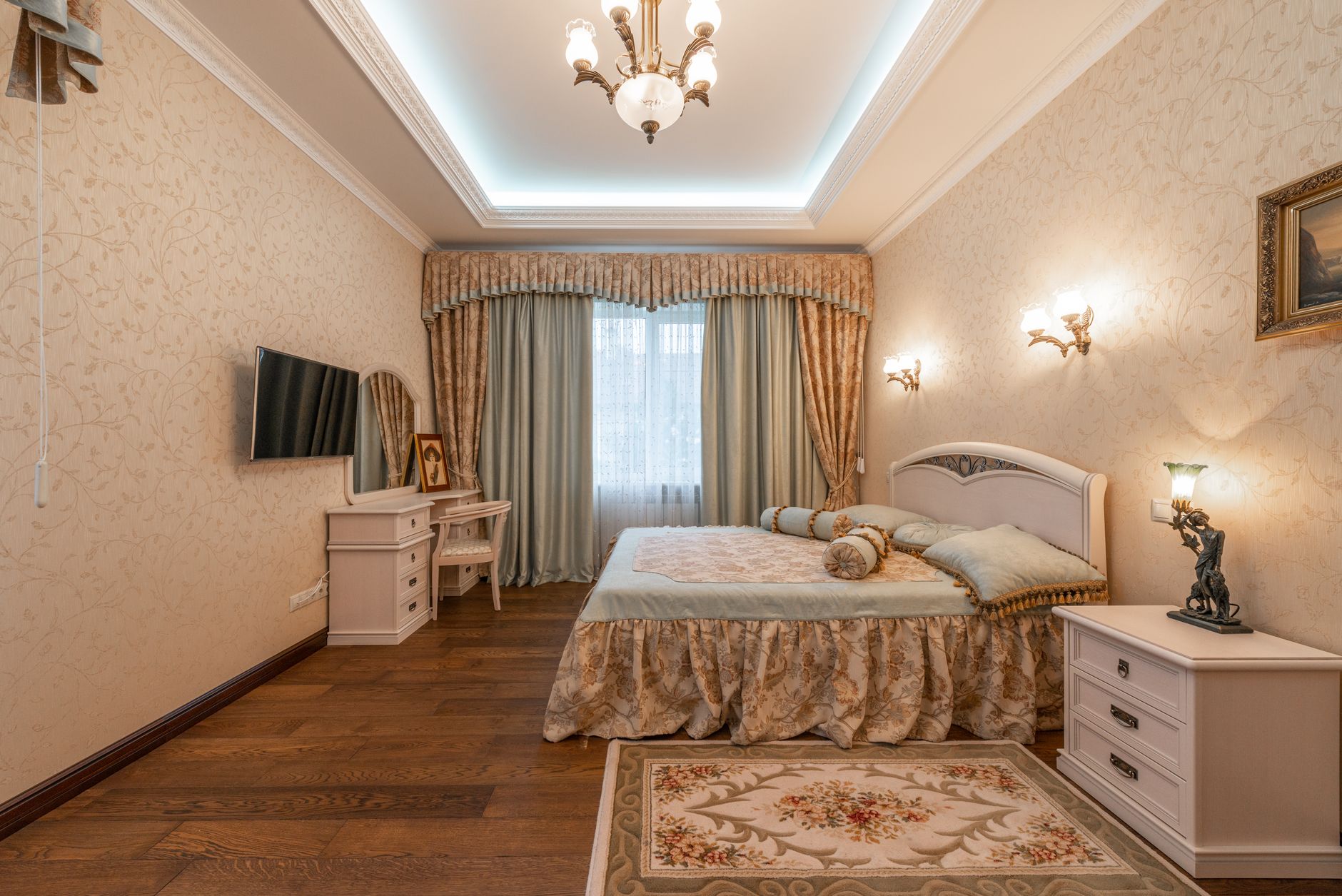
There’s no single “correct” approach to ceiling design — the best choice depends on your room’s proportions, your budget, and your personal aesthetic. Below are some of the most popular directions homeowners take.
Tray Ceilings
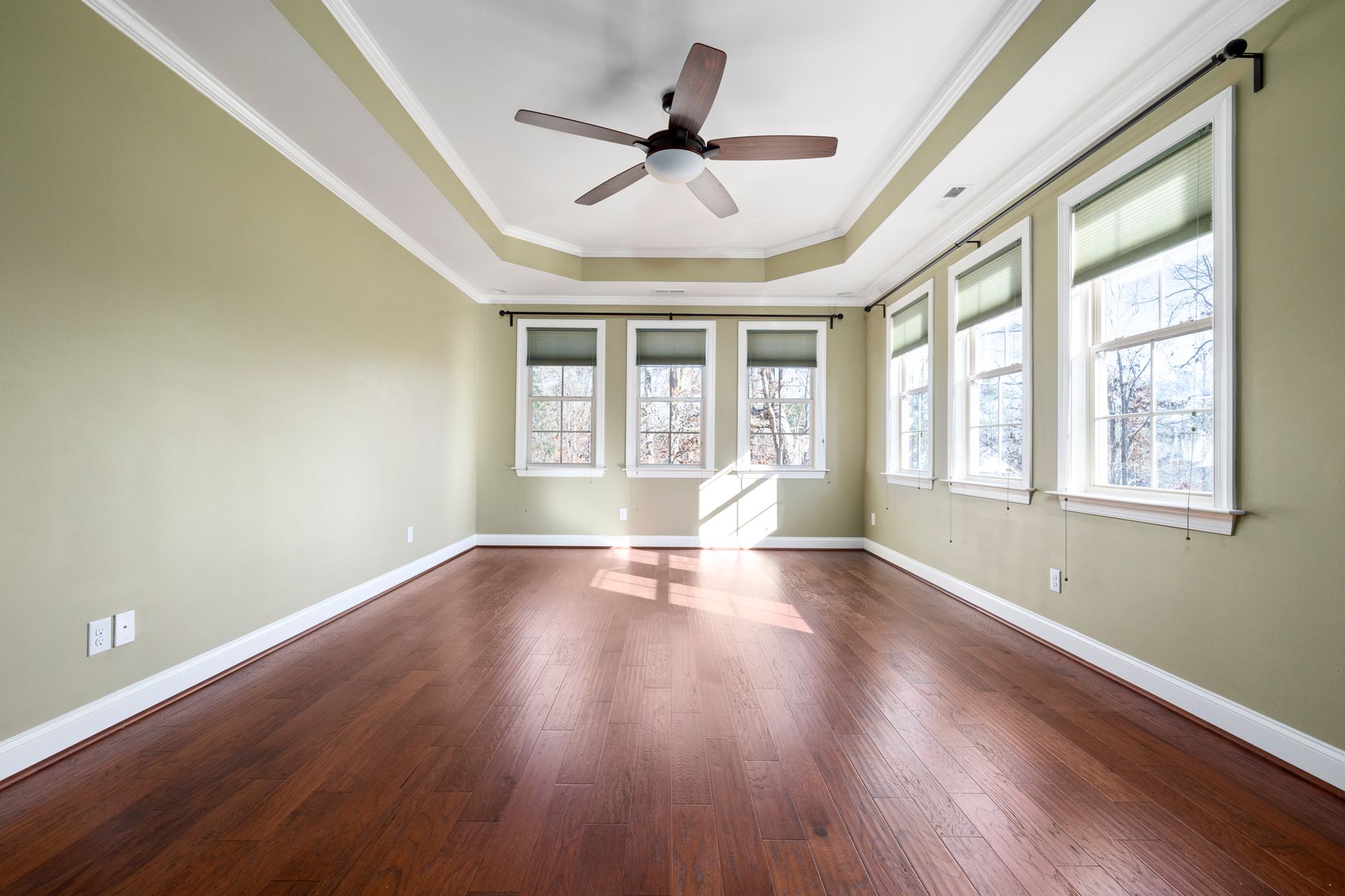
A tray ceiling features a recessed center panel, usually a few inches higher than the surrounding perimeter, creating a layered, architectural look. This is one of the most requested treatments because it adds sophistication without requiring major structural changes. Tray ceilings work especially well in primary bedrooms with 9-foot ceilings or higher, since the recess needs enough vertical clearance to read as intentional rather than cramped.
Coffered Ceilings
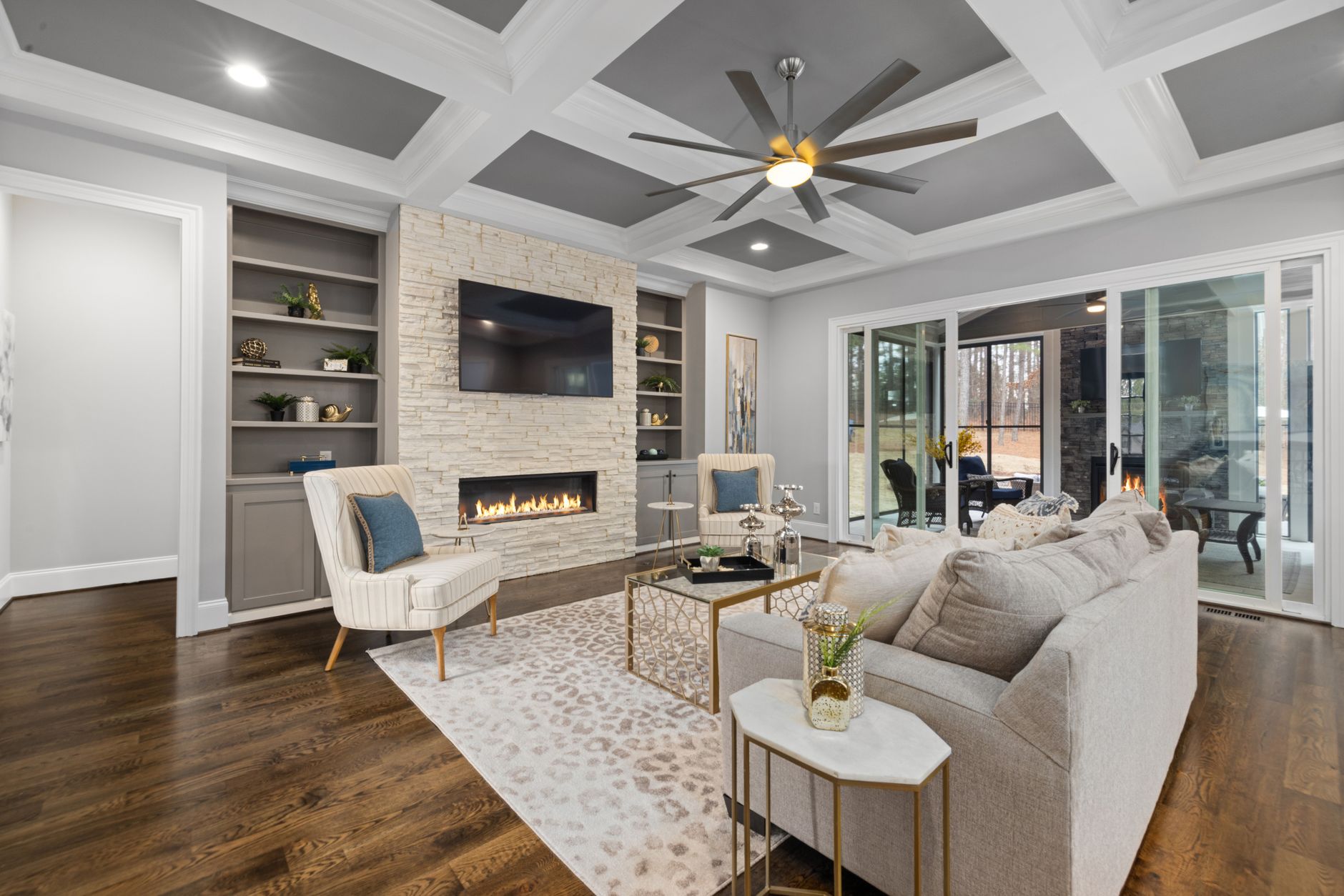
Coffered designs use a grid of recessed panels, often bordered with wood beams or molding, to introduce texture and rhythm across the surface. This style tends to suit larger bedrooms with a more traditional or classic interior, and it pairs beautifully with wood furniture and warm color palettes.
Beamed Ceilings
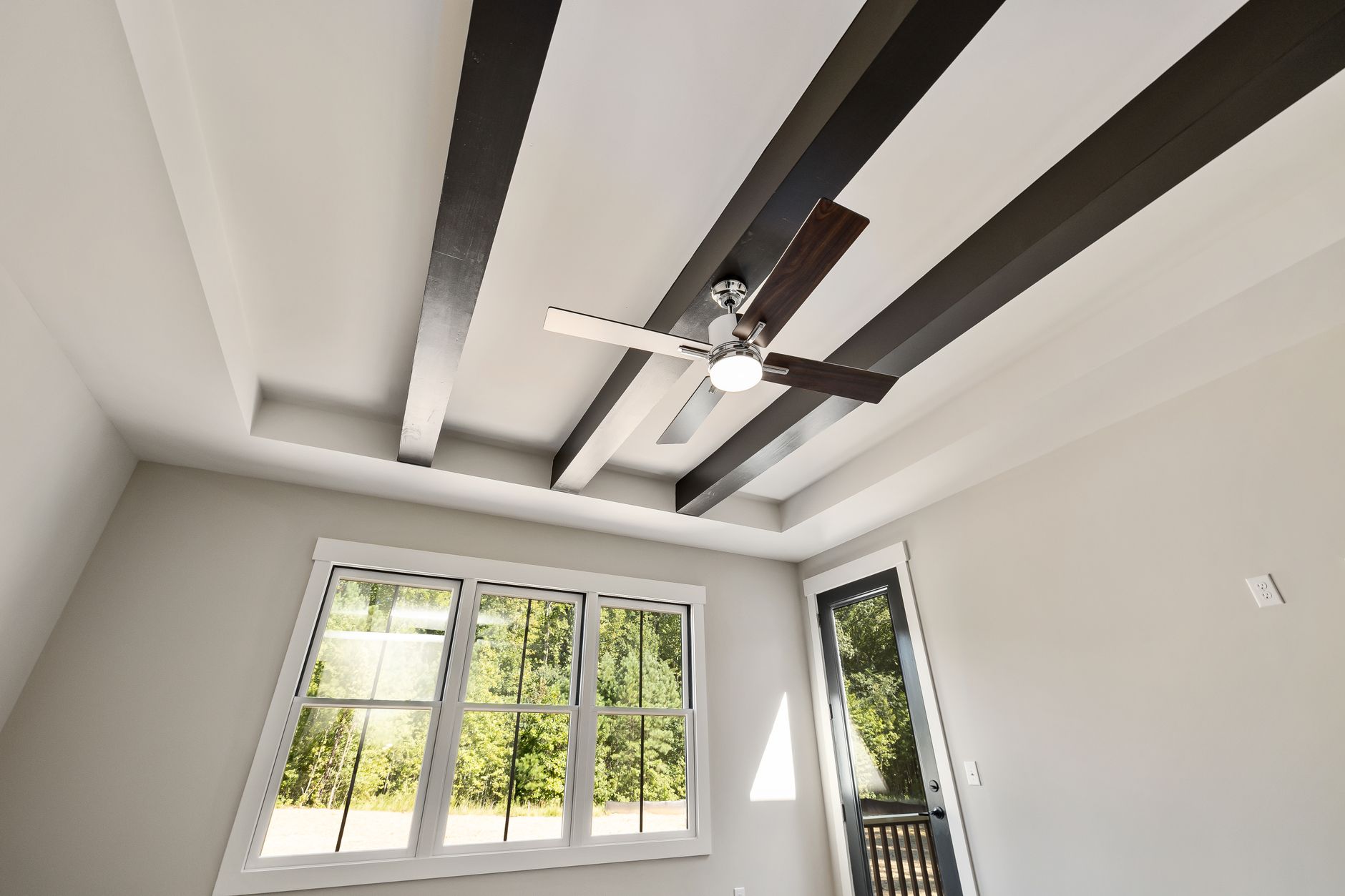
Exposed wood beams — whether structural or purely decorative — bring warmth and a rustic or farmhouse feel to a room. Beamed ceilings are especially popular in bedrooms with vaulted or sloped ceilings, since the beams help ground the space and prevent it from feeling too open or cavernous.
Textured and Plaster Finishes
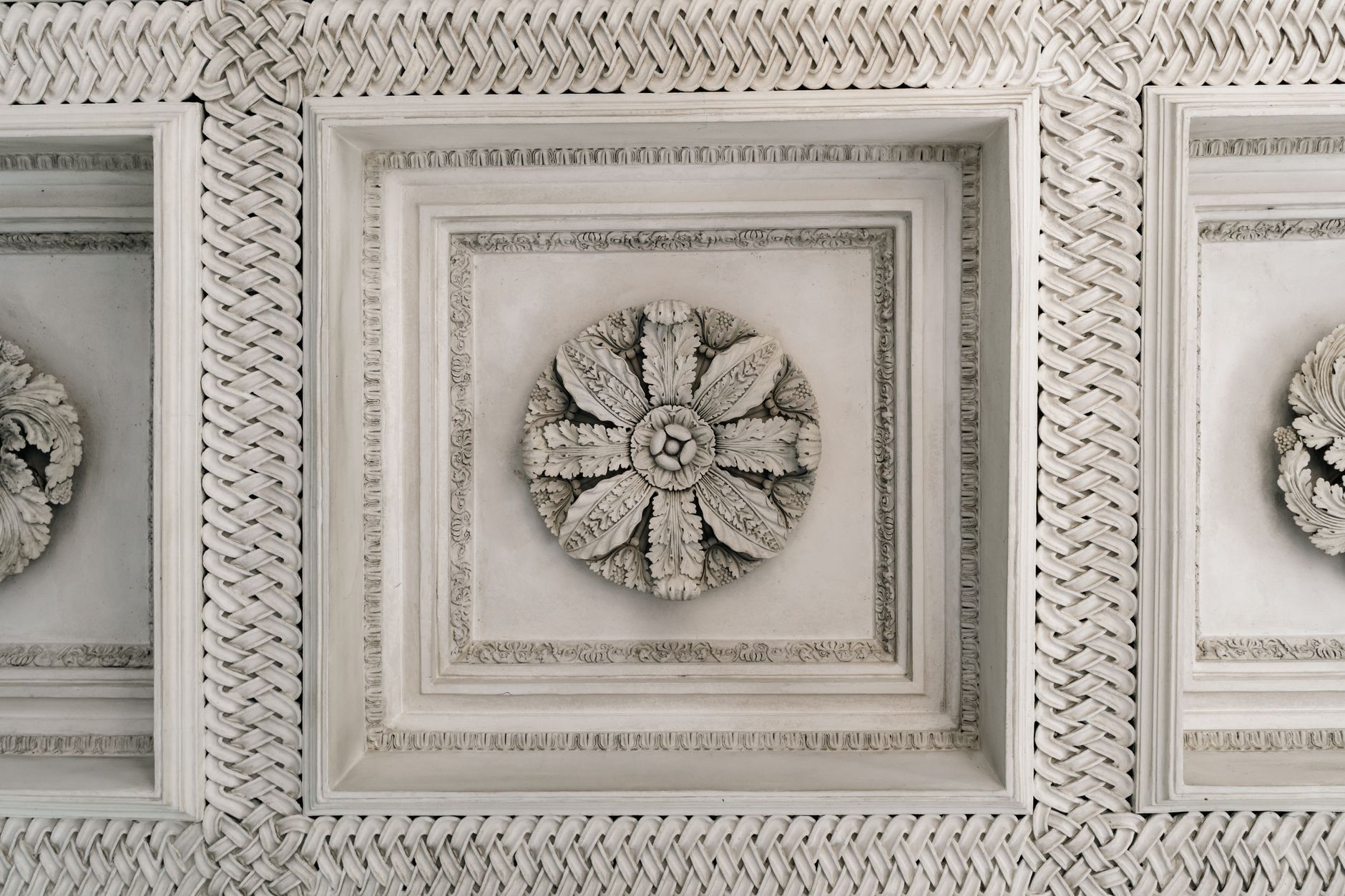
For a softer, more organic look, many homeowners are turning to hand-applied plaster, Venetian stucco, or lime-wash textures on the ceiling. This approach is subtler than a structural change but still adds noticeable depth and tactile interest, especially when paired with warm, diffused lighting.
Wallpapered Ceilings

Applying wallpaper to the ceiling — sometimes called a “fifth wall” treatment — has become a favorite among interior designers for adding pattern, color, or even a mural-like effect overhead. This works particularly well in smaller bedrooms, where a bold pattern above eye level draws the gaze upward without overwhelming the room’s floor space.
Painted Ceilings

Sometimes the simplest option is the most effective. Painting the ceiling a color slightly darker than the walls, or in a contrasting hue entirely, can make a bedroom feel enveloping and intimate. Deep navy, forest green, and warm terracotta are popular choices for this kind of bedroom ceiling design because they create a cocoon-like effect that’s ideal for a restful sleep environment.
Statement Molding
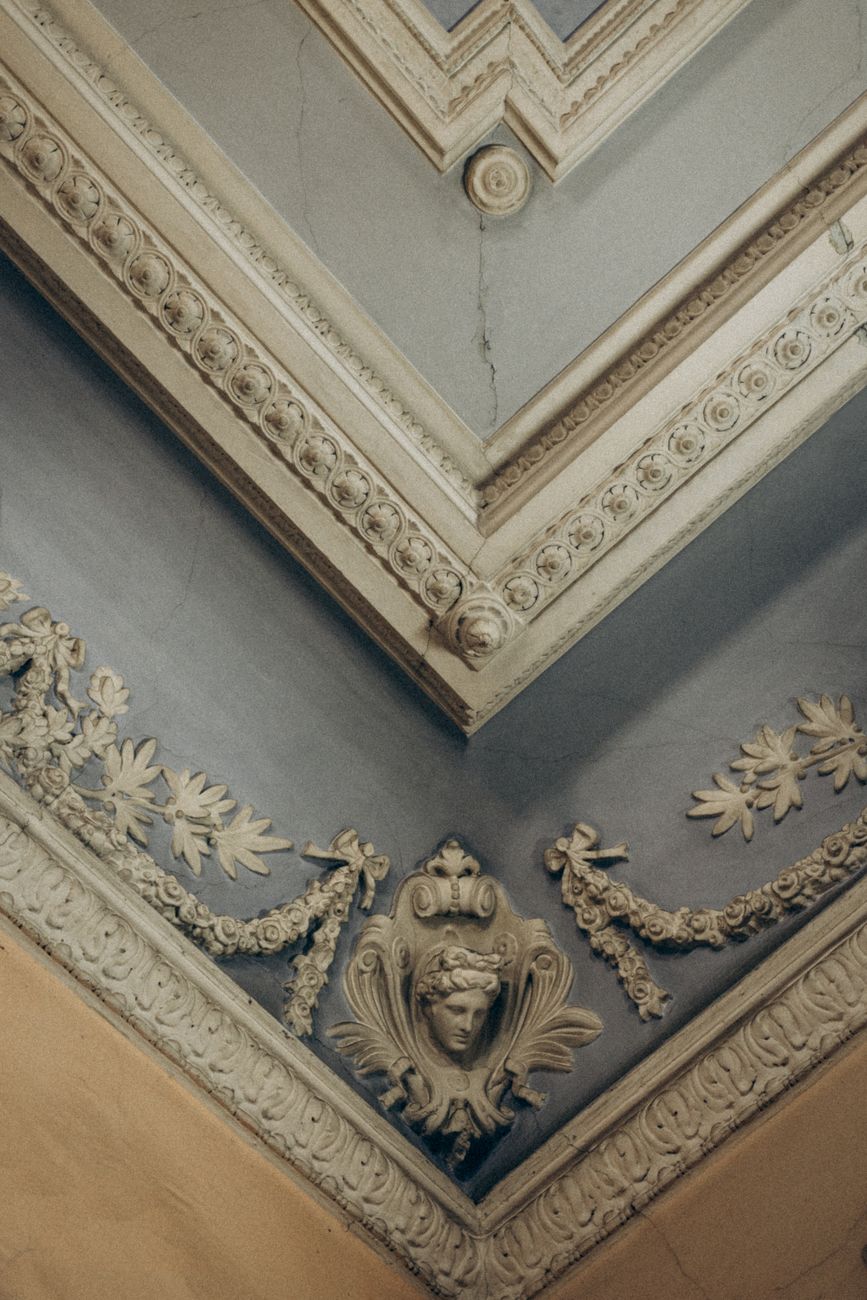
For a more understated but still elevated look, applying decorative molding in geometric or classic patterns can add architectural interest without the cost of a full structural renovation. This is a good middle ground for homeowners who want more than a flat painted surface but aren’t ready to commit to a tray or coffered installation.
Stretch Ceilings and Modern Panel Systems
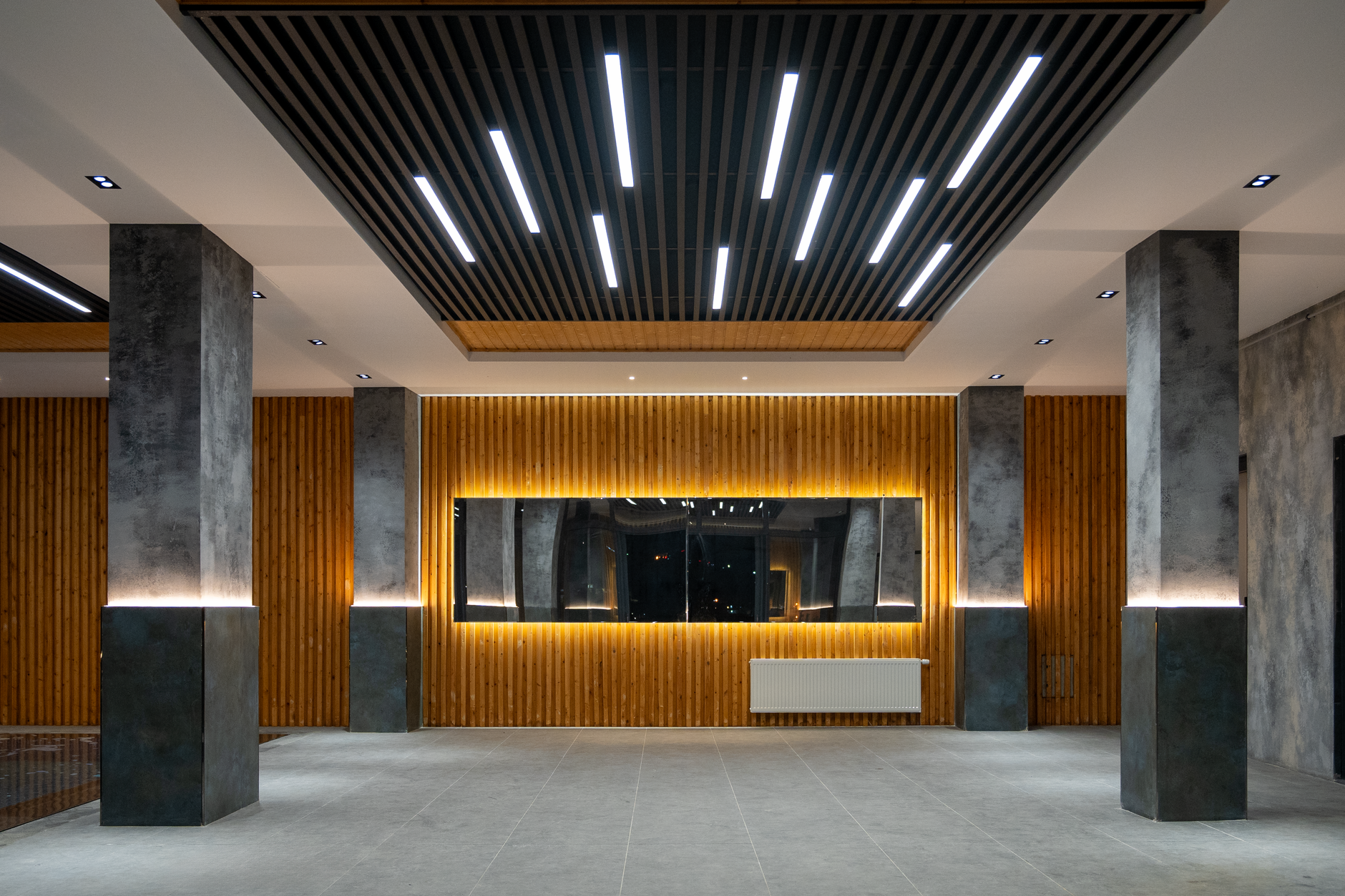
Increasingly popular in contemporary homes, stretch ceilings use a taut PVC or fabric membrane installed just below the actual structural ceiling. This creates a perfectly smooth, sometimes glossy or backlit surface that works especially well in modern or minimalist bedrooms. Because the material can be printed with patterns or lit from behind, it’s one of the more flexible high-tech options for anyone wanting a truly custom look.
Mixed-Material Approaches
Some of the most striking results come from combining two or more techniques — for example, a lightly textured plaster finish framed by simple wood molding, or a wallpapered panel set within a painted border. Mixed-material ceilings allow homeowners to introduce complexity gradually, testing a bolder idea in a contained section before committing to it across the entire surface.
Color & Material Options
| Material | Key Benefits | Best For |
| Gypsum Board | Smooth finish, fire-resistant, durable | False ceilings, modern recessed layouts |
| Plaster of Paris (POP) | Highly customizable, lightweight | Custom shapes, decorative trim |
| Wood / PVC Panels | Warm texture, low maintenance | Rustic, Scandinavian, or accent zones |
| Metal Panels | Industrial feel, high durability | Contemporary / Industrial styles |
Color Palette Selection
- Classic White & Off-White: Maximizes light reflection and makes rooms feel taller.
- Warm Neutrals & Soft Grays: Adds subtle sophistication while keeping the space airy.
- Light Blues & Earthy Tones: Creates a calming, restful environment.
Lighting Strategies for Bedroom Ceilings
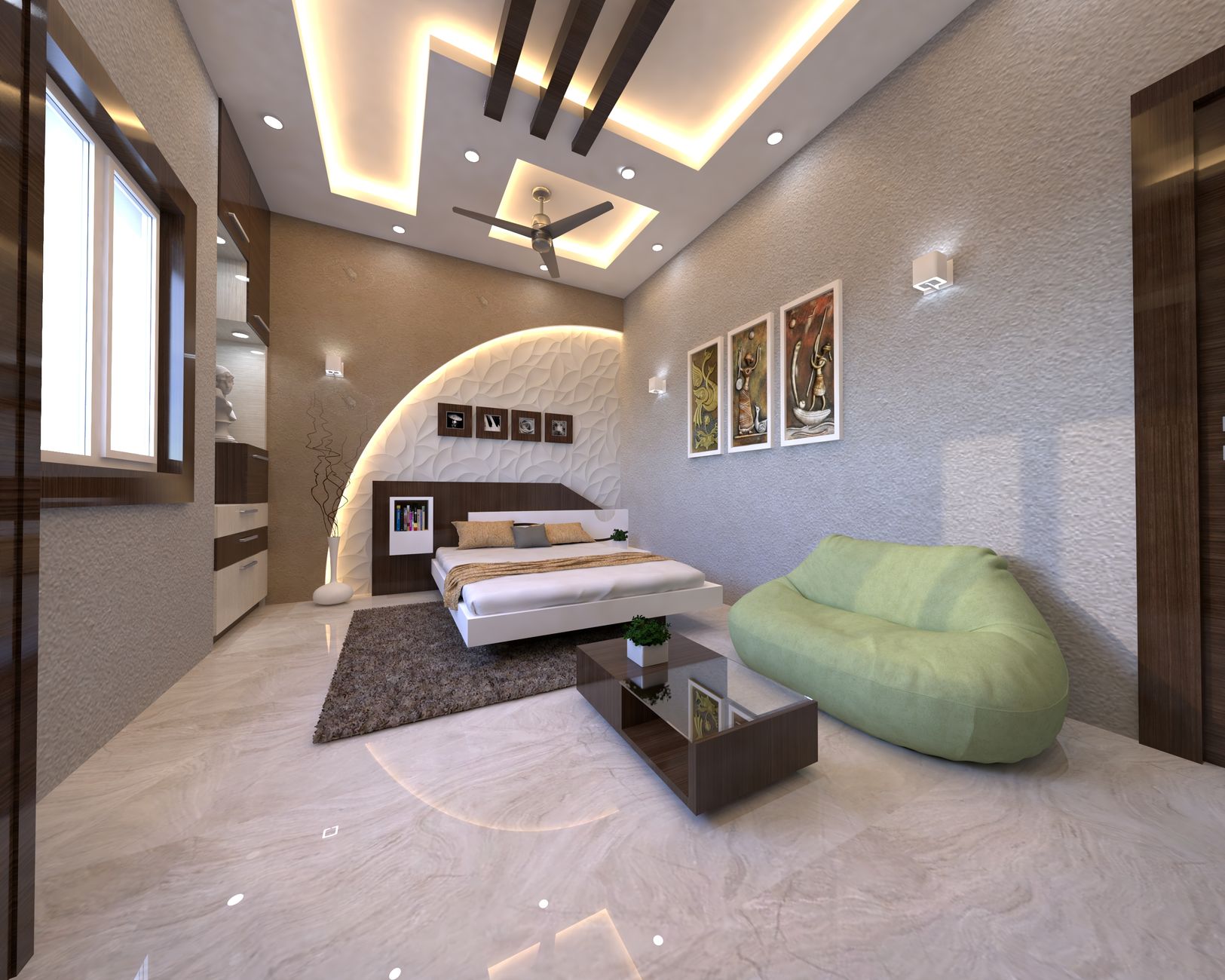
Combining different lighting layers creates depth and ambiance:
- Ambient Lighting: General room illumination using flush mounts, LED panels, or central fixtures.
- Task Lighting: Focused light for reading or working, such as pendant lights or adjustable wall sconces.
- Accent Lighting: Highlights architectural details using strip LEDs, recessed spotlights, or perimeter cove lighting.
- Decorative Lighting: Serves as a focal point, including chandeliers and statement pendants.
Sizing and Installing Ceiling Fans
A ceiling fan should balance functionality with room proportion:
- Positioning: Install in the center of the room whenever possible.
- Clearance: Maintain at least 7 feet of clearance between the floor and fan blades.
- Wall Distance: Keep blades 18 to 24 inches away from adjacent walls.
- Sloped/High Ceilings: Use specialized mounting brackets or downrods to ensure stability and proper airflow.
Budget-Friendly Upgrade Ideas
You don’t need a massive budget to transform your ceiling:
- Paint: Apply a contrasting color or soft accent shade.
- LED Strips: Add indirect strip lighting along crown molding or ceiling edges.
- Molding: Install decorative trim or faux wooden beams to add architectural interest.
Common Mistakes to Avoid
- Overcomplicating Small Spaces: Intricate designs can overcrowd low or compact ceilings.
- Dark Colors on Low Ceilings: Dark shades tend to make lower ceilings feel oppressive.
- Neglecting Lighting Plan: Designing a ceiling without integrating lighting limits its visual effect.
- Ignoring Ventilation: Ensure proper air circulation to prevent moisture buildup and damage.
Maintenance & Care Guidelines
- Bi-Weekly: Dust with a soft micro-fiber cloth or duster.
- As Needed: Spot clean marks with a damp cloth.
- Annually: Inspect for hair-line cracks, water stains, or loose fixtures.
- 5–7 Years: Repaint to keep the ceiling looking clean and fresh.
Bedroom Ceiling Design Trends for 2026
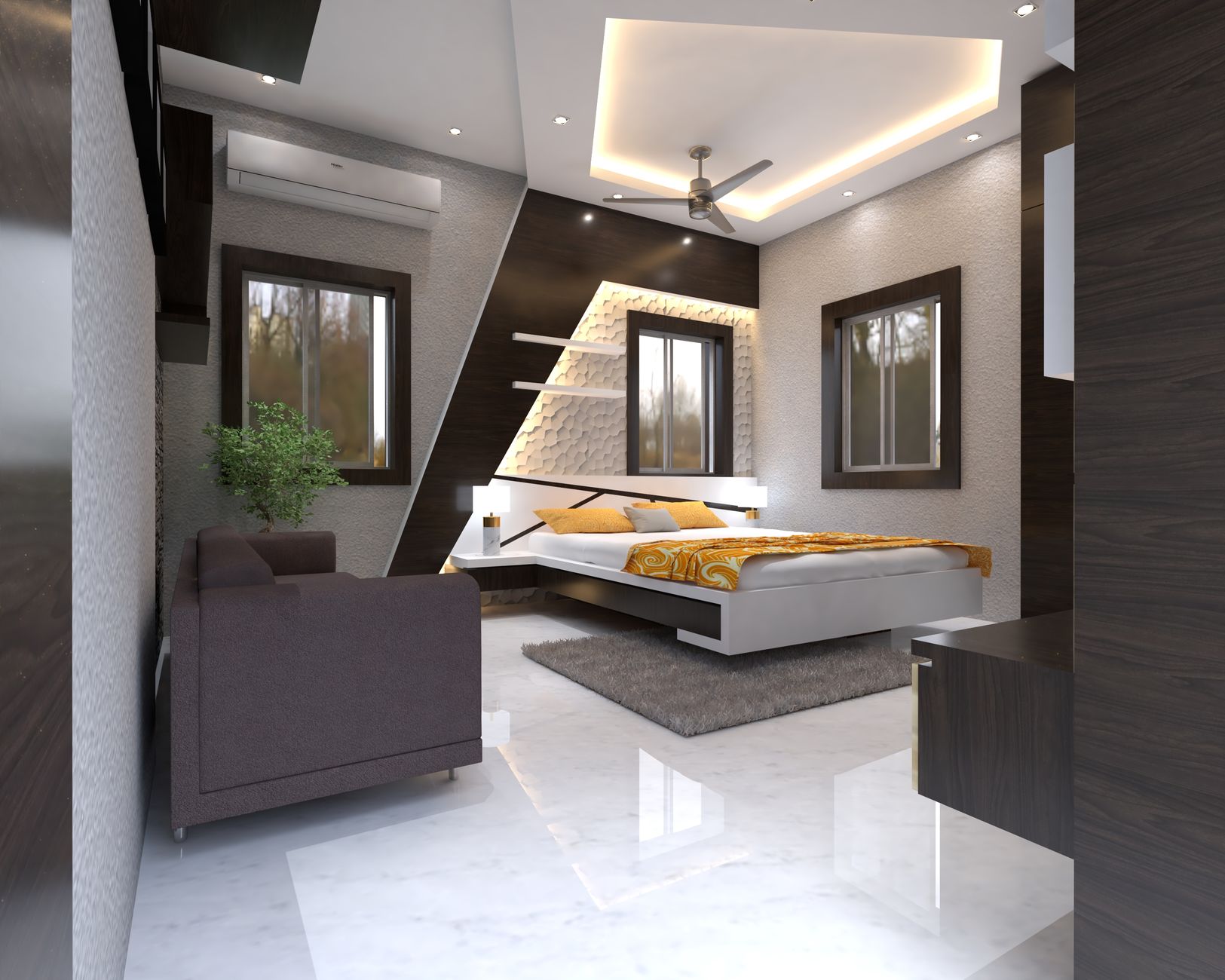
- Geometric & Curved Patterns: Soft curves and subtle geometric paneling.
- Smart & Voice-Controlled LEDs: Integrated smart lighting systems for customizable ambiance.
- Sustainable Materials: Eco-friendly paneling and low-VOC plaster finishes.
- Matte & Textured Finishes: Non-reflective textures that absorb light for a cozy effect.
- Hidden Acoustics & Audio: Built-in speakers seamlessly integrated into ceiling boards.
Frequently Asked Questions (FAQs)
Q: What is the best material for a false ceiling?
A: Gypsum board is widely considered the best option due to its smooth finish, fire resistance, and structural stability.
Q: Which ceiling color makes a small bedroom look larger?
A: Light colors—especially crisp white, cream, or light pastels—reflect more light and visually elevate the ceiling.
Q: Can I add LED lights to an existing ceiling?
A: Yes. You can install surface-mounted LED channels, crown molding with built-in strip lighting, or drop-down panels without full structural ceiling renovations.
Conclusion
Your bedroom ceiling is a blank canvas with immense design potential. Whether you opt for a sleek modern false ceiling, warm wood accents, or simply a fresh coat of paint paired with updated lighting, a thoughtful ceiling design creates a balanced, comfortable, and stylish personal sanctuary.
1 thought on “Bedroom Ceiling Design: 10 Modern, Luxury & Simple Ceiling Ideas for Every Home (2026 Guide)”