
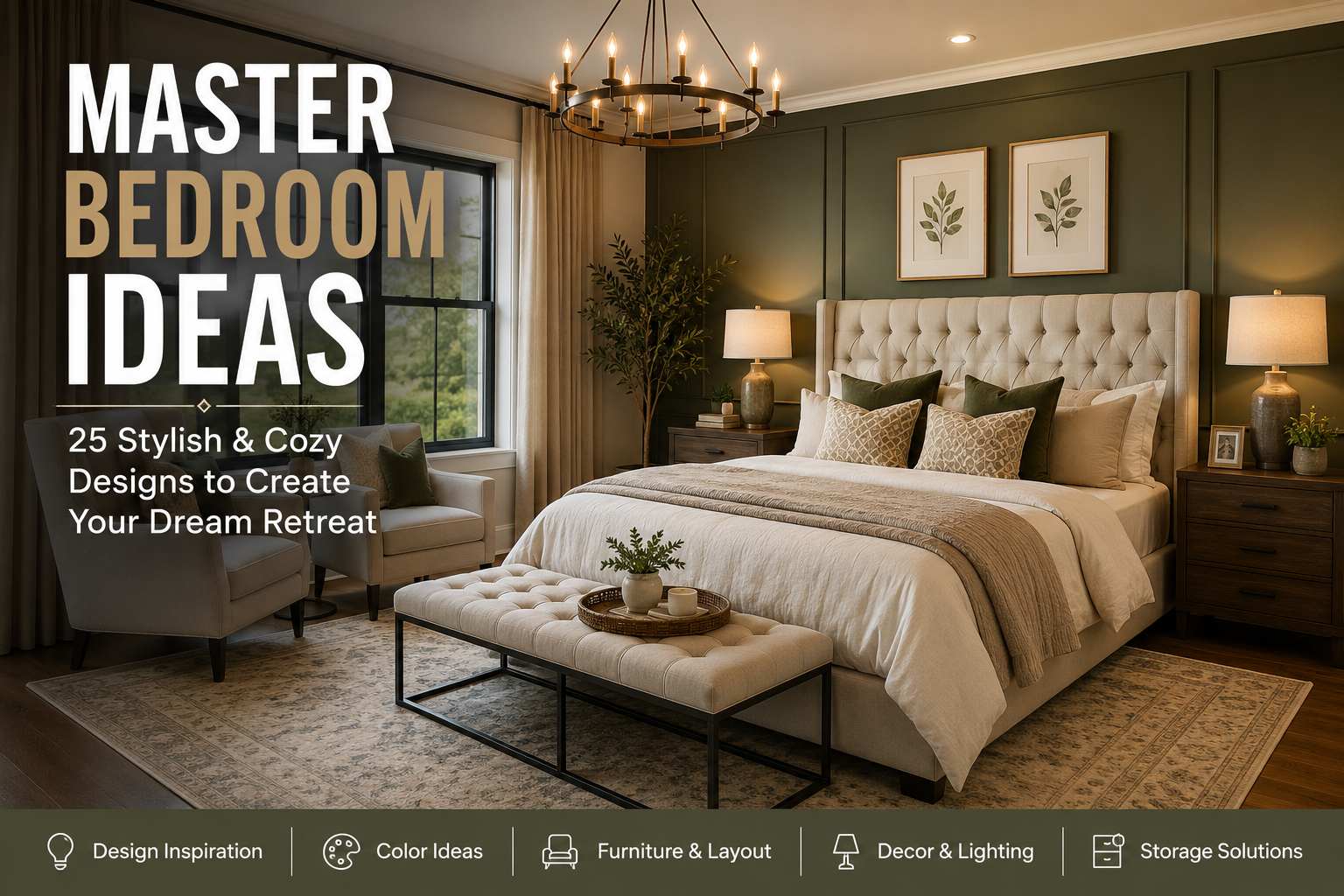
Your bedroom should be a place where you can relax and feel comfortable. It should be peaceful and reflect your personality. Exploring the best master bedroom ideas can turn an ordinary room into a beautiful retreat. This can be done by thinking about furniture placement, choosing calming colors, picking bedding, and selecting nice lighting and decor.
Whether you have a large room or a small one, incorporating creative master bedroom ideas can make a big difference. In this guide, you will find inspiring ways to create a space that is both functional and relaxing.
1. Choose a Calming Color Palette
The colors you choose for your bedroom can really affect how it feels. Soft colors like beige, gray, and blue are timeless master bedroom ideas that create a serene atmosphere.
If you want your bedroom to look sophisticated, you can combine two or three colors that go well together. For example, paint your walls a soft beige color and use cream-colored bedding with natural wood furniture.
If you want something more dramatic, paint one wall a deep accent color like navy blue or forest green. Just make sure the rest of the room stays simple so it does not feel overwhelming.
2. Create a Statement Headboard
A headboard can be the main focal point of your space. Upholstered headboards are popular master bedroom ideas because they add comfort and visual interest to the bed.
You can choose a headboard with clean lines for a modern look or a traditional one with a tufted design. A natural wood headboard is also great for a contemporary, warm feel.
Instead of a traditional headboard, you can create a feature wall behind your bed using decorative panels, textured wallpaper, or wood slats. When choosing a headboard, keep scale in mind so it doesn’t overwhelm a small space or get lost in a large room.
3. Invest in Quality Bedding
Your retreat will not feel complete without comfortable bedding. Since the bed is usually the largest piece of furniture in the room, upgrading your linens is one of the easiest master bedroom ideas to transform the space.
Start with quality sheets and choose materials that feel good against your skin. Add decorative pillows and a throw blanket to make the bed look finished and inviting.
For a hotel-like look, use several layers of bedding in colors that complement each other. White bedding with beige, gray, or earthy accents looks elegant and timeless.
4. Add Layered Bedroom Lighting
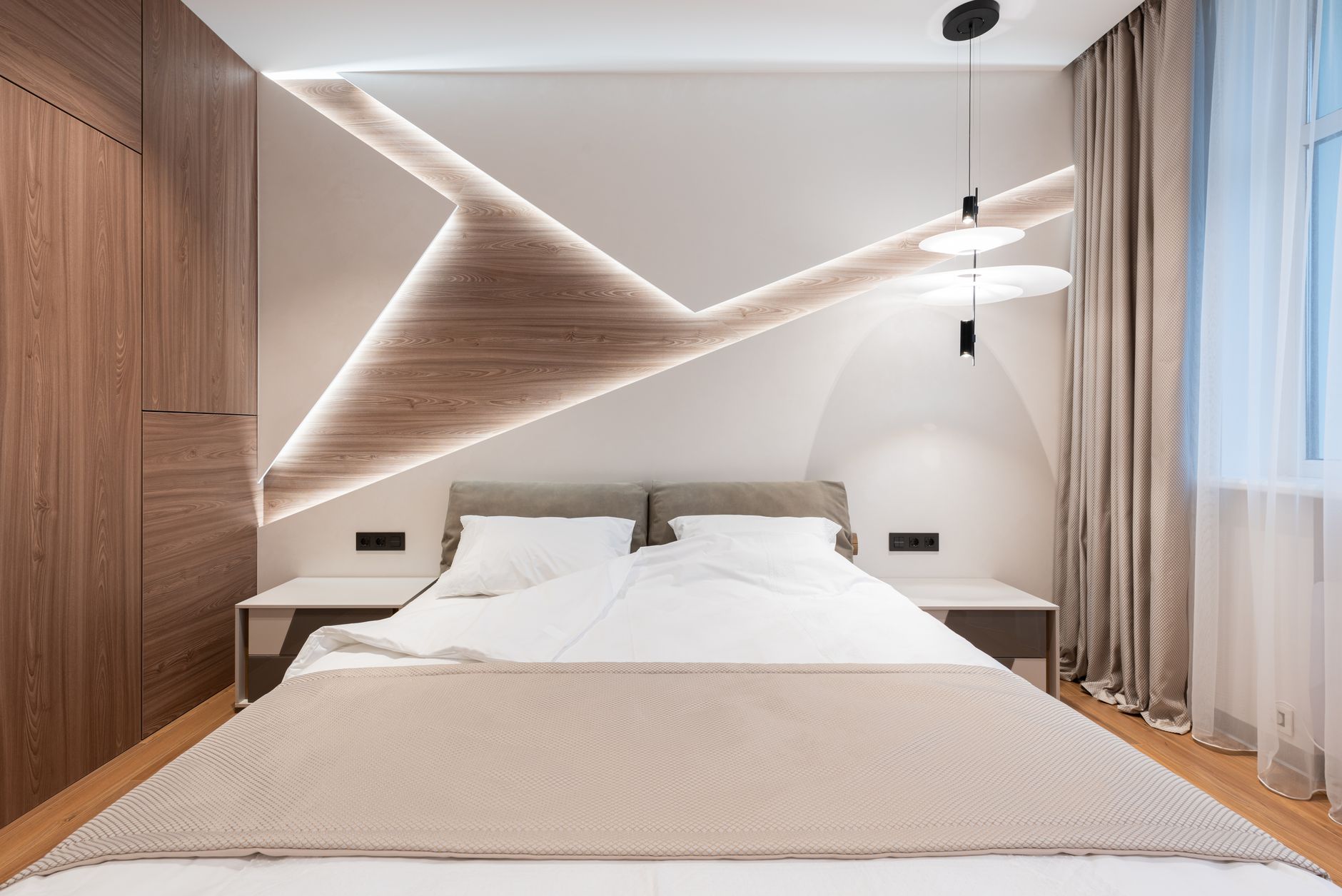
Lighting is essential in bedroom design. Instead of relying on a single overhead ceiling light, test out layered lighting concepts among your master bedroom ideas.
Table lamps provide focused light for reading, while wall sconces save valuable space on small nightstands. Pendant lights can create a striking focal point when hung on either side of the bed.
For overall lighting, consider a dimmable ceiling fixture. Dimmers let you change the brightness to suit the time of day and warm-toned bulbs help create a softer environment.
5. Use an Accent Wall
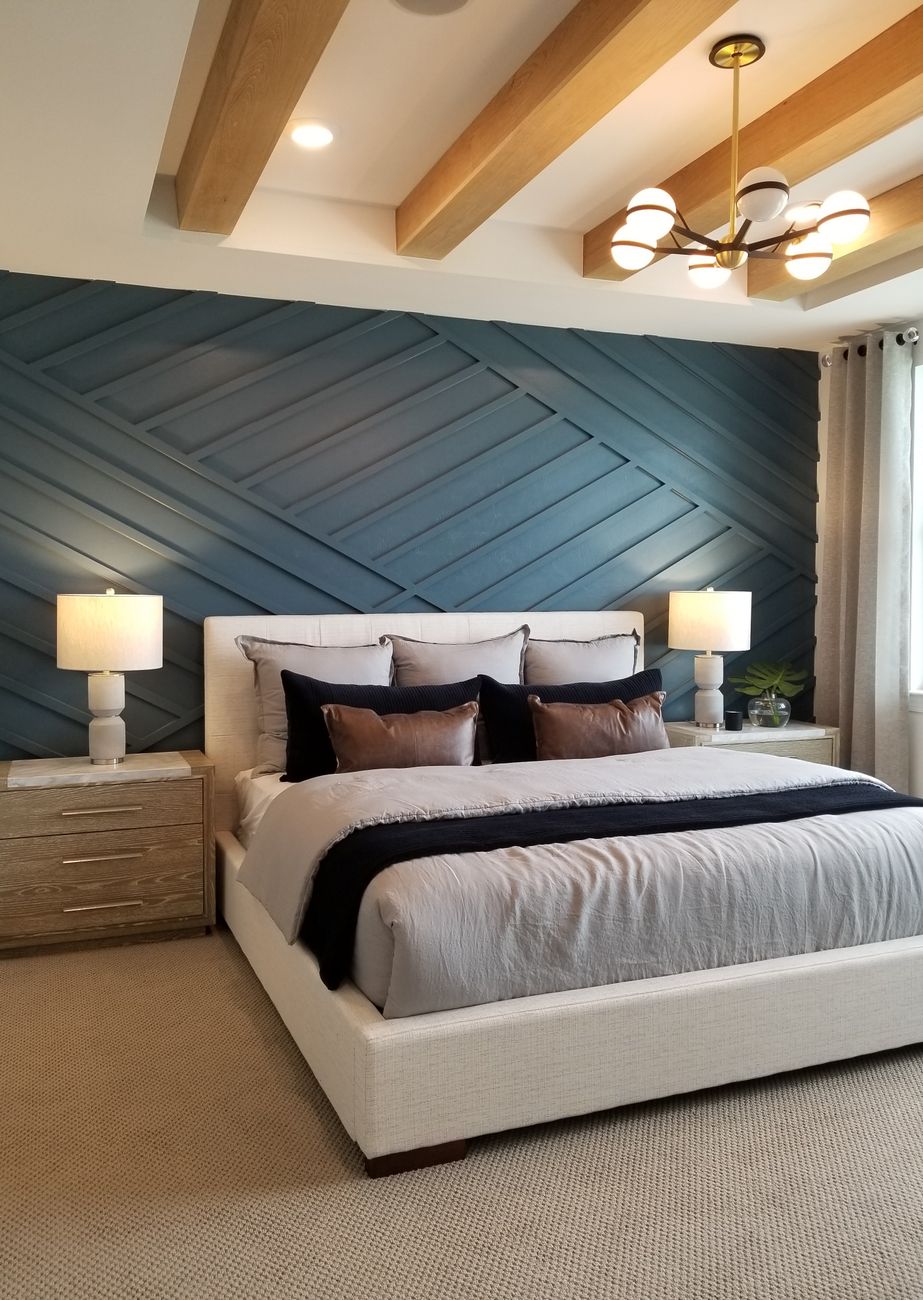
An accent wall can add personality to your bedroom without requiring a full-room makeover. The wall behind the headboard is usually the best location for an accent wall.
You can create an accent wall with paint, wallpaper, wood paneling, or decorative molding. If your bedroom already has a lot of patterns, choose a subtle, solid accent wall to keep things balanced.
For a modern look, consider textured wallpaper or vertical molding. For a softer feel, paint the feature wall a muted earthy color.
6. Bring Natural Materials Into the Room
Natural materials can make your bedroom feel warmer and more inviting. Wood, rattan, linen, and stone-inspired accessories add rich texture and character.
A wooden bed frame or nightstand softens a room with a lot of painted surfaces. Woven baskets provide stylish storage, while linen curtains give windows a relaxed, airy look.
Plants are another great way to bring natural elements into your bedroom. Choose indoor plants that suit the light conditions and maintenance level you can manage.
7. Select the Right Area Rug
An area rug makes your bedroom feel warmer and softer underfoot. It also helps define the sleeping zone and anchors the bed with the surrounding furniture.
For a larger bedroom, choose a rug that extends well beyond both sides and the foot of the bed. In a smaller room, a runner or smaller rug beside the bed provides comfort without crowding the floor.
Neutral rugs work well with almost any color palette, while patterned rugs can inject personality.
8. Keep Nightstands Functional
Nightstands should provide accessible storage and complement the bed. Choose pieces that are roughly the same height as the top of your mattress or slightly lower.
Drawers help keep personal items hidden, while open shelving lets you display books or decorative items. If the room is small, floating nightstands preserve floor space and create a lighter visual profile.
Avoid cluttering the surface. A lamp, a small plant, a book, and a decorative object are usually enough.
9. Incorporate Mirrors to Boost Light
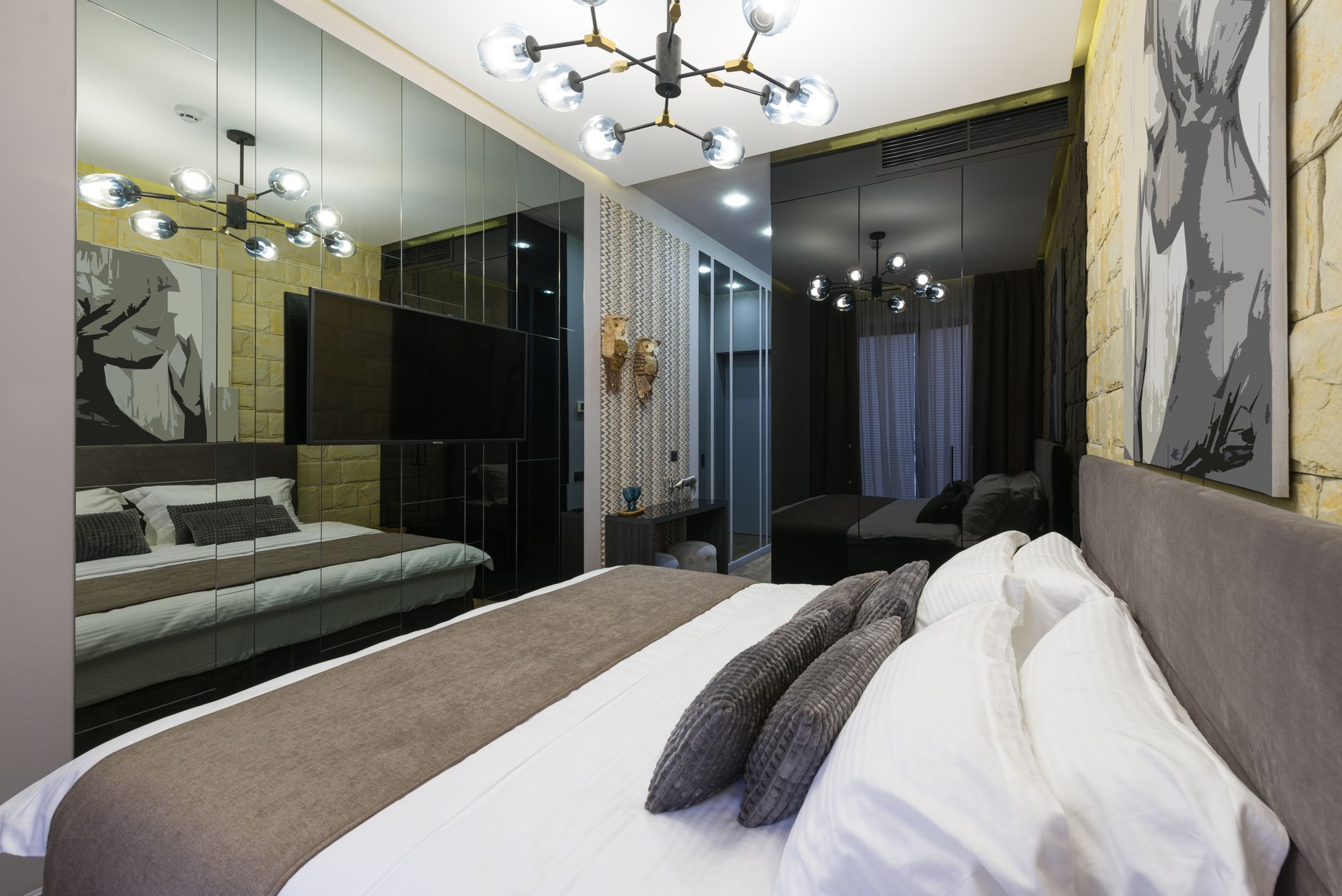
Mirrors make your bedroom appear brighter and more spacious by reflecting natural and artificial light.
A large mirror placed opposite a window helps distribute daylight throughout the room. Alternatively, you can hang matching mirrors above nightstands or place a floor mirror near a dresser.
If your room already has many reflective surfaces, avoid adding too many extra mirrors. One well-placed mirror has a far greater impact than several smaller ones.
10. Add Tailored Window Treatments
Window treatments affect both the aesthetic appeal and daily comfort of your bedroom. Curtains, shades, blinds, or layered treatments control light while framing the space.
For an elegant look, use full-length curtains hung near the ceiling that extend all the way to the floor. This draws the eye upward and makes windows appear taller.
Blackout curtains are ideal if you need to block early morning sunlight. For versatile light control, combine functional shades with decorative drapery panels.
11. Create a Cozy Sitting Area
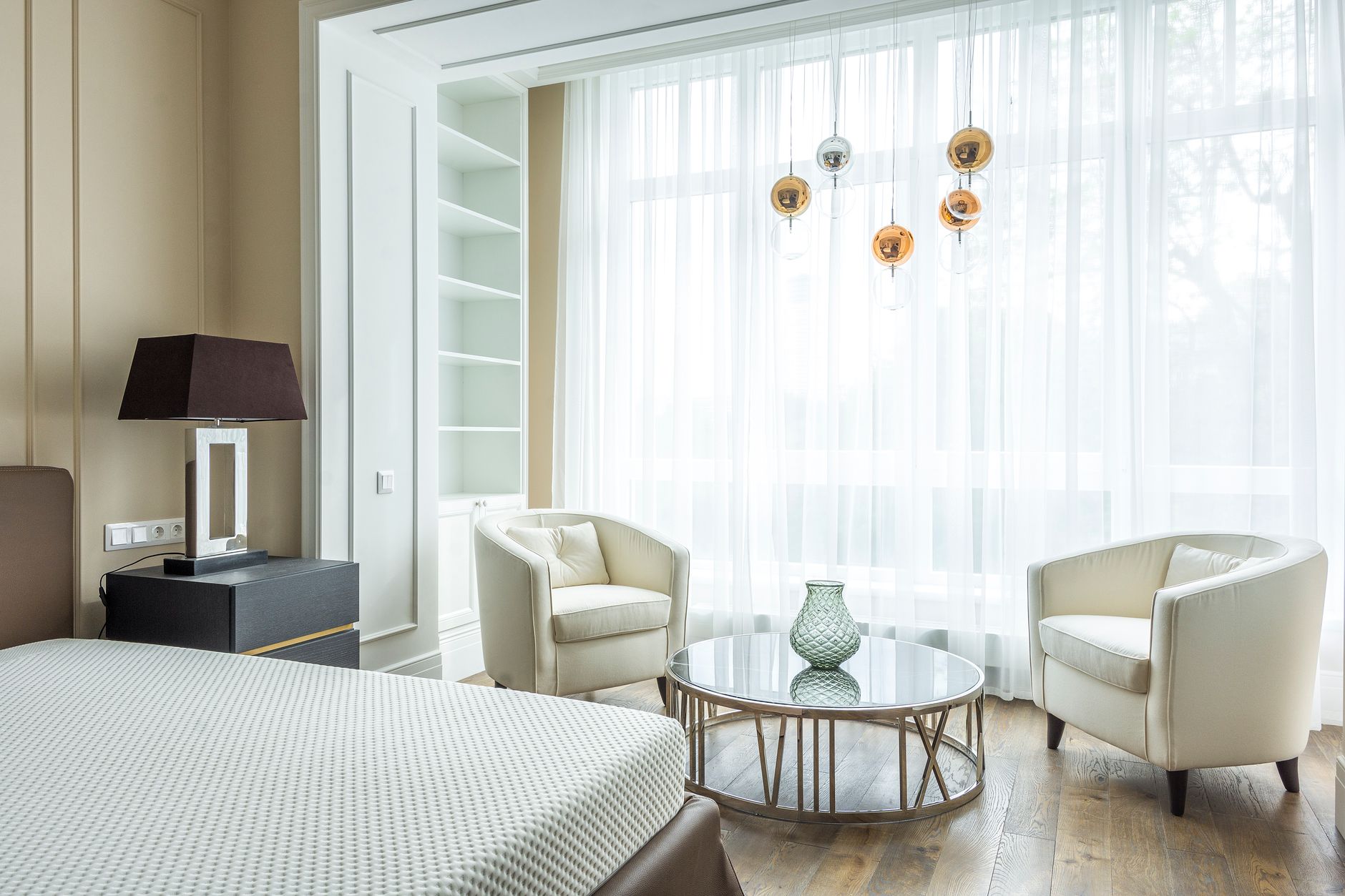
If you have unused space, consider adding a small sitting area. Two accent chairs and a side table create an inviting nook for reading or unwinding.
A bench placed at the foot of the bed is another great option. It offers a practical spot to sit while getting dressed and can double as extra storage.
In smaller bedrooms, avoid adding furniture just to fill an empty corner. Every piece should serve a clear purpose, leaving enough clear space for comfortable movement.
12. Use Built-In or Hidden Storage
Clutter quickly makes a bedroom feel chaotic. Smart storage solutions help maintain a calm, peaceful environment.
Built-in wardrobes maximize vertical space, while bed frames with built-in drawers provide substantial storage without taking up additional floor footprint.
One of the most effective master bedroom ideas is to make storage an intentional part of the architectural design rather than treating it as an afterthought.
13. Try a Modern Minimalist Style
Minimalism focuses on simplicity, clear visual lines, and high functionality. A minimalist bedroom never has to feel cold or empty.
Choose a streamlined bed, simple nightstands, minimal decorative objects, and a restrained color scheme. Introduce warmth through natural wood elements, textured bedding, and soft ambient lighting.
The key is removing unnecessary clutter while keeping essential pieces that contribute to comfort and personal expression.
14. Explore a Cozy Farmhouse Look
Farmhouse-inspired bedrooms blend natural materials, muted tones, comfortable textiles, and classic details.
A wooden bed frame, neutral bedding, woven storage baskets, vintage-style lighting, and simple artwork work together to form a cozy farmhouse atmosphere.
You don’t need to overdo the theme. A contemporary interpretation pairs natural wood with clean-lined modern furniture and sophisticated neutral tones.
15. Add Personality With Artwork
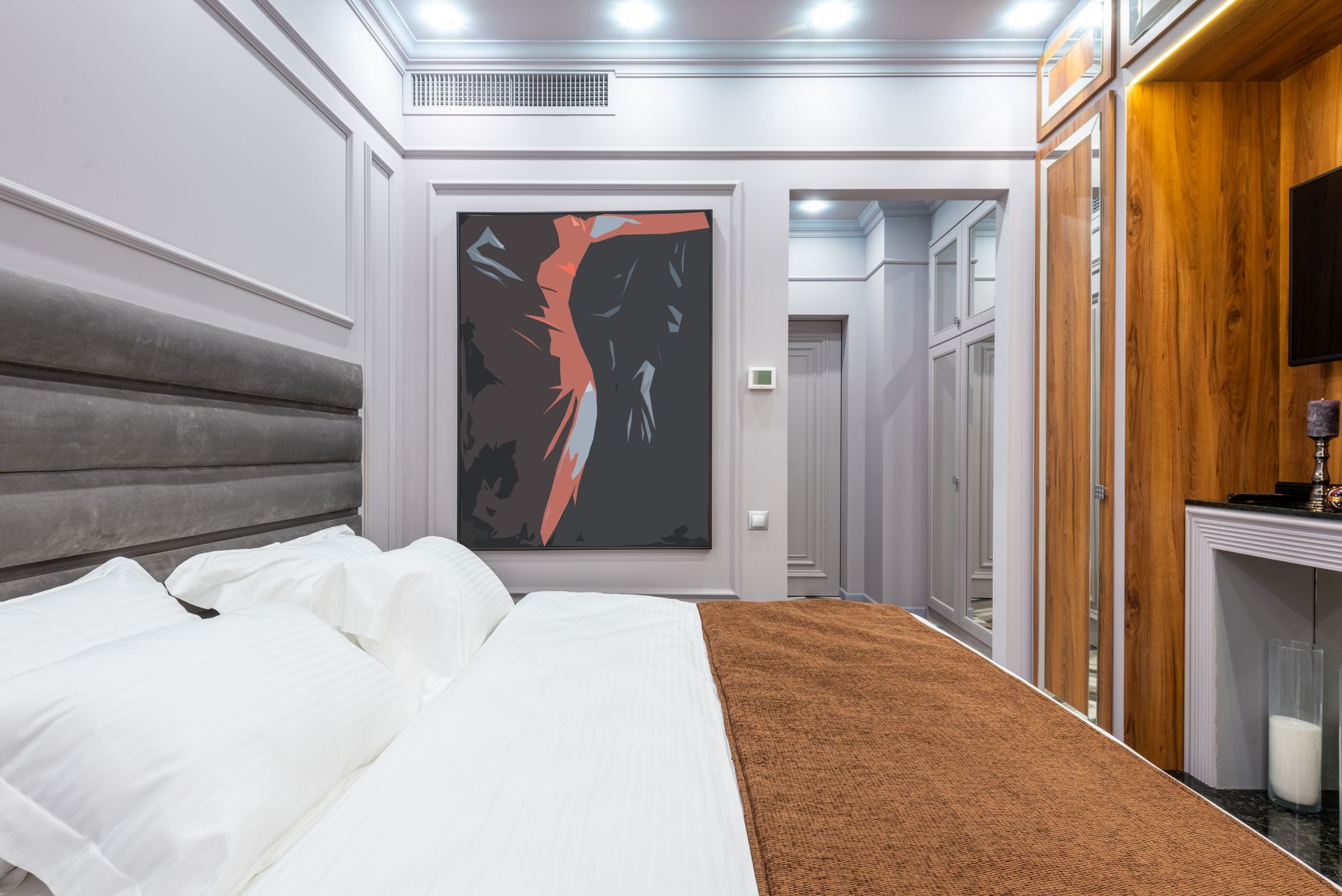
Artwork is one of the most effective ways to personalize your bedroom. A large statement piece above the bed creates a striking focal point, while a curated gallery wall offers a rich, collected feel.
Select artwork that matches your color scheme and personal taste. Abstract paintings suit modern aesthetics well, while landscapes and botanical prints reinforce a soothing, natural feel.
Always keep scale in mind: small art gets lost over a large bed, while oversized pieces can overwhelm smaller walls.
16. Use Textures to Add Depth
Layering different textures adds depth and warmth, especially when working with monochrome or neutral color palettes.
Combine contrasting textures—such as sleek wood, soft velvet, woven rattan, knitted throws, and plush rugs—to make the space visually rich without relying on bright colors.
The best master bedroom ideas often rely on tactile variation like linen curtains and textured wall finishes to prevent a neutral space from feeling flat.
17. Design a Stylish Bedroom on a Budget
You don’t need a huge budget to make a bedroom look luxurious and well-designed. Focus on high-impact updates that yield the biggest visual return.
New bedding, floor-length curtains, updated lighting fixtures, modern drawer hardware, and a well-sized area rug can completely elevate the space.
Keep decor simple and intentional. Matching furniture finishes or investing in one standout feature—like a statement headboard—makes the entire room look cohesive and high-end.
18. Make a Small Bedroom Feel Larger
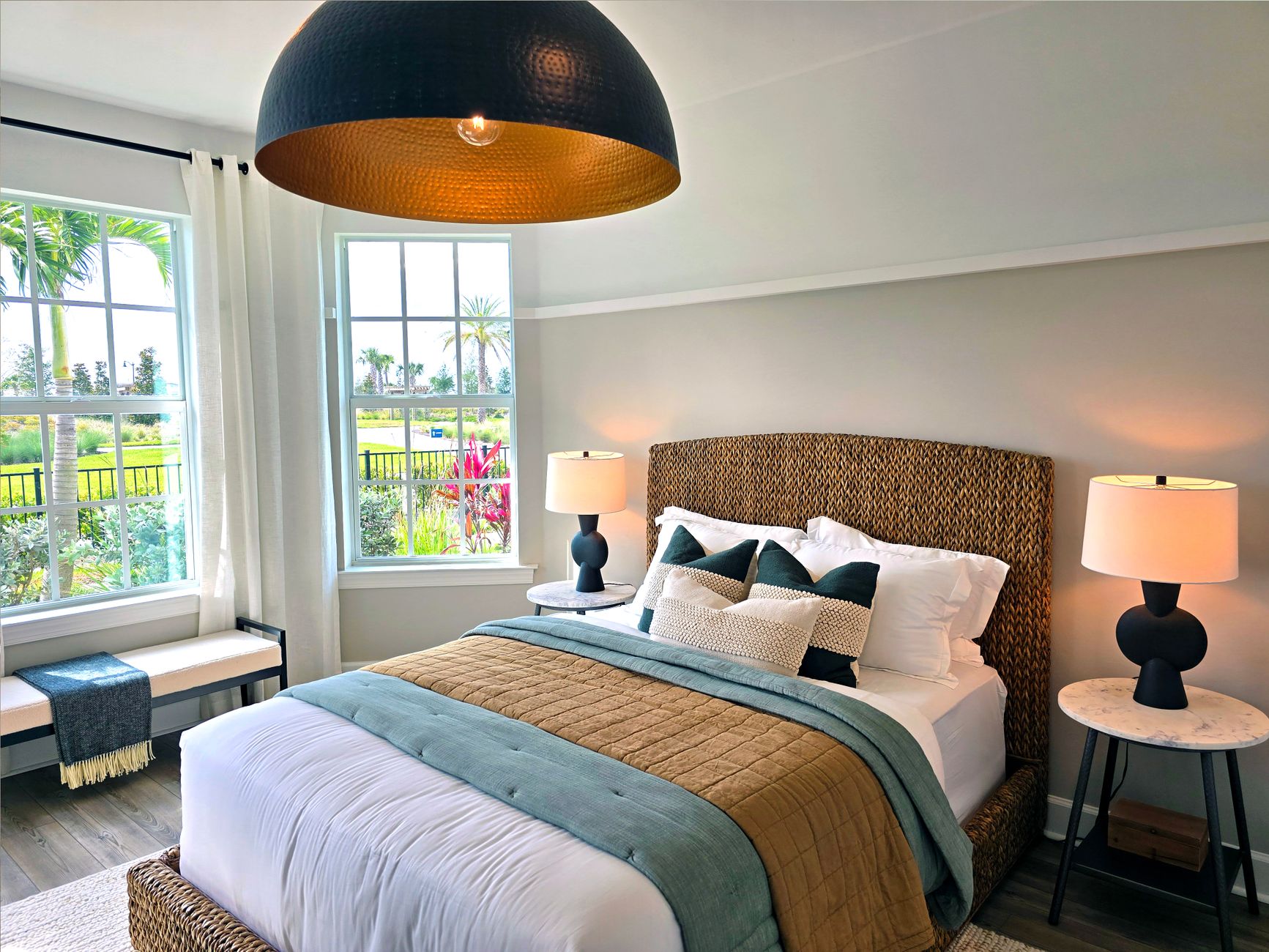
Small bedrooms require thoughtful spatial planning. Choose scale-appropriate furniture rather than oversized pieces that crowd the floor.
Utilize light paint colors, strategic mirrors, wall-mounted light fixtures, and leggy furniture to create a sense of openness.
Keep traffic pathways clear around the bed, and utilize vertical wall space or platform beds with built-in storage to keep floor space uncluttered.
19. Create a Romantic Atmosphere
To cultivate a romantic feel, focus on ambient lighting, soft touchable textures, warm undertones, and elegant details.
Dimmable lamps, plush bedding, sheer drapery, subtle scent accents, and artwork help set a calming mood.
Keep the look timeless and sophisticated by choosing refined color palettes such as blush, cream, warm beige, or muted burgundy.
20. Design Around a Clear Focal Point
Every well-designed bedroom needs a clear focal point that draws the eye upon entering. In most cases, the bed serves as the main feature.
Position the bed on the primary wall facing or visible from the entrance whenever possible. Frame it with artwork, symmetrical lighting, an accent wall, or a statement headboard.
Arranging secondary furniture around this main focal point gives the room an intentional, professionally designed layout.
21. Incorporate Smart Technology Carefully
Smart technology adds convenience, but excessive electronics can interfere with relaxation.
Consider subtle upgrades like dimmable smart bulbs, automated window shades, or built-in charging stations tucked into nightstand drawers.
Keep cables hidden and conceal entertainment hardware when not in use so the room remains a restful sanctuary.
22. Choose Furniture Proportionately
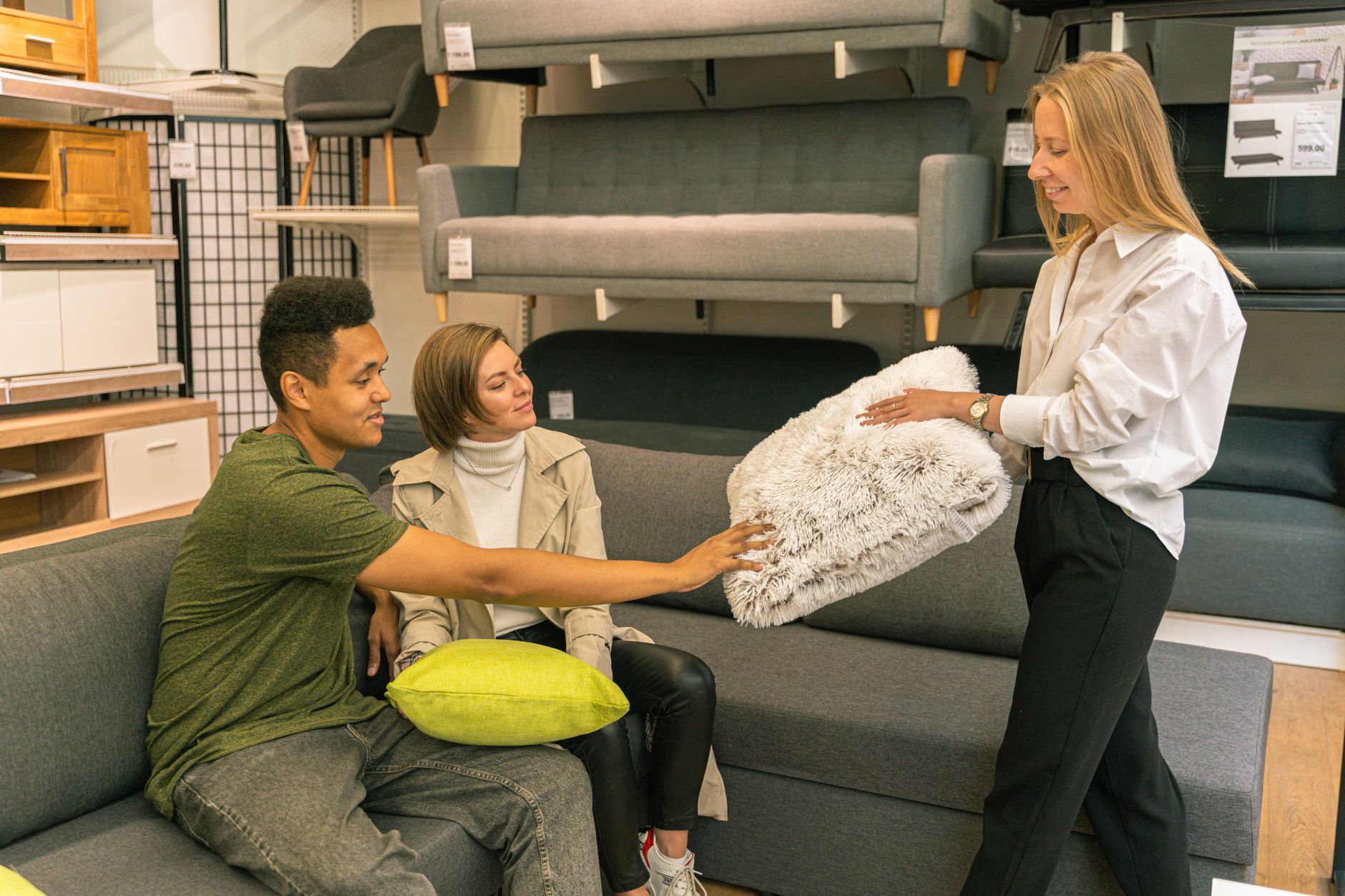
Furniture scale is critical to achieving a balanced room layout. An oversized bed in a small room feels cramped, while tiny furniture gets lost in a spacious master suite.
Measure your room carefully before buying new pieces and map out a simple floor plan.
Ensure there is ample clearance for opening doors and drawers, as well as comfortable walkways around all sides of the bed.
23. Add Fresh Greenery
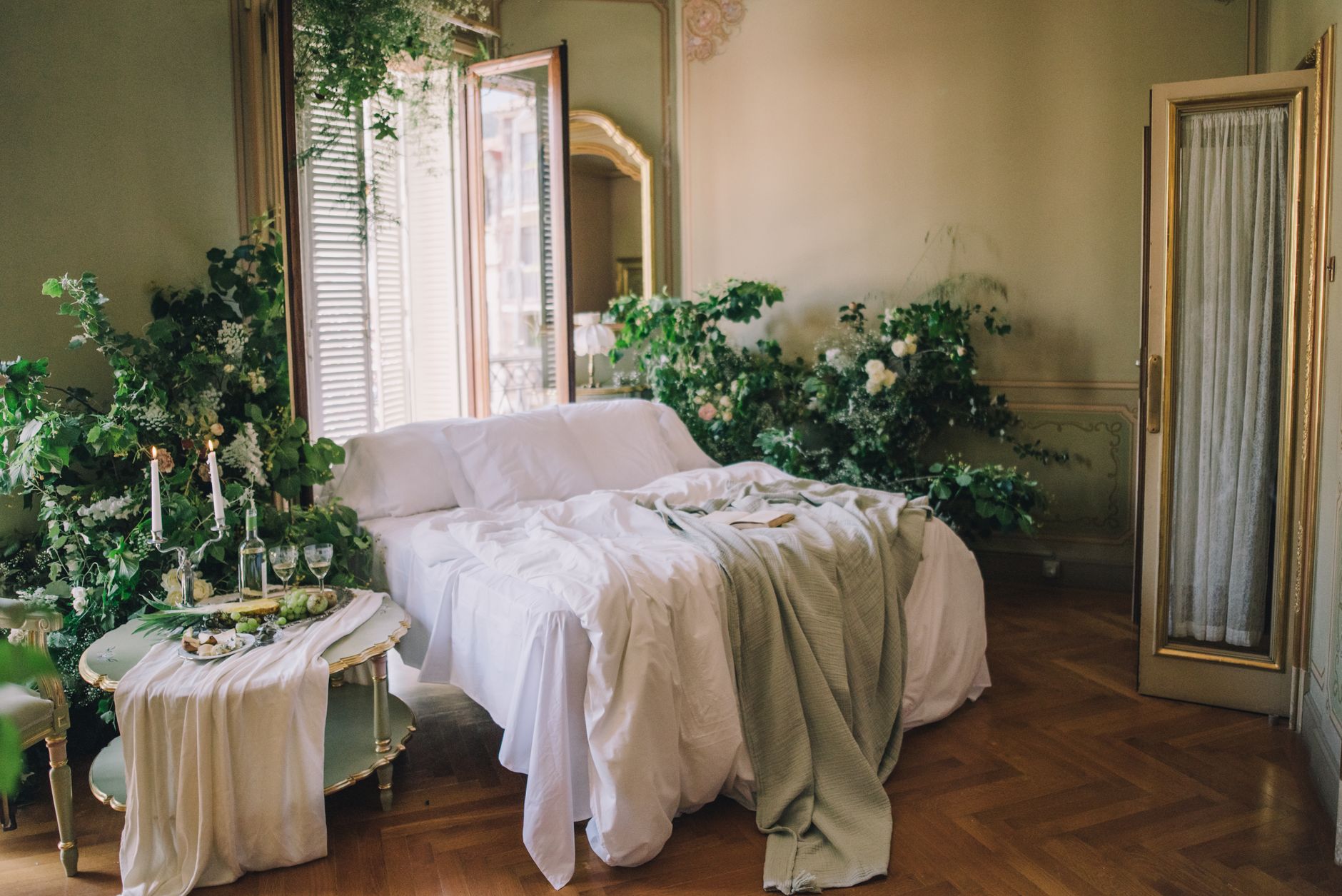
Plants introduce natural color, organic shapes, and vitality into the bedroom environment.
A tall floor plant in an unused corner acts as a living decor accent, while smaller potted plants look great on dressers or window sills.
Select low-maintenance varieties that thrive in your room’s light conditions. High-quality faux botanicals are also a great alternative if light or care time is limited.
24. Mix Traditional and Modern Elements
You don’t have to strictly stick to one decor style. Blending traditional and modern elements creates a rich, personalized bedroom design.
Pair a classic upholstered bed with sleek, contemporary lighting, or set modern nightstands next to a vintage-framed mirror.
Tie mismatched styles together using a cohesive color palette, consistent wood finishes, or matching metal hardware accents.
25. Personalize with Final Touches
The best bedrooms reflect the people who sleep in them. Finish your space with personal items that bring you joy.
Display favorite books, framed family photographs, travel keepsakes, or meaningful art pieces.
Avoid cluttering surfaces by displaying a few curated items at a time and rotating them periodically to keep the room feeling fresh.
How to Plan Your Bedroom Makeover
Before starting your makeover, outline a simple step-by-step plan based on your priorities and budget. Identify current pain points—such as lack of storage, poor lighting, or an outdated color scheme—and tackle improvements systematically:
- Measure the room and draft a floor plan.
- Decide on a design style and color palette.
- Determine the best furniture arrangement.
- Upgrade key elements: Lighting, bedding, and window treatments.
- Organize storage and eliminate daily clutter.
Implementing structured master bedroom ideas prevents impulse purchases and ensures a cohesive final layout.
Common Bedroom Design Mistakes to Avoid
- Pushing all furniture against the walls: Pushing everything flush against walls doesn’t always make a room look bigger; balanced floating arrangements often look better.
- Overdecorating: Too many small visual distractions ruin the restful quality of a bedroom.
- Relying on a single light source: A single overhead fixture creates harsh shadows; always layer your lighting.
- Chasing short-lived trends: Base your core layout and large furniture investments on timeless comfort rather than fleeting design fads.
Frequently Asked Questions
What makes a master bedroom look luxurious?
High-quality layered bedding, floor-to-ceiling drapery, dimmable layered lighting, properly scaled furniture, and a clutter-free environment instantly create a luxurious look.
What colors are best for a relaxing bedroom?
Soft neutrals like warm white, beige, sage green, dusty blue, taupe, and quiet grays are widely recognized for creating a peaceful atmosphere.
How can I make my bedroom look more expensive on a budget?
Focus on high-impact details: hang full-length curtains high above window frames, layer your bedding with plush inserts, update drawer handles/hardware, and keep all clutter hidden.
Should master bedroom furniture match?
No, furniture does not need to match. Coordinating different pieces using similar tones, materials, or hardware creates a more custom, sophisticated look than buying a matching set.
Conclusion
Creating a beautiful retreat doesn’t require a complete structural renovation. The right combination of color, furniture layout, lighting, bedding, smart storage, and layered textures can completely transform how your space feels.
The best master bedroom ideas balance aesthetic appeal with everyday functionality. Rather than copying a design exactly, use these tips as inspiration to determine which elements suit your space, lifestyle, and personality. Start with foundational decisions—layout, bed selection, color palette, and lighting—and then layer in accessories to build a peaceful haven that is genuinely yours.
2 thoughts on “Master Bedroom Ideas: 25 Beautiful Ways to Create a Relaxing Retreat”