
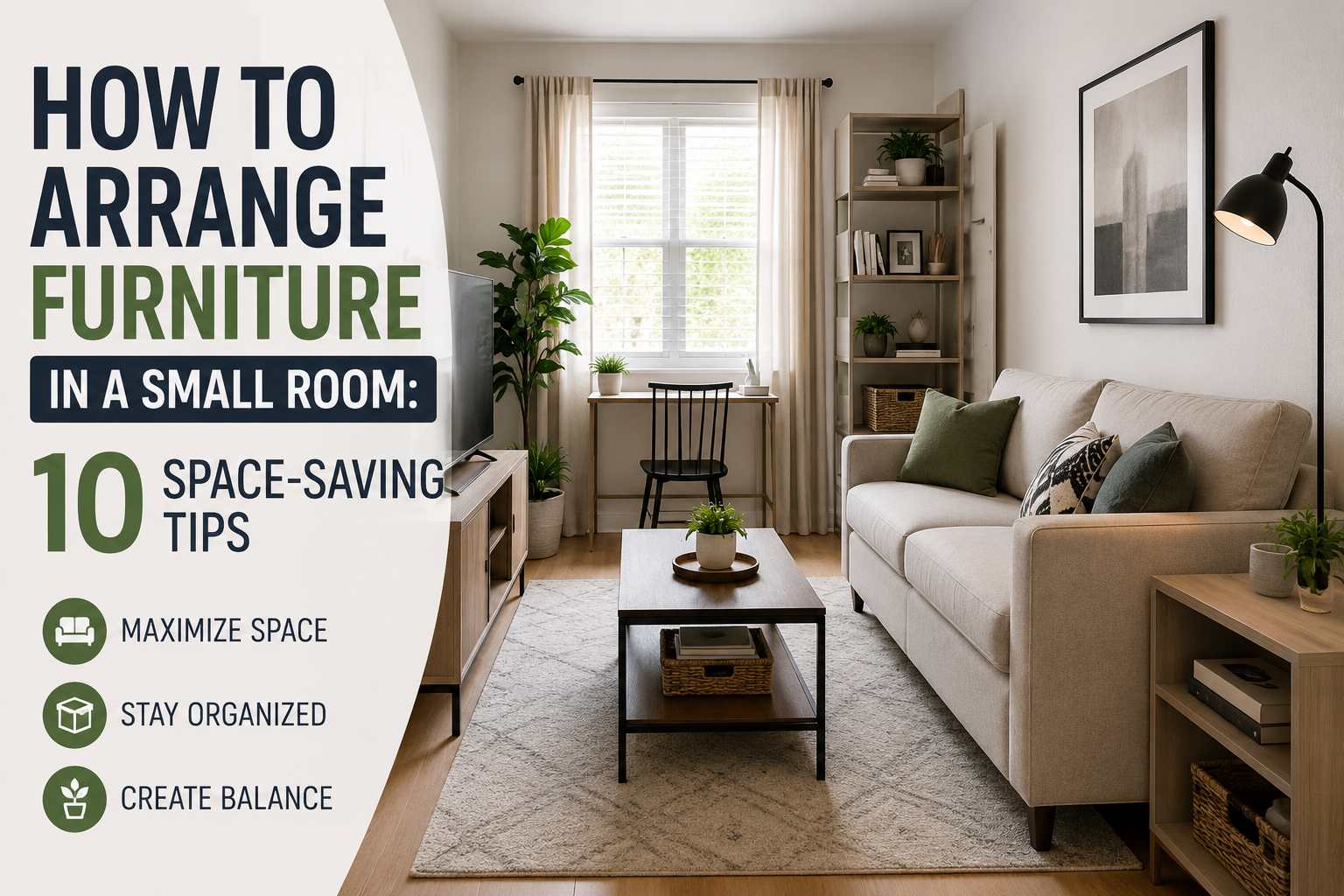
Dealing with the challenge of how to arrange furniture in a small room can feel like addressing a complex problem. However, with the right interior strategies, you can transform even a small room into a useful and visually attractive haven. Moreover, whether you’re dealing with a small apartment, a cozy city loft, or a studio room, thoughtful furniture changes and placements can make a clear difference in how your home feels and functions. In this guide, you’ll explore useful tips and creative ideas to help you make the most of your small room. Also, we’ll cover everything from selecting appropriate furniture pieces and fine-tuning layouts to the latest design tricks and solutions. Plus, we’ll cover everything you need to know to create a comfortable and stylish small room.
How to arrange furniture in a small room?
Arranging a small room can feel like a design challenge, especially when you want both function and beauty without turning the small room into an obstacle course. But with minimal furniture choices and layout strategies, even a compact room can feel airy, organized, and surprisingly spacious.
Start with the Essentials
When your bedroom space is limited, every piece of furniture needs to earn its spot. Meanwhile, the bed, naturally, takes center stage. Opt for a bed that fits your small room, not just your style. However, a queen-size bed might feel luxurious, but if it takes up too much space, a double bed with storage underneath can be a smarter, space-saving choice.
Furniture placement
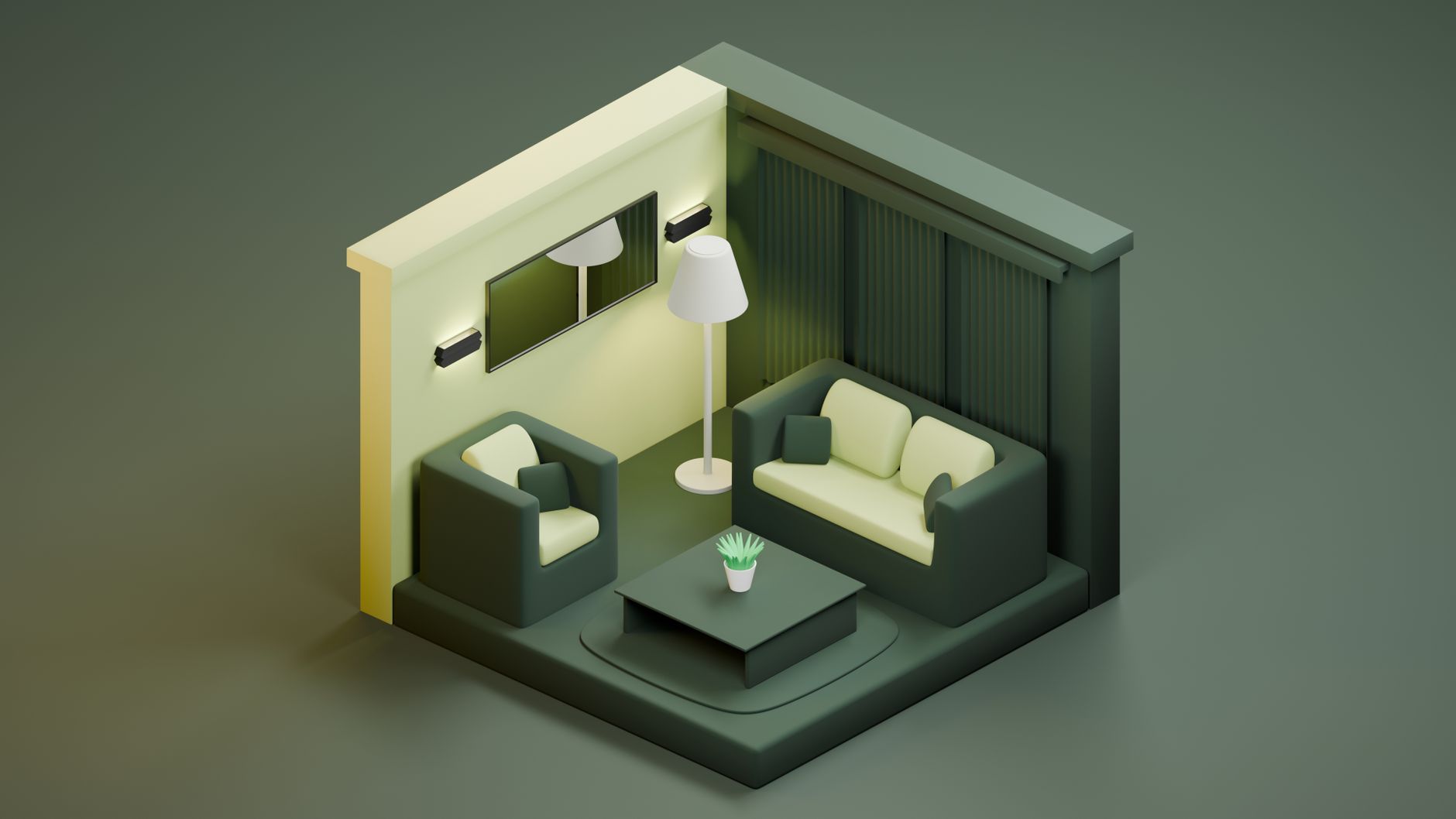
Proper furniture arrangement:
Helps prevent crowding and makes the room look bigger.
Improves usability:
You can easily ensure the placement and usability of each furniture piece.
Enhances decor:
Creates harmony and balance in your small furniture décor and aesthetics.
Adds aesthetics:
Helps design a layout that suits your small bedroom and lifestyle.
Common rules for how to arrange Furniture in a small room:
Before you go room by room, let’s look at some universal guidelines for arranging your small bedroom:
Begin with the Largest Piece:
Place the bed in the room, then arrange smaller pieces.
Keep Pathways Clear:
Ensure that you have enough space to move around in a small bedroom.
Choose a central focal point such as
a TV, window, fireplace, or artwork.
Balance the bedroom:
Avoid putting all the big furniture on one side.
Use rugs to define areas:
Rugs can help group furniture and add warmth and style.
Scale Matters:
Don’t overcrowd small rooms with furniture.
Essential steps for arranging furniture in a small room:
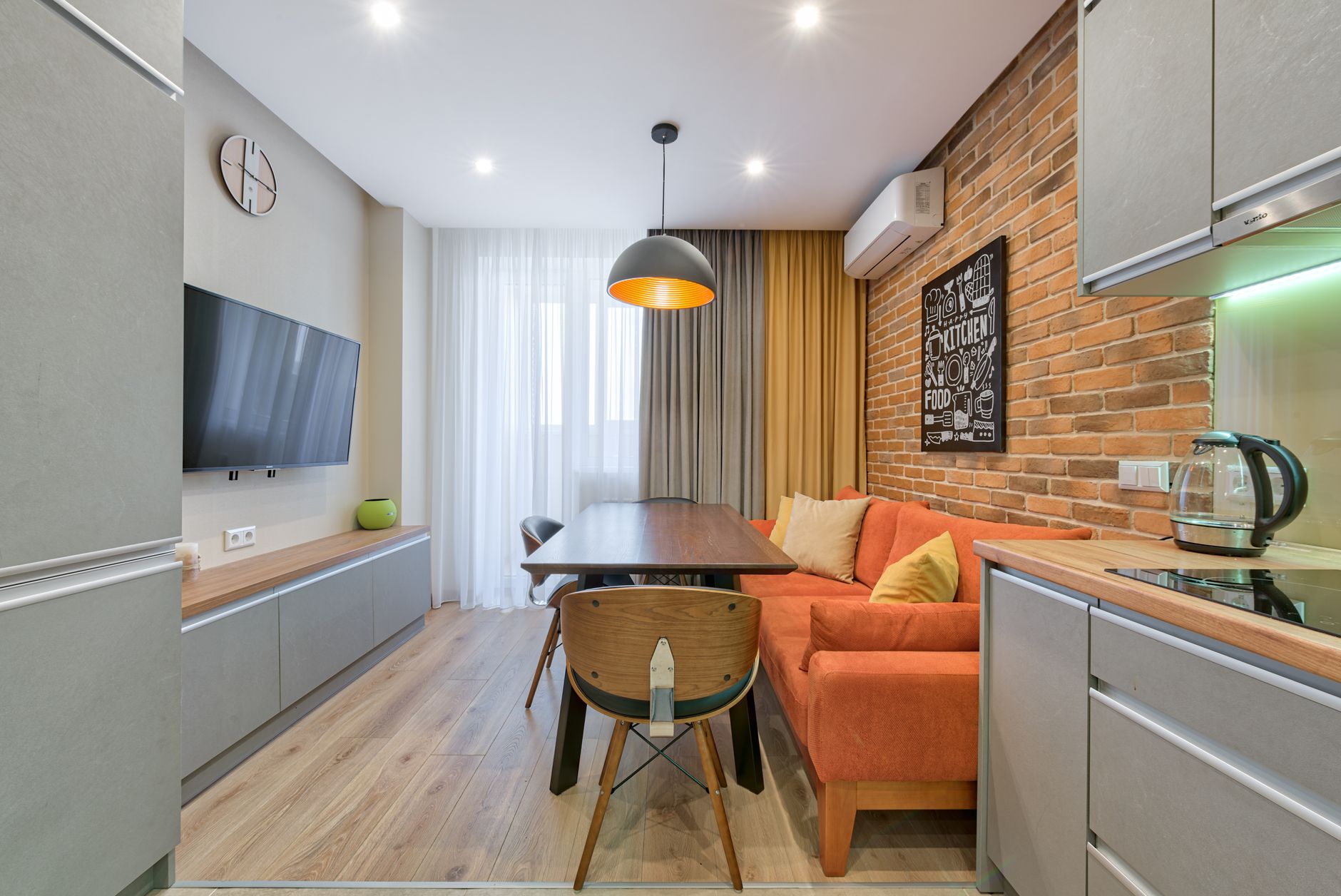
The following are the best steps for arranging furniture in a small room:
Step 1: Map the room like an interior designer:
The first step is fundamental for every small room. Map the room to arrange furniture and other items. Also, make a quick plan for your bedroom. However, you can also mark door swings, windows, and vents.
Moreover, you can pick a proper main entry point. Furthermore, decide your room’s focal point, such as a TV, window view, or fireplace.
This is the core of a small-room furniture layout for a small apartment. Meanwhile, a small bedroom needs a clear story: where you walk, where you sit, and where you look.
Step 2: Select one anchor piece:
A small bedroom needs one anchor. Because of this, every choice should support the bedroom.
Common anchors:
A foldable sofa
Selection of double chairs and a loveseat
If you are attempting to anchor with multiple large pieces of furniture, then your small room will feel cluttered and untidy. Moreover, you can easily control traffic flow around the sofas and chairs.
Step 3: Protecting the walking lanes
If you want a space-saving layout design, then protect movement first. You can also use these rules.
You can keep the lane clear from the door to the main seating area.
Don’t block the path between the sofa and the exit point.
Leave enough space to move through without turning sideways.
When movement feels easy, space feels easy to walk around.
10 best tips and tricks
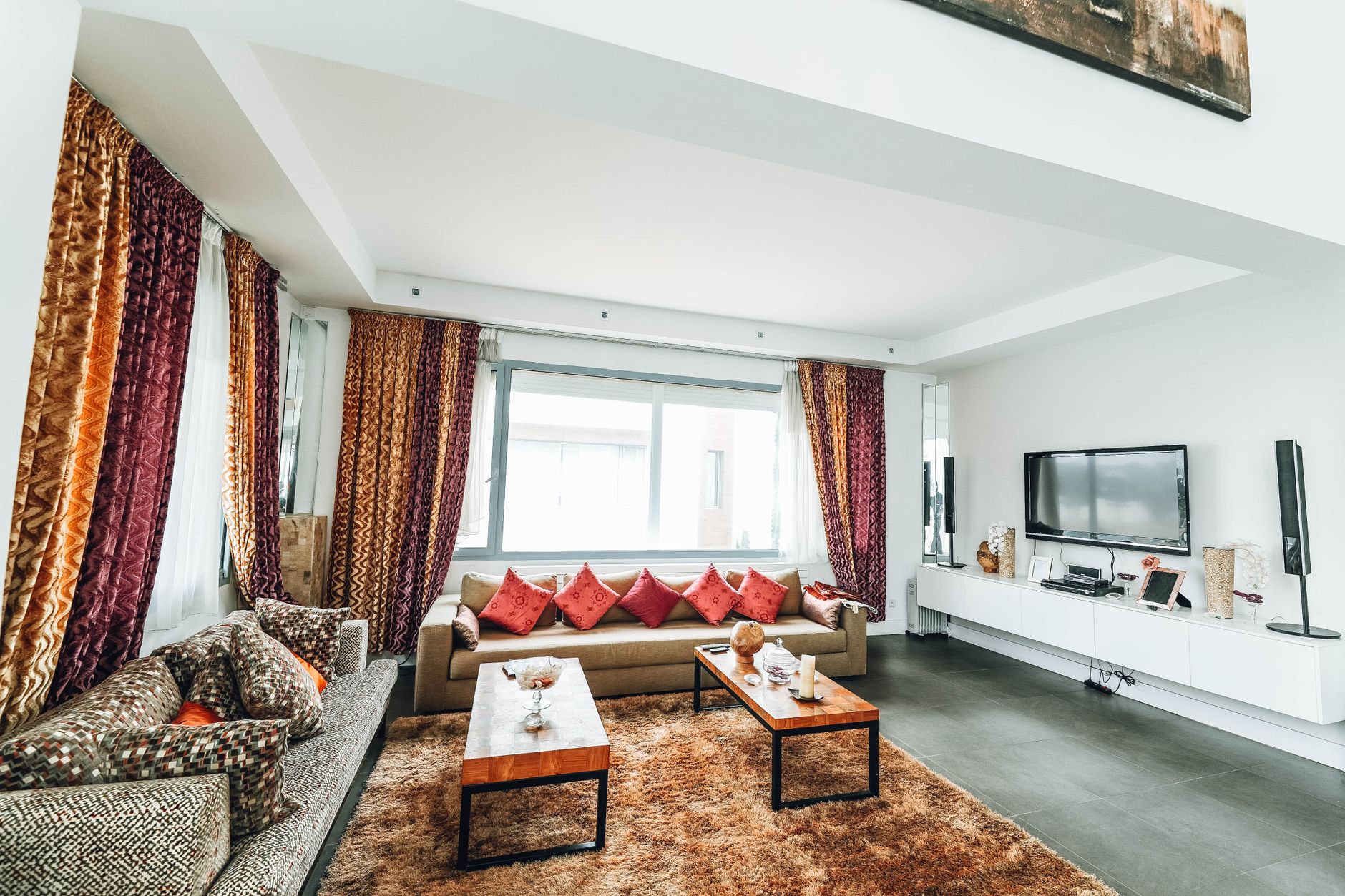
By using these simple tricks, you can create the illusion of more space in a small room. By using simple design, you can make a small room feel larger, more open, and airy.
Here are several essential tips to help you boost the visual space of your small room:
1: Using Light Colors:
Choose a Light Color Palette:
You can use a light color palette such as whites, creams, pastels, and light grays. These light colors reflect more light, making a small room feel brighter and more open.
Be consistent in colors:
Use a consistent color palette throughout the small room to avoid visual breaks. This can help prevent the space from feeling fragmented.
2: Optimizing the lighting system:
The interior designer can easily design your small room lighting system and also create a focal point for your bedroom.
Natural Lighting:
Maximize natural light by keeping windows unobstructed. Plus, use sheer curtains or blinds that can be pulled back easily.
Stratified Lighting:
A small room can incorporate multiple lighting systems, such as ceiling lights, floor lamps, and wall options, to provide enough light. Moreover, you can create a well-lit room with minimal shadows.
Placing Mirrors:
You can place mirrors strategically to reflect natural light and create the illusion of depth in your small room. Moreover, if you have a large mirror or a collection of smaller mirrors, it can make the room look wider.
3: Picking Furniture Wisely:
Scaled Furniture:
Selecting properly sized furniture improves the scale of your small room. You can also avoid oversized pieces that can overwhelm the room.
Functional furniture:
When your small room has furniture pieces that fulfill multiple roles, like a sofa bed, nesting tables, or footstools with storage, it becomes a wise choice for your room.
Transparent Furniture Piece:
Consider using glass or acrylic furniture pieces, which take up less visual space and maintain an open feel for your bedroom.
4: Arranging for Openness:
Floating Furniture:
You can easily move furniture items away from the walls to create a sense of style and openness. Plus, floating furniture options can make the space less cramped.
Clean Pathways:
Ensure all pathways are easy to move through. This also makes it easier for everyone to navigate. So, clear all sidewalks and pathways to make a small room feel even more spacious.
5: Avoid clutter:
Minimal Accessories:
Keep fewer accessories and decorative items in a small room to maintain a well-organized space. You can also choose fewer fashion-statement pieces rather than many small ones.
Use hidden storage furniture items to keep all unnecessary items out of sight and maintain a tidy appearance.
6: Selection of Patterns and Textures:
Subdued Patterns:
Choose muted patterns to add interest without dominating the space. Moreover, avoid large, bold patterns that can make the room feel busy.
Playing with Textures:
Sometimes, when people do not consider an interior designer’s advice, they might fail to incorporate textures that add clear depth and dimension.
By incorporating these tips, people can create a small room that feels larger, more open, and inviting. It is the key to balancing practicality with design and style. This ensures that every design of a small room adds to the overall sense of space.
7: Adding an Augustine Swivel Chair:
Most of us want to add extra furniture arrangements for Small rooms to sit, relax, and feel comfy.
Adding small Sofas:
Place the small sofa against the longest wall or across from the focal point.
If you are using a sectional or chaise lounge, this piece of furniture can easily be positioned to maximize seating and room efficiency. So, always consider low-back sofas to avoid blocking windows.
8: Multi-Media Consoles:
Media consoles are a must-have for a small bedroom.
1: Compact Units:
In small bedrooms, opting for small media consoles helps save precious floor space. You can also choose medium units that are less than 48 inches wide. Moreover, this compact design will ensure the room feels less cluttered.
2: Wall-Mounted Units:
Floating media units are an excellent choice for small bedrooms. Plus, these wall-mounted units can free up floor space and also provide additional storage underneath for items like poufs or small ottomans.
9: Bookcases:
If you are a bookworm and you are fond of reading romantic and suspense novels, then your small bedroom should have bookshelves or bookcases.
Vertical Storage Solutions:
Vertical storage solutions for books and novels are the best and most preferred option for you. Moreover, narrow bookcases take full advantage of vertical space. Also, floor-to-ceiling bookcases are an ideal option as they provide sufficient storage without occupying much floor space. Furthermore, you can easily contemplate incorporating a ladder for easy access to higher shelves and to add a stylish, functional element to your small room.
10: Personal touch of your small room:
If you are living in a studio apartment, then you do not have many choices for personalizing your living space. Moreover, you can save space for walking around the small room. Also, you need a bed, sofa, or clothing cabinets to keep all items clutter-free. So, always design or select minimal aesthetic furniture pieces to make your space look cool and spacious.
Types of small rooms for various uses
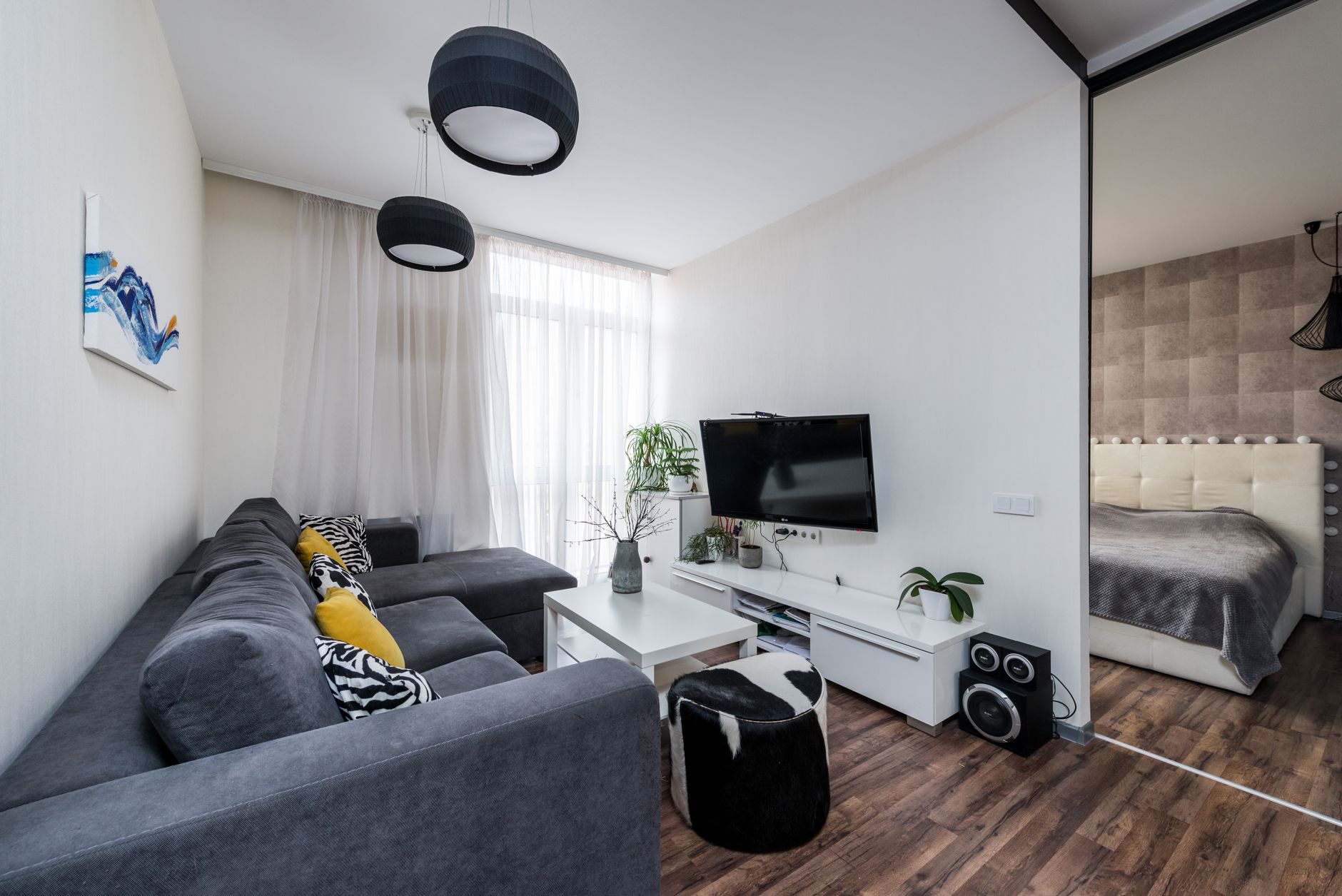
There are different types of small rooms in a house; they are as follows:
1: A small room for a newly married couple:
This idea usually comes with a cramped small bedroom space, meaning you are always short of storage space because you are newly married. You can also opt for a wardrobe with loft storage and wall-mounted storage cabinets for a couple.
Moreover, people can choose a minimalist look with a floating dresser or even a hidden vanity that easily pulled out from the wardrobe. Furthermore, this option allows you to have generous legroom.
This type of small bedroom must include essentials such as a bed frame, side table, chest of drawers, and a work or study unit.
2: A small Room for guests:
A guest bedroom in a home may have limited space, so this option incorporates a chest of drawers or a small cabinet for the guest room. Moreover, people can also offer their guests a one- or two-door wardrobe and a double bed with a side table to go with the small bedroom’s setting.
3: Murphy Beds for small rooms:
For compact and small bedrooms, where having a bed leaves less space, a Murphy bed comes in style. Moreover, these beds are usually day beds and can be built into the walls of your room. Also, Murphy beds offer plenty of legroom for the day.
Most Frequently Asked Questions
1: What are the common mistakes to avoid in a small room?
Ans: Blocking windows and blocking natural light.
Overcrowding the small room with too much furniture.
Ignoring traffic walkways
Choosing proper furniture that’s too large for a small room.
Placing every piece of furniture against the wall.
2: What are the best small room layout ideas?
Ans: Protect all walkways; you can pick one anchor piece, and then use slim tables. Also, add one chair or two chairs to balance the sofa positions.
3: How to arrange furniture in a small room without tension?
Ans: You can start with the anchor, and then add only what people need: one table, one lamp, and one extra seat. Moreover, if you host a party, leave open floor space for multi-purpose use.
4: What is a small room layout with a sectional sofa?
Ans: Use a compact sectional sofa in a corner, then keep the chaise away from the main walkway. You can also choose a smaller table or ottoman to protect legroom.
5: What is the best small room furniture layout for a studio apartment?
Ans: Use a long-wall sofa with one floating chair, slim tables, and vertical storage. Also, keep the center open so the room feels wider and spacious.
The Final Words:
How to arrange furniture in a small room is a complex question, and everyone can decorate their rooms by following some simple suggestions above. By focusing on main points, preserving balance, and guaranteeing easy movement, you can make a small room functional and stylish.
Furthermore, whether you’re working with a compact apartment or a generous villa, these tips will help you create a room that feels comfortable, beautiful, and truly yours.