
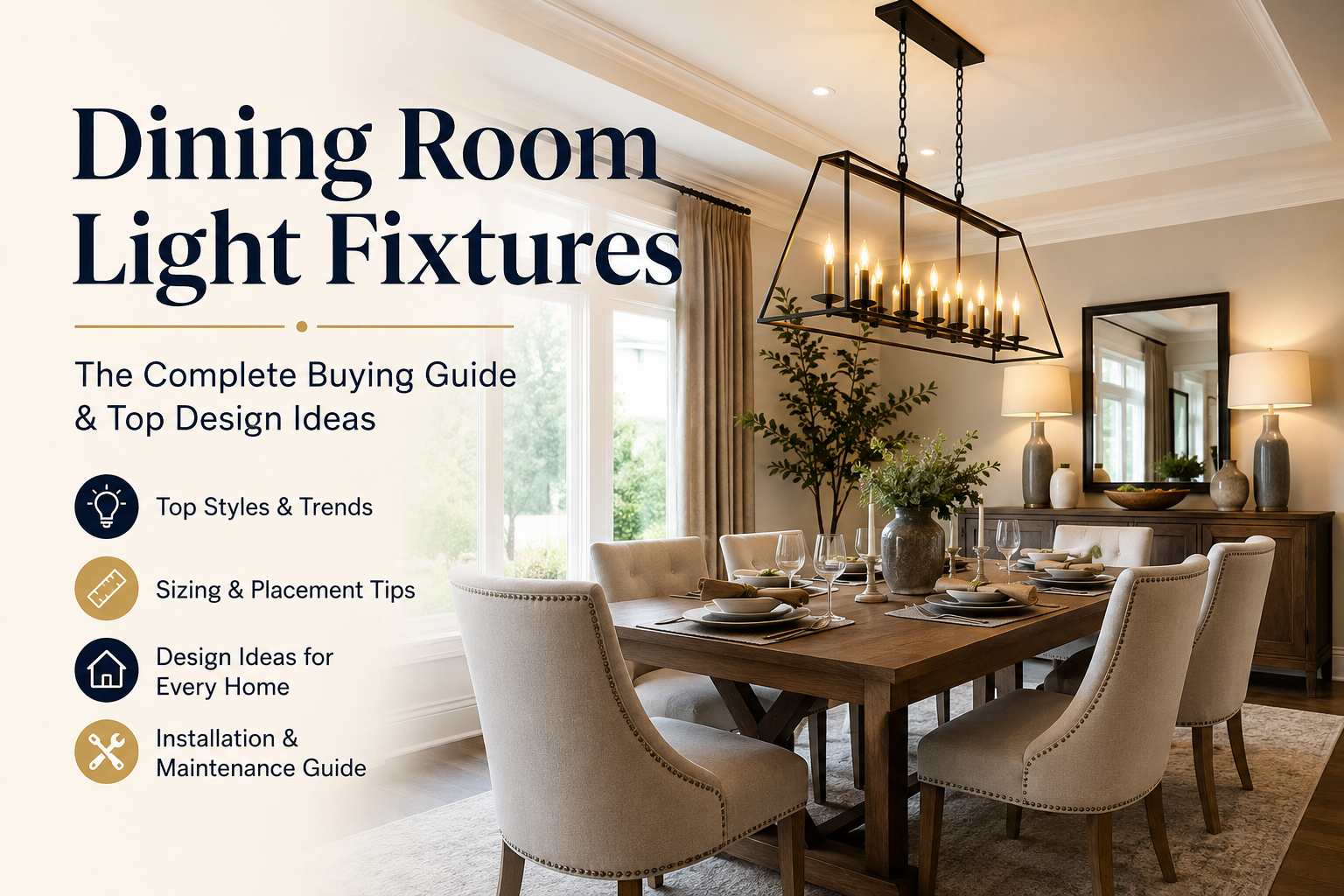
When it comes to creating a welcoming dining space, dining room light fixtures play a much bigger role than simply illuminating the table. The right fixture can become the focal point of your dining room, enhance your home’s style, improve functionality, and create the perfect atmosphere for family dinners, holiday gatherings, and entertaining guests. Whether you’re remodeling your dining room or simply upgrading your lighting, choosing the right fixture can transform the entire space.
In this guide, you’ll learn everything you need to know about selecting dining room light fixtures, including popular styles, sizing tips, placement recommendations, current trends, and expert buying advice.
Why Dining Room Lighting Matters
Lighting is one of the most important elements of interior design. While furniture and décor define the appearance of a room, lighting determines how that space feels.
The right dining room lighting can:
- Create an atmosphere: Sets the mood for everything from casual meals to formal gatherings.
- Highlight your dining table: It serves as a visually grounding center.
- Improve visibility: Ensures clear sightlines during mealtimes and activities.
- Increase home value: High-quality lighting leaves a strong impression.
- Complement interior design: Ties together surrounding décor elements.
- Enhance small spaces: Makes compact dining areas feel larger and brighter.
- Serve as an eye-catching centerpiece: Acts as standard functional artwork.
Unlike general ceiling lights, dining room fixtures are specifically designed to combine beauty and functionality.
Types of Dining Room Light Fixtures
There are many lighting options available today. Understanding each type makes choosing much easier:
1. Chandeliers
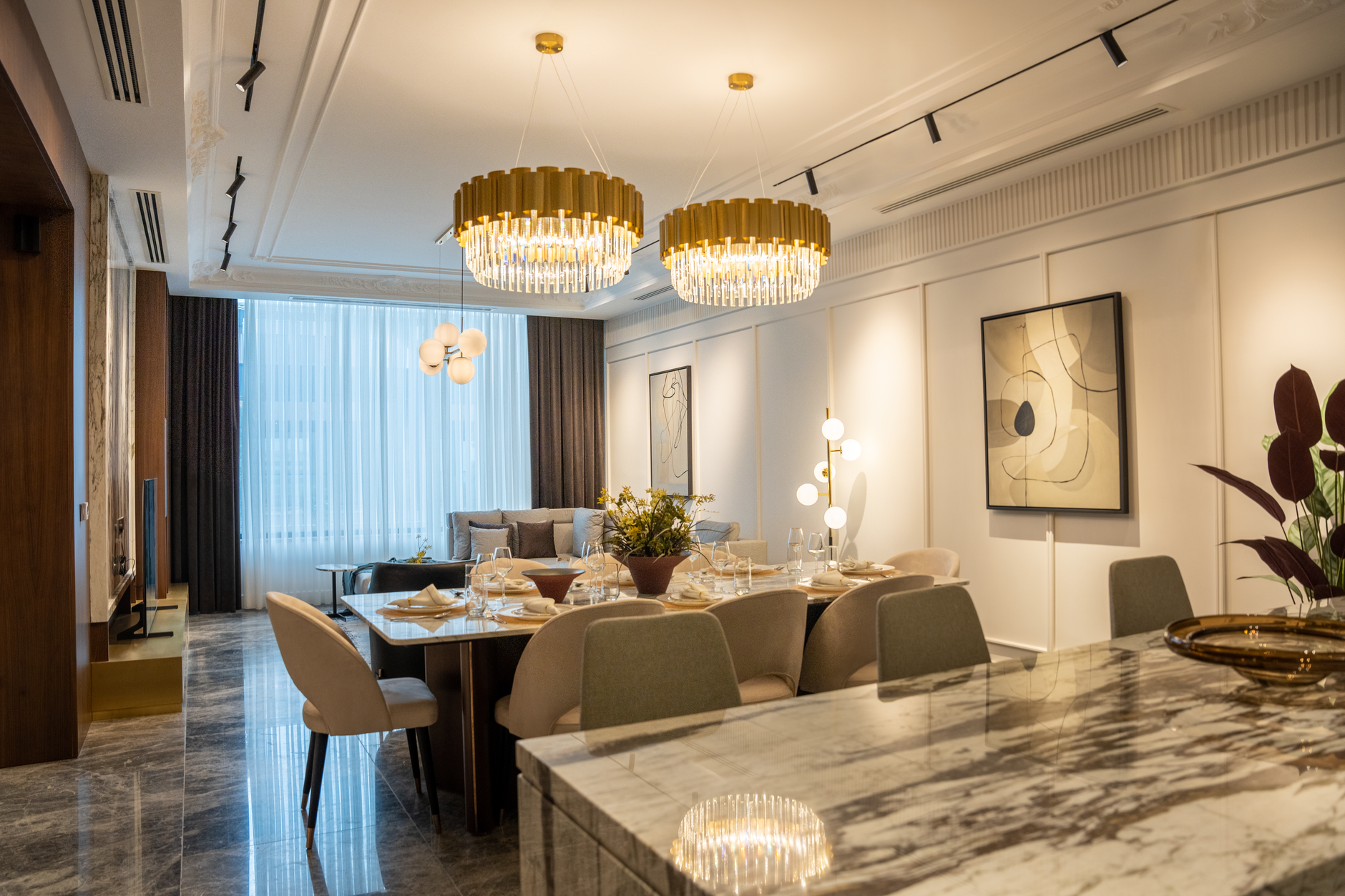
Chandeliers remain the most popular choice for dining rooms.
- Benefits: Elegant appearance, excellent light distribution, strong visual impact, and a wide variety of modern and classic designs.
- Popular Styles: Crystal, farmhouse, modern LED, rustic wood, candle-style, and industrial metal.
- Best Usage: Works especially well above rectangular or round dining tables.
2. Pendant Lights
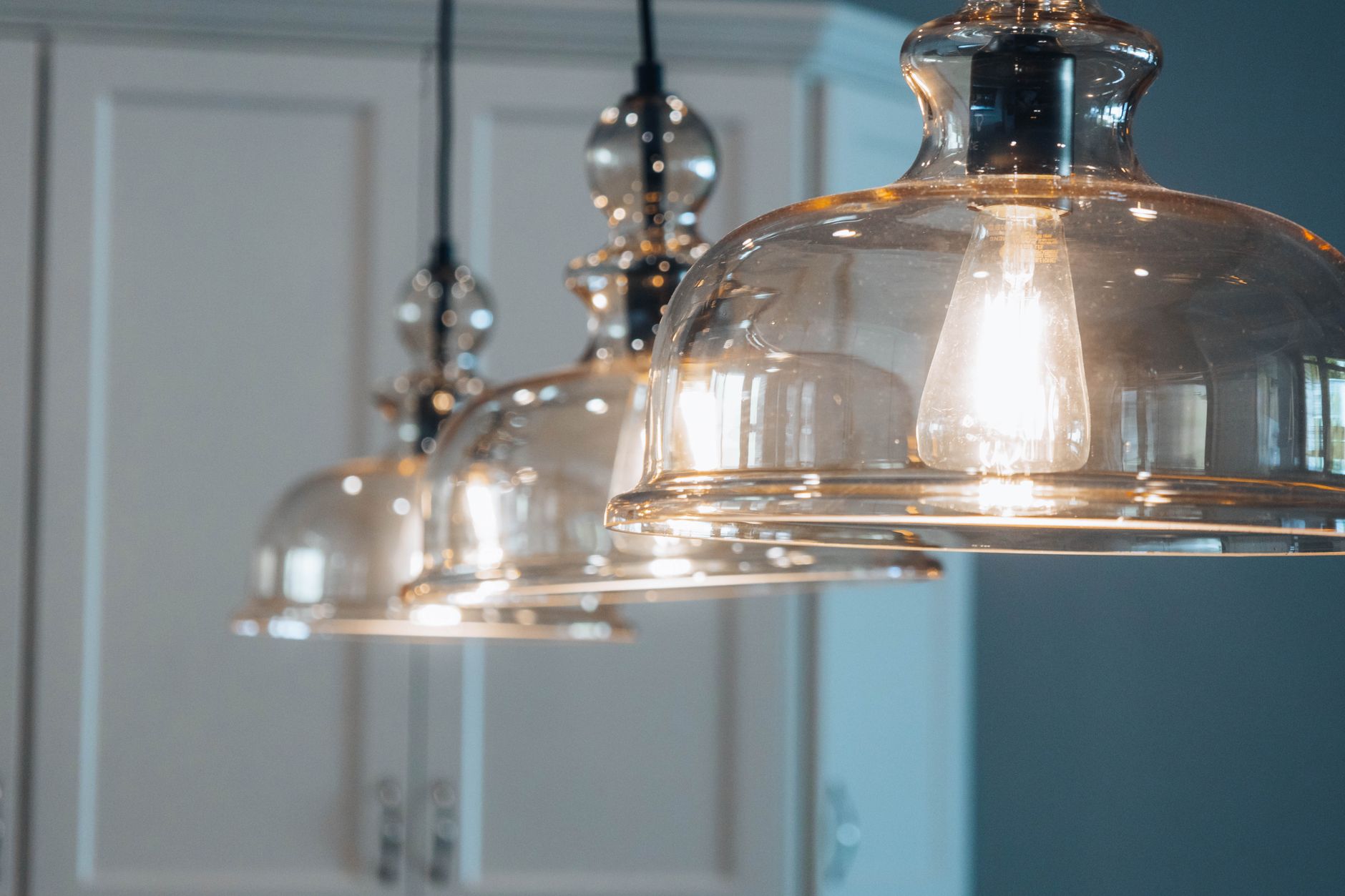
Pendant lighting has become increasingly popular in contemporary homes.
- Benefits: Minimalist appearance, affordable pricing, easy installation, and versatility for small to large spaces.
- Best Usage: Many homeowners install two or three pendants above a long dining table instead of using one large chandelier.
3. Linear Suspension Lights
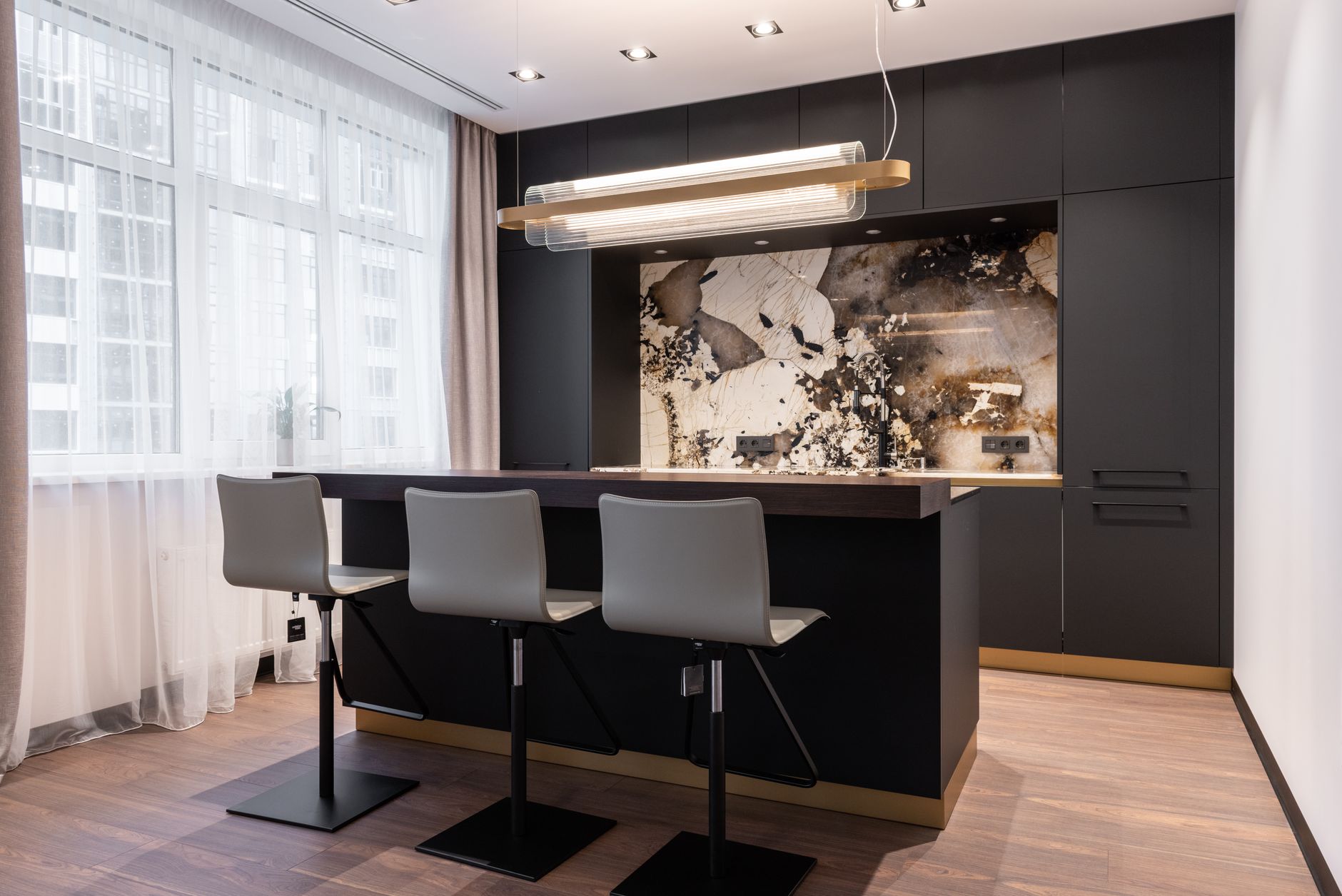
Linear fixtures feature long, sleek silhouettes.
- Best Usage: Ideal for long dining tables, contemporary homes, and open-concept layouts.
- Benefits: Distributes light evenly across the full length of the table while creating a sleek, modern appearance.
4. Flush Mount Fixtures
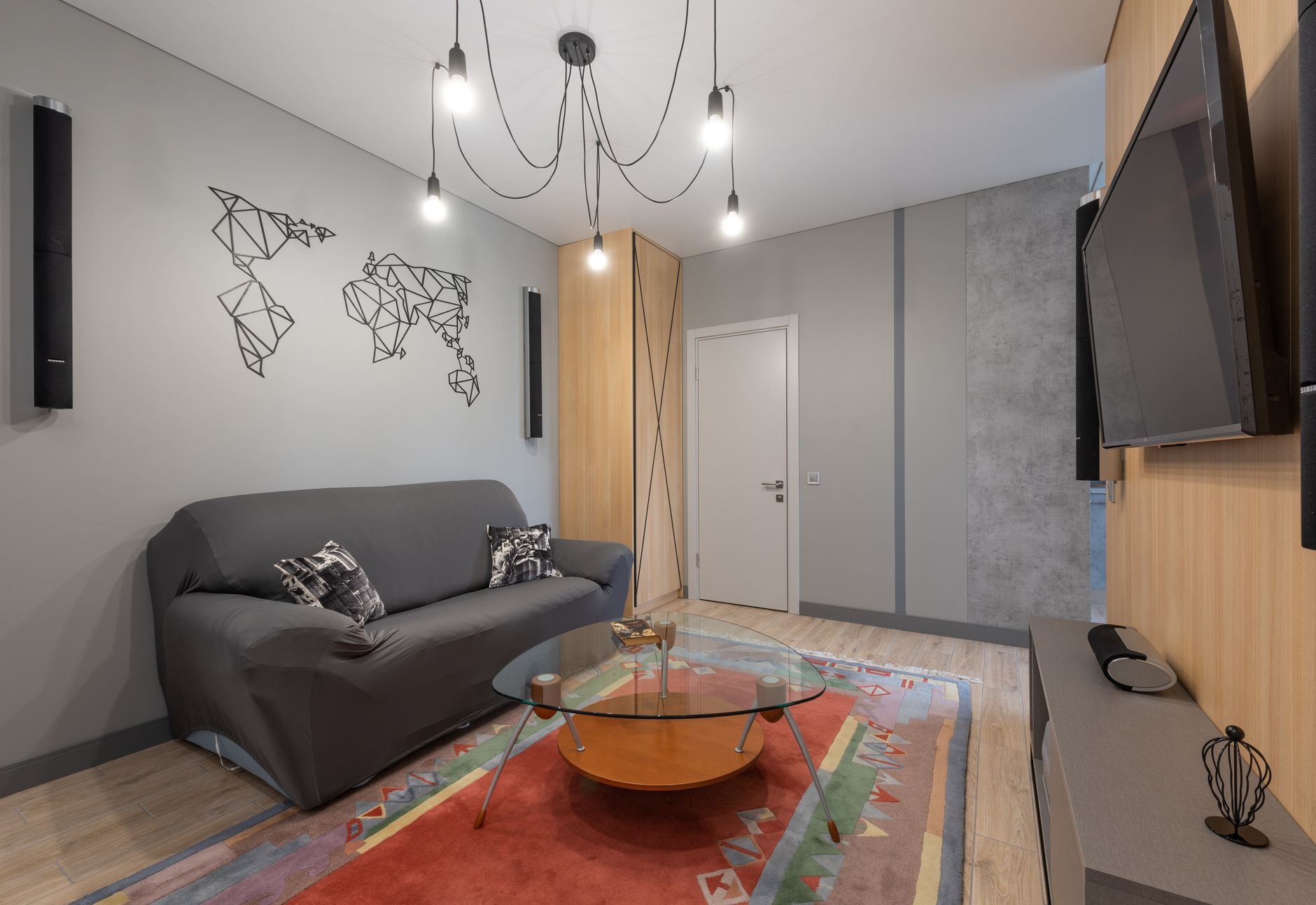
If your dining room has lower ceilings, flush-mount lights are an excellent solution.
- Benefits: Space-saving design, modern appearance, budget-friendly, and easy maintenance. They provide plenty of illumination without hanging too low.
5. Semi-Flush Mount Fixtures
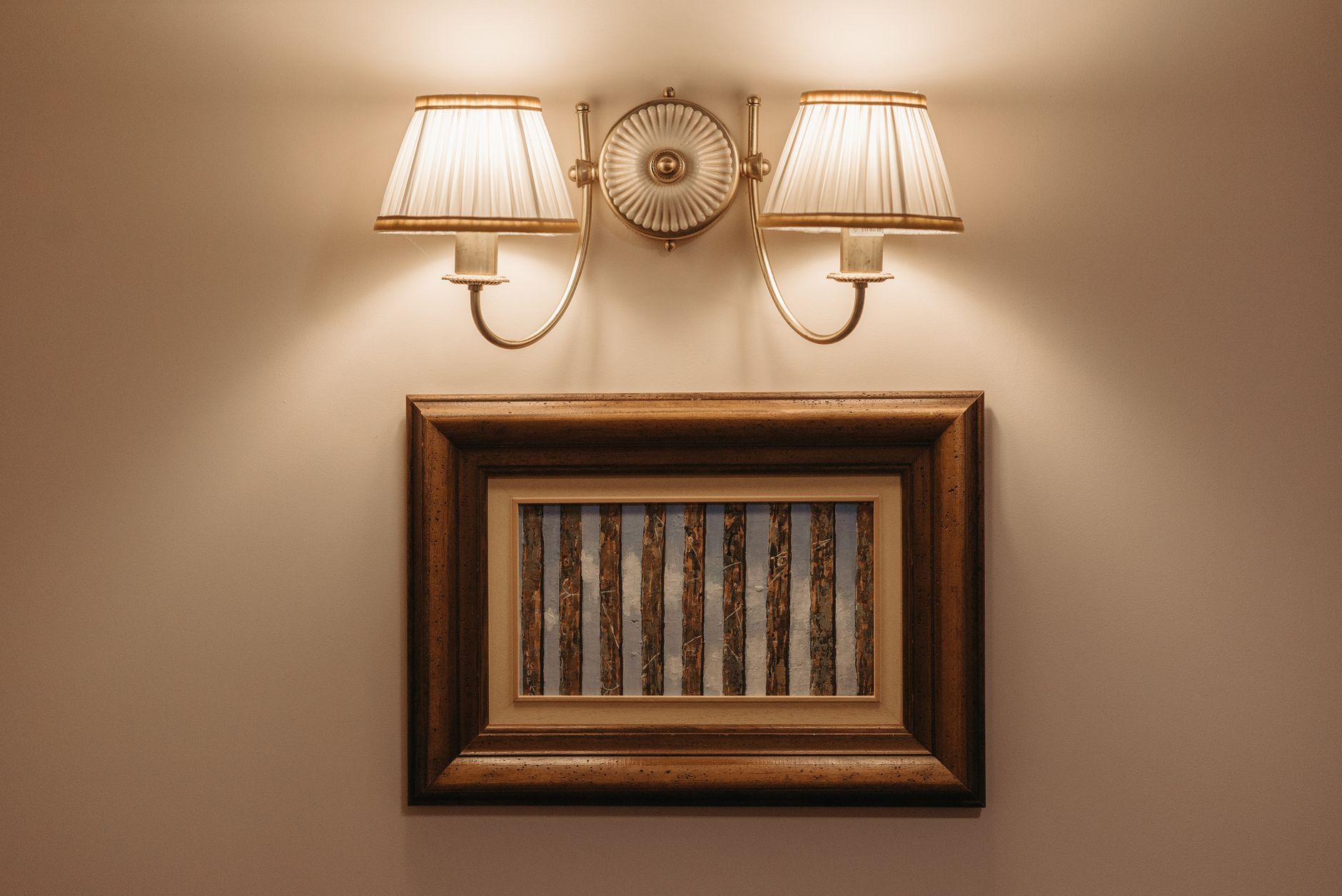
Semi-flush lighting hangs slightly below the ceiling while maintaining a compact profile.
- Best Usage: Perfect for ceiling heights between 8 and 9 feet, transitional interiors, and smaller dining rooms.
6. Lantern-Style Fixtures
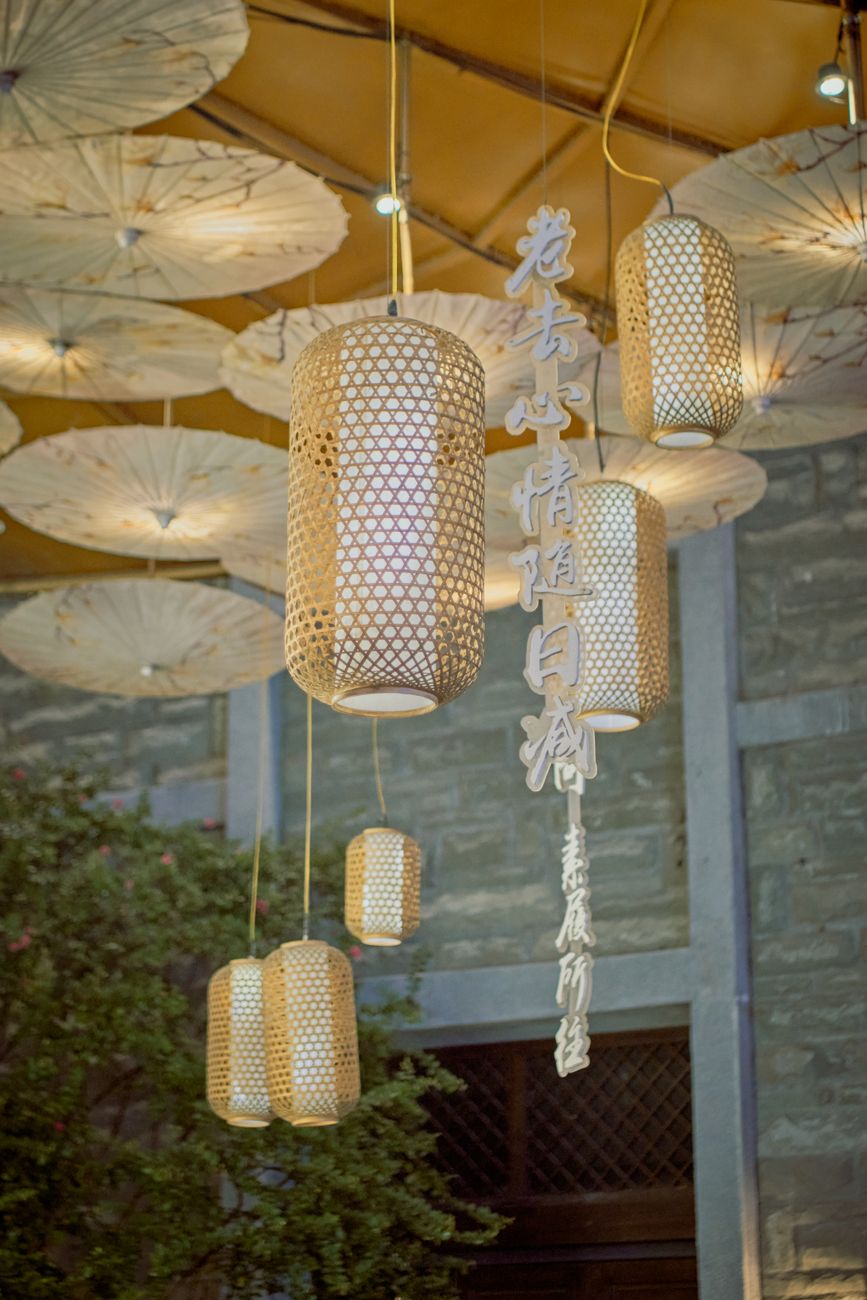
Lantern lights combine open-frame elegance with modern simplicity.
- Best Usage: Especially popular in farmhouse homes, coastal interiors, transitional spaces, and casual dining rooms.
Choosing the Right Size Dining Room Light Fixture
Size is one of the most critical factors when selecting dining room light fixtures. A fixture that’s too small looks insignificant, while one that’s too large can overwhelm the room.
1. Measure the Dining Table
A good rule of thumb is that your fixture should measure one-half to two-thirds the width of your dining table.
Example: If your dining table width is 42 inches, your ideal fixture diameter is 21–28 inches.
2. Measure the Room
Add the room’s length and width together (in feet) to find the proportional fixture width in inches.
Example:12 ft + 14 ft = 26, meaning you should choose a fixture around 26 inches wide.
3. Determine the Ideal Hanging Height
Placement matters as much as style. Experts recommend hanging your dining room fixture 30–36 inches above the dining table surface (for standard 8-foot ceilings). Increase the height slightly for higher ceilings.
- Benefits: Maintains clear visibility across the table, ensures proper illumination, and produces balanced room proportions.
Best Dining Room Light Fixture Styles
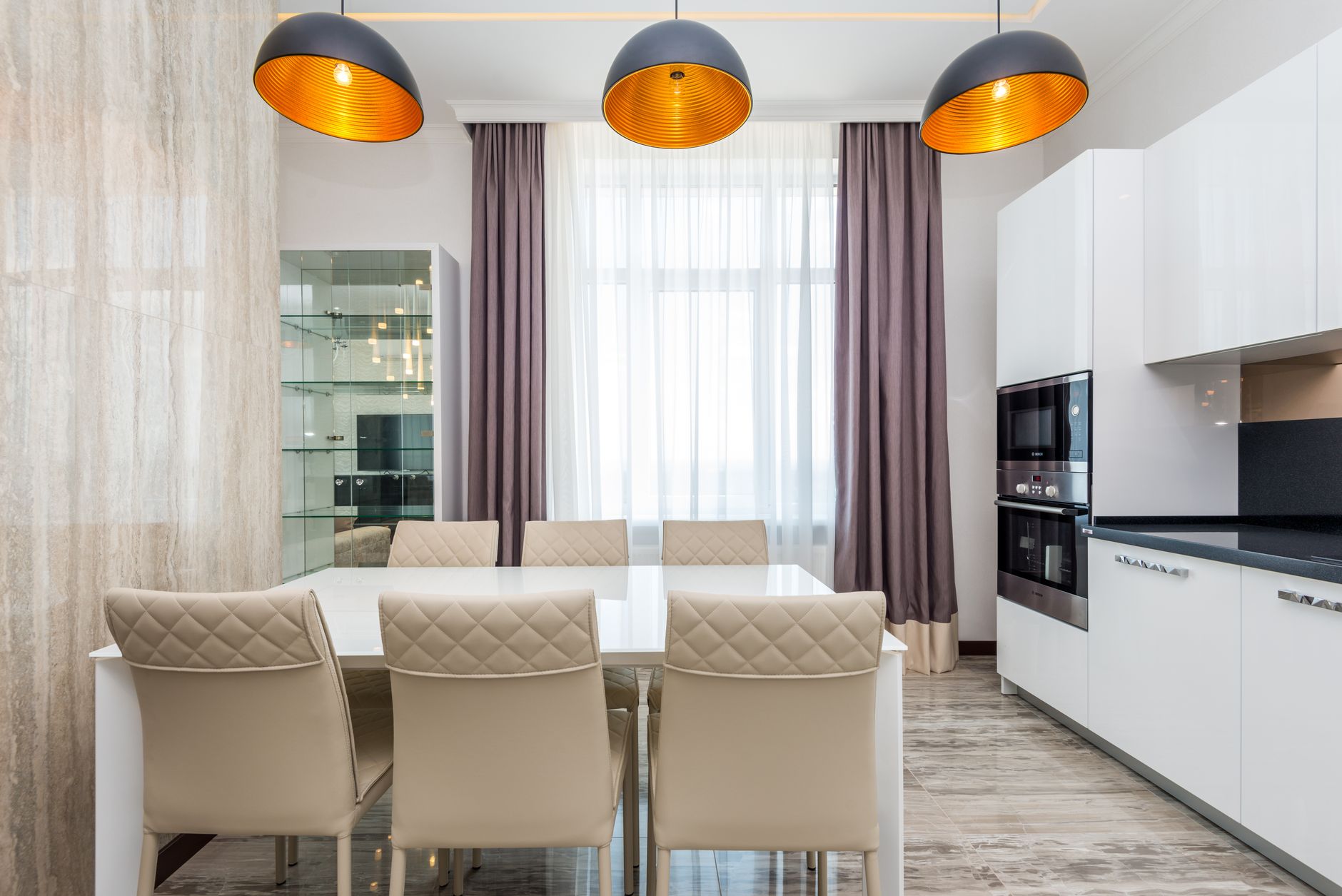
Choosing a style depends on your home’s overarching design:
- Modern: Clean lines, matte finishes, LED technology, minimal decoration, and geometric shapes. Ideal for contemporary homes, apartments, and minimalist interiors.
- Farmhouse: Wood finishes, black iron frames, candle bulbs, and rustic charm. Pairs beautifully with natural wooden dining tables.
- Industrial: Metal construction, exposed bulbs, matte finishes, and vintage-inspired details. Ideal for lofts and urban homes.
- Traditional: Elegance featuring brass, bronze, crystal, and decorative glass. Perfect for formal dining rooms.
- Coastal: Creates an airy, relaxed feel using rope, light wood, natural fibers, woven rattan, and linen shades.
- Scandinavian: Focuses on simplicity, functionality, natural wood, neutral colors, and soft lighting to create a calm atmosphere.
Popular Materials and Finishes
The material you choose influences both durability and overall style:
| Material | Description & Best For |
| Metal | Strong and durable. Popular finishes include matte black, brushed nickel, brass, chrome, bronze, and gold. |
| Crystal | It creates luxury and elegance while reflecting light beautifully. Ideal for formal or glamorous spaces. |
| Glass | Highly versatile options include clear, frosted, seeded, smoked, or colored glass shades. |
| Wood | Adds warmth and texture using oak, walnut, or reclaimed/distressed woods. Excellent for rustic spaces. |
| Rattan & Woven Materials | It continues to grow in popularity for its organic texture, soft light diffusion, and eco-friendly look. |
Bulb Selection and Brightness Guidelines
Choosing the right bulb makes a significant difference in the final atmosphere:
- LED Bulbs: Highly energy-efficient, long-lasting, low heat, and available in various brightness levels.
- Color Temperature: Choose warm white (2700K–3000K) to create an inviting, comfortable environment.
- Dimmable Setup: Highly recommended so you can adjust lighting for family dinners, holiday celebrations, romantic evenings, or homework sessions.
How Many Lumens Do You Need?
- Small Dining Room: 3,000–4,000 lumens
- Medium Dining Room: 4,000–6,000 lumens
- Large Dining Room: 6,000–8,000 lumens
2026 Dining Room Light Fixture Trends
Homeowners are choosing statement pieces that blend sustainability, smart features, and striking designs:
- Oversized Statement Chandeliers: Multi-tier, sculptural LED, and artistic glass designs that act as ceiling artwork.
- Matte Black Finishes: Modern, fingerprint-resistant finishes that pair effortlessly with natural wood and neutral walls.
- Mixed Metal Designs: Blending gold with black, brass with bronze, or chrome with wood for custom depth.
- Natural & Sustainable Materials: Bamboo, rattan, cane, natural fibers, and reclaimed wood bring organic warmth.
- Smart Lighting Technology: Integrated voice control, app schedules, color temperature adjustments, and energy monitoring.
Matching Fixtures to Your Dining Table Shape
- Rectangular Tables: Pair best with linear suspension lights, rectangular chandeliers, or a row of multiple pendant lights.
- Round Tables: Pair best with round chandeliers, globe pendants, or drum-shaped fixtures to maintain symmetry.
- Square Tables: Complement compact chandeliers, single pendant lights, or semi-flush mounts to avoid overpowering the space.
- Extendable Tables: Choose longer linear fixtures or multiple multi-pendant configurations that provide even light whether the table is collapsed or fully extended.
Space-Specific Design Advice
Dining Room Lighting for Small Spaces
- Use Glass Fixtures: Creates an open, airy appearance without visually crowding the room.
- Opt for Light Colors: Brushed nickel, white, or light champagne finishes help keep the room feeling bright.
- Install Dimmers: Allows dynamic mood adjustment without adding physical clutter.
- Maintain Proportions: Strictly adhere to sizing rules so the fixture doesn’t overpower the space.
Dining Room Lighting for Large Spaces
- Use multi-tier chandeliers, extra-wide linear suspension fixtures, or multi-pendant arrays.
- Combine your central fixture with perimeter lighting (such as wall sconces or recessed lights) to eliminate dark corners and add visual depth.
Layering Your Dining Room Lighting
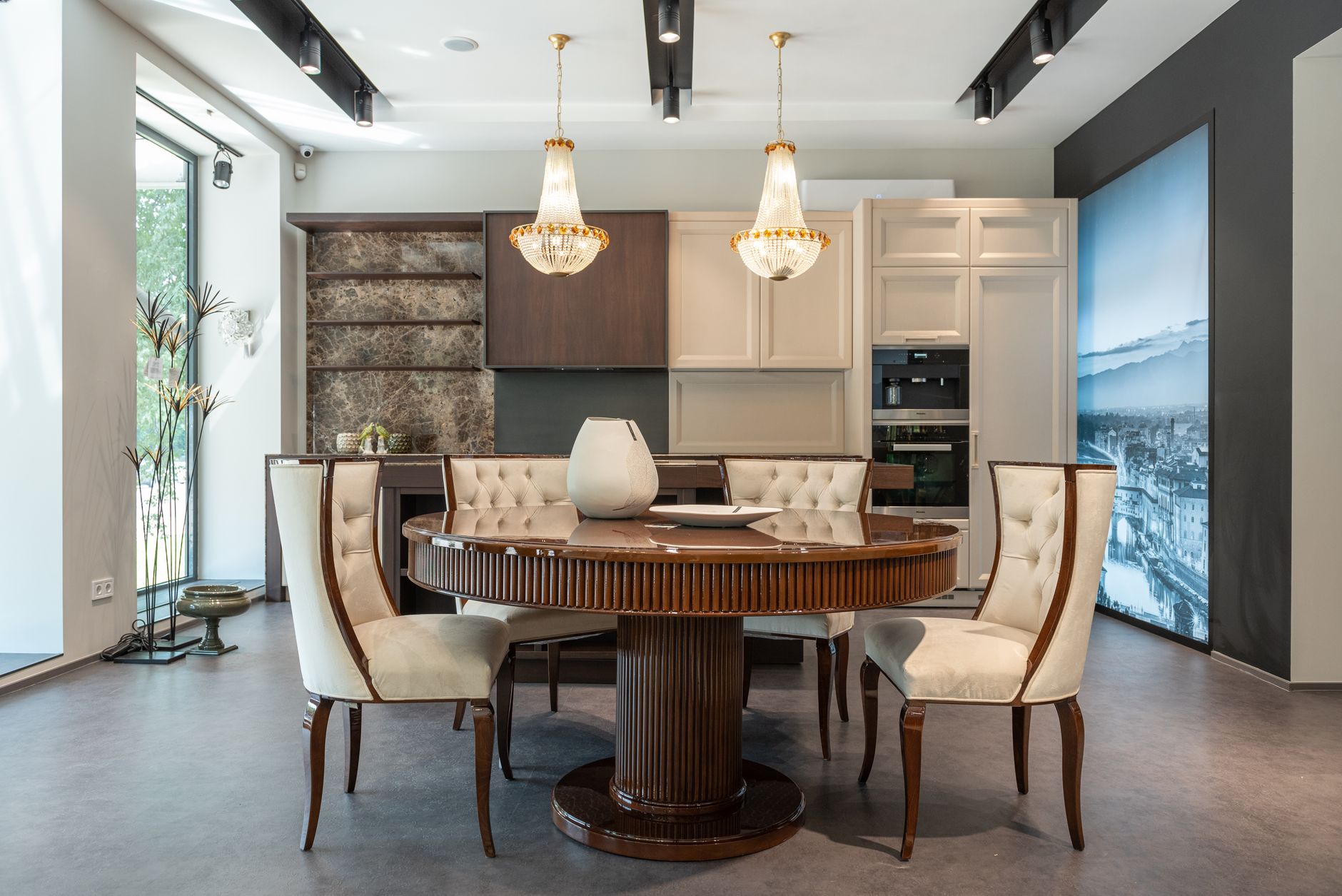
Professional designers combine three distinct layers of light:
- Ambient Lighting: Your main source of overall illumination, typically provided by the central ceiling fixture.
- Task Lighting: Focused light for activities like reading, serving food, or working at the table (e.g., directional spotlights or down-pendant clusters).
- Accent Lighting: Highlights architectural details, artwork, or furniture (e.g., wall sconces, cabinet display lights, or LED strip lighting).
Fixture Finishes and Room Compatibility
- Black: Best for modern, industrial, and farmhouse interiors.
- Gold: Perfect for luxury, glam, and modern contemporary spaces.
- Brushed Nickel: Works well with transitional, coastal, and minimalist homes.
- Bronze: Ideal for traditional, rustic, and Mediterranean décor.
- White: Perfect for Scandinavian, coastal, and smaller dining spaces.
Energy Efficiency and Installation Practices
Practical Efficiency Tips
- Replace older incandescent bulbs with LEDs.
- Select ENERGY STAR® certified fixtures where possible.
- Install dimmer switches, timers, or motion sensors to cut energy usage.
Essential Installation Steps
- Center over the Table: Always align the fixture over the center of the dining table rather than the room’s physical center.
- Verify Support: Ensure heavy fixtures or crystal chandeliers have properly reinforced ceiling junction boxes.
- Adjust for Height: Use adjustable rods or chains to account for ceilings higher than 8–9 feet.
- Neat Wiring: Keep all cords, chains, and rods neatly arranged for a clean, professional finish.
Common Decorating & Lighting Mistakes to Avoid
- Buying an Undersized Fixture: Leaves the room feeling unbalanced and underlit.
- Hanging the Fixture Too High: Loses decorative impact and fails to provide adequate table light.
- Ignoring Functional Brightness: Choosing style over sufficient lumen output.
- Selecting Cool Color Temperatures: Cool light (4000K+) can feel clinical and uninviting compared to warm white (2700K–3000K).
- Forgetting About Maintenance: Failing to consider the cleaning upkeep required for complex crystal or glass designs.
Step-by-Step Selection Process
- Define Your Style: Align the fixture silhouette with your existing home aesthetic (modern, traditional, farmhouse, or industrial).
- Calculate Dimensions: Use table width and room measurements to determine ideal fixture width and hanging height.
- Select Brightness & Controls: Ensure fixture compatibility with warm-white LED bulbs and dimmer switches.
- Use the Buying Checklist: Verify dimensions, check ceiling height, confirm dimmer compatibility, review warranties, and check user reviews before finalizing a purchase.
How to Maintain Dining Room Light Fixtures
- Weekly Dusting: Clean surfaces gently with a soft microfiber cloth or duster.
- Glass Maintenance: Remove glass shades periodically and wash them with warm, soapy water.
- Metal Care: Apply finish-appropriate polish (brass, bronze, chrome) using non-abrasive cloths.
- Crystal Cleaning: Use lint-free cloths alongside crystal-safe sprays; clean individual components gently.
- Hardware Inspections: Periodically check screws, chains, and mounting brackets to ensure structural safety.
Frequently Asked Questions (FAQ)
1. What size dining room light fixture should I buy?
Choose a fixture that is one-half to two-thirds the total width of your dining table to maintain correct room proportions.
2. How high should dining room light fixtures hang?
Hang the bottom of the fixture 30–36 inches above the tabletop for standard 8-foot ceilings. Adjust slightly higher for taller ceilings.
3. Are LED dining room light fixtures better than traditional lights?
Yes. LEDs use significantly less electricity, produce minimal heat, last much longer, and come in various color temperatures and dimmable options.
4. Can I use pendant lights instead of a chandelier?
Yes. Installing a series of two or three pendant lights works exceptionally well over rectangular tables in contemporary or modern spaces.
5. What is the best color temperature for a dining room?
A warm white color temperature between 2700K and 3000K offers an inviting, flattering, and relaxing atmosphere suitable for dining.
6. Should fixtures be centered in the room or over the table?
Fixtures should always be centered directly over the dining table, even if the table itself is offset from the center of the room.
7. How often should I clean my dining room light fixture?
Dust weekly, and perform a detailed cleaning of shades, glass, or crystals every three to six months.
8. Are smart dining room light fixtures worth the investment?
Yes. Smart fixtures allow app/voice control, custom schedules, color adjustments, and dimming setups that enhance both convenience and efficiency.
Final Thoughts
Choosing the right lighting for your dining room is one of the most effective ways to elevate your home’s aesthetic and practical appeal. Whether you prefer a crystal chandelier, a modern linear light, or a soft farmhouse pendant, the ideal fixture will complement your table, harmonize with your decor, and supply warm, welcoming illumination.
Take the time to measure your space, assess your ceiling height, select appropriate brightness levels, and pick a design that reflects your personal taste. Investing in quality lighting enchants everyday meals and sets the perfect stage for gathering with friends and family for years to come.
1 thought on “Dining Room Light Fixtures: The Complete Guide to Choosing the Perfect Lighting for Your Home”