
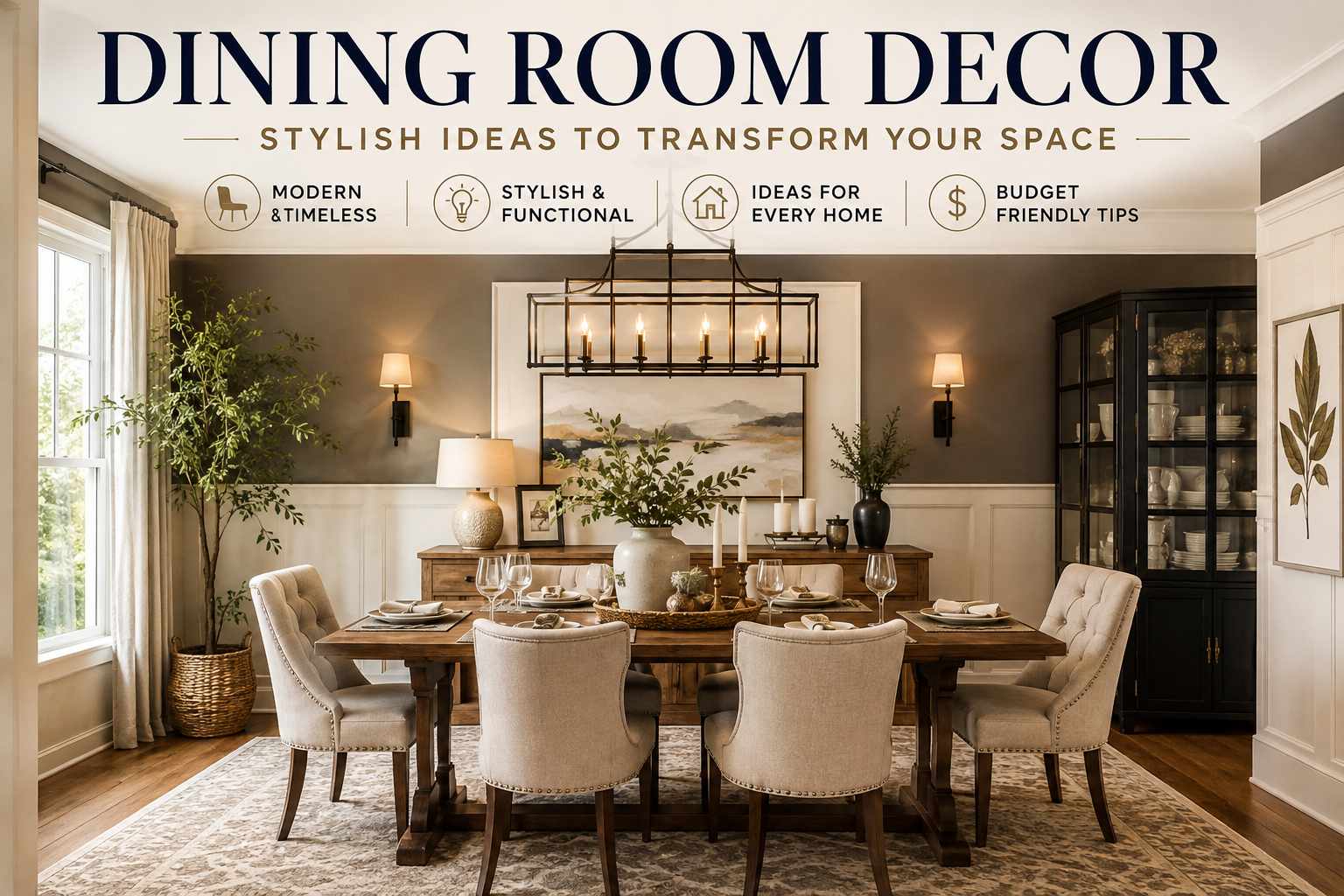
Your dining room is more than just a place to enjoy meals—it’s where family gathers, friends connect, and special memories are made. The right dining room decor can completely transform this space, making it both beautiful and functional. Whether you have a dedicated formal dining room, a cozy breakfast nook, or an open-concept dining area, thoughtful decorating choices can reflect your personal style while enhancing comfort and usability.
In this guide, you’ll discover the best dining room decor ideas, design styles, furniture tips, lighting inspiration, color schemes, and budget-friendly upgrades to create a dining space you’ll love.
Why Dining Room Decor Matters
A well-designed dining room enhances both your home’s appearance and your overall dining experience. Investing in quality dining room decor offers numerous benefits:
- Creates a warm and inviting atmosphere
- Increases your home’s visual appeal
- Makes entertaining guests easier and more seamless
- Improves functionality and seating comfort
- Adds overall value to your property
- Reflects your personality and lifestyle
Whether your style is modern, rustic, farmhouse, or luxurious, the right decor brings the entire room together.
Essential Elements of Dining Room Decor
Every beautiful dining room shares a few foundational design elements.
1. The Dining Table
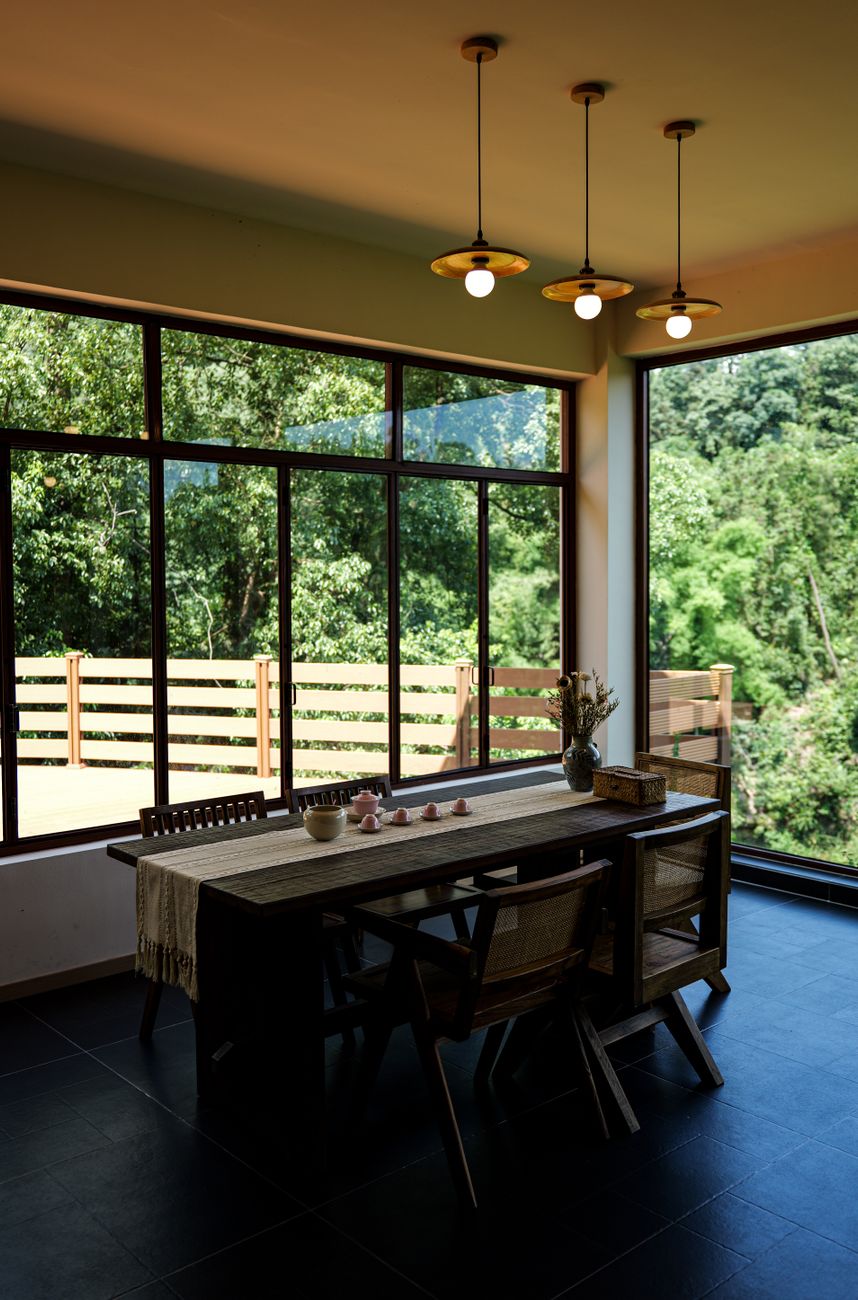
The dining table is the absolute centerpiece of any dining room.
- Popular Materials: Solid wood, glass, marble, engineered wood, metal, stone.
- Popular Shapes: Rectangular, round, oval, square.
- Pro Tip: Choose a table size that allows comfortable seating while leaving adequate space for movement around the room.
2. Dining Chairs
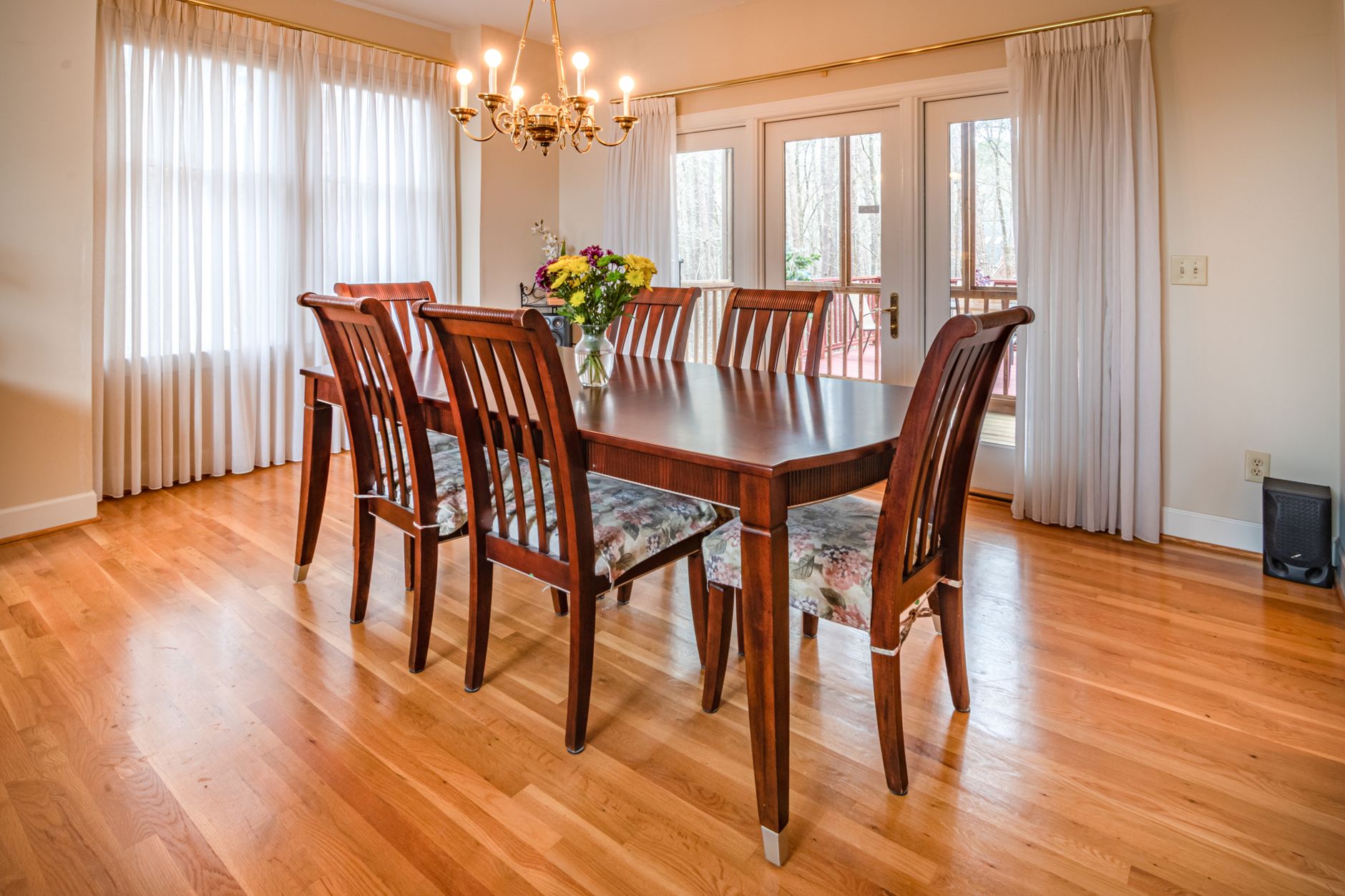
Comfortable seating is just as important as the table itself.
- Popular Chair Styles: Upholstered chairs, wooden ladder-back chairs, Windsor chairs, modern metal chairs, velvet dining chairs, leather dining chairs.
- Trend Alert: Mixing and matching different chair styles has become a leading interior design trend.
3. Area Rugs
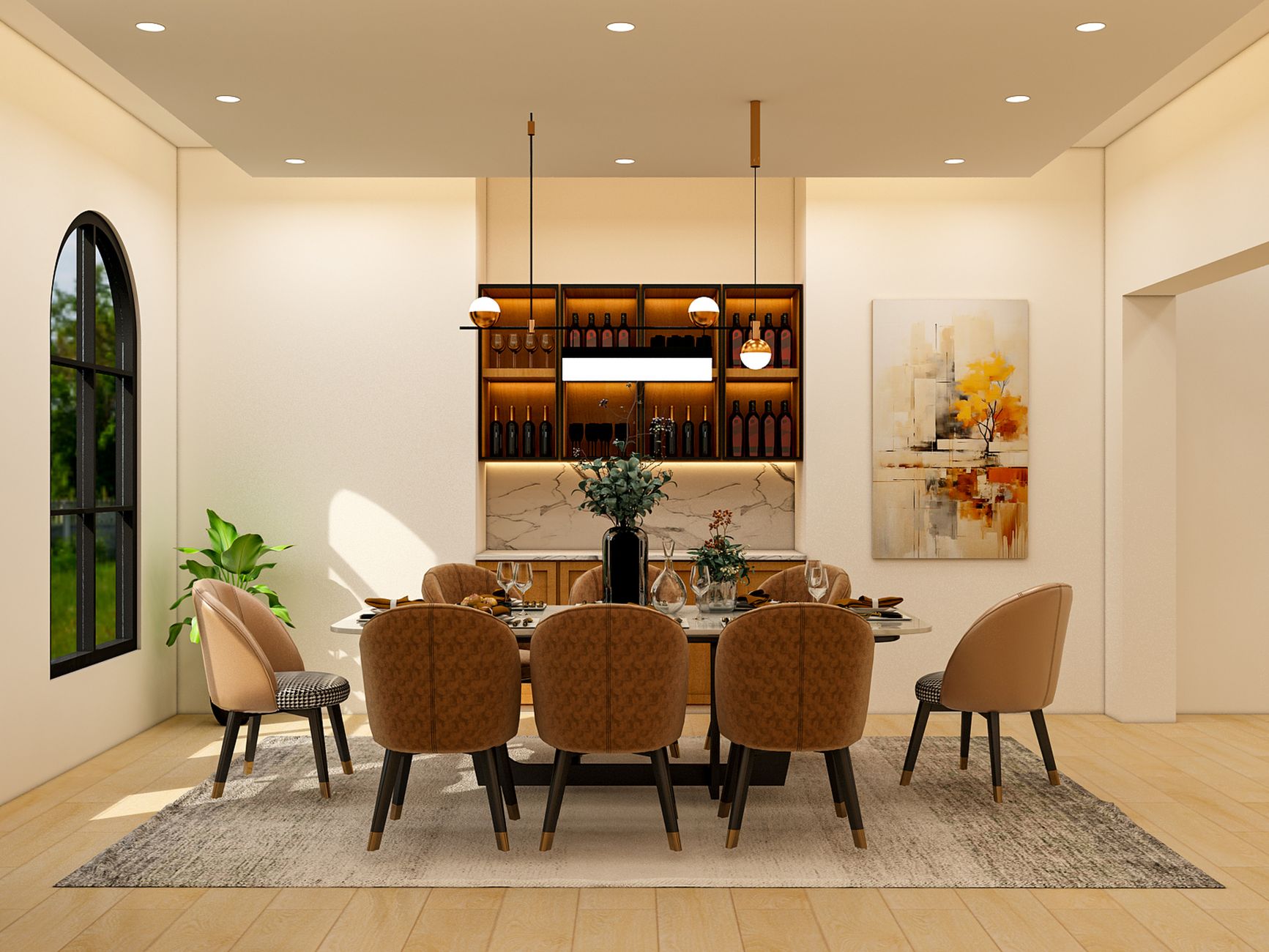
An area rug helps define the dining space while adding warmth and texture.
- Choose a rug that extends at least 24 inches beyond the table on all sides so chair legs remain on the rug when pulled out.
- Ensure the fabric is durable and easy to clean.
- Popular Materials: Wool, polypropylene, and cotton blends.
4. Lighting
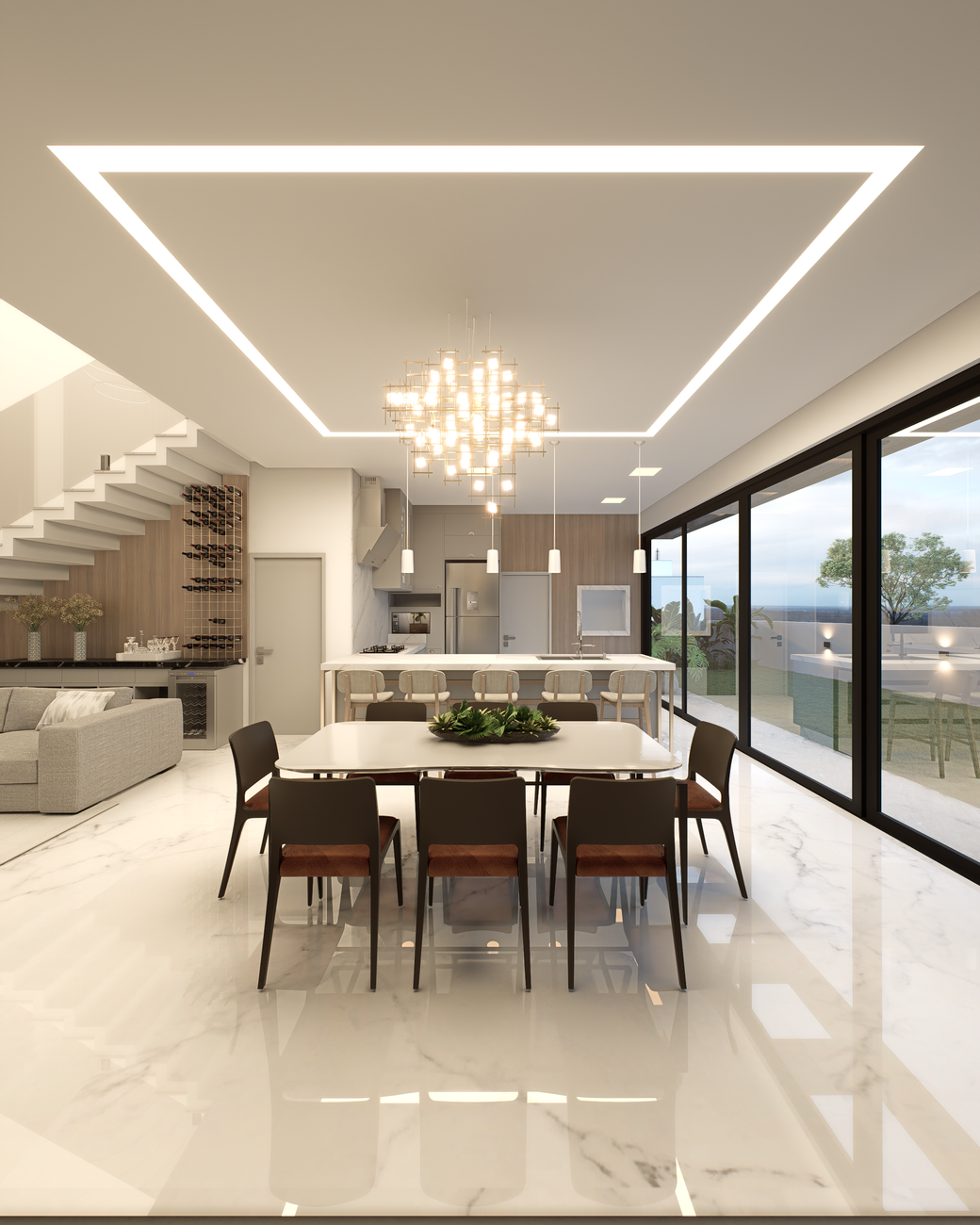
Lighting dramatically influences the mood and ambience of your dining room.
- Popular Fixtures: Chandeliers, pendant lights, linear suspension lights, wall sconces, recessed lighting, and accent candles.
- Height Rule: Install hanging light fixtures 30–36 inches above the surface of the dining table for balanced illumination.
Best Dining Room Decor Styles
Choosing a cohesive decorating style helps create a harmonious and inviting space.
Modern Dining Room Decor
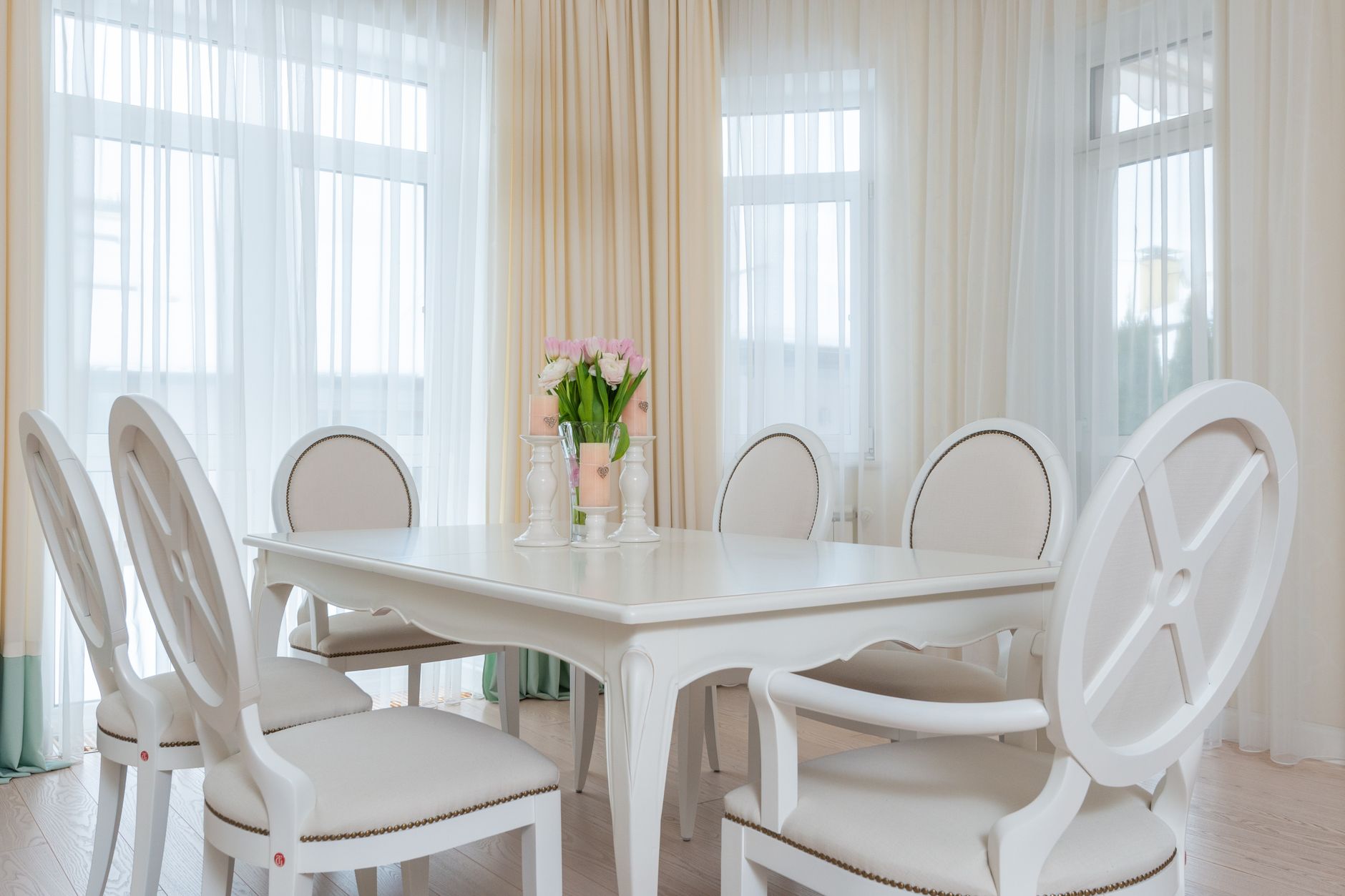
Modern interiors focus on simplicity, clean lines, and uncluttered designs. Key features include neutral color palettes, minimal accessories, glass tables, metal accents, sleek furniture, and large windows.
Farmhouse Dining Room Decor
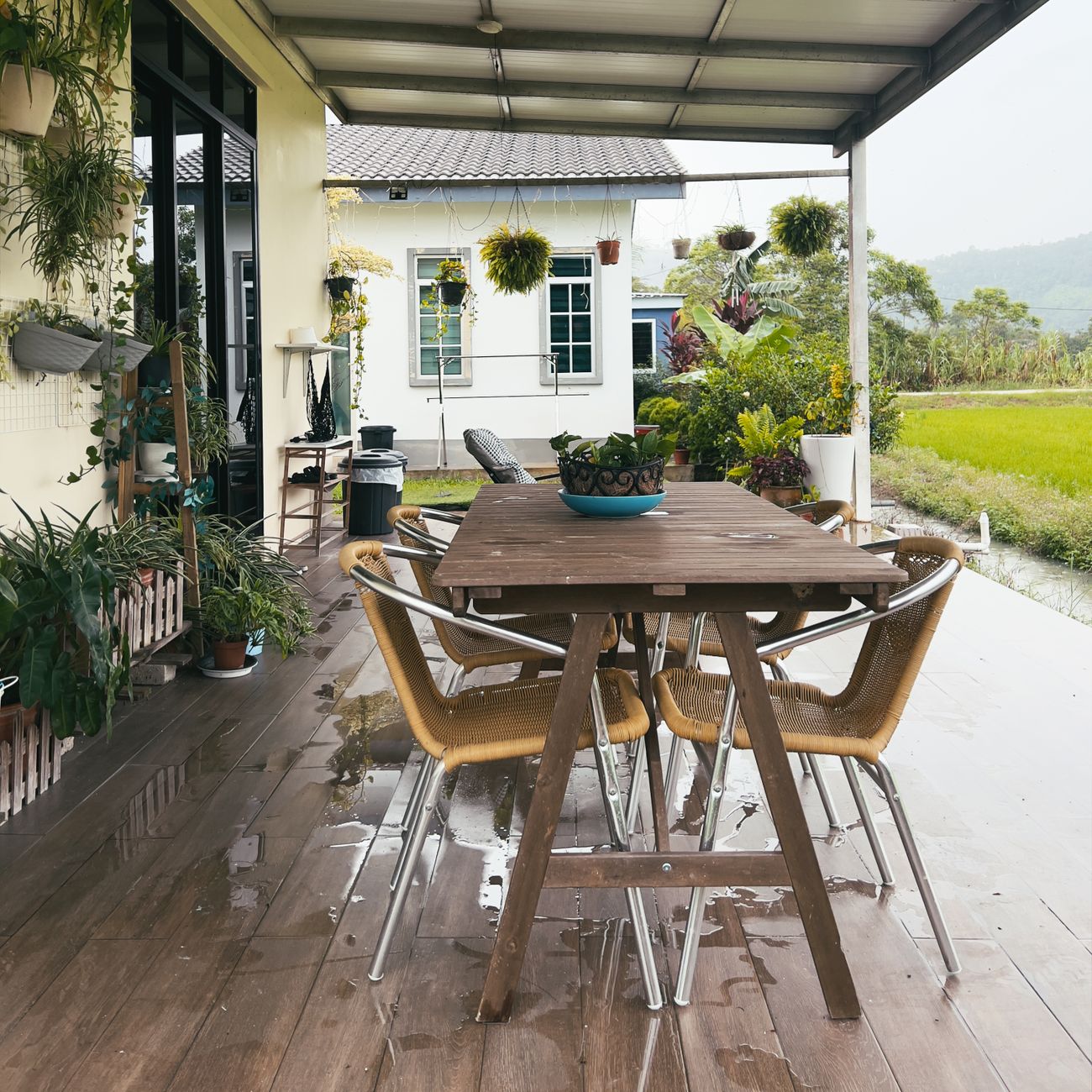
Farmhouse design remains one of the most popular choices. It emphasizes a cozy, welcoming atmosphere using reclaimed wood, shiplap walls, rustic lighting fixtures, neutral colors, vintage accessories, and wooden benches.
Traditional Dining Room Decor
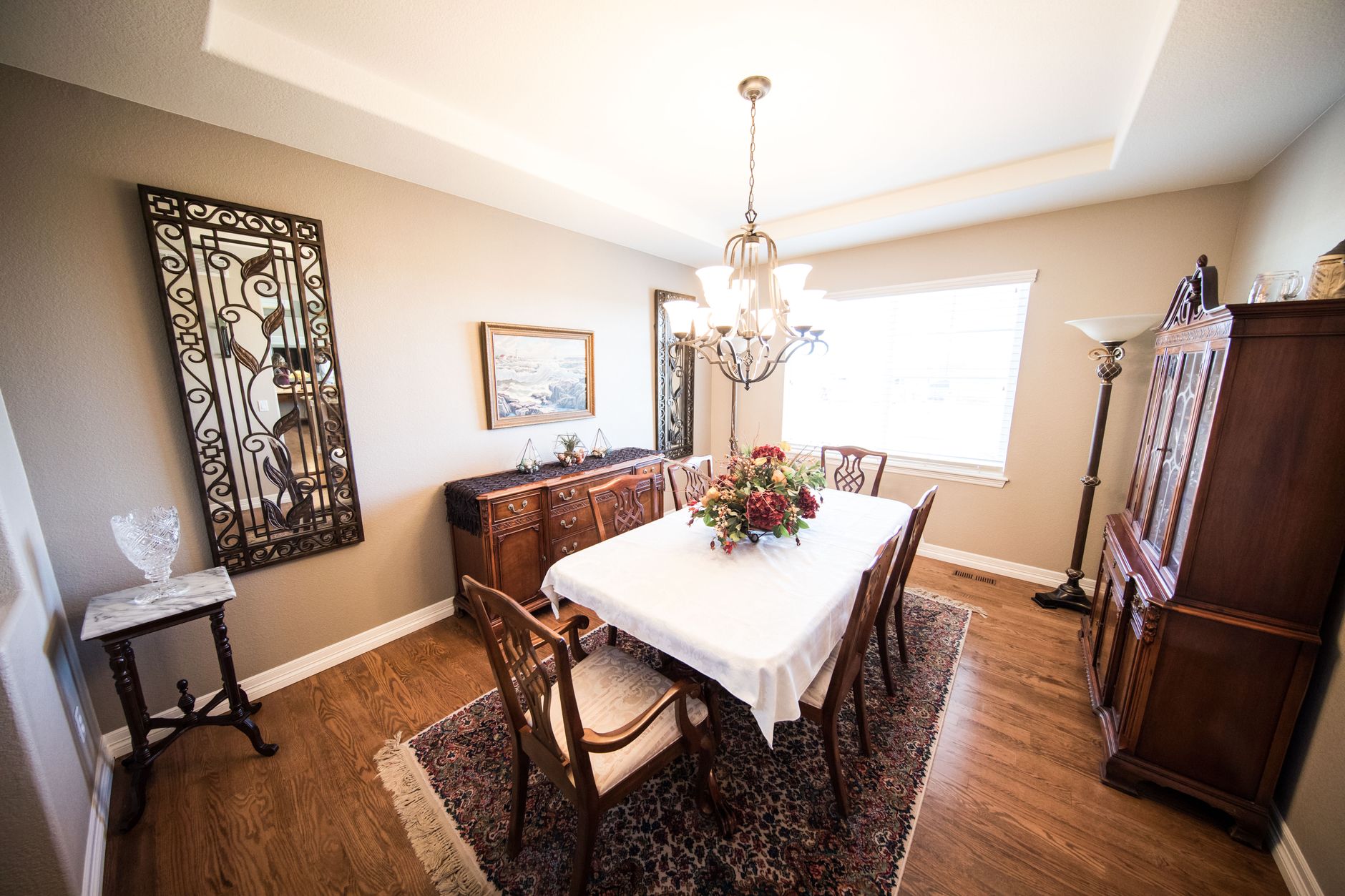
Traditional interiors feature classic elegance and formal elements. Common features include dark wood furniture, crystal chandeliers, crown molding, rich fabrics, decorative artwork, and structured dining sets.
Rustic Dining Room Decor
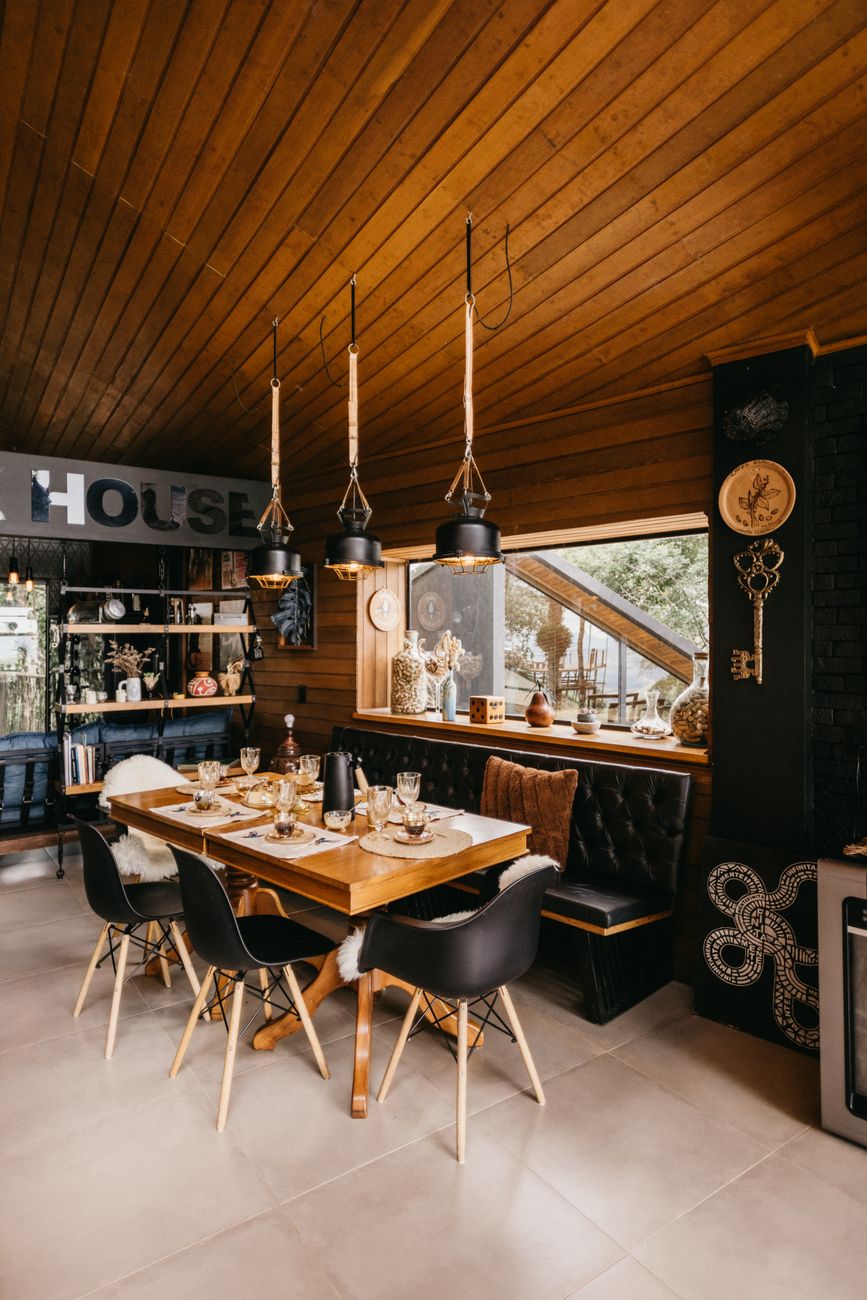
Rustic spaces celebrate natural materials and cozy charm. Popular elements include stone accents, exposed wooden beams, distressed wood, earth-tone colors, handmade accessories, and wrought-iron lighting fixtures.
Scandinavian Dining Room Decor
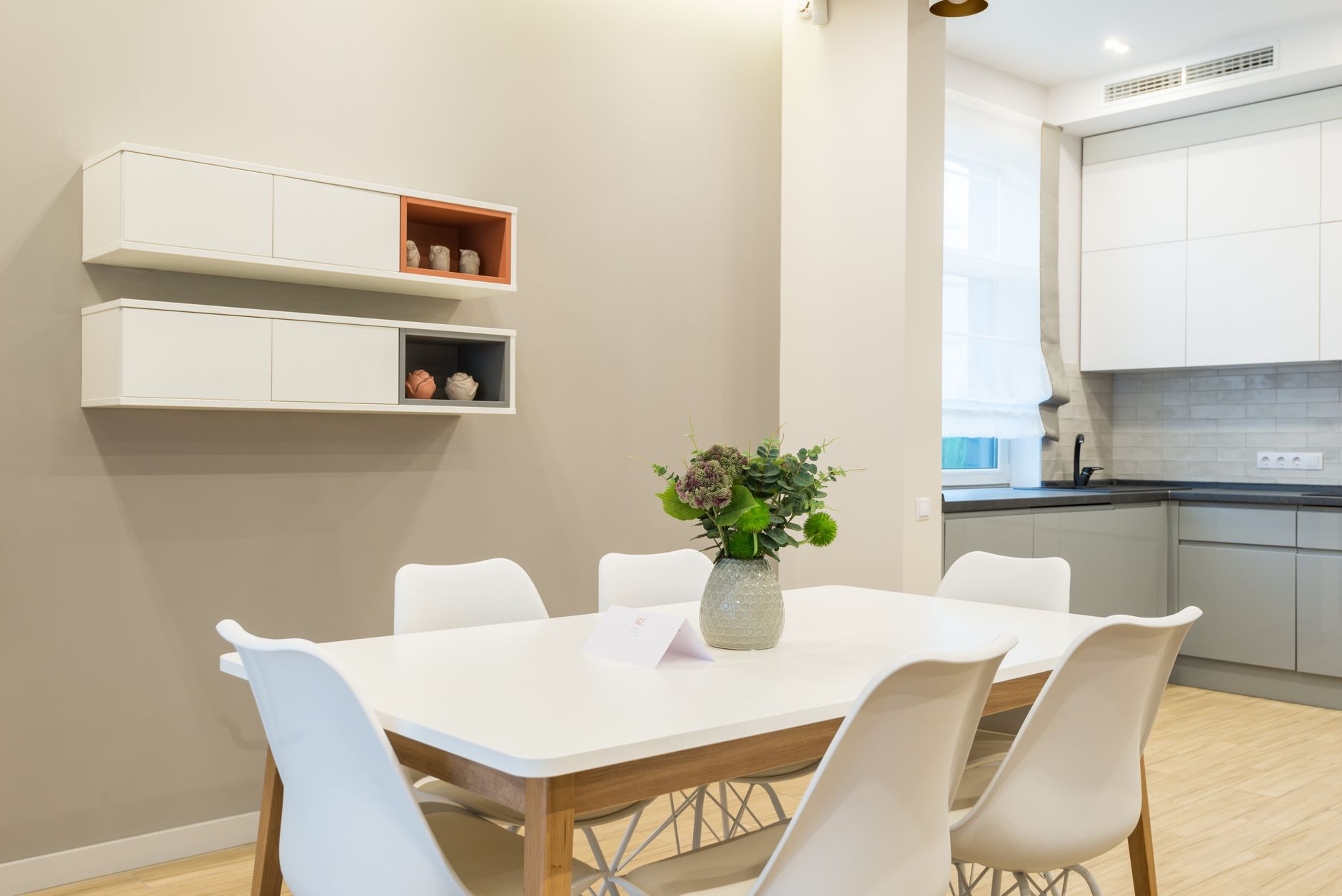
Scandinavian design emphasizes functionality, light, and simplicity. It features white walls, light wood furniture, natural textures, minimal accessories, soft lighting, and cozy textiles to create a bright, airy environment.
Industrial Dining Room Decor
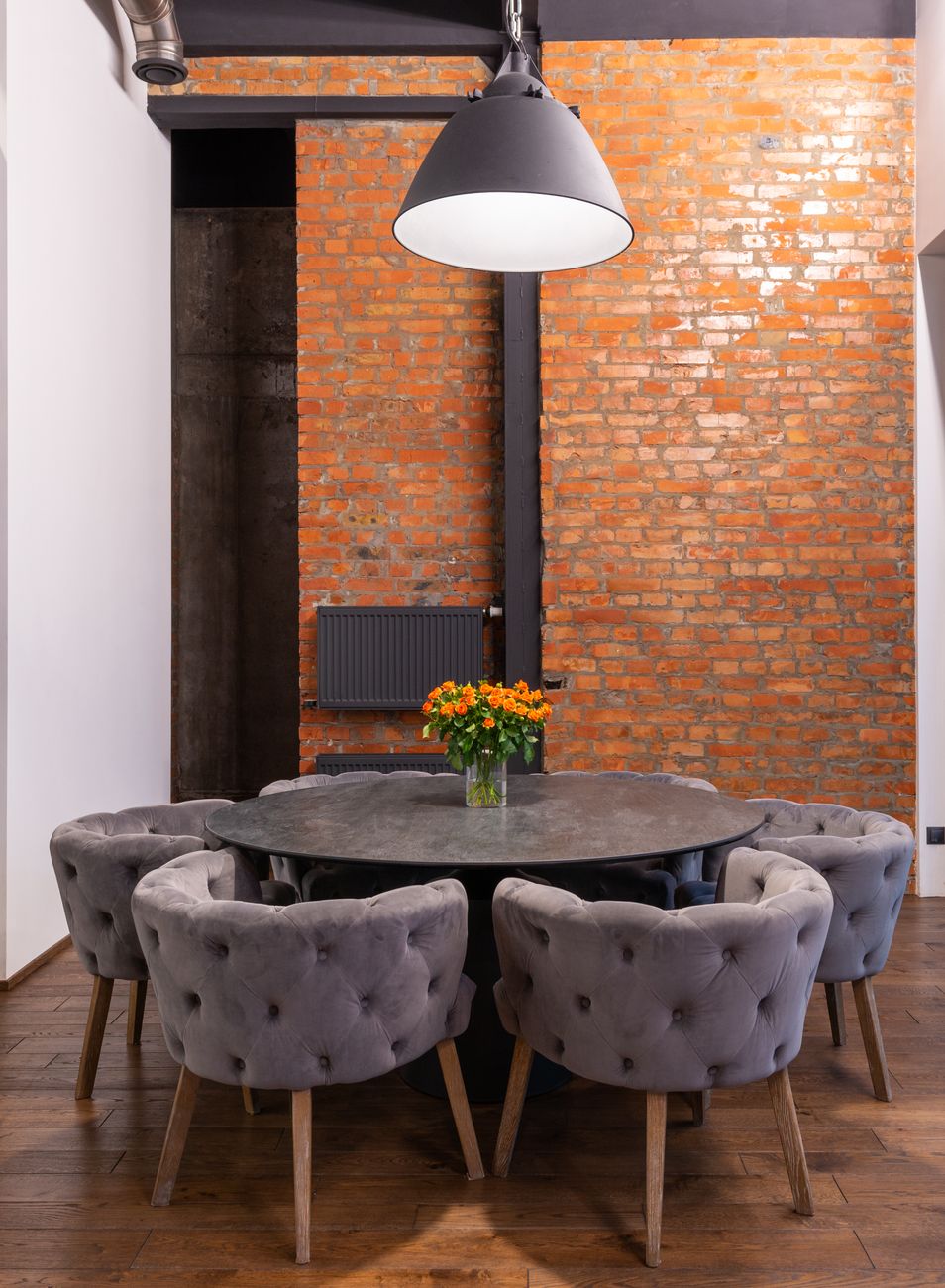
Industrial spaces combine raw architectural character with urban practicality. Key features include exposed metal furniture, concrete finishes, brick accent walls, Edison bulb lighting, black accents, and reclaimed wood.
Choosing the Perfect Color Scheme
Color sets the emotional mood for your dining room.
- Neutral Colors (White, Beige, Cream, Gray, Taupe): These shades create a timeless, flexible, and versatile backdrop.
- Bold Colors (Navy Blue, Emerald Green, Charcoal, Burgundy, Black): Bold tones add drama, depth, and sophistication.
- Warm Colors (Terracotta, Mustard, Burnt Orange, Olive Green): Warm shades create an inviting, earthy, and comfortable atmosphere.
Wall Decor & Storage Solutions
Wall Decor Ideas
Walls provide the perfect canvas to showcase your personality:
- Large framed artwork or oversized statement canvas prints
- Curated gallery walls
- Oversized accent mirrors (which reflect light and make smaller rooms look larger)
- Floating shelves, wood paneling, or wainscoting
Storage Solutions
Practical storage helps keep the room organized while enhancing style:
- Buffets & Sideboards: Excellent for storing linens, serving trays, and extra tableware.
- China & Display Cabinets: Great for showcasing fine glassware and dinnerware.
- Built-in Cabinetry: Provides seamless storage for larger floor plans.
Window Treatments
Dress your windows with treatments that complement your overall aesthetic:
- Linen curtains or sheer drapes for natural light
- Roman shades or woven bamboo blinds for texture
- Plantation shutters for classic light control
Small Space & Budget-Friendly Tips
Dining Room Decor for Small Spaces
Even compact dining rooms can feel spacious and stylish:
- Use a Round Table: Improves traffic flow and saves floor space.
- Hang Large Mirrors: Creates the illusion of depth and bounces light around.
- Opt for Multi-functional Furniture: Choose benches or sideboards with built-in storage.
- Keep Colors Light: Soft, neutral tones prevent the room from feeling cramped.
Budget-Friendly Upgrades
- Refresh with Paint: A single accent wall or fresh coat of paint in soft gray, sage green, or warm white makes a massive impact.
- Upgrade Lighting: Swap out an outdated fixture for a modern chandelier or woven pendant light, and add a dimmer switch for mood control.
- Decorate with Centerpieces & Greenery: Low-profile centerpieces (fresh flowers, candles, decorative trays) and indoor plants (Snake Plant, Monstera, Pothos, Olive Tree) instantly revitalize the room without breaking the bank.
Decorating by Home Style, Season, & Special Layouts
Style Variations
- Coastal: White furniture, light blue accents, natural woven textures, driftwood accessories, and ocean-inspired art.
- Luxury: Marble tabletops, velvet chairs, crystal chandeliers, gold hardware, elegant molding, and statement art.
Seasonal Decor Ideas
- Spring: Fresh pastel linens, bright floral arrangements, and light-colored candles.
- Summer: Citrus centerpieces, woven placemats, coastal accents, and lush greenery.
- Autumn: Warm-colored table runners, pumpkins, wooden trays, and earthy candle tones.
- Winter: Evergreen garlands, metallic candle holders, cozy textiles, and festive holiday accents.
Open-Concept & Layout Considerations
- Defining Open Spaces: Use an area rug underneath the dining set, install statement lighting overhead, position a sideboard along an adjacent wall, and coordinate your color palette with the adjacent kitchen and living room.
- Lighting Layers: Combine chandeliers/pendants with wall sconces and recessed lighting to create flexible ambience.
Top Trends for 2026 & Common Mistakes to Avoid
Dining Room Decor Trends
- Natural & Sustainable Materials: High demand for eco-friendly furniture, natural wood, stone, linen, and rattan.
- Earth-Tone Palettes: Warm neutrals, terracotta, and soft browns.
- Curved Furniture: Round tables and soft-backed chairs to ease room angles.
- Mixed Textures: Combining metal, marble, glass, and wood for custom depth.
Common Decorating Mistakes to Avoid
- Choosing a table that is too large or too small for the room’s scale.
- Hanging light fixtures too high or too low relative to the table.
- Using an area rug that is too small for chairs to slide out comfortably.
- Overcrowding the floor layout and restricting movement around seating.
- Selecting chairs based purely on looks rather than sitting comfort.
- Lacking adequate ambient lighting or storage solutions.
Frequently Asked Questions (FAQ)
1. What is the best way to decorate a dining room?
Start with functional furniture that fits your room’s dimensions and overall style. Layer your lighting (chandelier + wall or accent lights), lay a durable area rug, add artwork, and finish with a low-profile table centerpiece to keep the room welcoming yet uncluttered.
2. How do I make a small dining room look bigger?
Use light wall colors, hang a large mirror to reflect light, choose a round dining table for better flow, use wall-mounted floating shelves instead of bulky cabinets, and maximize natural light with sheer window treatments.
3. What colors work best for dining room decor?
Popular neutrals include white, warm taupe, beige, and soft gray. For a bolder or cozier statement, navy blue, sage green, olive green, charcoal, and terracotta work exceptionally well.
4. How do I choose the right size dining table?
Measure your room to ensure there is at least 36 inches of clearance between the edges of the table and the walls or surrounding furniture. Ensure the table shape complements the room layout (e.g., round tables for square/compact spaces, rectangular for long rooms).
5. What type of lighting is best for a dining room?
A central chandelier or pendant fixture positioned 30–36 inches above the table serves as the primary focal point. Pair this with wall sconces, recessed lights, and dimmer switches to easily adjust brightness between casual meals and formal gatherings.
6. How can I decorate my dining room on a budget?
Paint an accent wall, swap out an old light fixture, add fresh indoor plants, display framed prints, change window drapes or seat cushions, and style the table with simple candle holders or decorative trays.
7. Should dining room decor match the rest of the house?
It doesn’t need to match identically, but it should feel cohesive. Carrying over complementary accent colors, wood tones, or metal finishes from adjacent rooms ensures a smooth visual flow.
8. What are the latest dining room decor trends for 2026?
Key trends include earthy color schemes, sustainable and eco-friendly furniture, soft curved edges, mixed material combinations (wood + stone + metal), textured natural fabrics, and bold artwork.
Final Thoughts:
Choosing the right decor for your dining room is one of the most rewarding ways to make your home feel inviting, functional, and stylish. From foundational furniture like comfortable seating and durable tables to decorative accents like artwork, rugs, and seasonal centerpieces, every choice shapes the heart of your home.
By balancing aesthetic appeal with practical layout planning, adequate storage, and quality lighting, you can create a dining space that adapts to daily family life and festive hosting for years to come.
2 thoughts on “Dining Room Decor: The Ultimate Guide to Creating a Welcoming Dining Space”