
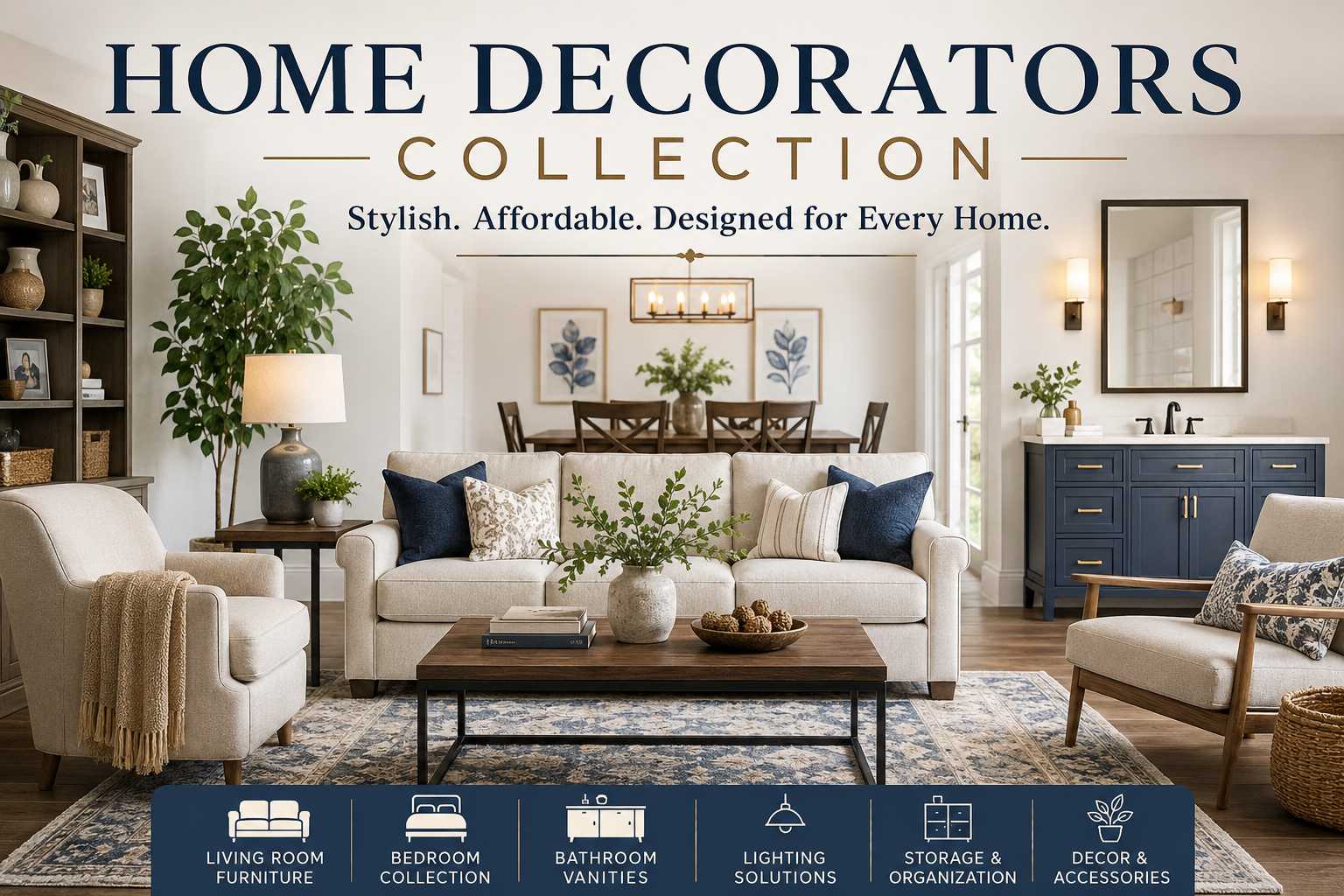
Making your home look beautiful does not have to cost a fortune or require a complete renovation. With the right selection of furniture, lighting, and decor, you can transform any room into a comfortable and inviting space. The Home Decorators Collection is an excellent option for homeowners who want stylish, high-quality pieces without overspending. They offer a diverse range of products, from living room furniture to bathroom vanities and lighting solutions.
Whether you are moving into a new home, updating a single room, or simply searching for a few finishing touches, choosing pieces that combine aesthetics, functionality, and affordability makes the process seamless. This guide explores what makes the Home Decorators Collection popular, highlights key product categories, and provides practical design advice for every room in your home.
What is the Home Decorators Collection?
The Home Decorators Collection is a home furnishings brand offering a wide array of furniture and home accessories. Their cohesive product lines make it easy to establish a consistent aesthetic throughout your entire house, serving as a convenient one-stop shop for all your decorating needs.
- Versatility Across Spaces: Products are available for living rooms, bedrooms, kitchens, bathrooms, and outdoor areas.
- Flexible Styles: Easily blend distinct pieces, such as a modern bathroom vanity, a classic dining room cabinet, and a minimalist entryway console.
Why Choose a Cohesive Home Collection?
Mixing items from multiple retailers can be challenging when trying to coordinate colors, finishes, and proportions. Opting for a curated collection simplifies the design process.
- Unified Design Language: Built-in stylistic harmony ensures disparate pieces pair well together.
- Broad Style Spectrum: Options range from clean-lined, modern neutrals to ornate, warm traditional aesthetics.
- Balanced Quality: Products prioritize durability, ease of maintenance, and everyday comfort alongside visual appeal.
Room-by-Room Decorating Ideas

Living Room Layouts
Your living room is often the central hub of your home, requiring a balance of comfort and style.
- Proportion & Scale: Avoid overfilling small rooms; select slim coffee tables and compact sofas to maintain open sightlines and fluid movement.
- Zoning Open Plans: In larger spaces, use area rugs and seating arrangements to define separate functional zones for conversation, reading, or media.
Restful Bedroom Spaces
Your bedroom should be a serene retreat tailored to rest and relaxation.
- Essential Furniture: Prioritize a sturdy bed frame and scaled storage pieces, such as dressers and nightstands, to prevent clutter.
- Neutral Color Palettes: Neutral furniture finishes provide a versatile backdrop, allowing you to easily refresh wall colors, bedding, and accents over time.
Functional Bathroom Vanities
Bathrooms demand durable furniture capable of handling daily wear and high moisture levels.
- Precise Measurements: Before selecting a vanity, measure the room carefully while accounting for door swings, plumbing access, and electrical outlets.
- Style Pairings: Ornate vanities with warm wood tones suit traditional spaces, while frameless designs with understated hardware fit modern aesthetics.
Atmosphere & Lighting
Lighting plays a critical role in setting the tone of a room. A comprehensive lighting plan blends three distinct layers:
| Lighting Type | Purpose | Common Fixtures |
| Ambient | Overall room illumination | Ceiling flush mounts, chandeliers |
| Task | Focused light for activities | Desk lamps, vanity lights, reading lamps |
| Accent | Highlight architectural details or art | Wall sconces, directional spotlights |
Dining Room Elements
The dining table serves as the focal point of the dining area and should accommodate both your space constraints and seating needs.
- Shape Selection: Rectangular tables suit long, narrow dining rooms, while round tables foster intimacy in compact spaces.
- Functional Storage: Incorporate a matching buffet or sideboard to store serving ware and showcase decorative accents.
Inviting Entryways
As the first impression of your home, an entryway should combine style with practical organization.
- Compact Storage: Utilize narrow console tables or storage benches to keep keys, mail, and shoes organized.
- Visual Expansion: Hang a large accent mirror above a console table to bounce light and make small entryways feel larger.
Functional Home Offices
A dedicated workspace should promote productivity while blending seamlessly with your overall home decor.
- Ergonomics & Layout: Pair a spacious desk with an adjustable, supportive chair, positioning monitors at eye level to reduce strain.
- Storage Solutions: Incorporate matching bookcases, floating shelves, or vertical file cabinets to maintain a clutter-free work surface.
Finding Your Interior Design Style
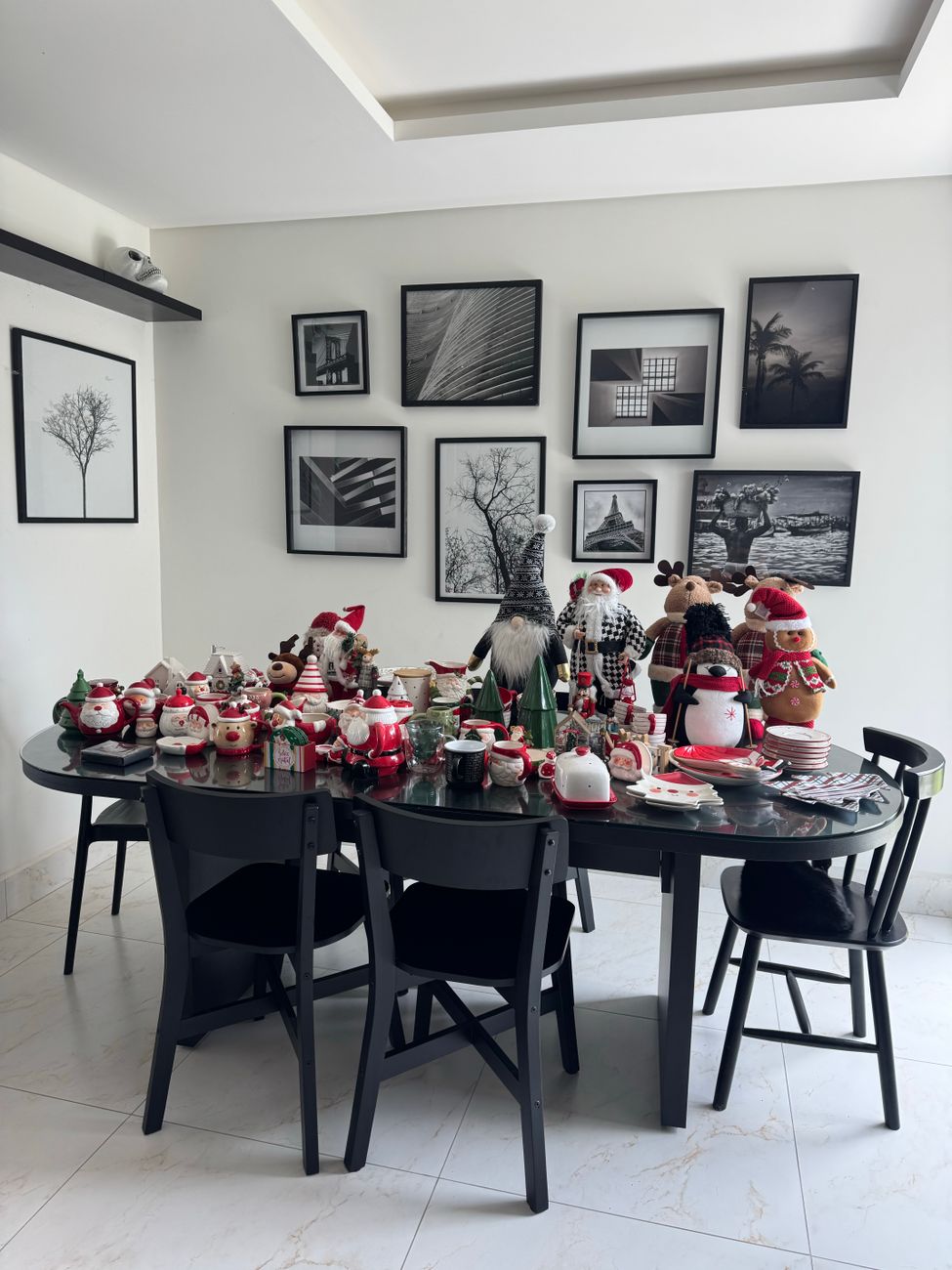
Identifying your design aesthetic before purchasing furniture ensures a cohesive outcome:
- Modern: Characterized by crisp lines, simple geometric forms, neutral palettes, and minimal ornamentation.
- Traditional: Features classic silhouettes, rich wood tones, upholstered details, and decorative hardware.
- Farmhouse: Blends rustic textures, warm timber finishes, and practical, sturdy furniture.
- Transitional: Seamlessly mixes modern and traditional elements for a balanced, timeless aesthetic.
- Coastal: Focuses on light-reflecting palettes, natural textures, and a relaxed, airy atmosphere.
Design Tips & Best Practices
Mixing Styles Successfully
You do not need to buy identical matching sets. Combining different styles adds character and warmth.
- Find Common Threads: Bridge disparate pieces by repeating specific materials, wood stains, hardware finishes, or fabric patterns throughout the space.
- Avoid “Showroom” Sets: Mix textures—such as combining a wooden coffee table with metallic light fixtures and soft upholstery—to keep the room looking curated rather than mass-produced.
Measuring Accurately
Incorrect scaling is one of the most common decorating errors.
- Map the Footprint: Measure floor dimensions and mark furniture outlines using painter’s tape to verify clearances around doorways, vents, and walkways.
- Check Access Points: Measure stairwells, hallways, and entry door frames to ensure delivery access.
Color Palette Selection
Color dramatically alters spatial perception.
- Foundation vs. Accents: Use neutral tones (white, beige, gray, or taupe) on primary furniture and walls, introducing vibrant colors through throw pillows, rugs, and artwork.
- Evaluate Lighting: Test color swatches under both natural daylight and artificial evening lighting to see how tones shift throughout the day.
Connecting Adjacent Rooms
Maintain visual flow across your home without making every room identical:
- Carry consistent wood stains or flooring options from one room to the next.
- Unify door hardware, cabinet pulls, and light fixture metals (e.g., brushed brass or matte black) across adjacent spaces.
Budget-Friendly Decorating Strategies
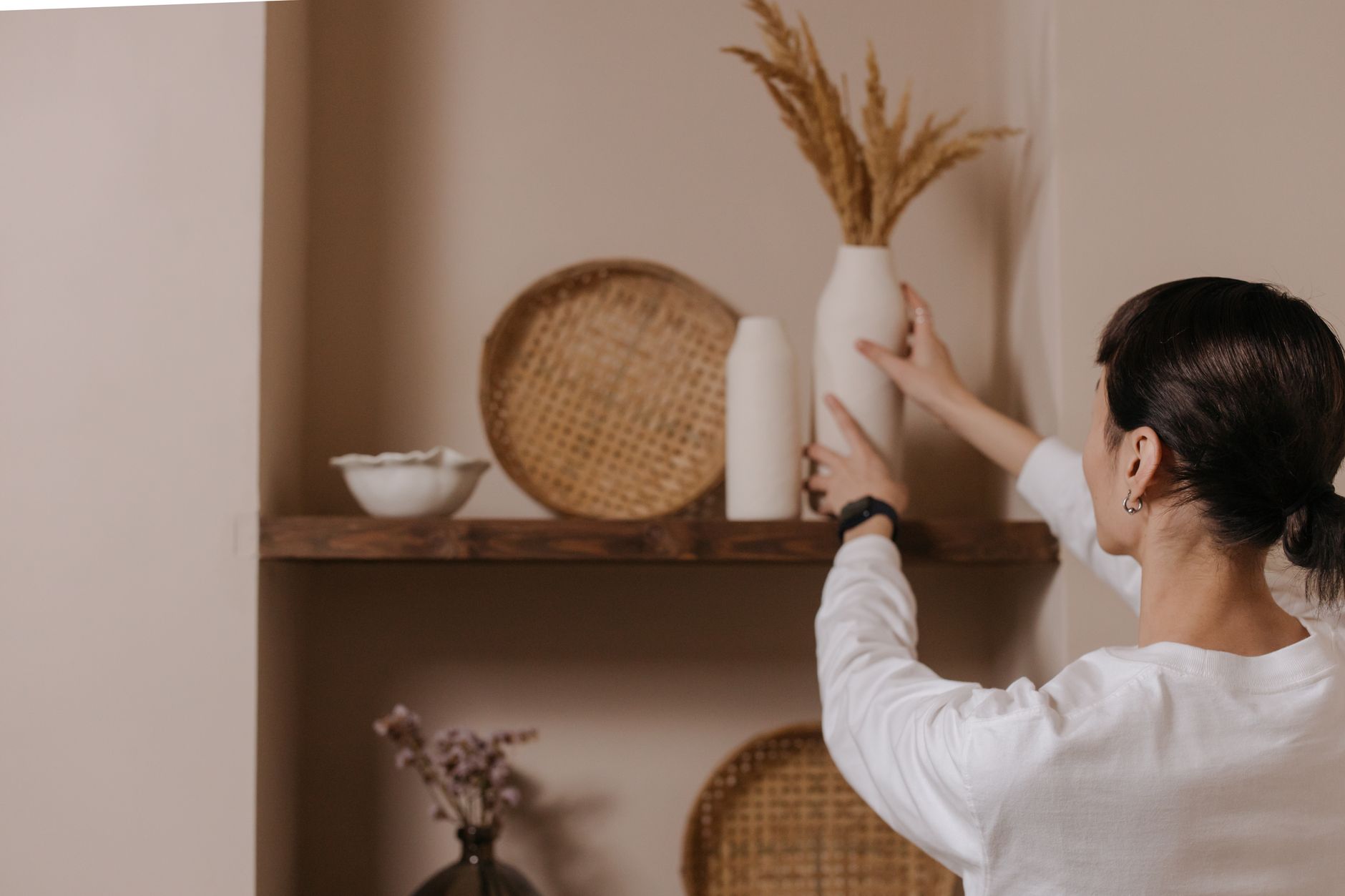
- Prioritize High-Impact Pieces: Invest in well-made, frequently used primary pieces like sofas, mattresses, and dining tables, saving on decorative accents.
- Phase the Transformation: Complete one room at a time to stay within budget and prevent impulse purchases.
- Refresh with Accessories: Update lighting, textiles, mirrors, and wall art periodically to instantly refresh a room’s look without replacing major furniture.
Maintenance & Care Guidelines
- Wood: Dust regularly with a soft cloth and wipe up moisture spills immediately to protect the finish.
- Upholstery: Vacuum fabrics weekly using an upholstery attachment and spot-clean according to manufacturer fabric codes.
- Glass & Metals: Use non-abrasive cleaners and microfiber cloths to preserve reflective finishes and prevent scratching.
Common Decorating Mistakes to Avoid
- Ignoring Scale: Avoid putting oversized furniture in compact spaces or using undersized area rugs that float awkwardly under seating.
- Overcrowding: Leave sufficient negative space so rooms feel breathable and easy to navigate.
- Over-relying on Trends: Base your home around classic, durable foundational pieces, reserving trends for easily replaceable accessories.
Frequently Asked Questions
Is the Home Decorators Collection suitable for modern homes?
Yes. The collection includes versatile designs, neutral finishes, and simple silhouettes that integrate into contemporary, transitional, and modern interiors.
What should I prioritize before buying furniture?
Focus on accurate room dimensions, intended daily usage, structural quality, comfort, and how well the piece coordinates with your existing layout.
How can I make a small room feel larger?
Opt for low-profile furniture raised on legs, utilize light color schemes, incorporate large mirrors, and keep floor space as clear as possible.
Should all my furniture match?
No. Matching sets can feel rigid. Combining complementary wood finishes, textures, and metals creates a more dynamic and personalized interior.
What is the best approach to decorating on a budget?
Focus on essential primary furniture first. Add decorative accents, lighting, and textiles gradually as your budget allows.
Conclusion:
Building a beautiful home relies on thoughtful choices rather than high spending. By measuring carefully, establishing a clear design style, and selecting functional pieces, you can create a comfortable, unified, and stylish space tailored to your lifestyle.
1 thought on “Home Decorators Collection: A Complete Guide to Elevating Your Home on a Budget”