
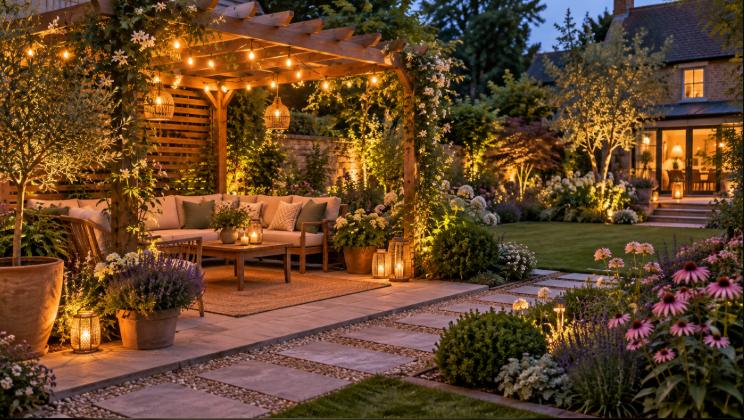
The best garden design ideas start with how you want to use your yard. Maybe you imagine a corner for morning coffee, a bright flower border to attract butterflies, or raised beds for growing herbs and vegetables. Once you know what matters most, it’s easier to plan paths, planting areas, seating, and the small details that make the garden feel like your own.
You don’t need a yard or a full landscape makeover to see a big change. A clearer path, a placed container, or a small seating area can transform how the space feels. Start with what you have. Pay attention to sunlight and soil conditions. Build the design step by step.
1. Decide What You Want the Garden to Do
Before picking plants or paving, write down the activities you want the garden to support. A family yard might need lawn space and strong paths. A small urban yard might work better as a patio with containers. If you love growing food, save the most practical area for vegetables and herbs.
A garden can do more than one thing. It helps to decide which use comes first. If outdoor dining is important, make sure a table fits comfortably before adding a flower bed. If you want an escape, look for a corner that feels separated from the house and neighboring views.
One of the useful garden design ideas is to plan around real routines instead of an idealized picture. Notice where you walk naturally. Where do you set down bags or tools? Which parts of the yard do you already enjoy? A design that supports your habits is more likely to get used.
2. Map the Yard Before You Change It
Make a sketch of your property. Mark the house, fences, trees, doors, utility areas, and existing garden beds. Then watch how sunlight moves through the yard during the day. A spot that looks bright in the morning might be shaded in the afternoon.
Also note where water collects after rain, where wind is strongest, and where you need a route for bins, a mower, or garden tools. These details help decide where a path or seating area should go. Penn State Extension’s garden-design guidance says you should consider the site and the purpose of the space when planning a garden.
If you’re unsure about a change, outline it with a garden hose or string first. Walk around the proposed bed, patio, or path. Adjust the shape before buying materials. This small test can prevent a layout from feeling too tight once it’s built.
3. Create a Focal Point
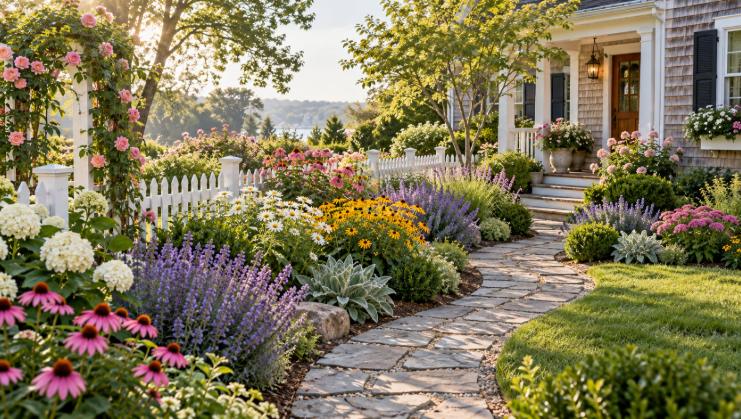
A focal point gives the eye a place to rest. It could be a tree, a birdbath, a bench, a sculpture, a colorful container, or a view from the house. You don’t need a centerpiece. Even a small garden can have one feature that draws attention.
Place the point where it can be seen from a useful angle—like a kitchen window, patio, or path entrance. Then use planting or a change in paving to guide the eye toward it. Avoid placing large statement objects close together since they can compete with one another.
A focal point can also be practical. A bench at the end of a path invites a pause. A trellis can support climbing plants or hide a less attractive fence. The best feature is one that supports the way you want the garden to feel.
4. Give Paths a Clear Purpose
Paths make a garden easier to move through. They help divide areas without needing a fence or wall. A straight path feels direct and formal. A gentle curve can make a small yard feel more relaxed and reveal the garden slowly.
Choose a surface that fits how the path will be used. Stepping stones might be enough for a light-use route across a lawn. A frequently used walkway might need a more stable surface. Think about drainage, maintenance, and whether the route needs to be comfortable for a cart or a mobility aid.
Keep paths wide for the people who will use them. Avoid pinch points near gates or seating. These garden design ideas work best when movement feels natural, not like an obstacle course.
5. Shape Beds to Suit the Yard
A border can soften a fence or frame a lawn. An island bed can create a planting feature in an open area. In a narrow yard, a long border may make better use of the edges and keep the center open. In a larger space, several beds can define separate zones.
Use a garden hose or rope to trace the outline before digging. Step back and look at the shape from the house and the main entrance. Gentle curves feel informal. Straight edges can suit a traditional layout. Neither is automatically better—choose a shape that matches the architecture and your preferred style.
Leave room to reach plants for watering, pruning, and weeding. Beds that are too wide can be hard to maintain from the edge. If you want a deep border, add stepping stones or a small access path inside it.
6. Plant in Layers for Depth
A layered planting plan gives a garden depth and makes it look intentional. Place taller plants or ornamental grasses toward the back of a border. Put medium-height plants in the middle, and place groundcovers or low flowers near the edge. If the bed is visible from all sides, put the tallest plants closer to the center.
Mix shapes and textures instead of relying only on flowers. A mix of grasses, rounded shrubs, broad leaves, and delicate blooms can look interesting even when few plants are flowering. Evergreens and plants with structured stems or seed heads can add interest through more of the year.
Check the size of plants before buying. A small nursery pot can grow into a large shrub. Consider height and width at maturity. Crowding plants can lead to excess pruning and competition later. Local nurseries and cooperative extension resources can help you find varieties suited to your region.
7. Choose Plants for Your Site
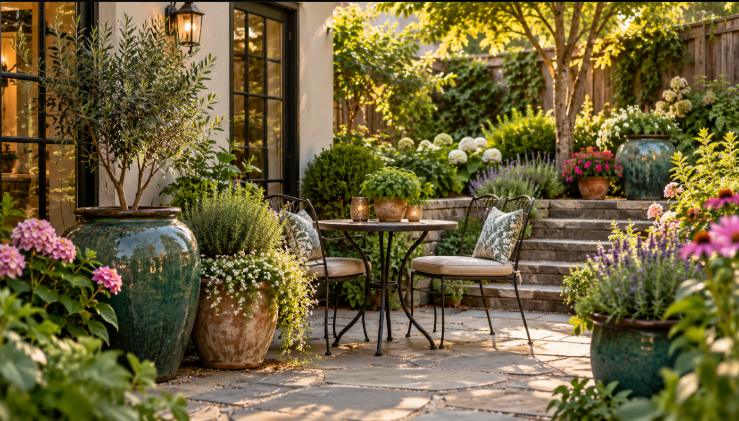
Sunlight, soil, drainage, and climate all affect which plants will thrive. A sunny bed has different options than a shady corner under mature trees. Before buying plants, check how many hours of direct sun the area gets and whether the soil stays dry or damp.
It’s also helpful to choose plants that fit your schedule. A low-maintenance garden can still be colorful, but it usually benefits from a thoughtful plant list, mulch, and a realistic watering plan. Group plants with similar water needs together; don’t try to keep thirsty flowers next to plants that prefer drier soil.
For U.S. gardens, “native” depends on the region. A plant native to one state may not be native to another. Look up appropriate species through a regional extension office, native plant society, or a reputable local nursery instead of relying on a generic national list.
8. Add Color With a Simple Palette
A color palette can make a garden feel unified. You might choose two flower colors, repeat them in different beds, and then use foliage and neutral materials to balance the display. For example, purple and white flowers sit well alongside silvery leaves and natural stone.
You can also use color to create a mood. Bright reds, oranges, and yellows grab attention and feel energetic. Soft pinks, blues, and whites feel calmer. Green foliage is the backdrop that ties those colors together.
Color doesn’t have to come from flowers alone. Pots, fences, outdoor cushions, painted furniture, and garden art can all add color. If you’re unsure, start with a few containers before painting a fence or buying a large set of patio furniture.
9. Make Room for Pollinators
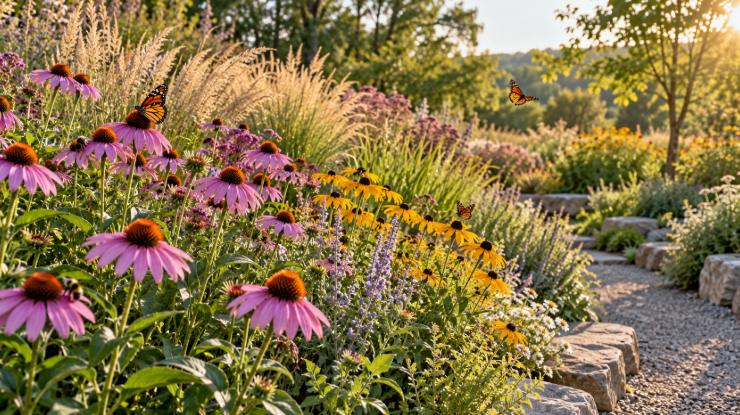
A pollinator-friendly garden can be attractive and useful. Consider planting a range of flowering species that bloom at different times. Include a mix of flower shapes and heights, and leave some areas less manicured if that works for your space.
Native plants excel at supporting wildlife, but the best choices depend on your region and site conditions. The USDA Natural Resources Conservation Service recommends selecting plants that suit the location and desired habitat goals. Regional plant lists are much more useful than choosing from a generic list.
You can start small. A container of suitable flowers, a short border, or a small patch near a fence can add habitat without turning the whole yard into a meadow. Ask your nursery if plants have been treated with products that may harm pollinators, and follow label directions for any garden treatments.
10. Try a Container Garden
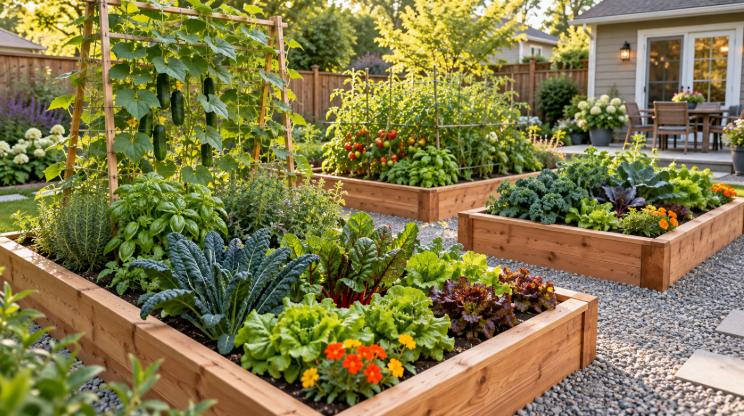
Containers are useful when you have a patio, balcony, porch, or small yard. They let you add flowers, herbs, or compact vegetables without digging a bed. They can also bring color close to an entryway or seating area.
Choose containers with drainage holes and enough room for roots. Large containers generally dry out more slowly than very small pots, though the right choice depends on the plant and climate. Group pots in varied heights for a relaxed look, or line them up for a more orderly appearance.
A rolling planter can be convenient if you need to move plants to follow the sun. Use containers designed for outdoor use and check how heavy they will be when filled with wet soil. A balcony or deck may have weight limits, so check before placing several large planters together.
11. Create a Place to Sit
A garden often feels more complete when there’s a spot to sit and rest. A bench under a tree, a pair of chairs on a patio, or a café table near a flower bed can make the yard feel more inviting. You don’t need a full deck to have a comfortable outdoor seat.
Choose a seating area that offers a nice view and is easy to reach from the house. Think about shade during the times you plan to use it. A sunny spot might feel great in spring but become too hot in midsummer. A shady corner might be cool in the afternoon but feel damp or chilly in the evening.
These garden design ideas can be done in steps. Start with two weather-resistant chairs, then later add a side table, a shade structure, or outdoor cushions. Measure the space so the furniture doesn’t block a door or a path.
12. Add Vertical Interest
When ground space is limited, use vertical features. A trellis, arbor, or wall-mounted planter can add height and support climbing plants. A pergola may offer shade or a framework for vines. Check local building rules and plan for its footprint before installing one.
Vertical elements can also break up blank fences or bare walls. A narrow trellis can soften a boundary without taking up ground space. Use climbing plants that match your climate, and make sure the structure can hold their full grown weight.
Not every vertical feature has to be permanent. Tall planters, obelisks, and movable screens can create height and privacy with minimal effort. If you rent or plan to change the layout later, movable pieces are easier to handle.
13. Make a Small Yard Feel Larger
In a smaller yard, it helps to avoid filling every inch. Leave some space for movement, choose appropriately sized features, and make the planting feel connected from one area to another. A consistent paving material or repeated plant variety can make separate corners feel like part of a cohesive garden.
Use boundaries wisely. A low hedge, open border, or light trellis can suggest a division without making the yard feel closed in. A mirror made for outdoor use can reflect light, but place it carefully so it doesn’t cause confusing reflections for birds or people.
Compact gardens can still have layers. Use a small tree or tall shrub for height, add perennials for fullness, and place containers near the path. The garden design ideas that work best in tight spaces keep circulation clear and make each feature serve more than one purpose.
14. Consider Water, Drainage, and Maintenance
A beautiful plan needs to work in all weather. Note where rainwater flows and whether it pools near the house, patio, or garden beds. Avoid directing water toward foundations or neighboring properties. If you’re planning a rain garden or a major change in ground level, check local regulations before digging.
Mulch can help beds look neat and reduce soil drying. Choose a material that fits your yard and keep it pulled slightly away from plant stems and tree trunks. For paths, think about how the surface drains and whether it will need frequent sweeping or weed control.
Think about maintenance before installing features. A large lawn needs regular mowing, extensive paving may need cleaning, and a dense flower border requires pruning. No garden requires zero care, but a realistic design keeps the work manageable.
15. Build the Garden in Phases
You don’t have to finish everything in one season. Start with the parts that solve your most immediate needs: a safe path, a seating area, or a bed where plants are likely to do well right away. Then add lighting, containers, edging, and decorative details as time and budget allow.
A phased approach gives you time to see how the garden changes through the seasons. You might find that a sunny spot is hotter than expected or that a path needs to be widened. Let the first round of planting teach you what the space needs next.
Keep a record of what you plant and where. Note which areas get full sun, which plants flower well, and what requires frequent water. These observations will make future choices easier and help you avoid replanting things that struggled previously.
Frequently Asked Questions
How do I start designing a garden?
Start by noting how you want to use the space. Then map the yard, sunlight, paths, and existing features. Choose a layout before buying plants or materials. Penn State Extension’s garden-design principles recommend shaping the design around both the site and the gardener’s practical needs.
What are some easy garden design ideas for beginners?
Begin with one main path, a small seating area, and a manageable planting bed or group of containers. Choose plants suited to your light and climate, and expand the design gradually over time.
How can I make a garden more pollinator-friendly?
Plant a variety of flowers that bloom at different times throughout the season. Choose native species suited to your region. Local extension services, native plant organizations, and USDA NRCS resources offer great region-specific pollinator plant guides.
What can I plant in a shade garden?
Options depend on your climate, soil, and how deep the shade is. Look for plants specifically recommended for shade in your region (like hostas, ferns, or coral bells), and check whether the site stays dry beneath mature trees or remains moist.
How do I design a garden on a budget?
Reuse materials and divide perennials where appropriate. Start small with a single bed and add features in phases. Containers and simple gravel or mulch paths can make a massive difference without requiring a full yard renovation.
Conclusion
A thoughtful garden can be beautiful, practical, and suited to the time you have available. Begin with how you want to use the space, study the light and drainage, and create a layout that makes movement easy. Then add plants, seating, color, and personal touches in a way that fits your home and region.
The best garden design ideas are the ones that make you want to spend more time outside. You can start small with a simple border or a comfortable chair and let the rest of the garden take shape over time.
1 thought on “Garden Design Ideas: 15 Ways to Create a Useful Outdoor Space”