
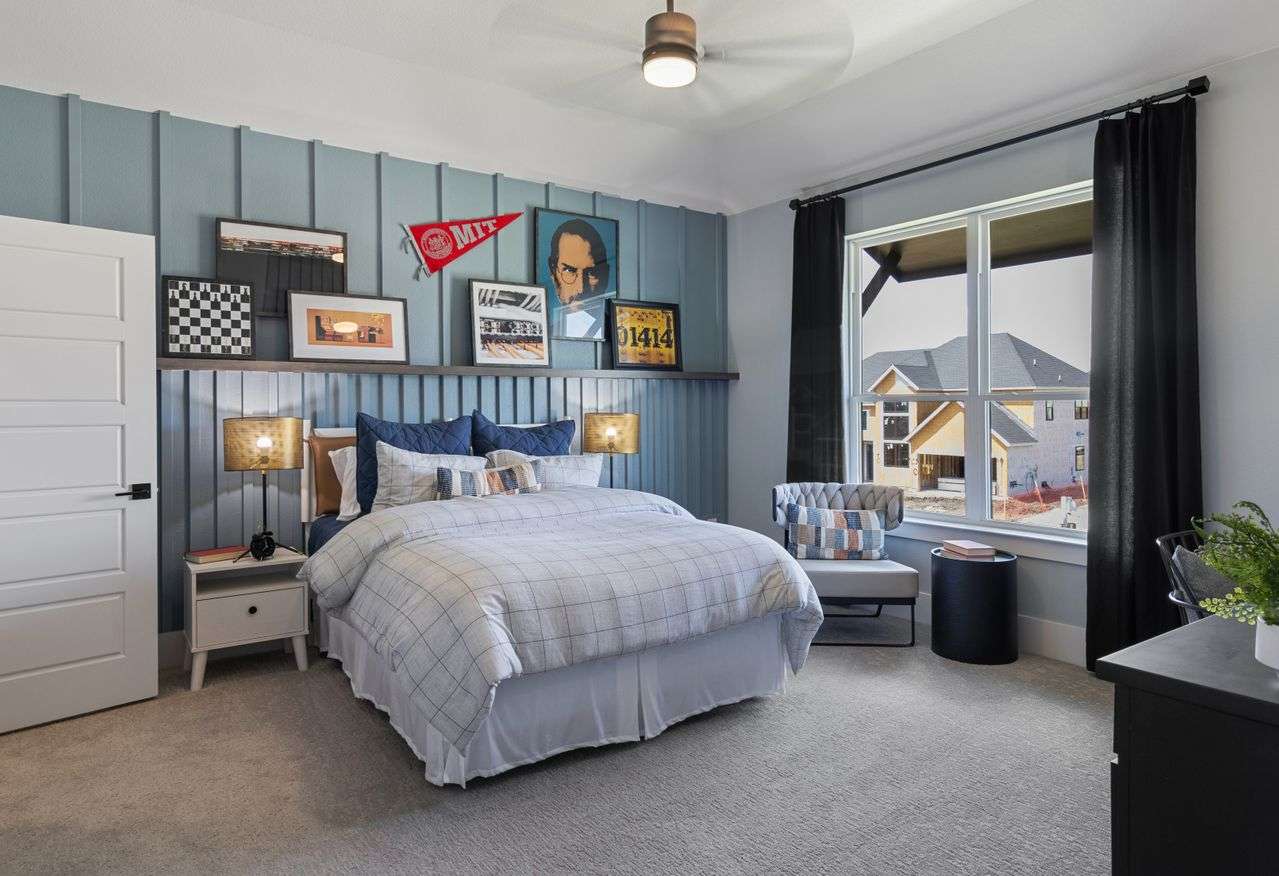
Creating a bedroom that feels stylish, comfortable, and personal is an important part of growing up. A teenager’s bedroom is more than just a place to sleep. It can serve as a study area, gaming zone, creative workspace, entertainment space, and private retreat. With the right colors, furniture, lighting, and organization, even a small room can become a functional and attractive space.
If you’re searching for teenage guy bedroom design ideas, this guide will help you explore creative ways to transform a bedroom into a space that reflects personality and supports everyday activities. From modern minimalist rooms and industrial-inspired designs to gaming setups and cozy study corners, there are options for different styles, room sizes, and budgets.
Whether you’re decorating a bedroom for a young teen or updating a space for an older teenager, the key is to balance personal preferences with practical design. The best bedroom should feel comfortable, offer enough storage, and make it easy to relax, study, and enjoy hobbies.
In this article, we’ll explore 25 inspiring ideas, useful layout tips, color combinations, furniture suggestions, and answers to common bedroom design questions.
1. Modern Minimalist Teenage Bedroom
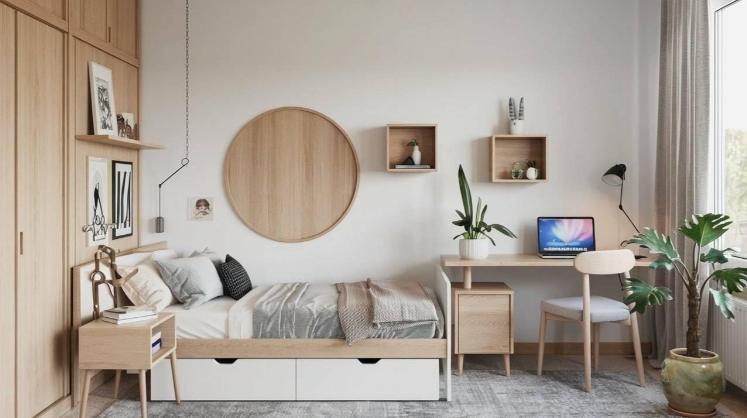
A modern minimalist bedroom is a great choice for teenagers who prefer a clean, uncluttered environment. This design focuses on simple furniture, neutral colors, and functional decorations without making the room feel empty.
Choose a bed with a streamlined frame, a simple desk, and storage furniture that keeps everyday items organized. Colors such as white, gray, beige, charcoal, and muted green can create a contemporary appearance.
Design tips
- Choose furniture with simple lines.
- Keep decorations intentional.
- Use under-bed storage.
- Add a comfortable rug for warmth.
- Include a desk for schoolwork or hobbies.
Minimalism does not mean removing all personality. Posters, artwork, favorite books, and a few decorative accessories can make the room feel personal while maintaining a tidy appearance.
2. Dark and Moody Bedroom Design
Dark colors can create a cozy and sophisticated bedroom atmosphere. Deep gray, navy blue, forest green, and black accents are popular choices for a room with a bold visual identity.
When using darker colors, balance them with lighter bedding, warm lighting, or wooden furniture. This helps prevent the room from feeling overly heavy, especially if the space is small or receives limited natural light.
How to create the look
- Paint one accent wall in a dark shade.
- Use lighter bedding to create contrast.
- Add warm bedside lighting.
- Introduce natural wood or textured fabrics.
- Keep the floor and main pathways clear.
A dark accent wall can often deliver the desired effect without requiring every surface to be painted a deep color.
3. Gaming Bedroom Setup
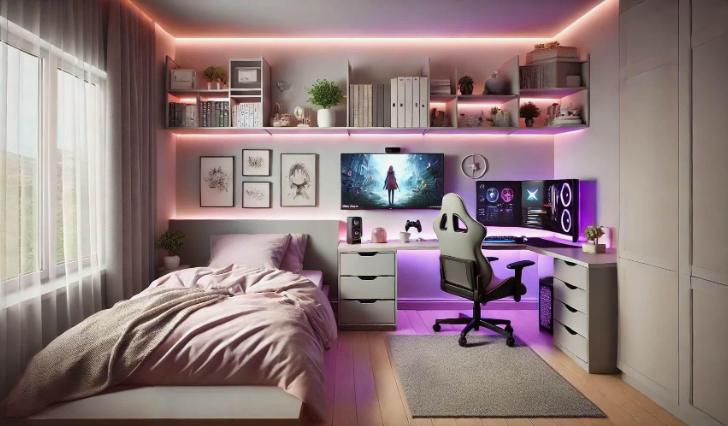
For teenagers who enjoy gaming, the bedroom can include a dedicated gaming station that combines comfort, organization, and technology.
A functional setup typically includes a desk, monitor, comfortable chair, cable management, and adequate lighting. The gaming area should fit naturally into the room rather than making the entire space difficult to use for studying or sleeping.
Important gaming room features
- A desk that fits the available space.
- A comfortable, adjustable chair.
- Organized cables.
- Shelves for gaming accessories.
- Lighting that can be adjusted for different activities.
- Adequate space for schoolwork.
LED lighting can add visual interest, but it is worth including softer, adjustable lights for reading and relaxing. Keep screens positioned comfortably and avoid letting cables block walkways.
4. Industrial-Style Teenage Bedroom
Industrial-inspired interiors combine materials such as wood, metal, concrete-look finishes, and exposed-brick-style accents. This design can work well for teenagers who like a more urban or workshop-inspired appearance.
A wooden bed frame paired with a black metal desk creates a practical foundation. Add industrial-style lighting, framed artwork, and storage baskets to complete the look.
You do not need real exposed brick or expensive furniture to achieve this style. Wallpaper, removable wall panels, and affordable metal accents can create a similar visual effect.
5. Sports-Themed Bedroom
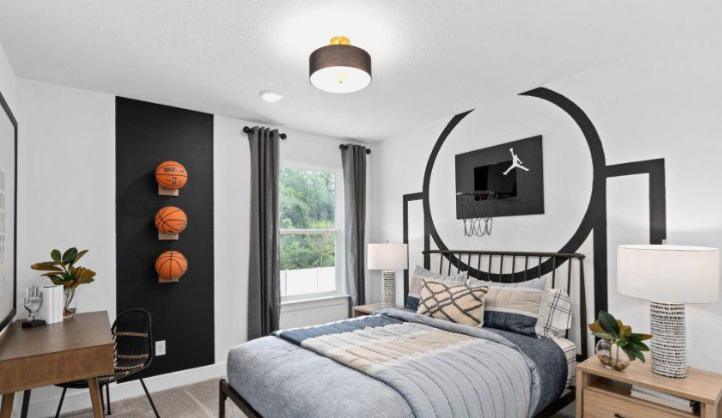
A sports-themed bedroom is a fun way to celebrate a teenager’s favorite activity or team. Basketball, football, soccer, and other sports can inspire wall art, bedding, display shelves, and accessories.
To create a balanced design, use sports-related items as accents rather than filling every surface with themed decorations.
Ideas for sports decor
- Frame a favorite jersey.
- Display medals or sports equipment.
- Use a subtle team-color accent wall.
- Add a compact equipment storage area.
- Choose bedding that can be updated over time.
A flexible design makes it easier to change the theme as interests develop.
6. Cozy Neutral Bedroom
Neutral colors create a relaxed environment that can adapt as a teenager gets older. Consider warm beige, soft gray, cream, and natural wood.
Add personality through textured bedding, artwork, and a few favorite accessories.
Best for: Teens who want a calm, versatile bedroom that won’t need a complete redesign every year.
7. Modern Blue Bedroom
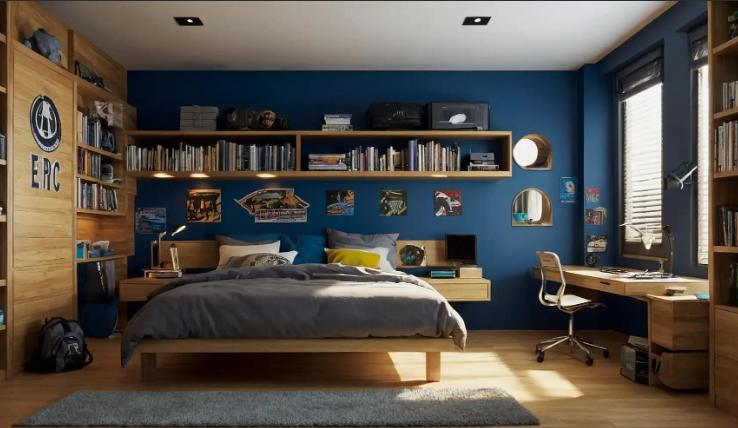
Blue is a versatile bedroom color that can create anything from a calm, classic atmosphere to a bold modern look. Navy, slate blue, and muted blue-gray work well with white or natural wood furniture.
For a cohesive appearance, choose one primary blue shade and complement it with two or three supporting colors.
Color combination ideas
- Navy blue + white + natural wood.
- Slate blue + light gray + black.
- Dusty blue + beige + warm oak.
Use blue bedding or artwork if you want to experiment without repainting the room.
8. Small Bedroom with Smart Storage
Small bedrooms benefit from careful furniture placement and storage that uses vertical space. Rather than filling the room with large furniture, consider narrow shelving, under-bed drawers, and wall-mounted storage.
Designers frequently recommend visually lighter furniture, multifunctional pieces, and wall-mounted solutions to make compact bedrooms feel more open.
Space-saving solutions
- Use a bed with built-in drawers.
- Install floating shelves above the desk.
- Choose a narrow wardrobe.
- Use wall hooks for backpacks and jackets.
- Keep the central walking area open.
Measure the room before buying furniture. A design that looks good in a photograph may not work well in your actual space.
9. Music-Inspired Bedroom
Music lovers can incorporate their interests through instruments, framed posters, album artwork, and dedicated storage.
A guitar wall mount, for example, can turn an instrument into a decorative feature while keeping it accessible. Ensure any wall-mounted instrument is installed with suitable hardware and does not create a safety hazard.
You can combine music-inspired decor with a minimalist base, making it easier to update the room when musical preferences change.
10. Nature-Inspired Bedroom
A nature-inspired bedroom uses earthy colors, natural textures, and greenery to create a welcoming environment.
Consider sage green walls, wood furniture, woven baskets, and botanical artwork. Low-maintenance plants may be added if the room has appropriate light and the teenager can care for them.
For a low-maintenance option, use botanical prints or artificial plants. Avoid adding plants that may be toxic to pets if animals have access to the room.
11. Streetwear and Urban-Inspired Room
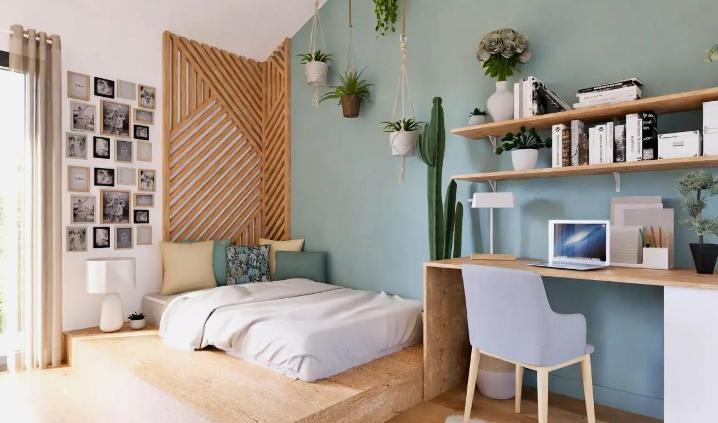
Streetwear-inspired decor can reflect an interest in fashion, sneakers, photography, or urban culture.
Use a neutral base and add visual interest with graphic artwork, a clothing rack, or a carefully arranged sneaker display.
Styling suggestions
- Use framed graphic prints.
- Add a simple clothing rack.
- Display selected sneakers or accessories.
- Incorporate black metal or wood furniture.
- Avoid overcrowding the room with decorations.
The goal is to create a curated space instead of an area that looks like a storage closet.
12. Loft Bed with Study Area
A loft bed can free up floor space by placing the sleeping area above a study or storage zone. It may be useful in a compact room, provided the ceiling height, bed design, and safety requirements are suitable.
Before purchasing a loft bed, check manufacturer instructions, recommended age and weight limits, guardrails, ladder access, and ceiling clearance.
The space underneath can accommodate:
- A study desk.
- A reading chair.
- Storage drawers.
- A hobby station.
A loft bed is not suitable for every room, particularly where the ceiling is low or safe access is difficult.
13. Two-Tone Wall Design
Two-tone walls add character without requiring complex decoration. You can combine a neutral shade with a darker accent color, or use a painted lower section with a lighter upper wall.
Popular combinations include:
- White and navy.
- Gray and forest green.
- Beige and charcoal.
- White and muted blue.
Use painter’s tape to create a clean dividing line. Test paint samples in different lighting before committing to the final colors.
14. Dedicated Study Nook
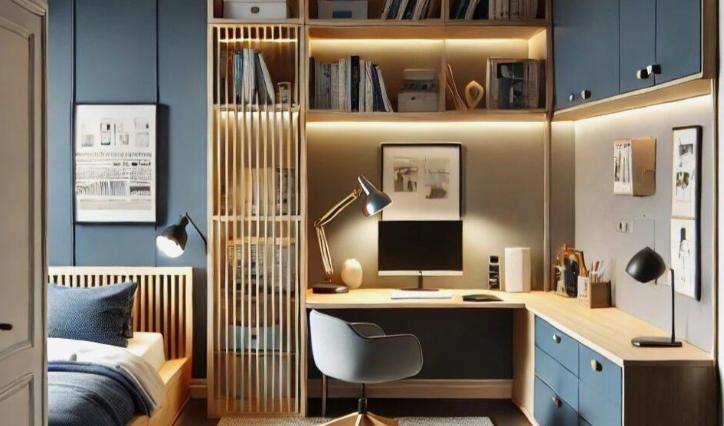
A dedicated study nook makes homework and creative work easier to organize. Even a small corner can accommodate a desk, comfortable chair, task light, and a few shelves.
Choose a desk that provides enough working surface for the teenager’s needs. Keep frequently used supplies accessible while storing less-used items in drawers or boxes.
A study area should also have suitable lighting and an ergonomic setup. The chair and desk height should be appropriate for the user, and the monitor should be positioned comfortably when a computer is used.
15. Scandinavian-Inspired Bedroom
Scandinavian-inspired interiors emphasize simplicity, natural materials, functional furniture, and comfortable textures.
A light wood bed, soft gray bedding, white walls, and a warm rug can create an inviting design. Add black or dark-colored accents for contrast.
This approach is particularly useful when you want a bedroom that feels mature but remains easy to personalize.
16. Industrial Wood and Metal Design
Combine wooden surfaces with black metal accents for an industrial-inspired bedroom. This style can work well with exposed-style lighting, open shelving, and a neutral color palette.
For a more comfortable atmosphere, include soft bedding, curtains, and a rug. The contrast between hard materials and textiles helps create visual balance.
Choose sturdy furniture and avoid sharp or unstable items in areas where they could create a hazard.
17. Reading and Relaxation Corner
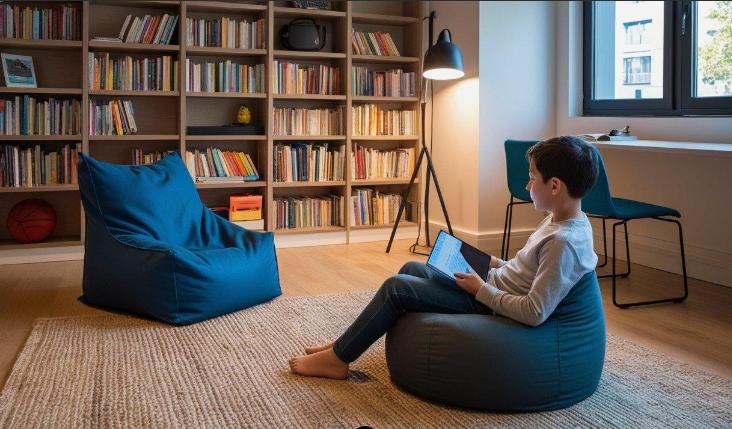
A small relaxation corner can make the bedroom more versatile. Depending on the available space, it could include a beanbag chair, lounge chair, floor cushion, or compact reading seat.
Add a small bookshelf, warm lamp, or side table. Make sure the arrangement leaves sufficient room for movement and does not block doors, windows, or heating equipment.
A dedicated corner can provide a place to read, listen to music, or take a break from schoolwork.
18. Wall-Mounted Desk and Shelves
Wall-mounted furniture can help free up floor space, especially in small bedrooms. A floating desk and matching shelves create a clean appearance while offering useful storage.
Before installing wall-mounted furniture, confirm that the wall structure, anchors, and hardware are suitable for the load. Heavy items should be securely supported.
This design works particularly well for teenagers who need a study area without a large traditional desk.
19. Black, White, and Wood Color Scheme
A black, white, and wood palette offers a modern appearance without relying on many different colors.
Use white or light walls, wooden furniture, and black accents through lighting, handles, artwork, or bedding. If the room is small, use black selectively to avoid making the space feel visually crowded.
This color scheme is easy to update with seasonal bedding or new accessories.
20. Sports and Fitness Corner
For teenagers interested in fitness, a designated storage area can help keep equipment organized.
Depending on the room’s size, you may include a yoga mat, resistance bands, or other appropriate equipment. Avoid placing heavy weights or unstable exercise equipment where they could damage flooring or cause injury.
A bedroom is not always suitable for intensive exercise. Make sure there is enough clear space and that equipment is stored safely.
21. Gallery Wall with Personal Artwork
A gallery wall is a flexible way to personalize the room. It can include framed artwork, photographs, posters, illustrations, or other meaningful items.
To keep the arrangement organized, choose a consistent frame color or create a planned layout before mounting anything.
Gallery wall tips
- Arrange the frames on the floor first.
- Leave consistent spacing between items.
- Use suitable wall anchors.
- Avoid hanging heavy objects above the bed.
- Choose artwork that reflects personal interests.
A gallery wall can be updated without changing the main furniture or paint color.
22. Bedroom with Built-In Wardrobe
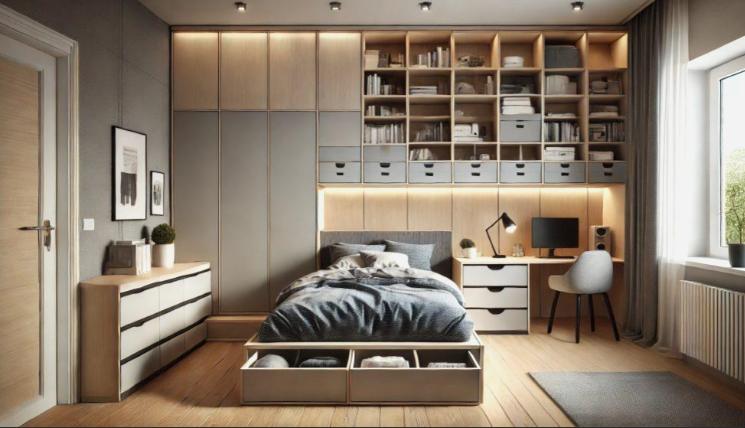
A built-in wardrobe can provide efficient clothing storage and make use of otherwise unused wall space.
Depending on the design, it may include hanging rails, drawers, shelves, and closed compartments. Built-in storage is often more expensive than freestanding furniture, so compare the costs before making a decision.
If you want a flexible, budget-friendly alternative, consider modular wardrobes that can be rearranged or replaced more easily.
23. Warm Lighting and Layered Decor
Lighting affects how a bedroom looks and feels throughout the day. Rather than relying on a single ceiling fixture, combine ambient, task, and accent lighting.
Lighting options
- Ceiling light for general illumination.
- Desk lamp for studying.
- Bedside lamp for reading.
- Adjustable accent lighting for atmosphere.
Choose lighting that supports both daytime activities and evening relaxation. Avoid excessively bright or poorly positioned lights that cause glare.
24. Flexible Bedroom with Modular Furniture
A modular bedroom can adapt as a teenager’s needs change. Instead of investing in a highly themed design, choose furniture and decorations that can be moved or updated.
For example, a simple bed, movable desk, modular shelving, and neutral curtains can provide a foundation for several different styles.
Flexible furniture can be especially useful when the teenager’s room needs to accommodate new hobbies, school requirements, or changing storage needs.
25. Personalized Modern Bedroom
The final idea combines the most useful features from different styles into one personalized space.
Start with a practical layout, then select a color palette and decorations based on the teenager’s interests. Include storage, a comfortable bed, suitable lighting, and enough space for everyday activities.
A personalized room does not have to be expensive. Small improvements such as new bedding, wall art, shelves, or a desk organizer can make a significant difference.
The best design is one that the teenager enjoys using and can adjust over time.
How to Choose the Right Color Scheme for a Teenage Bedroom
Color plays an important role in creating the atmosphere of a bedroom. The best choice depends on the room’s natural light, size, existing furniture, and the teenager’s preferences.
Popular color combinations
| Color palette | Design effect |
|---|---|
| Navy + white | Classic and modern |
| Sage green + wood | Natural and relaxed |
| Charcoal + beige | Warm and contemporary |
| Gray + blue | Calm and versatile |
| White + black + wood | Clean and modern |
| Forest green + cream | Cozy and earthy |
For a smaller bedroom, consider using lighter colors on larger surfaces and adding darker shades through accent walls or accessories. However, a small room can also look attractive with a dark color scheme when lighting and furniture are carefully balanced.
Tip: Choose paint and fabric samples before making final decisions. Colors can appear different depending on daylight, artificial lighting, and surrounding surfaces.
Smart Layout Tips for Teenage Guy Bedrooms
A good layout helps a bedroom feel more comfortable and easier to maintain. Instead of choosing furniture first, consider how the room will be used.
1. Create Functional Zones
Divide the room into practical areas:
- Sleeping zone.
- Study zone.
- Storage zone.
- Hobby or relaxation zone.
Not every room needs all four zones to be physically separated. In a compact bedroom, a single desk may serve both study and gaming purposes.
2. Measure Before Buying Furniture
Measure the length and width of the room, door openings, windows, and available wall space.
Record the dimensions of existing furniture before purchasing replacements. This helps prevent problems with clearance and overcrowding.
3. Keep Walking Paths Clear
Arrange furniture so that doors and main walking paths remain accessible. Avoid placing storage boxes, chairs, or loose cables where they can cause trips.
4. Use Vertical Space
Wall-mounted shelves, tall storage units, and hooks can help organize belongings without occupying too much floor space.
For small bedrooms, vertical storage and multifunctional furniture are frequently recommended as ways to improve space efficiency.
5. Choose Furniture That Can Adapt
Teenagers’ needs change over time. Select furniture that can be used for several years, and use replaceable accessories to update the appearance.
Budget-Friendly Ways to Upgrade a Teenage Bedroom
You don’t need a complete renovation to make a bedroom look better. Start with affordable changes that improve the room’s appearance and function.
Low-cost design improvements
Refresh the bedding: A new duvet cover or pillows can introduce a different color scheme.
Add wall artwork: Posters, photographs, and prints can personalize the space.
Organize the desk: Use trays, organizers, and cable-management accessories.
Install shelves: Floating shelves can create additional storage for books and decorations.
Improve lighting: A suitable desk lamp or bedside light can make the room more functional.
Rearrange furniture: Changing the bed or desk position may improve movement and usable space without requiring new purchases.
Focus on the changes that solve the biggest problems in the room rather than buying decorative items simply because they look attractive online.
Common Mistakes to Avoid
When planning a teenage bedroom, a few design mistakes can reduce comfort and functionality.
1. Choosing Style Over Function
A room may look impressive in a photograph but still be difficult to use. Make sure the layout supports sleeping, studying, storage, and movement.
2. Buying Furniture Without Measuring
Large beds, desks, and wardrobes can overwhelm a small room. Measure everything before purchasing.
3. Using Too Many Colors
Multiple bold colors can make the room feel visually busy. Choose a primary palette and use accents selectively.
4. Ignoring Storage
Without adequate storage, clothes, books, and hobbies can quickly create clutter. Plan where everyday belongings will be kept.
5. Making the Theme Too Permanent
A room designed around a very specific trend may become outdated as interests change. Consider using removable accessories and flexible furniture.
6. Neglecting Lighting
A single ceiling light may not be enough for studying, reading, and relaxing. Layered lighting offers greater flexibility.
Frequently Asked Questions
1. What are the best teenage guy bedroom design ideas?
The best design depends on the teenager’s interests, room size, and practical needs. Popular options include modern minimalist bedrooms, gaming setups, sports-themed rooms, industrial styles, and nature-inspired designs.
Prioritize comfort, storage, personal preferences, and a layout that supports daily activities.
2. How can I design a small bedroom for a teenage guy?
Use furniture that fits the room, vertical storage, and multifunctional pieces. Consider a bed with drawers, floating shelves, or a compact desk.
Keep the main walking path open and avoid purchasing furniture before measuring the available space.
3. What colors work well in a teenage boy’s bedroom?
Navy, gray, sage green, beige, white, charcoal, and natural wood are versatile choices. The best combination depends on the desired atmosphere and the amount of natural light.
4. How do I make a teenage bedroom look modern?
Choose simple furniture, a coordinated color palette, appropriate lighting, and a few personalized decorations. Avoid overcrowding the room with too many accessories.
5. What furniture should a teenage bedroom have?
Common essentials include a comfortable bed, clothing storage, suitable lighting, and a desk or workspace if needed. Additional furniture depends on the room’s size and the teenager’s activities.
6. How can I create a gaming setup in a bedroom?
Use a desk that fits the available space, an appropriately sized monitor, organized cables, and comfortable seating. Make sure the gaming setup does not interfere with studying, sleeping, or safe movement.
7. How do I decorate a teenage guy’s bedroom on a budget?
Start with affordable changes such as bedding, wall art, storage organizers, and lighting. Rearranging furniture and decluttering can also improve the room without a large investment.
8. Should a teenage bedroom have a theme?
A theme is optional. Some teenagers enjoy sports, gaming, music, or industrial-inspired styles, while others prefer a neutral room. Choose a design that reflects personal preferences and can be updated over time.
9. How do I keep a teenage bedroom organized?
Provide storage that is easy to use, such as drawers, shelves, baskets, and hooks. Assign a specific place for frequently used items and review clutter regularly.
10. What should I prioritize when designing a teenage bedroom?
Start with comfort, room layout, storage, lighting, and the teenager’s preferences. Decorative details should support the room’s function rather than make it difficult to use.
Conclusion
Designing a teenage bedroom is an opportunity to create a space that combines comfort, personality, and functionality. From modern minimalist interiors and gaming setups to sports-themed rooms and cozy study corners, there are countless ways to make a bedroom feel personal and practical.
The most successful teenage guy bedroom design ideas balance the teenager’s interests with the room’s available space, storage requirements, and everyday activities. You don’t need an expensive renovation to achieve a stylish result. A thoughtful furniture arrangement, coordinated colors, suitable lighting, and a few personalized details can make a noticeable difference.
Before starting your project, measure the room, decide which activities need dedicated space, and choose furniture that can adapt as the teenager grows. With careful planning, even a small bedroom can become a comfortable and functional place to sleep, study, relax, and express individuality.