
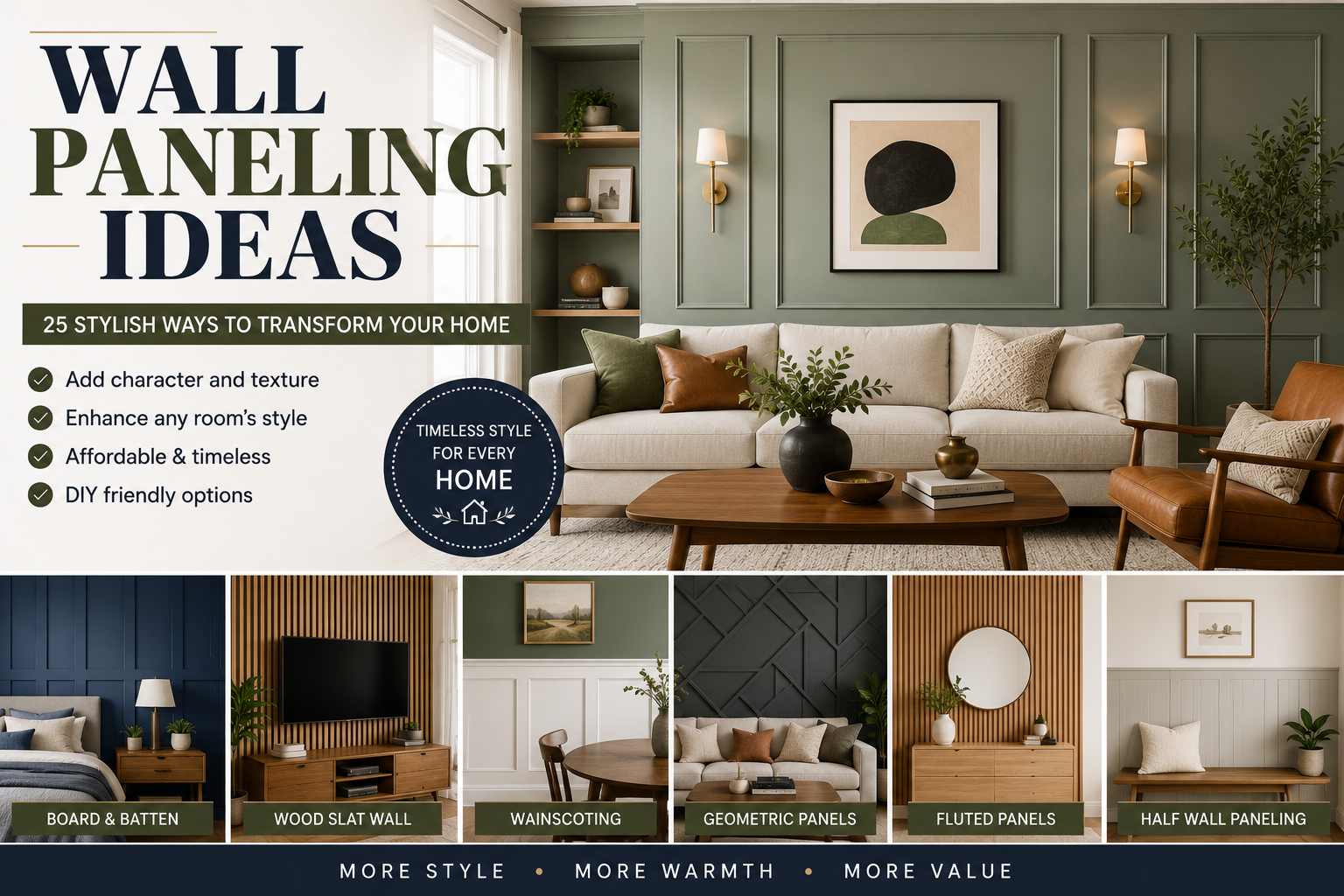
If you are looking for ways to make your home feel more stylish, architectural, and sophisticated, exploring different wall paneling ideas can provide plenty of inspiration. Wall paneling adds immediate character, tactile texture, structural warmth, and visual interest to almost any room in your house. From classic raised panels and sleek modern slats to rich wood accents and accessible DIY board-and-batten treatments, there are design options tailored for every decorating style and budget.
Wall paneling has surged in popularity because it dramatically updates the appearance of a space without requiring a full structural renovation. Whether you want to create a cozy bedroom feature wall, elevate an entry hallway, or give your dining room a polished, high-end finish, the right paneling technique makes a striking difference.
What Is Wall Paneling?
Interior wall paneling refers to decorative or protective materials applied directly to interior walls. Modern paneling can be crafted from natural wood, medium-density fiberboard (MDF), plywood, PVC, or composite materials designed to mimic traditional millwork.
While historical paneling was used primarily for thermal insulation and wall protection, today’s homeowners embrace wall paneling ideas to enhance a room’s aesthetic appeal, frame focal points, and introduce subtle or dramatic shadows.
Common Types of Wall Paneling
- Board and Batten: Wide boards paired with narrow vertical strips (battens) to create a structured grid.
- Wainscoting: Protective lower-wall paneling, traditionally finished with a decorative cap rail.
- Fluted & Slatted Panels: Modern, repeating vertical grooves or wooden slats that add height and rhythm.
- Shaker-Style Panels: Recessed rectangular paneling offering clean, geometric lines.
- Geometric & Accent Molding: Creative trim arrangements shaping diamonds, angles, or abstract grids.
- Reclaimed Wood: Authentic, textured wood planks bringing historic warmth and rustic character.
25 Wall Paneling Ideas for Every Room
1. Classic Board and Batten
Board and batten is one of the most versatile wall paneling ideas for homeowners seeking a timeless look. This style features vertical wood strips attached over wider panels or directly onto drywall, capped with a top ledge.
- Farmhouse Look: Paint the paneling in soft, warm whites or off-whites.
- Contemporary Look: Choose deep charcoal, forest green, or moody navy tones.
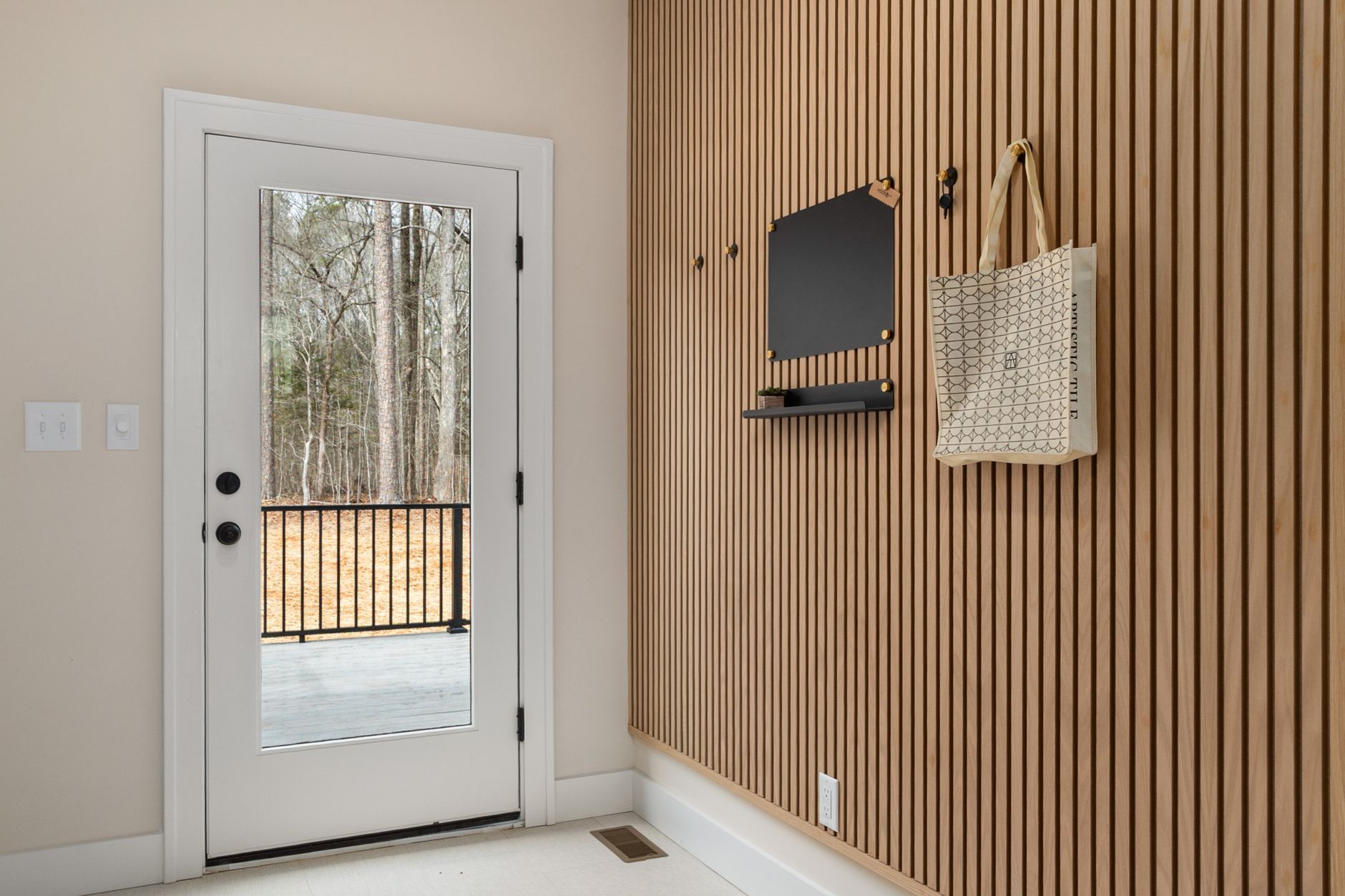
2. Modern Vertical Slat Walls
Incorporating vertical wood slats creates an instant contemporary feature wall. The repeating vertical lines draw the eye upward, making ceilings appear significantly taller. Use light oak, walnut, or black-stained pine behind televisions, bed headboards, or sofa arrangements for a sleek, modern finish.
3. Elegant Wainscoting
Wainscoting typically covers the lower third or half of an interior wall, protecting high-traffic areas while introducing architectural charm. Traditional white wainscoting paired with painted walls—such as sage green, dusty blue, or warm beige—offers a sophisticated, tailored appearance perfect for stairways, dining rooms, and entry hallways.
4. Bedroom Feature Walls
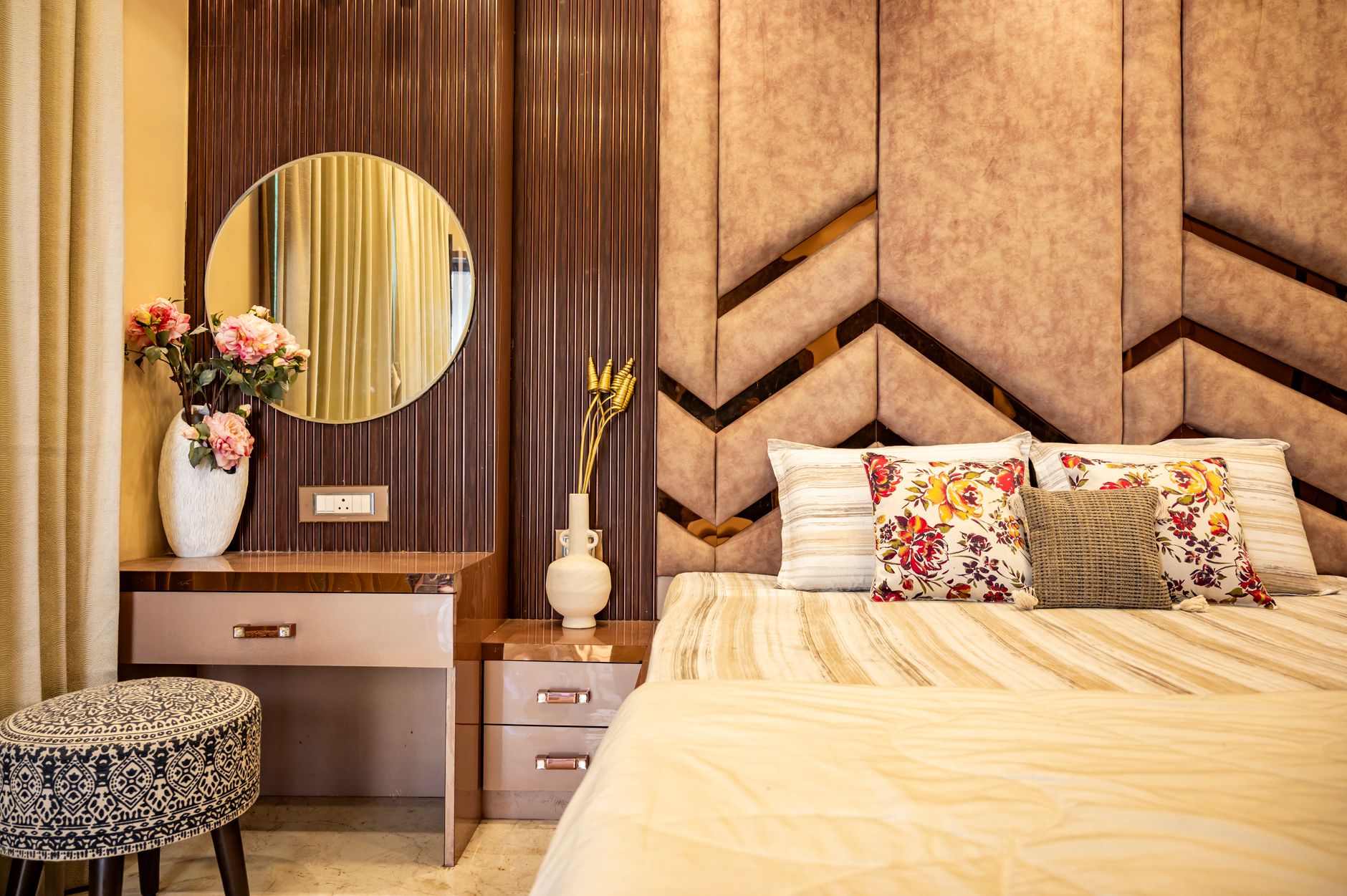
The wall behind your bed is a prime candidate for full-height decorative paneling. Extending panels floor-to-ceiling behind your mattress creates a built-in headboard effect. For a soothing, restful bedroom environment, consider painting your feature wall in muted hues like taupe, charcoal, sage, or soft navy.
5. Geometric Accent Panels
If you want to introduce an artistic, custom feel, geometric wall paneling uses thin molding strips arranged in squares, diamonds, or abstract angles. Because geometric designs make a bold statement, keep the surrounding furniture and decor simple to let the wall remain the primary focal point.
6. Fluted Wall Paneling
Fluted paneling features rounded, repeating vertical grooves that play softly with light and shadow. Highly favored in modern interior design, fluted surfaces add refined tactile texture to media walls, kitchen islands, and bathroom vanities.
7. Natural Wood Paneling in the Living Room
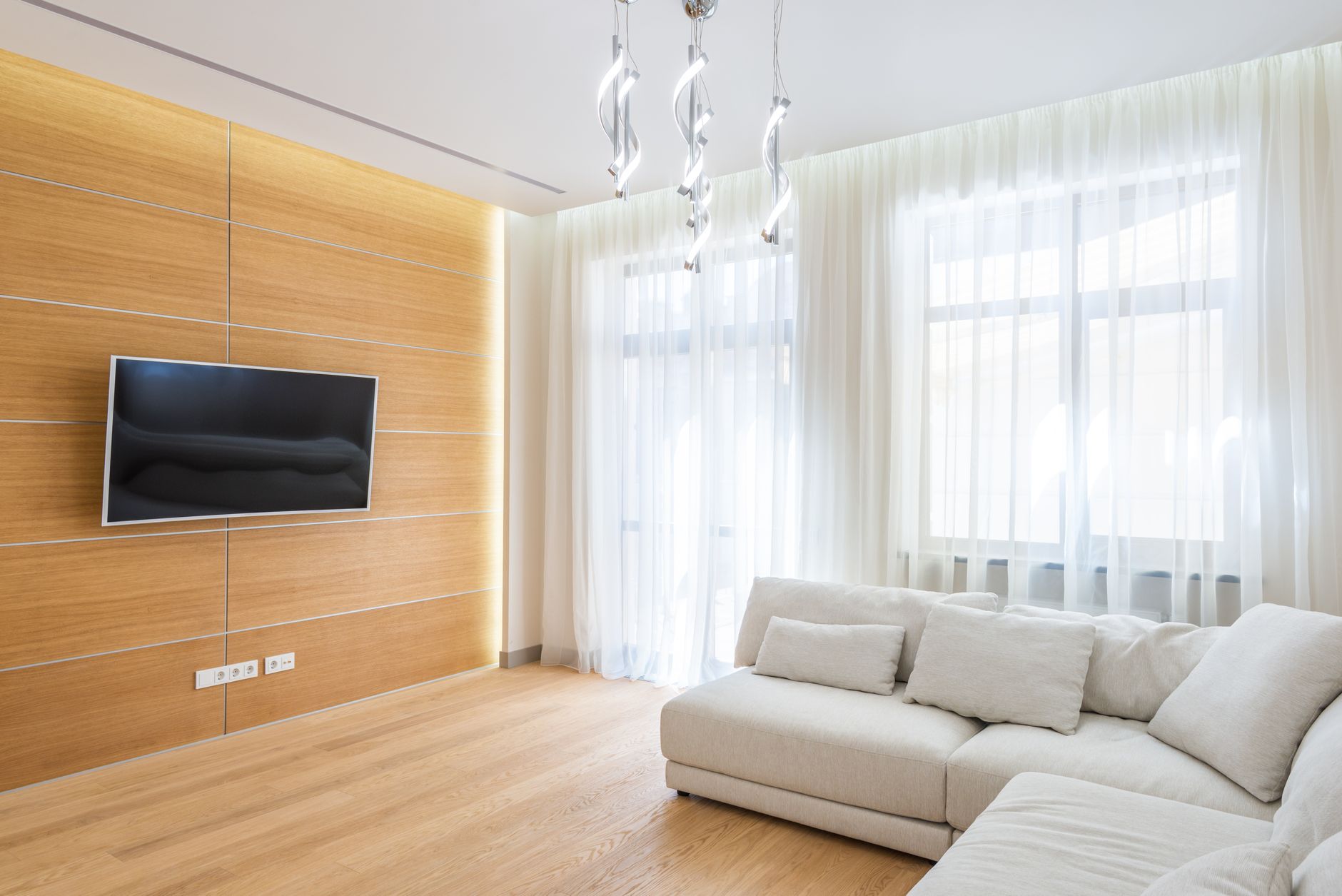
Integrating natural wood panels into a living room introduces cozy warmth and organic texture. Focus on installing wood paneling on a single focal wall—such as behind a sofa or fireplace—to avoid overwhelming the room. Popular choices include:
- Light Oak: Keeps the room feeling airy, modern, and Scandinavian-inspired.
- Walnut: Delivers rich, deep brown tones for a mid-century or luxury modern aesthetic.
- Reclaimed Timber: Adds rustic character, varied wood grain, and historical charm.
8. Bold Color-Drenched Paneling
Paneling does not need to stay natural wood or white. Painting both the trim molding and the surrounding wall in a single, saturated color creates a rich “color-drenching” effect. Deep terracotta, moody burgundy, dark teal, and forest green work exceptionally well in cozy dens, libraries, or dining rooms.
9. Dining Room Accent Walls
Dining rooms benefit immensely from structured wall treatments. Installing raised panels or wainscoting creates an elegant background for dinner parties. Complement your paneled wall with a statement chandelier hanging directly above the dining table to highlight the wall’s texture.
10. Functional Entryway Paneling
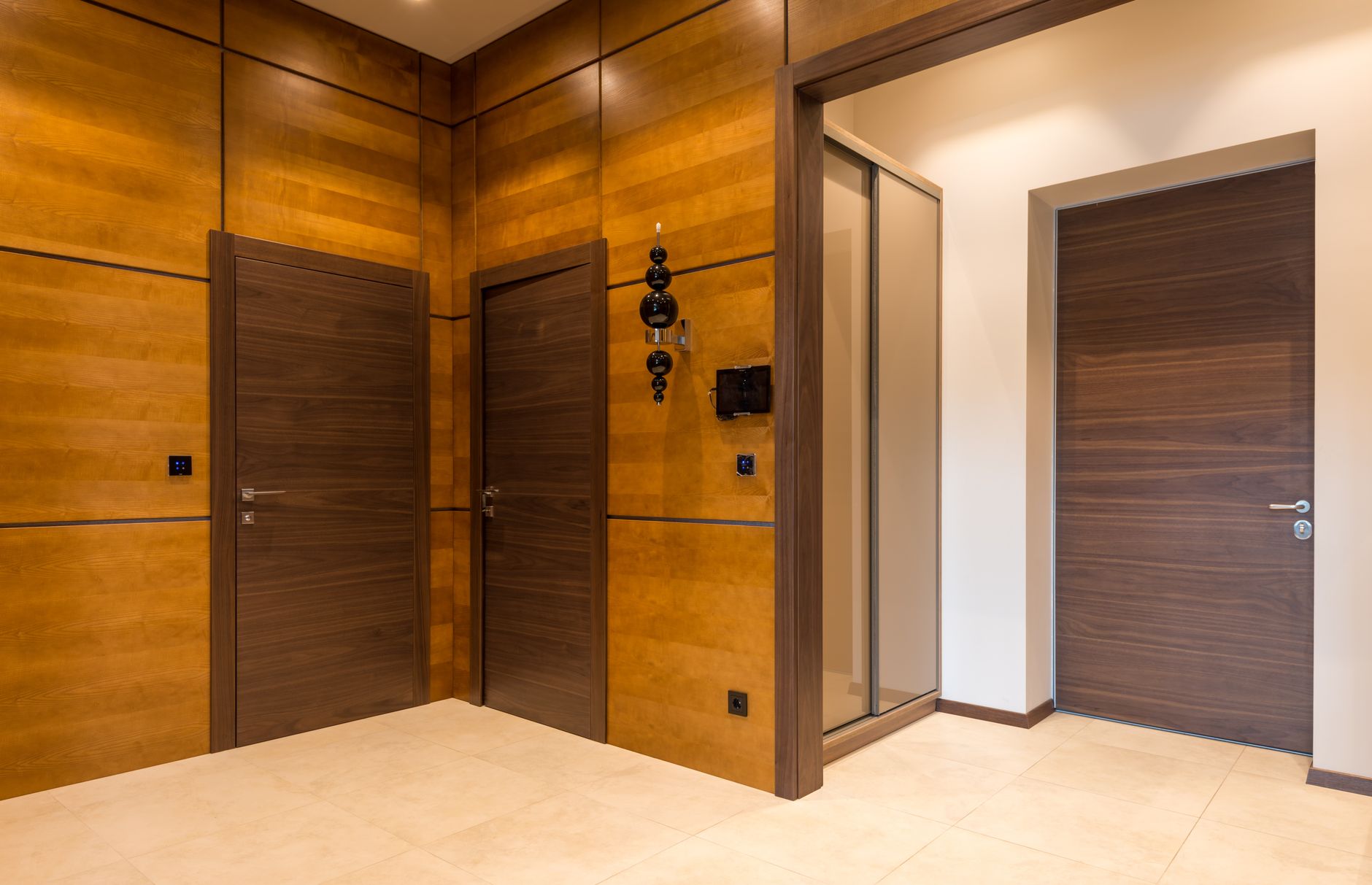
Entryways set the design tone for the rest of your home. Installing half-wall board and batten or beadboard gives your foyer an intentional, custom feel. Integrate coat hooks, a narrow console table, and a wall mirror directly onto or above the paneling for combined style and practicality.
11. Proportional Half-Wall Paneling
You don’t always need full-height paneling to transform a space. Half-wall paneling adds architectural structure while leaving the upper wall clear for art, sconces, or contrasting paint colors. This approach is especially effective in smaller rooms or long corridors.
12. Media & TV Feature Walls
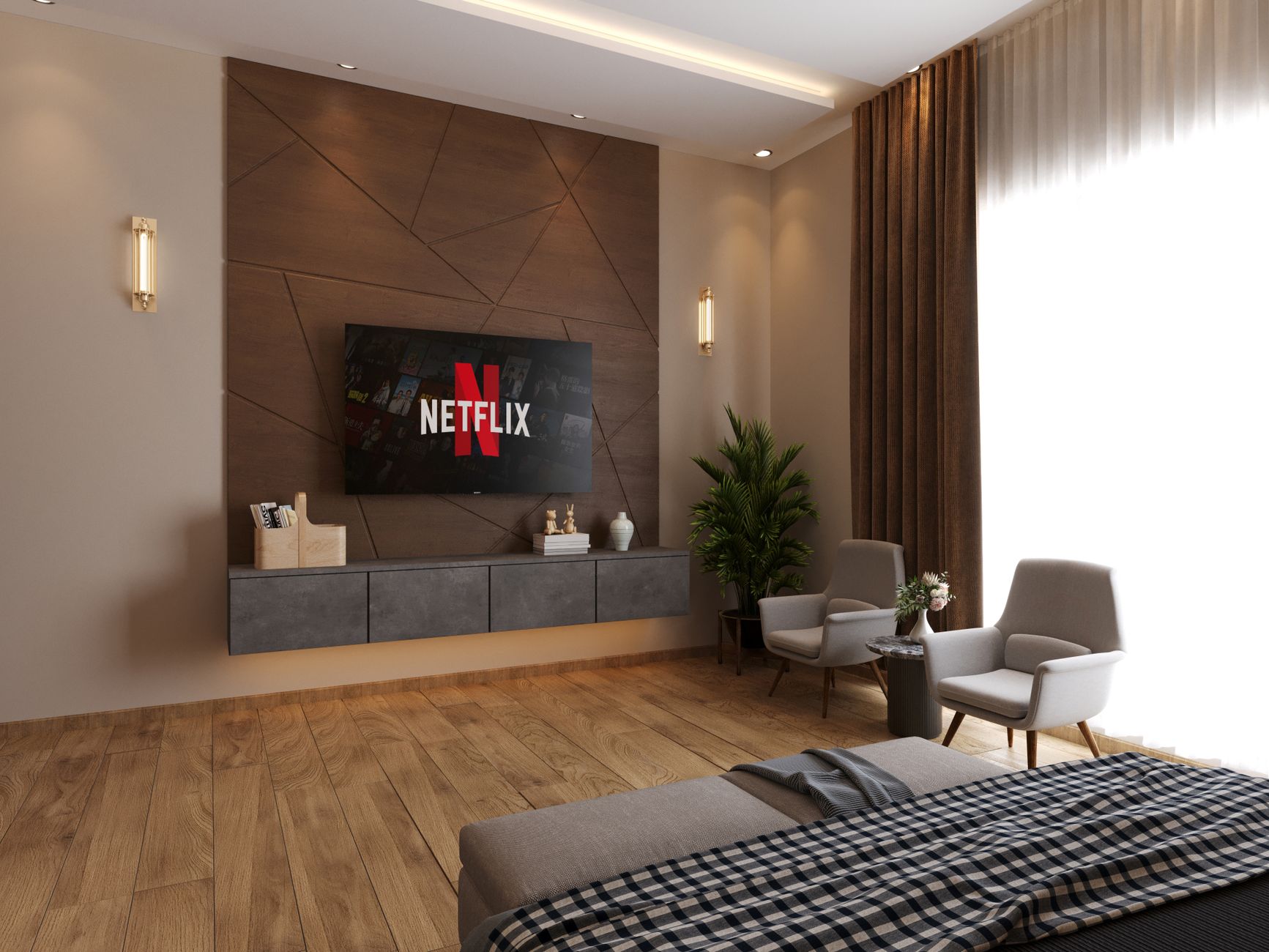
Instead of mounting a television onto a blank wall, build a dedicated media wall using vertical wood slats, fluted panels, or subtle picture-frame molding. To maintain a clean, high-end appearance, route cables behind the paneling and pair the wall with a sleek floating media console.
13. Elevated Home Office Walls
A paneled wall behind your desk adds depth and professionalism to video calls while making your workspace feel complete. Muted, focused tones like warm gray, forest green, navy, or slate charcoal promote focus while elevating the room’s design.
14. Staircase & Hallway Paneling
Staircases and long hallways often feature sprawling, empty walls that are tricky to decorate with artwork alone. Installing continuous wainscoting or board-and-batten paneling that follows the incline of the stairs adds structure and visually connects different levels of the home.
15. Spa-Inspired Bathroom Paneling
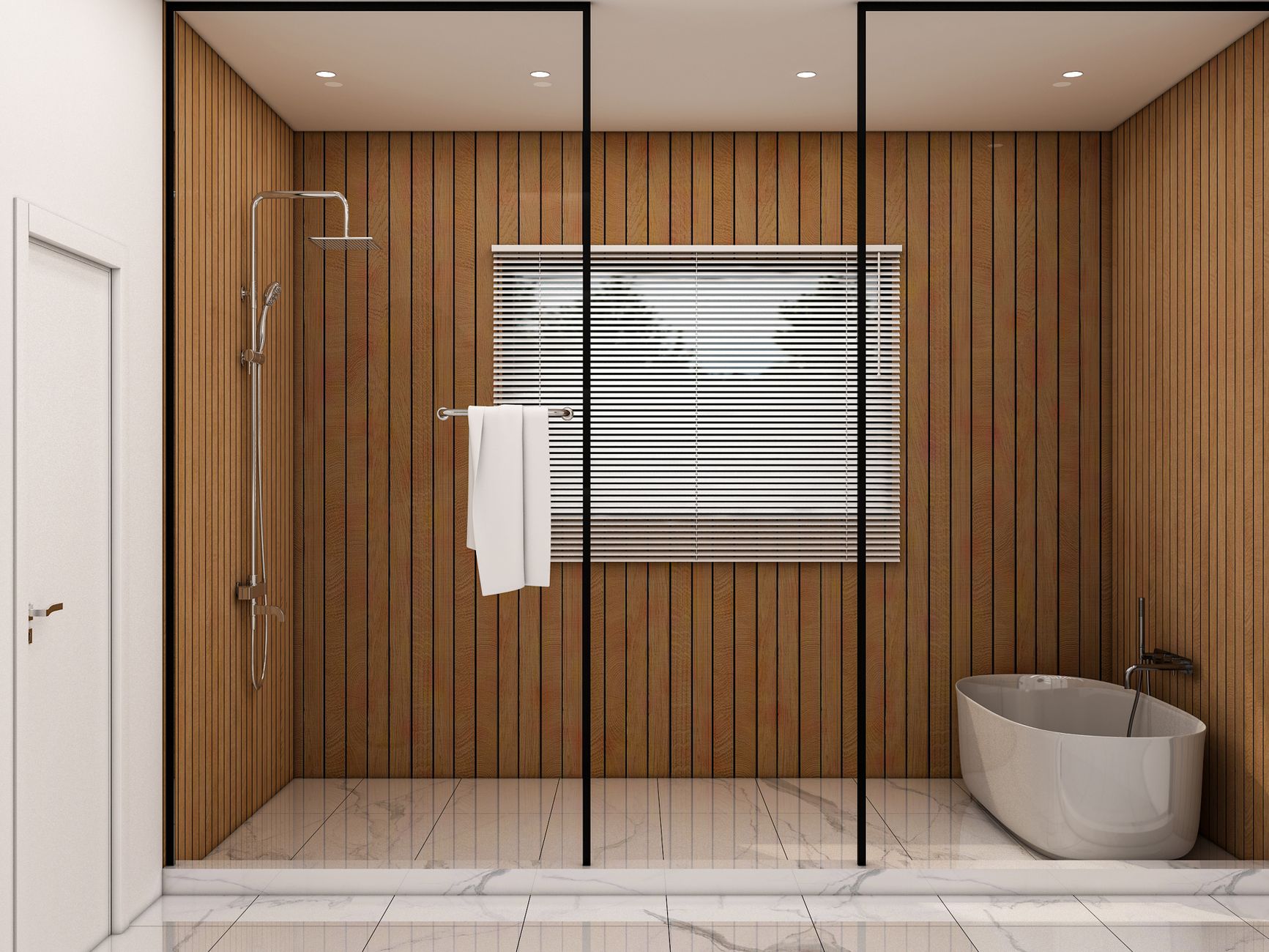
Add a luxurious, hotel-like feel to your bathroom by installing moisture-resistant paneling behind a vanity or freestanding bathtub.
Important: In humid or wet areas, always opt for water-resistant materials like sealed PVC, treated composite, or specialized moisture-resistant MDF rather than untreated raw wood.
16. Picture-Frame Moldings in Narrow Hallways
Long, narrow hallways can feel plain and boxy. Installing classic rectangular picture-frame molding adds subtle depth without taking up any physical floor space. Painting the trim and walls in a crisp, light-reflecting white helps maintain a bright, open feel.
17. Floor-to-Ceiling Architectural Statements
Extending paneling uninterrupted from the baseboard to the ceiling creates a dramatic architectural statement. Vertical lines draw the eye toward the ceiling, emphasizing room height and making lower ceilings feel taller.
18. Paneling Combined With Wallpaper
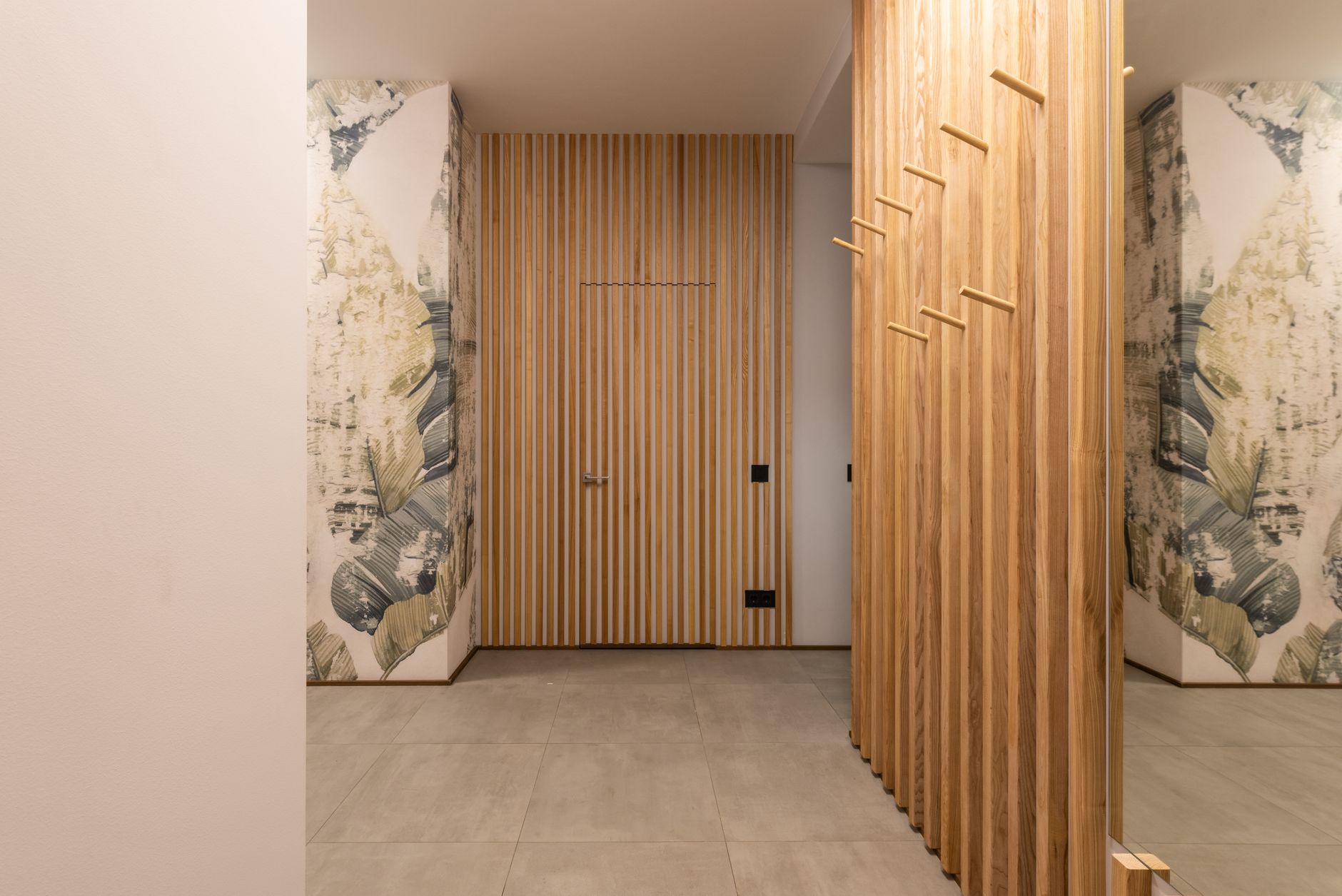
You don’t have to choose between wall paneling and wallpaper—combining both creates a sophisticated, layered look. Install wainscoting or beadboard along the bottom half of the wall, and apply a patterned botanical, geometric, or textured wallpaper on the top half.
19. Minimalist Monochromatic Panels
For Scandinavian or minimalist interiors, choose simple, clean-lined panels painted in soft, muted neutrals like ivory, alabaster, taupe, or light greige. Monochromatic paneling introduces soft shadows without cluttering the visual field.
20. Authentic Reclaimed Wood
Using reclaimed barn wood or weathered planks brings instant history, tactile variation, and rustic warmth to a home. Reclaimed wood works exceptionally well on accent walls in living rooms, rustic bedrooms, or mountain-inspired cabins.
21. Vertical Layouts for Low Ceilings
If your home has standard or low ceilings, vertical paneling techniques—such as vertical slats, tongue-and-groove, or narrow board-and-batten—visually stretch the space vertically, making the ceiling feel significantly higher than it is.
22. Charming Nursery & Kids’ Bedroom Paneling
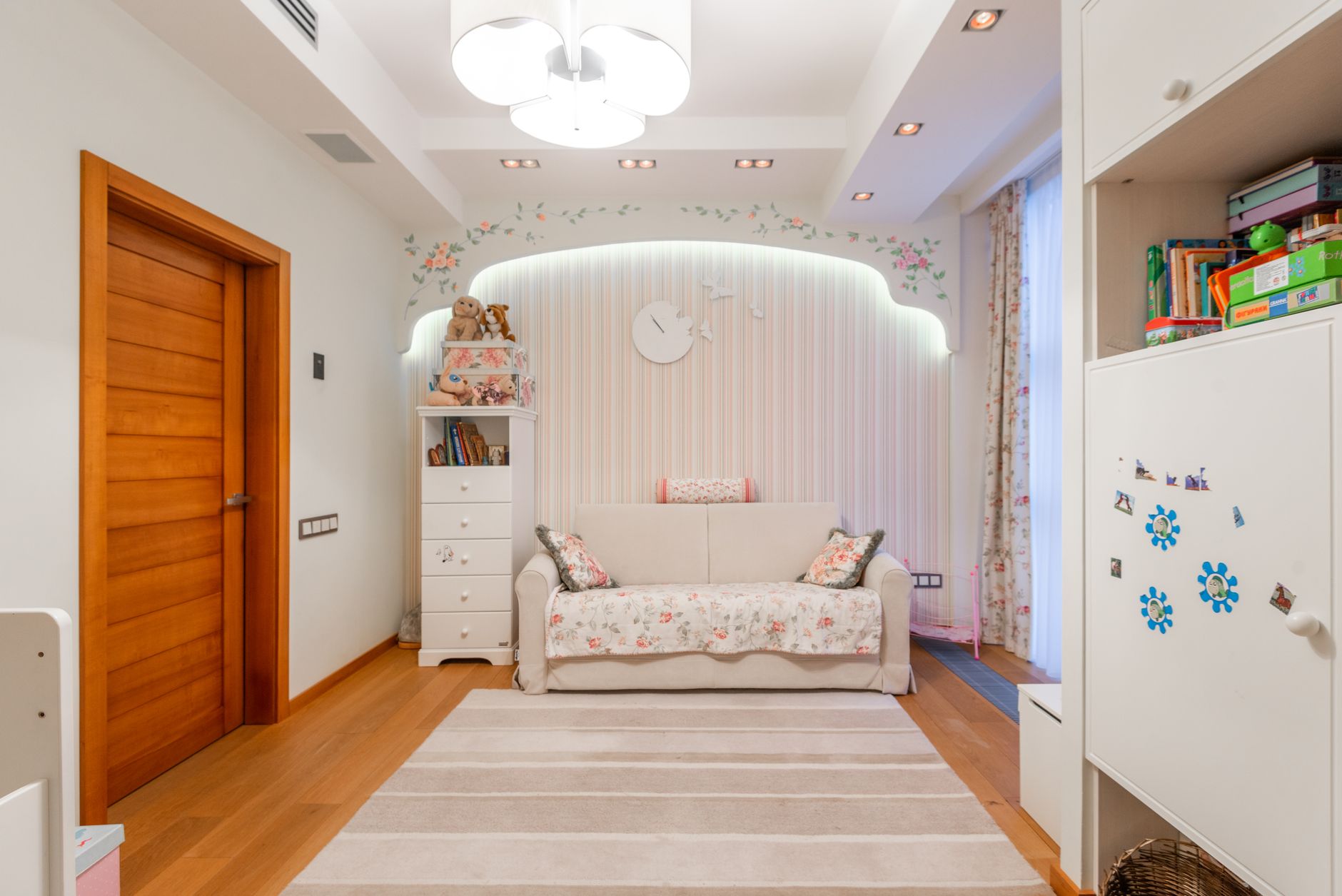
Board-and-batten or half-wall beadboard adds sweet architectural charm to nurseries and children’s rooms. Furthermore, paneled lower walls provide a durable surface that is easier to clean and touch up than plain painted drywall.
23. Fireplace Surround Paneling
The fireplace is the natural focal point of a living room. Framing a fireplace with floor-to-ceiling vertical slats, fluted panels, or classical picture-frame molding emphasizes the hearth and makes the room feel custom-designed. Always observe local fire safety codes and clearance distances from heat sources.
24. Moody Dark Paneling
Dark paneled walls—in shades like charcoal, rich espresso, deep navy, or jet black—create an intimate, dramatic atmosphere. Balance dark walls with light-colored upholstery, warm wood furniture, metallic accents, and layered ambient lighting to keep the room feeling cozy rather than dark.
25. Beginner-Friendly DIY Accent Walls
Many creative wall paneling ideas can be accomplished as weekend DIY projects. Using pre-cut MDF strips, construction adhesive, a brad nailer, wood filler, and paint, you can construct a custom grid wall or board-and-batten feature on a modest budget.
┌────────────────────────────────────────────────────────┐
│                   DIY PANELING STEPS                   │
├───┬────────────────────────────────────────────────────┤
│ 1 │ Measure wall dimensions and sketch layout grid.    │
│ 2 │ Mark wall studs and level guidelines.              │
│ 3 │ Cut MDF or wood strips to size.                    │
│ 4 │ Secure strips using adhesive and brad nails.       │
│ 5 │ Fill nail holes, caulk seams, sand smooth, & paint.│
└───┴────────────────────────────────────────────────────┘
How to Choose the Right Wall Paneling for Your Home
| Selection Criteria | Design Recommendation |
| Interior Architectural Style | Choose wainscoting or raised panels for traditional homes; choose fluted, slatted, or flat grid panels for modern homes. |
| Room Size & Scale | Use simple vertical panels in compact spaces; save complex, large-scale geometric designs for spacious rooms. |
| Moisture Exposure | Use moisture-resistant MDF or PVC in bathrooms and laundries; use solid wood or standard MDF in dry living areas. |
| Project Budget | Select DIY MDF trim strips for budget-friendly updates; choose custom solid oak or walnut for high-end luxury installs. |
Common Wall Paneling Mistakes to Avoid
- Incorrect Measuring and Spacing: Failing to double-check grid spacing leads to asymmetrical panels. Always plan your layout on paper before making cuts.
- Ignoring Wall Preparation: Installing trim over bowed, damaged, or unprimed walls creates noticeable gaps along seams.
- Skipping Caulking and Hole Filling: Unsealed nail holes and uncaulked seams ruin the smooth, professional look of painted paneling.
- Overwhelming a Small Room: Installing heavy, dark, or intricate paneling on all four walls can make a small room feel claustrophobic. Limit bold styles to a single feature wall.
Frequently Asked Questions
Is wall paneling still in style?
Yes. Wall paneling remains a timeless interior design element. Modern trends favor subtle textures, clean vertical lines, fluted details, and color-drenched trim that adapt seamlessly to contemporary and traditional homes alike.
What is the most popular type of wall paneling?
Board and batten, wainscoting, fluted panels, and vertical wood slats are currently among the most popular wall paneling styles due to their versatility and clean aesthetics.
Is wall paneling expensive to install?
Costs vary widely depending on materials and labor. Simple DIY projects using MDF trim strips can cost under $150 for a wall, whereas custom solid hardwood paneling installed by a professional carpenter can cost significantly more.
Can I install wall paneling myself?
Yes. Many board-and-batten, grid-wall, and picture-frame molding projects are accessible for beginner to intermediate DIYers equipped with basic measuring tools, a saw, adhesive, and a nail gun.
Does wall paneling make a room look smaller?
Not necessarily. While dark or overly complex paneling on every wall can close in a space, clean vertical paneling, light paint colors, and half-wall wainscoting actually make rooms look taller, brighter, and larger.
What colors work best for wall paneling?
Popular choices include warm whites, soft creams, sage green, dusty blue, dark navy, charcoal gray, and natural wood tones. The best color depends on your room’s natural lighting and overall decor palette.
Can wall paneling be used in a bathroom?
Yes, provided you select water-resistant materials such as PVC, composite beadboard, or sealed moisture-resistant MDF, and follow proper installation and sealing guidelines.
How do you clean and maintain paneled walls?
Regular dusting with a microfiber cloth or soft vacuum brush attachment is usually sufficient. For painted or sealed panels, wipe down surfaces occasionally with a mild soap solution and a damp cloth.
Can wall paneling hide damaged drywall?
While paneling can cover minor cosmetic imperfections like small scratches or hairline cracks, it should never be used to cover up serious structural damage, active moisture leaks, or mold issues. Address underlying wall problems first.
Does adding wall paneling increase home value?
High-quality, tastefully installed wall paneling enhances a home’s visual appeal, character, and perceived quality, which can make your property far more attractive to prospective buyers.
Conclusion
These wall paneling ideas show how a relatively simple design treatment can completely change the character of a room. Whether you prefer classic wainscoting, modern wood slats, elegant board and batten, dramatic dark panels, or a simple DIY molding project, there is an option for almost every home.
The key is choosing a paneling style that works with your room’s proportions, architecture, lighting, and existing furniture. You do not need to cover every wall to create an impressive result. Often, a single feature wall or carefully designed half-wall can provide all the visual interest you need.
Before starting your project, measure carefully, choose appropriate materials, plan your pattern, and think about how the finished wall will interact with the rest of your decor. With thoughtful planning and attention to detail, wall paneling can add warmth, texture, sophistication, and timeless character to your home.
2 thoughts on “Wall Paneling Ideas: 25 Stylish Ways to Transform Your Home”