
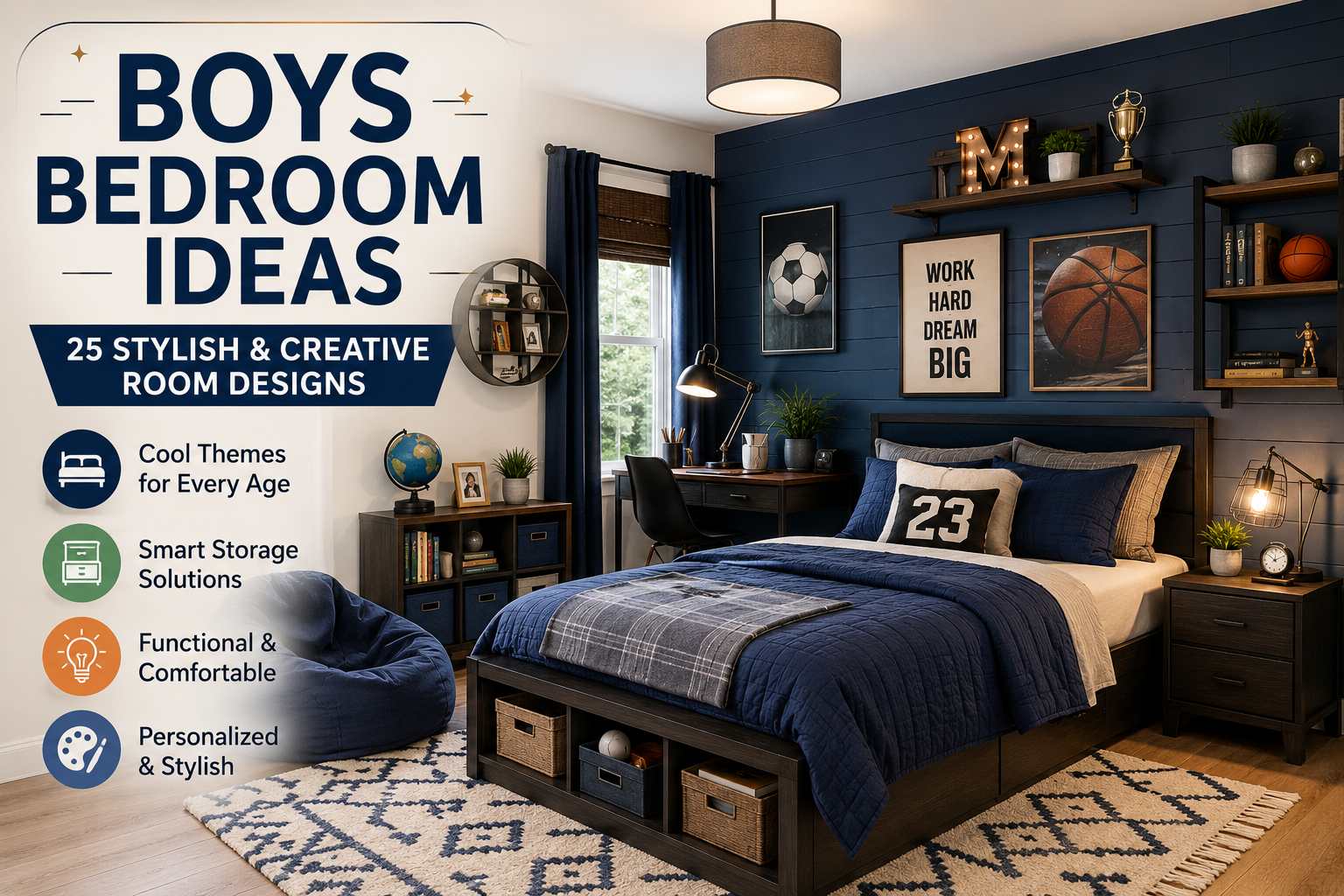
Finding the right boys bedroom ideas can turn a room into a cozy, useful, and lively space that shows a child’s personality. Whether you are decorating a room for a toddler, designing a space for a school-age child, or making a bedroom for a teen, the best design mixes comfort, order, personality, and room to grow. With furniture, colors, storage, and simple decorations, you can make a bedroom that your child will love for many years.
A child’s bedroom is not just a place to sleep. It can also be a playroom, a study area, a reading corner, a studio, a gaming space, and a personal retreat at the same time. This makes planning very important when the room is small or has to serve several purposes.
Luckily, you do not need a big budget or a professional designer to make a great bedroom. Simple changes like bedding, wall art, shelves, lighting, and storage can make a big difference.
1. Start With Your Child’s Personality
The best bedroom design starts with the person who will actually use the room. Before picking paint colors or furniture, think about the child’s interests. These boys’ bedroom ideas help you choose a theme that stays fresh as the child grows.
2. Create a Cool Sports-Themed Bedroom
Sports are a popular source of inspiration for children’s rooms. Football, basketball, baseball, soccer, and hockey can all give design ideas. These boys bedroom ideas show how a sports theme can be fun.
3. Try a Modern Blue Bedroom
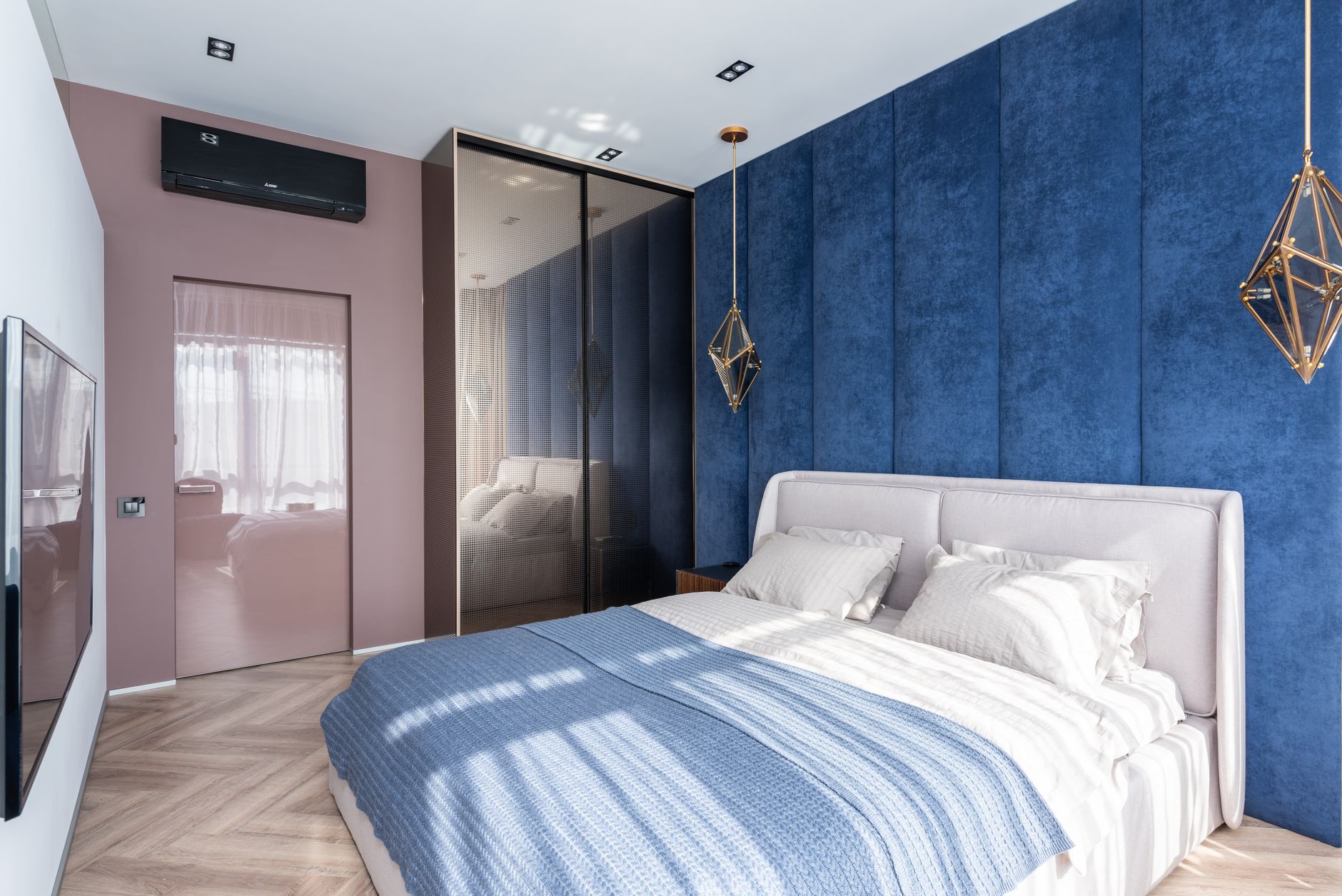
Blue is one of the most flexible colors for children’s bedrooms. It can create a calm environment and works well with many design styles. These boys bedroom ideas show how blue can be used in a room.
4. Add a Fun Accent Wall
An accent wall is one of the easiest ways to make a bedroom look more interesting. These boys bedroom ideas show how to choose a wall that draws the eye without making the space feel crowded.
5. Build a Space-Themed Bedroom
For children who love planets and space, a cosmic bedroom can be both educational and exciting to look at. These boys bedroom ideas help you create a stellar space theme.
6. Choose a Neutral Foundation
One of the smartest boys bedroom ideas is to start with neutral furniture and finishes. White, beige, gray, natural wood, and soft green can give a clean base. You can then add personality with artwork, bedding, rugs, curtains, and accessories. This saves money because you do not need to replace furniture often. A neutral base also makes it easier to update the room as the child grows.
7. Design a Dedicated Study Area
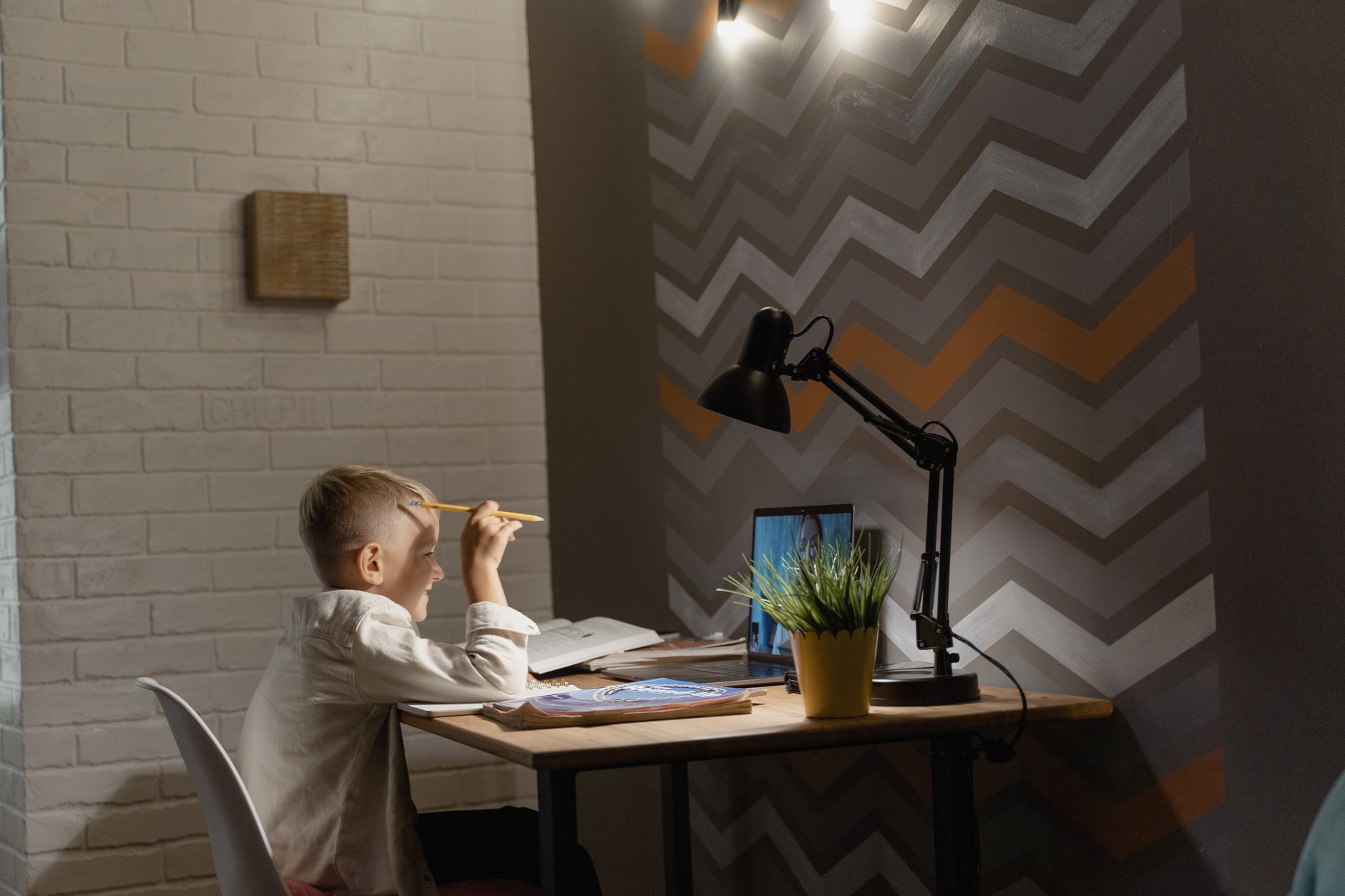
As children grow, a comfortable place to do homework becomes very important. A small desk near a window can give good light during the day. Add a chair, a task lamp, shelves, and organizers for school supplies. If the bedroom is small, consider a wall-mounted desk or a compact writing table. Keep the study area separate from the sleeping space when possible to show a clear purpose for each zone. These boys bedroom ideas help you set up an effective study space.
8. Maximize Storage Under the Bed
Storage can quickly become a problem in children’s bedrooms. The space under the bed is a great place to keep clothes, toys, shoes, sports gear, extra bedding, or seasonal items. Choose beds with built-in drawers or use labeled containers that slide underneath. Keeping frequently used items near the child encourages them to put things away on their own. These boys bedroom ideas guide effective storage use.
9. Add Open Shelving
Open shelves display books, framed pictures, models, trophies, and favorite collections. They keep items off the floor while adding personality to the walls. Floating shelves work well above a desk, dresser, or bed. Use sturdy brackets and mount shelves securely to keep them safe.
10. Make Reading a Priority
A reading corner can encourage a love for books while adding a calm spot to the bedroom. Create a simple reading space with a floor cushion, a bean bag, or a small armchair. Add wall-mounted book ledges so book covers face forward and are easy to reach. Soft lighting or a small reading lamp makes the space comfortable for evening reading.
11. Use Bunk Beds for Shared Rooms
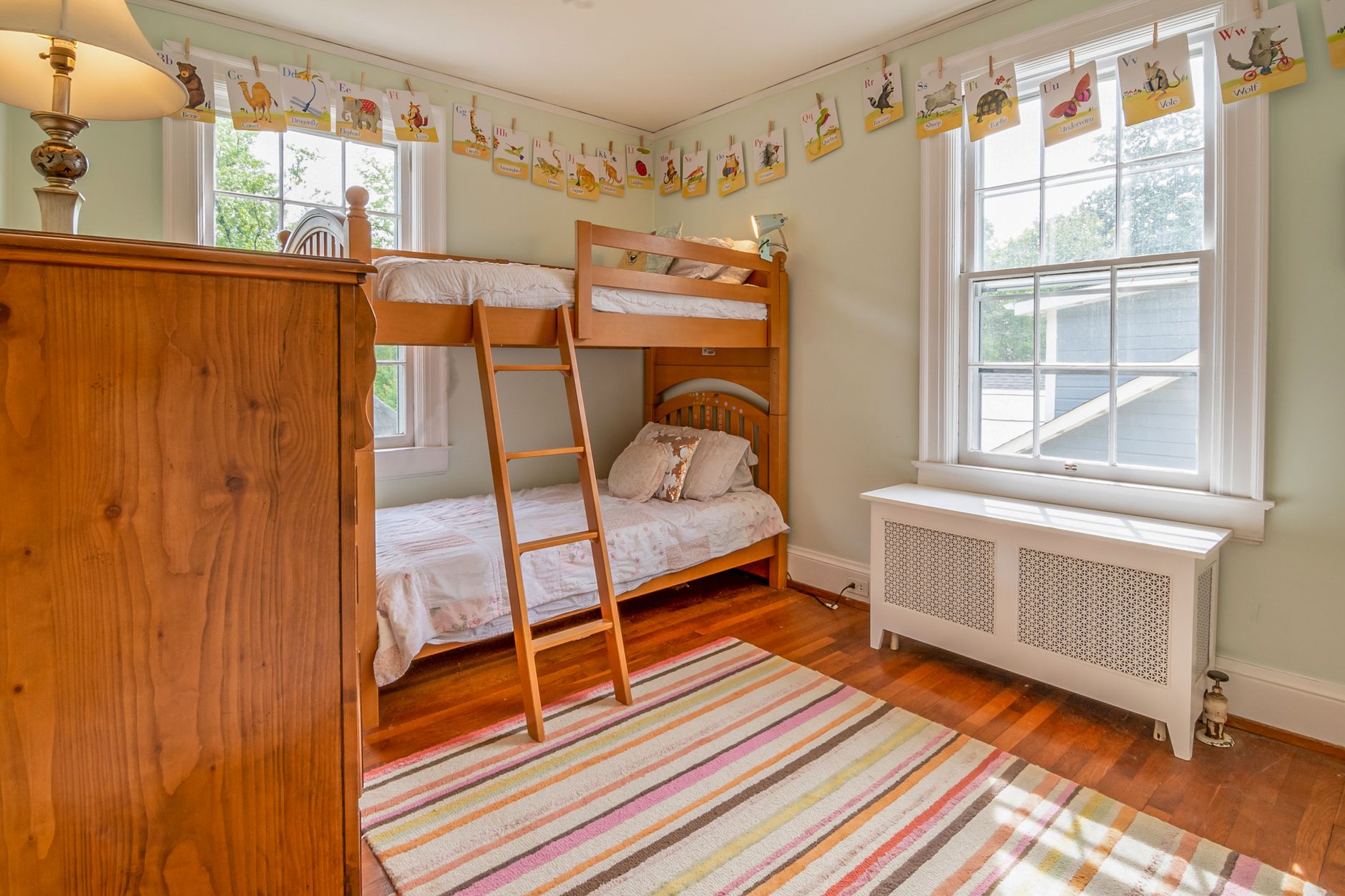
Bunk beds are useful when siblings share a bedroom or when a child hosts sleepovers. Modern bunk bed designs often include storage drawers, built-in shelves, or desk extensions. Choose sturdy frames and make sure guardrails meet safety standards.
12. Create a Loft Bed With a Desk
A loft bed can be a practical choice for a smaller room. Elevating the mattress creates space beneath for a desk, a reading chair, or extra storage. This layout doubles usable floor space in compact rooms.
13. Introduce a Nature-Inspired Theme
Nature themes can bring a calm feeling to a bedroom. Consider earth tones like sage green, forest green, warm brown, and soft gray. Combine these colors with natural wood elements, botanical prints, woven baskets, and simple bedding.
14. Create a Gaming Zone for Teens
Teenagers may want their bedroom to double as a gaming space. Set up a functional gaming area with a desk, an adjustable chair, monitor stands, and cable organizers. LED strip lighting behind the desk or tv screen can add mood lighting.
15. Use Wall-Mounted Storage
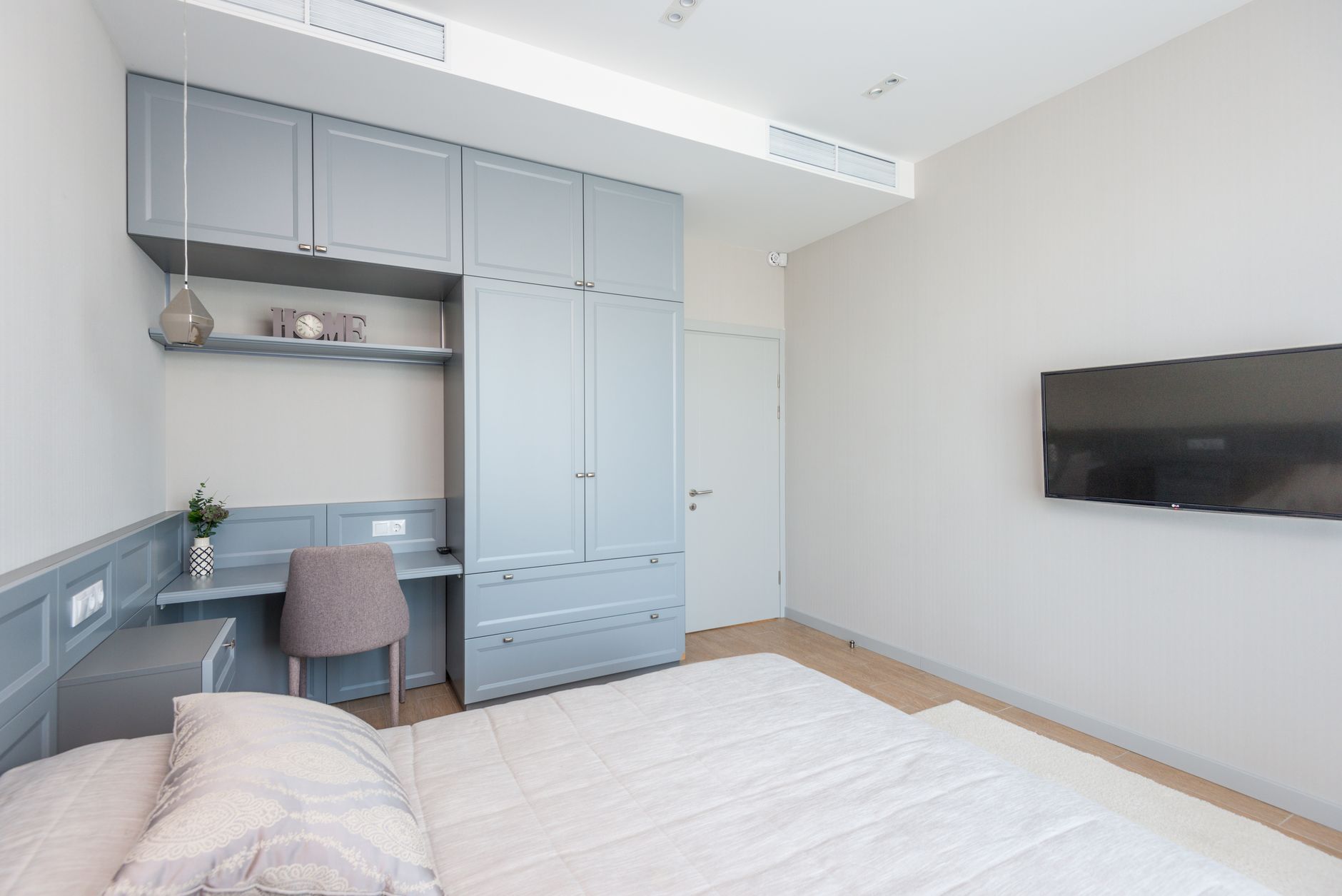
When floor space is limited, look upward. Wall-mounted organizers, pegboards, shelves, and hooks help keep items off the floor. Pegboards work well because you can adjust hooks, small baskets, and shelves as storage needs change.
16. Add a Gallery Wall
A gallery wall allows your child to personalize the bedroom. Use a mix of frames to display artwork, family photos, posters, and travel souvenirs. Using matching frame colors keeps the display neat even with different artwork sizes.
17. Choose Durable Furniture
Children’s bedrooms see plenty of daily activity. Choose solid wood or strong metal furniture that handles regular use. Look for rounded corners on nightstands and desks for added safety. Smooth surfaces are also easier to clean.
18. Use Rugs to Define Spaces
A rug adds warmth, comfort, and color to a bedroom. It can also mark distinct areas within the room, like a play zone or a reading spot. Place a large rug under the bed or choose smaller accent rugs near the desk or reading chair.
19. Add Comfortable and Layered Lighting
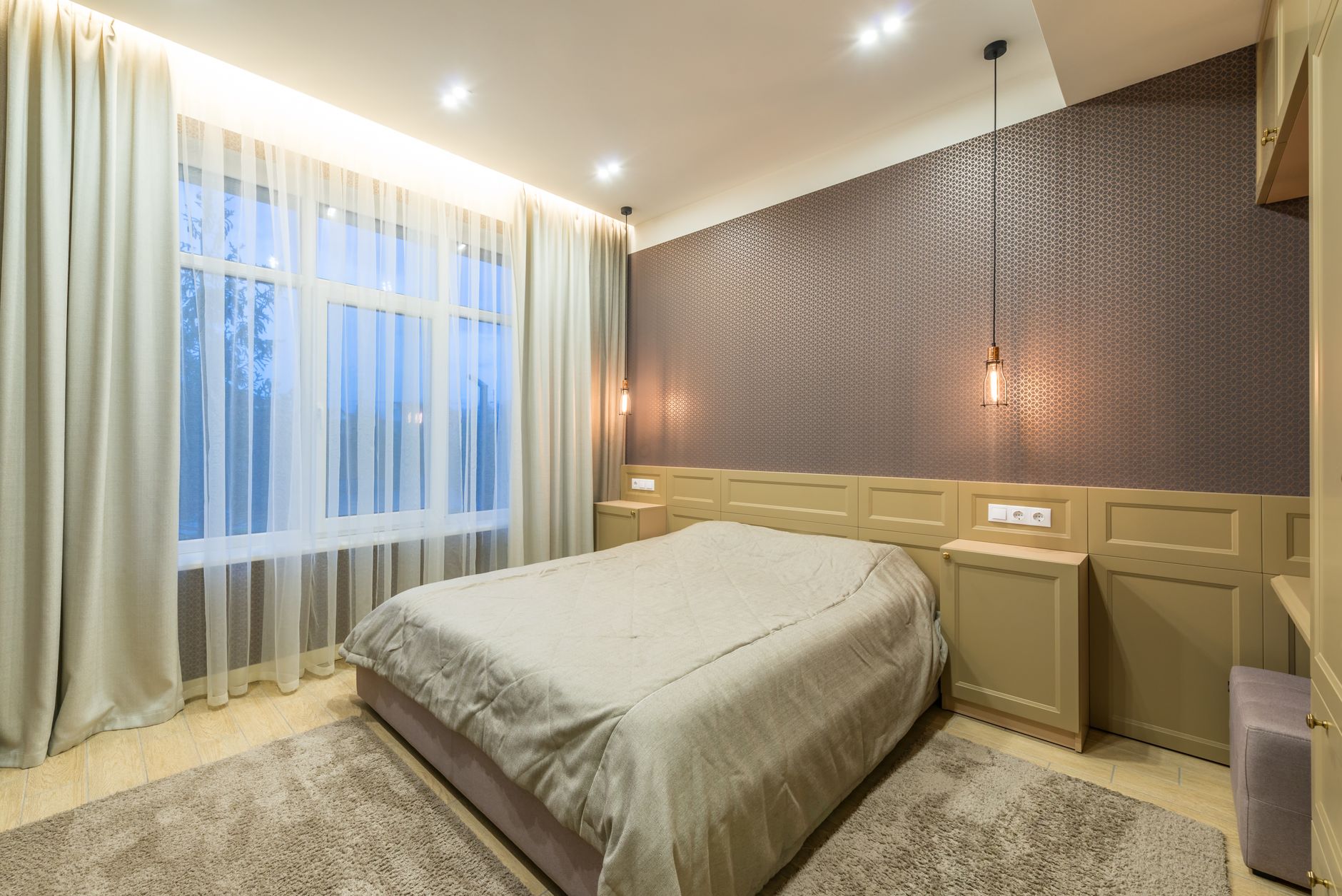
Lighting changes how a room looks and functions throughout the day. Combining several light sources works better than relying on a single overhead bulb.
For example:
- Ceiling lighting for general room illumination
- A desk lamp for focused homework time
- A bedside lamp for reading before sleep
- Soft accent lighting for a quiet atmosphere
- Natural light during the daytime
Layered lighting lets you adjust the room for different activities and times of day.
20. Create a Minimalist Bedroom
Minimalism can work well in a child’s bedroom. Instead of filling the space with many decorations, focus on a few quality pieces and plenty of open floor space. Use a clean color palette, streamlined furniture, hidden storage, and a few simple decorative items. This style makes cleaning easier and gives the room an uncluttered feel.
21. Make a Small Bedroom Feel Bigger
Small bedrooms require careful planning, but they can still be stylish and functional. Use light colors, mirrors, vertical storage, and furniture that serves multiple purposes. A bed with built-in drawers can remove the need for a separate dresser. Wall-mounted shelves can replace traditional bookcases. Keep walkways clear and avoid placing too many large pieces of furniture in the room.
22. Let Your Child Help With Decorating
One of the most enjoyable boys bedroom ideas is allowing your child to participate in the design process. Give them limited choices rather than handing over full control. For example, choose three paint colors and let them pick their favorite. You can also let them pick between bedding patterns, artwork, or rugs. This makes the room feel personal and teaches children how to make decisions.
23. Use Color Strategically
Color influences the mood and appearance of a bedroom. Bright colors can make the room feel energetic, while muted tones often create a calm atmosphere. You do not need to paint every wall a bold color. Instead, introduce vibrant shades through pillows, artwork, curtains, rugs, or storage baskets. This gives you flexibility when you want to update the room later.
24. Design for Growing Children
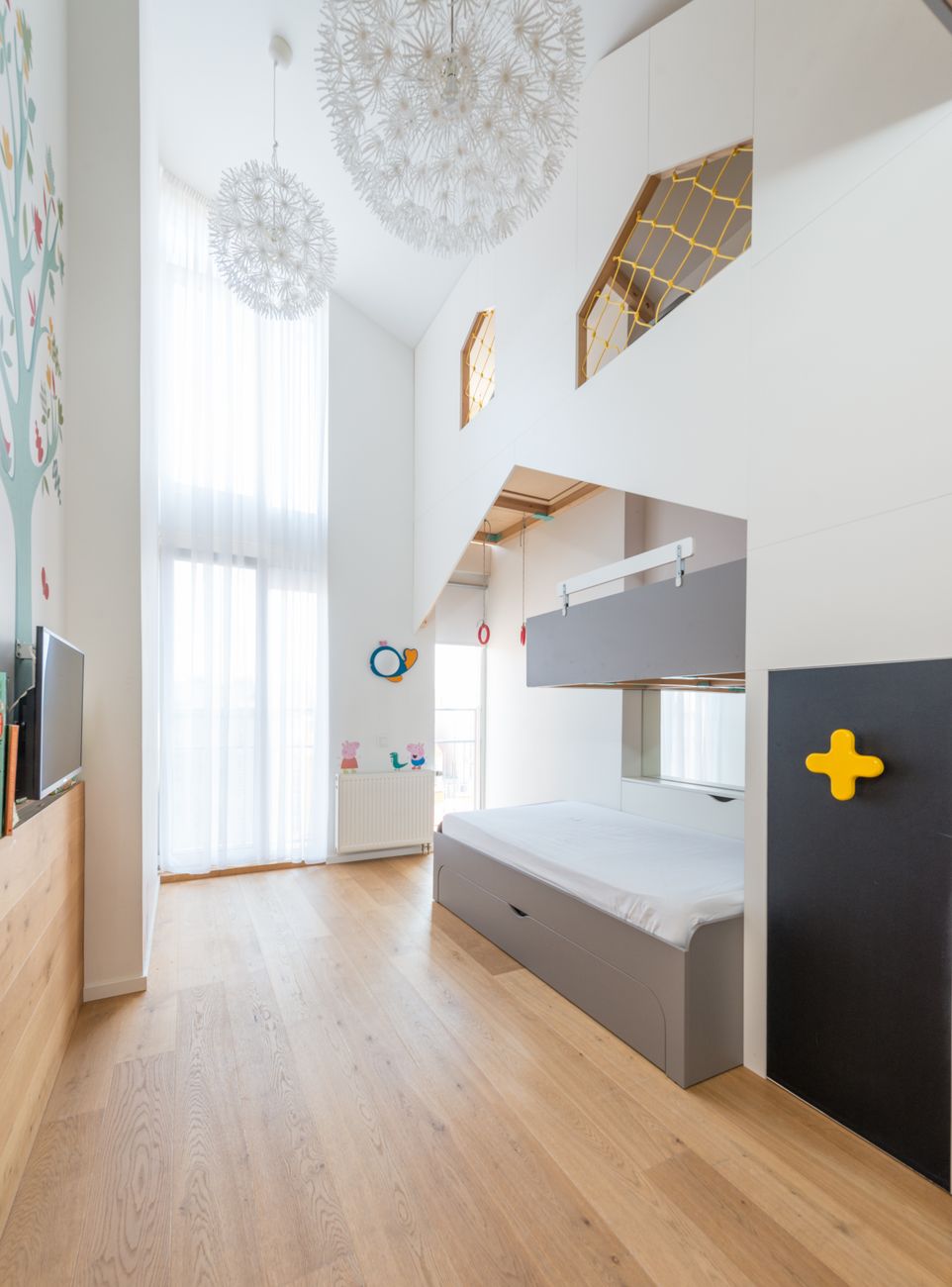
Children’s needs change quickly. A room designed for a five-year-old may not work for a twelve-year-old. When selecting furniture, think about how each item can remain useful over time. A simple bed, a desk, versatile storage, and a neutral wall color can grow with your child. Then update smaller items like bedding, artwork, lighting, and accessories as interests change.
25. Keep the Bedroom Comfortable
Above all, the bedroom should be a comfortable place where your child can relax and recharge. Choose a supportive mattress, comfortable bedding, suitable window coverings, and soft fabrics. Avoid making the room purely decorative—function and comfort should always come first. A designed room that is not comfortable will not serve its purpose well.
How to Plan the Perfect Boys Bedroom
Before buying anything, create a clear plan. Start by measuring the room and identifying doors, windows, closets, electrical outlets, and existing furniture. Next, decide what activities need to happen in the space. Does your child need a study zone? A gaming area? Space for toys? Extra clothing storage?
Once you understand these needs, create clear zones within the room. For example, the bed defines the sleeping zone, a desk creates a study zone, and a rug marks a play or relaxation area. These boys bedroom ideas help prevent unneeded purchases and ensure every item has a purpose.
Budget-Friendly Decorating Tips
You do not have to spend thousands of dollars to transform a bedroom. Start with changes that create a strong visual impact. Painting one accent wall, replacing bedding, adding artwork, installing shelves, or changing light fixtures can completely alter the atmosphere.
Thrift stores and secondhand marketplaces are also great sources for furniture and decor. A basic wooden dresser can be refreshed with new hardware or paint. Simple DIY projects add personality without increasing your budget.
Safety Considerations
Safety should always be part of bedroom planning. Secure tall furniture like dressers and bookcases to the wall to reduce tip-over risks. Keep cords organized and away from areas where children might trip.
For younger children, avoid small decorative objects that present choking hazards. Choose age-appropriate furniture and follow manufacturer guidelines. If you install shelves or hang heavy objects, use proper mounting hardware to make sure everything is attached securely.
Frequently Asked Questions
What are the best colors for a boys bedroom?
There is no single best color. Blue, green, gray, beige, white, navy, and earth tones are all popular options. The best choice depends on your child’s personality, the size of the room, and the overall atmosphere you want to create.
How can I decorate a boys bedroom on a budget?
Focus on changes with a strong visual impact. Paint, bedding, wall art, storage baskets, rugs, and lighting can transform a room without requiring major renovations. Repurposing or repainting existing furniture also keeps costs low.
How can I make a boys bedroom more functional?
Use under-bed storage drawers, multi-functional furniture, wall-mounted shelves, and compact desks. Keeping floor space clear also helps a small room feel larger and easier to move around in.
Should my child help design the bedroom?
Yes. Giving children age-appropriate choices helps them feel invested in their space. Let them choose accessories, artwork, colors, or themes while adults handle safety and budgeting decisions.
How can I design a bedroom that grows with my child?
Choose classic furniture and durable finishes that remain useful for several years. Then update flexible items like bedding, artwork, rugs, and accessories as your child’s age and interests change.
Conclusion
The best boys bedroom ideas balance personality, comfort, organization, and practical use. Whether you are creating a sports-inspired room, a modern minimalist space, a space-themed bedroom, or a multi-use room for a teenager, successful designs focus on the child’s actual needs.
Start with a smart layout, choose durable furniture, maximize available storage, and introduce personality through colors and accessories. You do not need a full renovation to make a big difference. Even small updates can create a space that feels fresh and inviting.
Remember that a child’s bedroom should evolve with them over time. Instead of creating a room that works for only one age, choose a flexible foundation that is easy to update. With thoughtful planning and simple creativity, you can create a bedroom that feels personal today and stays functional for years to come.
1 thought on “Boys Bedroom Ideas: 25 Creative and Stylish Designs for Every Age”