
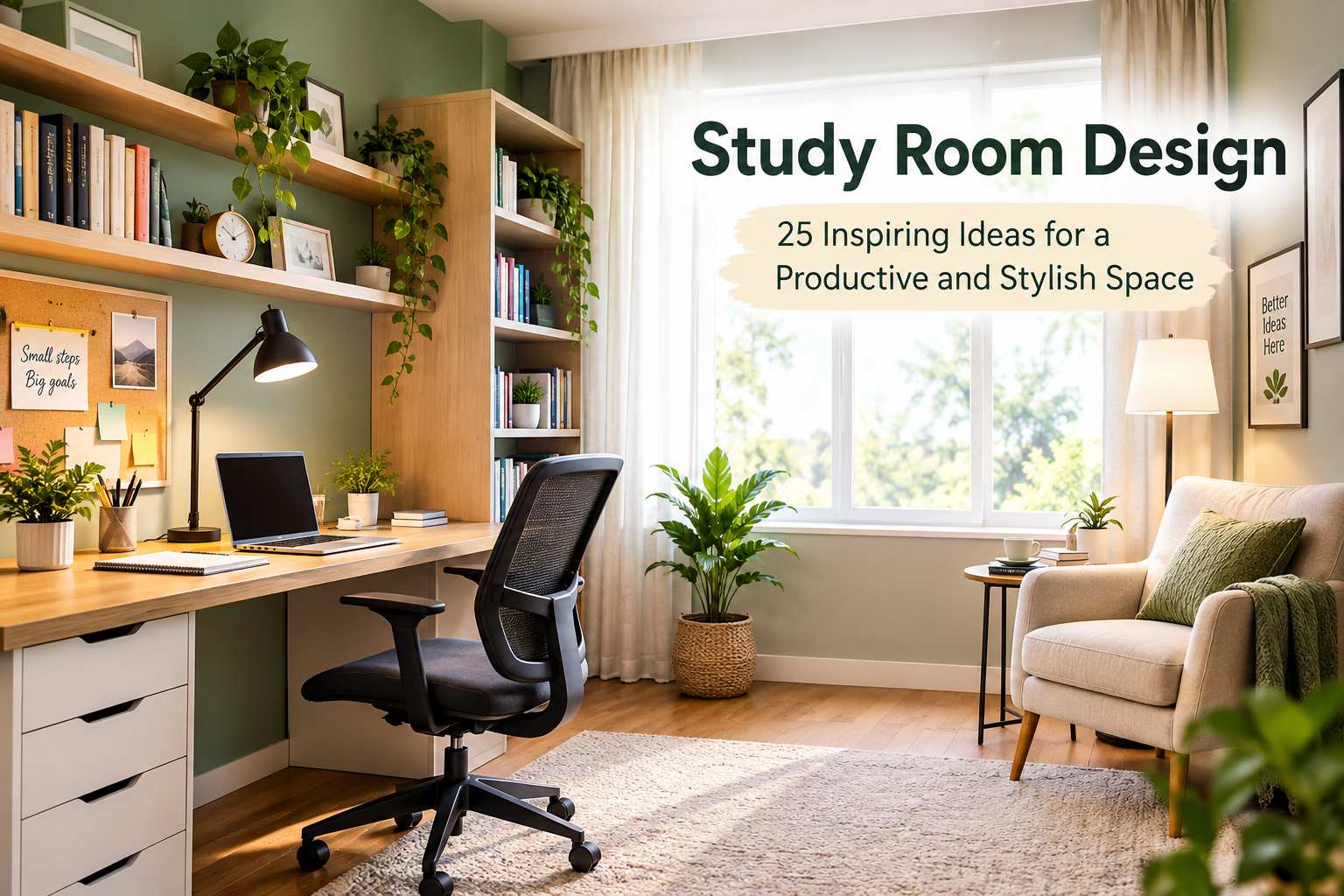
A well-planned study room design can make studying, reading, working, and completing projects much more comfortable and enjoyable. Whether you have a dedicated room or a small corner in your bedroom, the right combination of furniture, lighting, colors, storage, and organization can create a space that encourages focus and productivity. In this guide, you will discover stylish ideas for creating a study room that works for students, remote workers, and anyone who wants a peaceful place to concentrate.
Why Study Room Design Matters
Your surroundings can strongly influence how you feel and work. A cluttered, poorly lit room can make it difficult to concentrate, while an organized environment can help you feel calm and prepared.
Good study room design isn’t simply about making a room look attractive. It combines aesthetics with functionality. Your desk should provide ample working space, your chair should support comfortable posture, and your lighting should reduce eye strain.
The best study spaces also reflect the personality of the person using them. You can create a minimalist environment with neutral colors, a cozy reading nook with warm lighting, or a modern workspace with sleek furniture and smart storage.
1. Choose the Right Location
The first step is selecting a location. If you have a room available, choose a space that receives natural light and is relatively quiet.
A room away from the television, kitchen, or high-traffic areas can reduce distractions. If a dedicated room isn’t available, consider transforming a corner of a bedroom, living room, or hallway into a compact workspace.
When planning your study room design, think about how you use the space. If you frequently read textbooks, you may want a bookshelf nearby. If you use a laptop extensively, you will need easy access to electrical outlets.
2. Invest in a Comfortable Desk
The desk is usually the centerpiece of a study room. Choose one that provides enough surface area for your daily activities without overwhelming the room.
For students, a desk 40–60 inches wide can provide useful space for books, notebooks, stationery, and a computer. Smaller desks may work well in apartments or bedrooms.
A minimalist desk with drawers can help maintain a clean appearance, while a larger workstation may be better for people who need multiple monitors or handle substantial paperwork.
3. Select an Ergonomic Chair
A beautiful desk isn’t useful if your chair is uncomfortable.
Choose a chair that provides solid back support and allows your feet to rest comfortably on the floor. Adjustable height is particularly useful because it lets you position yourself relative to your desk.
For long study sessions, ergonomic features such as lumbar support, adjustable armrests, and breathable materials can make a significant difference.
Comfort should always be a priority in your study room design, particularly if the space will be used for several hours every day.
4. Maximize Natural Light
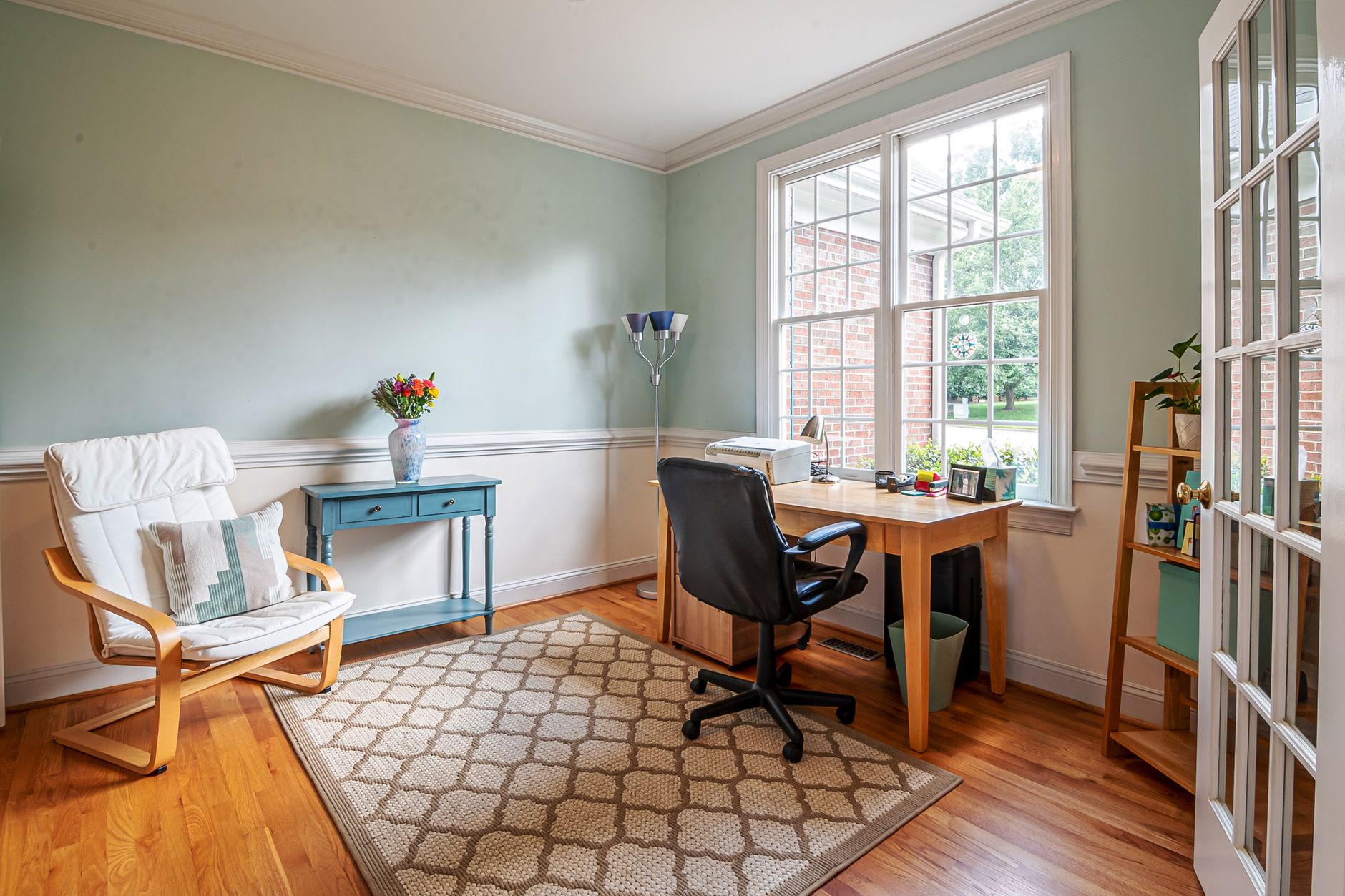
Natural light can make a study room feel brighter, larger, and more inviting. Whenever possible, position your desk near a window.
However, avoid placing your monitor directly opposite a bright window, as glare can make screens difficult to see. Positioning the desk perpendicular to the window is often the best solution.
Light-colored curtains can soften sunlight while still allowing plenty of daylight into the room.
5. Add Layered Lighting
Natural light isn’t enough for studying after sunset. A combination of ambient, task, and accent lighting can create an optimal environment.
A ceiling fixture provides general illumination, while a desk lamp gives focused light for reading and writing. Wall sconces or small accent lights can add warmth and personality.
A desk lamp with an adjustable arm is particularly useful because you can direct the light exactly where you need it.
6. Use a Calm Color Palette
Color plays a major role in creating the right atmosphere. Soft neutrals, whites, muted greens, light blues, and subtle beige tones can create a calm environment.
If you prefer something energetic, consider adding one accent wall in a deeper shade.
Avoid using too many competing colors, as visual complexity can make a small workspace feel chaotic.
A balanced study room design usually combines two or three colors with a few carefully selected accent shades.
7. Create Smart Storage
Storage is essential for keeping your workspace organized. Books, notebooks, cables, stationery, and documents can quickly accumulate.
Consider installing floating shelves above your desk. Vertical shelving is another great option when floor space is limited.
Drawer organizers, storage boxes, baskets, and filing systems can keep small items under control.
The goal isn’t to hide everything, but to give every frequently used item a designated place.
8. Try a Minimalist Study Room
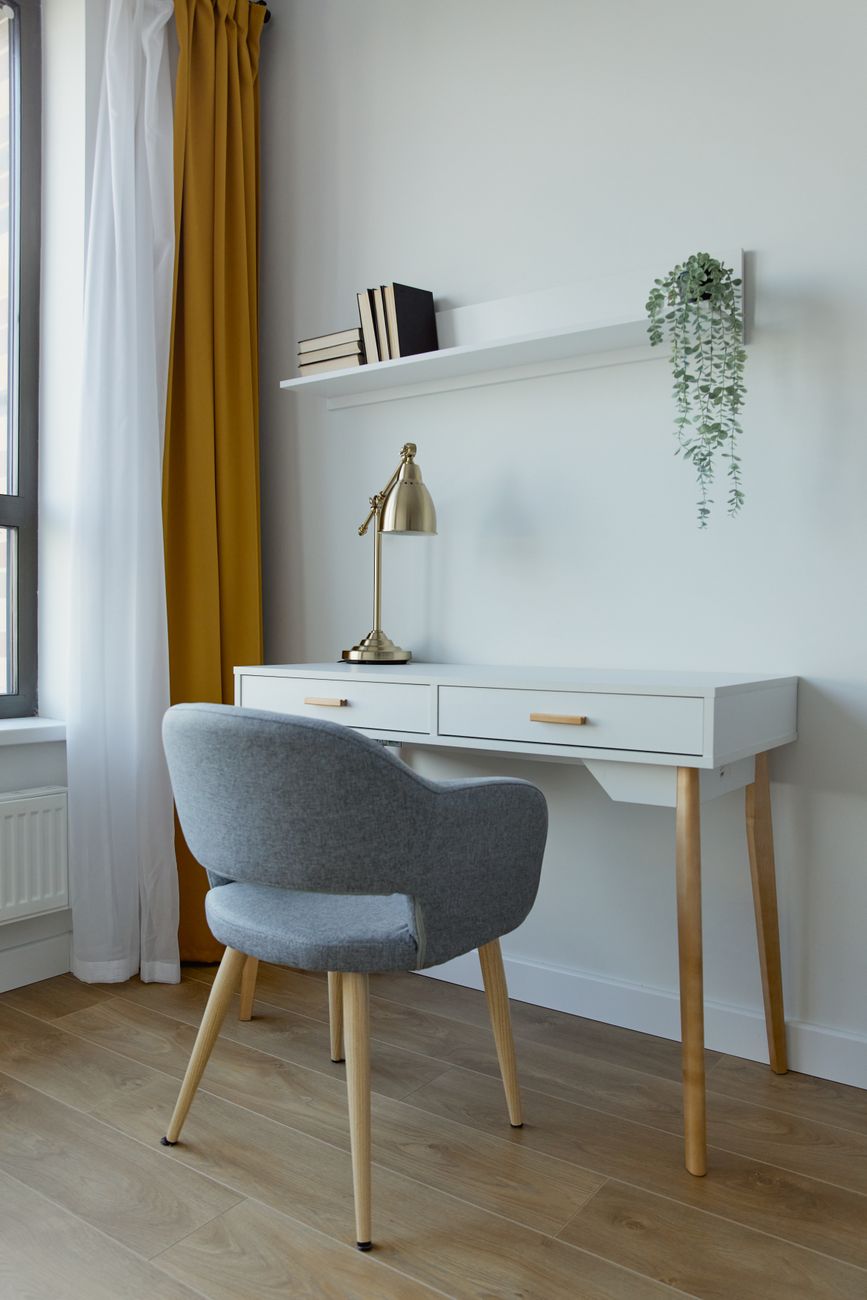
Minimalism is particularly effective for study spaces because it reduces visual distractions.
Choose a simple desk, a comfortable chair, limited decorations, and streamlined storage. Keep only the items you use regularly on your desktop.
A minimalist room doesn’t have to feel cold. Add a plant, framed artwork, a textured rug, or a comfortable cushion to introduce warmth.
This type of study room design works especially well in modern homes and smaller apartments.
9. Add a Bookshelf
A bookshelf can be both practical and decorative.
Tall bookcases make full use of vertical space. If floor space is tight, install floating shelves instead.
Organize books according to subject, frequency of use, or even color if appearance is important to you. Leave some open space between groups of books to prevent the shelves from looking overcrowded.
You can also display plants, photographs, decorative objects, and awards alongside your books.
10. Incorporate a Study Board
A bulletin board, magnetic board, or whiteboard can make your study space much more functional.
Use it for reminders, schedules, important dates, inspirational quotes, or project notes.
For students, a whiteboard can also be useful for solving math problems, brainstorming, and creating study plans.
Position the board where it is clearly visible from your desk so important information remains easy to reference.
11. Use Wall Space Efficiently
Walls offer excellent storage and decoration opportunities.
Instead of filling the floor with bulky cabinets, consider floating shelves, pegboards, wall-mounted organizers, and hanging file holders.
A pegboard is particularly versatile because hooks and containers can be rearranged as your needs change.
When planning a study room design, making full use of vertical space can significantly improve functionality without making the floor feel crowded.
12. Design a Small Study Room
You don’t need a massive room to create an effective study area.
For a small space, choose furniture with a compact footprint. A wall-mounted or floating desk can be a great option because it leaves floor space clear.
Consider a chair that can slide completely underneath the desk when you’re finished working.
Light colors, mirrors, open shelving, and good lighting can also make a small room feel much more spacious.
13. Create a Cozy Study Corner
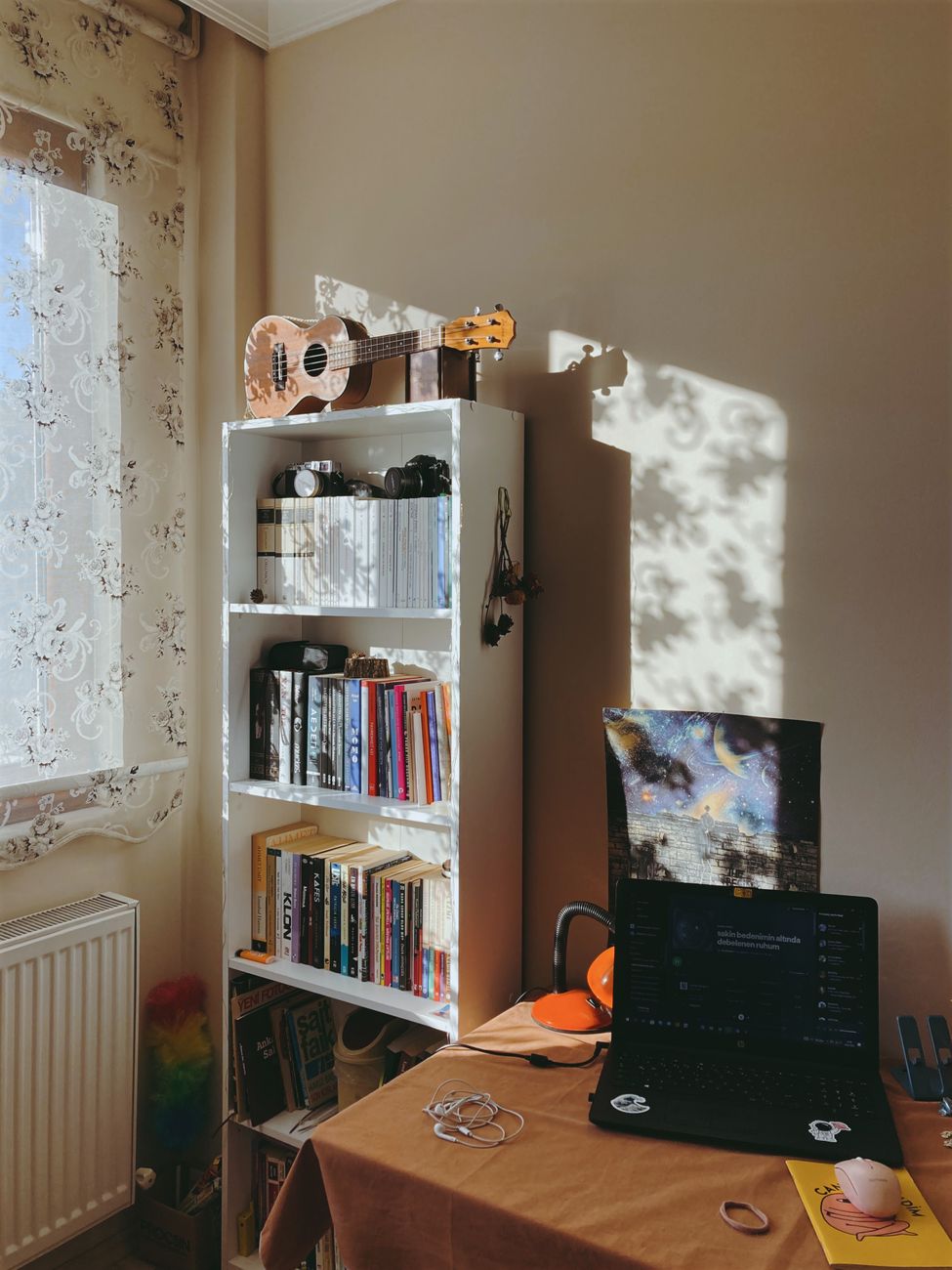
If you prefer a relaxed atmosphere, create a cozy study corner rather than a highly formal office.
Add a soft rug, a comfortable chair, a warm desk lamp, cushions, and a small side table. A nearby accent chair can create a dedicated area for reading away from your computer.
Natural materials such as wood, cotton, linen, and rattan can also make the space feel warm and inviting.
14. Add Indoor Plants
Plants can bring natural texture and freshness into a study room.
Small plants can sit on a desk or shelf, while larger potted plants can occupy an empty corner.
Low-maintenance options are ideal for students and busy professionals. If natural light is limited, choose plants that tolerate low-light environments.
Even a single plant can add vitality to the room without creating clutter.
15. Choose a Modern Study Room Style
Modern study rooms often feature clean lines, neutral colors, simple furniture, and functional accessories.
A wood-and-white color combination is particularly versatile. Black metal accents can provide sharp contrast, while soft textiles prevent the room from feeling overly industrial.
Keep decorative elements intentional rather than excessive.
A modern study room design should look polished while still feeling comfortable enough for long working sessions.
16. Build a Dedicated Homework Station
For children, a dedicated homework station can make studying easier and more routine.
Place the desk in a quiet area and provide easy access to pencils, notebooks, textbooks, and school supplies.
Open storage bins can make it simpler for younger children to keep their belongings organized.
Use artwork or a small display board to make the space feel personal without creating excessive distractions.
17. Create a Dual-Purpose Study Room
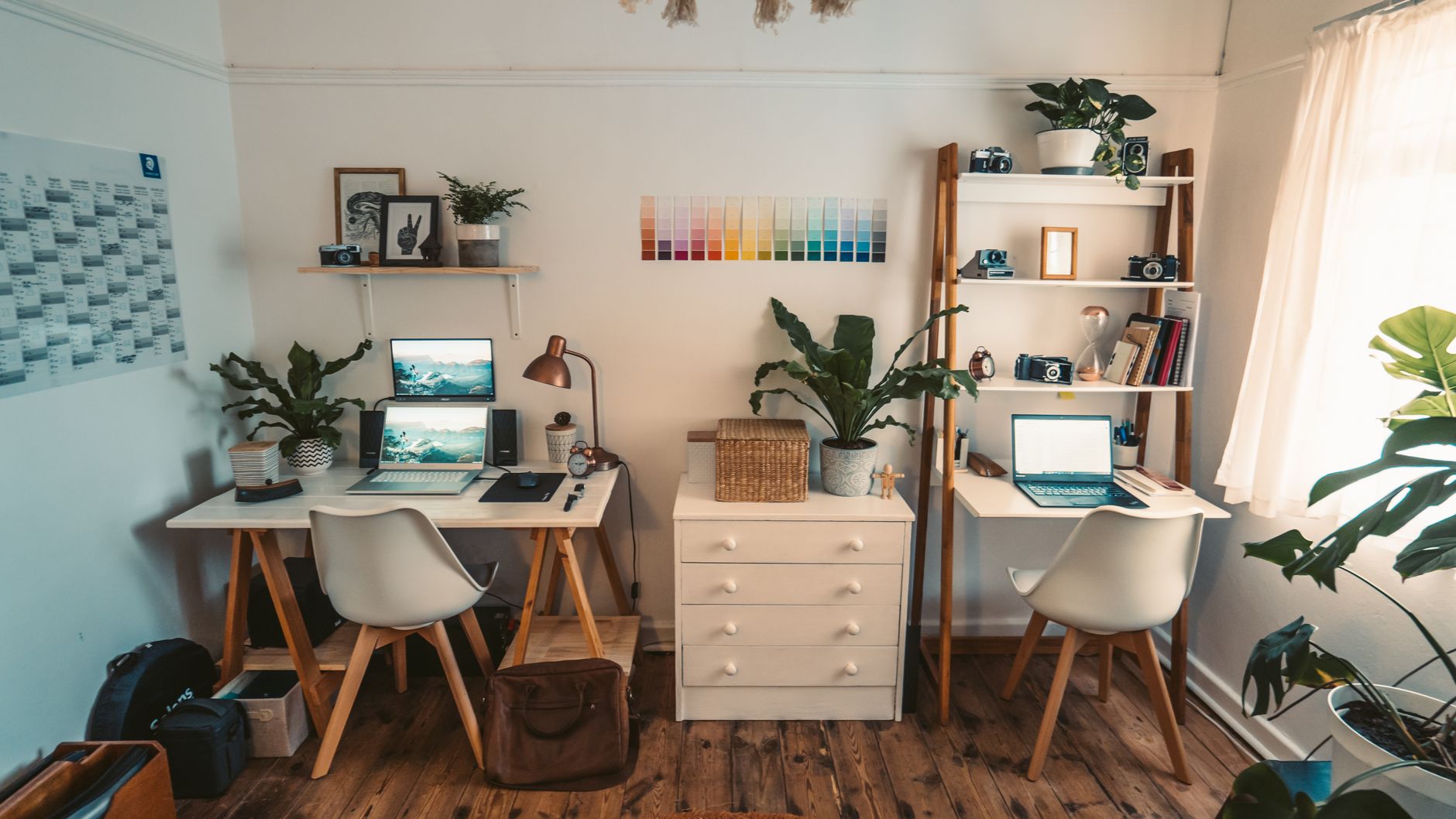
A study room doesn’t necessarily need to serve only one function.
You can combine a workspace with a reading area, craft station, or small home library.
For example, place a desk against one wall and a comfortable reading chair near a window. A bookshelf can visually separate the two functional areas.
Furniture that serves multiple purposes is especially useful in smaller homes.
18. Improve Cable Management
Modern study spaces often contain laptops, monitors, chargers, lamps, speakers, and other electronics.
Without proper organization, loose cables can quickly make a room look messy and unkempt.
Use cable clips, cable sleeves, under-desk trays, and adhesive organizers to keep wires hidden and controlled.
Whenever possible, position your desk close to power outlets to minimize the length of cables running across the room.
19. Add Personal Decor
Your study room should feel like your own unique space.
Add photos, pieces of art, encouraging posters, souvenirs from trips, or items that reflect your personal interests.
Avoid filling every wall or surface with decorations. Pick a few meaningful items and let them be the focal points.
Personal touches can make spending time in the room far more pleasant and inspiring.
20. Think About Acoustic Comfort
Loud noises and echoes can be major distractions when you are trying to study.
If your room is close to a street or a busy household area, soft materials can help reduce noise. Rugs, heavy curtains, upholstered chairs, and fabric wall hangings can all help absorb sound.
A bookcase filled with books also acts as a great natural sound absorber.
If you require complete silence, a good pair of noise-canceling headphones can complement your acoustic setup.
21. Create a Distraction-Free Desk Surface

One of the best ways to boost productivity is to keep your desktop clutter-free.
Only leave out the essential items you need for your current task. Store things you don’t use daily in drawers or storage boxes.
Try to keep your phone away from your desk, especially when you need to focus on deep work.
A clean desk makes it much easier to start working without wasting time clearing a spot first.
22. Use a Large Desk Calendar
A wall calendar or a desk planner can help you keep track of assignments, exams, meetings, and deadlines.
For students, color-coding different subjects can make a busy schedule much easier to read at a glance.
Professionals can use the same approach to track projects, meetings, and personal goals.
The key is to pick an intuitive planning system that you will actually use consistently.
23. Set Up a Comfortable Reading Nook
If your room has extra space, create a dedicated area specifically for reading.
A cozy chair next to a floor lamp provides a comfortable alternative to sitting at your desk all day.
Add a small side table for holding books, a cup of tea, or a notebook.
Separating screen work from offline reading makes the room feel more versatile and helps you stay comfortable over long periods.
24. Position Mirrors Strategically
Mirrors can make a small study room look larger, brighter, and more open.
Place a mirror opposite or adjacent to a window to bounce natural light around the space.
Avoid adding too many mirrors, as excessive reflections can become visually distracting while you work.
A single large framed mirror can also serve as a stylish focal point for the room.
25. Keep Your Study Room Neat and Organized
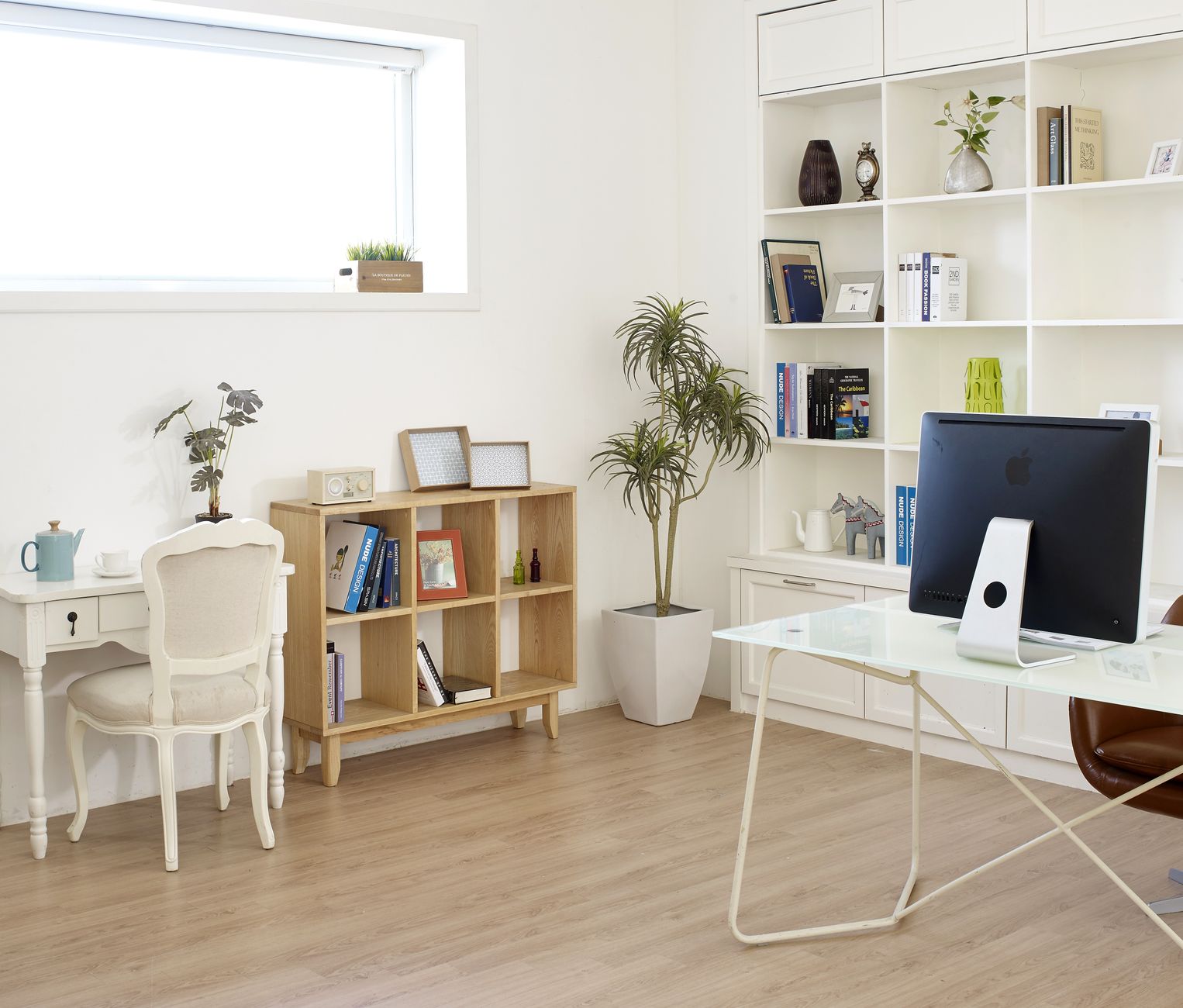
Ultimately, consistent organization is what keeps your study room design effective over time.
Spend a few minutes at the end of each study session putting items back where they belong.
Periodically review your storage system and clear out papers, supplies, or clutter you no longer need.
A functional room doesn’t have to be sterile—it just needs to be an environment where you can find what you need quickly and feel ready to focus.
How to Plan Your Study Room on a Budget
Creating an effective study space doesn’t require expensive designer furniture.
Start with the essential basics: a sturdy desk, a comfortable chair, proper lighting, and simple storage solutions.
You can add decorative elements over time. Install shelves, artwork, plants, rugs, and organizational accessories as your budget allows.
Repurposing pre-owned furniture is another budget-friendly option. A sturdy secondhand desk can often be refreshed with a coat of paint or new hardware.
Focus your budget on ergonomic items that improve your comfort and focus, rather than expensive decorative accessories.
Common Mistakes to Avoid in Study Room Design
Even well-intentioned study rooms can suffer from common design pitfalls. Avoid choosing a desk that is too small, relying on insufficient lighting, overcrowding the room with furniture, or neglecting cable management.
Another frequent mistake is prioritizing aesthetics over comfort. A chair that looks stylish but lacks proper support will quickly become a problem during long working hours.
Finally, avoid creating an environment with excessive visual noise. Overly busy decorations, loud wall colors, televisions, or unnecessary electronics can hinder your ability to concentrate.
The ideal study room design balances personal style, physical comfort, organization, and functional productivity.
Frequently Asked Questions
What color is best for a study room?
Blue, green, beige, white, and other muted tones are ideal because they promote calm and focus. The best choice depends on your personal preference and the amount of natural light available in the room.
How do I make a study room in a small space?
Use a wall-mounted desk, tall vertical shelves, multi-purpose furniture, and light color schemes. Keep the floor area as clear as possible and utilize vertical wall space for storage.
What essential furniture do I need for a study room?
The core essentials are a functional desk, a comfortable ergonomic chair, reliable task lighting, and adequate storage. Any additional furniture depends on the room size and your specific needs.
How can I make my study room better for productivity?
Minimize visual distractions, maintain a clear desk surface, improve ambient lighting, keep the room at a comfortable temperature, and arrange your layout so essential supplies are always within reach.
Should a study desk face the wall or the window?
Both setups have advantages. Facing a wall minimizes visual distractions outside, while placing a desk near a window offers pleasant natural light. Just make sure direct sunlight doesn’t cause glare on your screen.
How can I give my study room a modern look?
Opt for clean-lined furniture, a neutral color palette, smart storage solutions, modern light fixtures, and minimal decor. Combining natural wood with black metal accents works exceptionally well.
Conclusion:
Creating a great study space doesn’t require a huge room or a massive budget. With thoughtful planning, even a small corner can become a stylish and highly productive workspace.
The best study room design balances physical comfort, organization, quality lighting, smart storage, and your personal taste. Start by selecting the right location and desk, then build out the space with a supportive chair, layered lighting, smart storage, calm colors, and meaningful personal accents.
Most importantly, design the space around your actual working habits. A practical setup that supports your daily routine will always serve you better than one designed purely for pictures.
1 thought on “Study Room Design: 25 Inspiring Ideas for a Productive and Stylish Space”