
Introduction
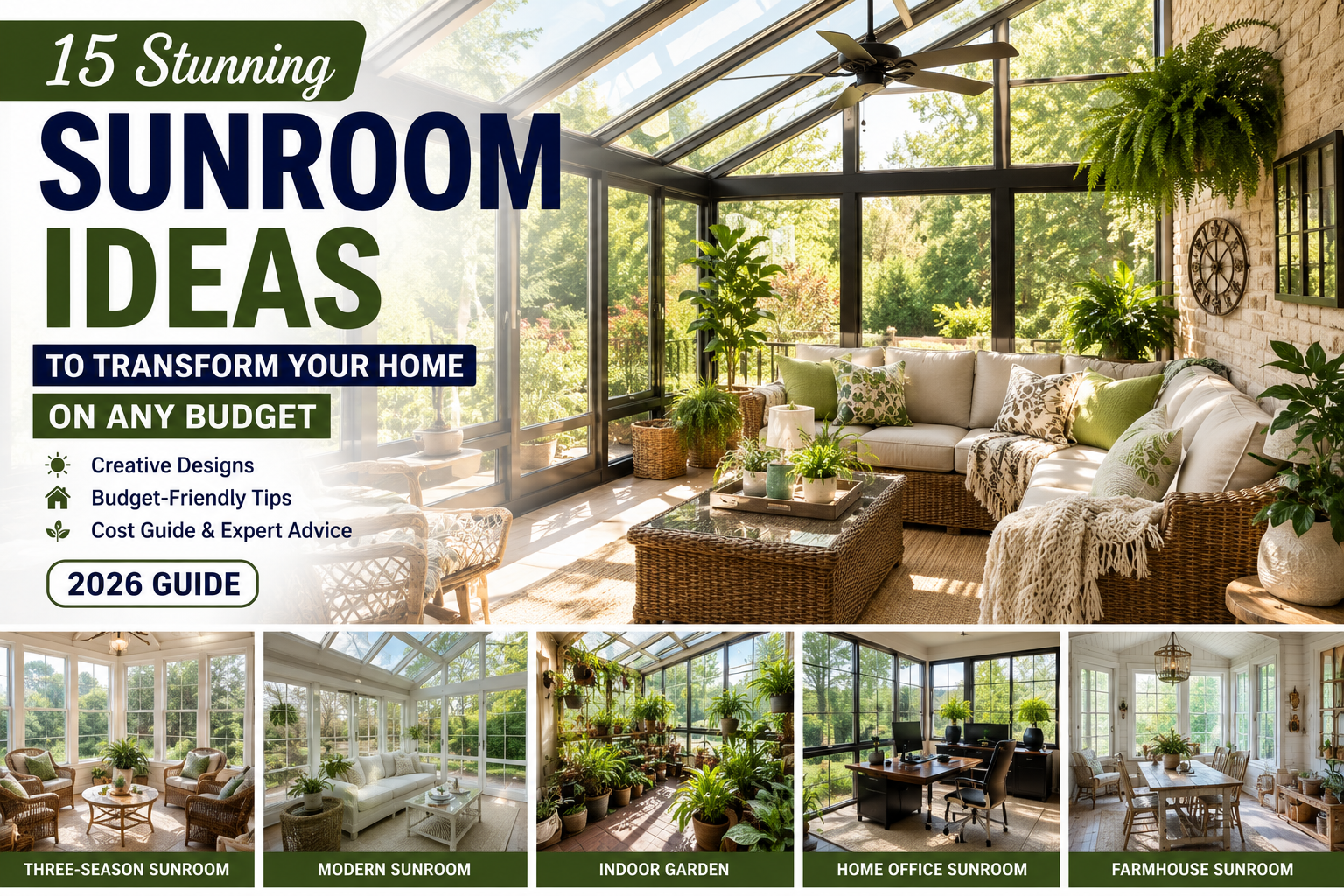
Are you searching for the best sunroom ideas to create a bright, comfortable, and stylish space in your home? A well-designed sunroom can completely transform your living experience by bringing natural light indoors while providing a relaxing place to entertain guests, enjoy family time, or simply unwind after a long day.
Whether you’re planning a luxury four-season addition or looking for budget-friendly ways to convert an existing porch, there are countless sunroom ideas that suit every home style and budget. From cozy reading nooks and indoor gardens to elegant dining spaces and modern home offices, a sunroom adds both beauty and functionality to your property.
In this comprehensive guide, you’ll discover the best sunroom ideas, practical design tips, construction advice, estimated costs, and expert recommendations to help you build the perfect sunroom without overspending.
What Is a Sunroom?
A sunroom is a glass-enclosed living space designed to maximize natural sunlight while protecting homeowners from rain, wind, insects, and extreme weather conditions. Unlike traditional rooms, sunrooms feature large windows or floor-to-ceiling glass panels that create a seamless connection between your indoor and outdoor spaces.
Modern sunrooms are no longer limited to relaxing on sunny afternoons. Homeowners now use them for various purposes, including:
- Cozy family rooms
- Home offices
- Indoor gardens
- Reading spaces
- Dining areas
- Entertainment rooms
- Yoga or meditation studios
Depending on the insulation and construction materials, a sunroom can either be enjoyed throughout the year or only during warmer months.
Types of Sunrooms
There are several popular types of sunrooms available today:
- Three-Season Sunroom: Designed for spring, summer, and fall, these sunrooms are more affordable because they typically don’t include full insulation or HVAC systems.
- Four-Season Sunroom: These are fully insulated and climate-controlled, making them comfortable throughout the year regardless of outdoor temperatures.
- Solarium: A solarium features glass walls and a glass roof, allowing maximum sunlight to enter the space while creating spectacular outdoor views.
- Screen Room: Instead of glass panels, screen rooms use mesh screens to allow airflow while keeping insects outside.
Sunroom vs. Conservatory: What’s the Difference?
Many homeowners confuse sunrooms with conservatories because both feature large amounts of glass. However, they serve different purposes.
| Feature | Sunroom | Conservatory |
| Roof | Solid insulated roof | Mostly glass roof |
| Walls | Large glass windows | Mostly glass walls |
| Purpose | Living space | Plants and relaxation |
| Energy Efficiency | Higher | Lower |
| Cost | Moderate | Usually higher |
| Comfort | Year-round (4-season) | Weather dependent |
Understanding Sunrooms
A sunroom is designed primarily as additional living space. It blends naturally with the rest of the home and can be used for entertaining, working, dining, or relaxing. Because modern sunrooms use insulated walls, energy-efficient windows, and durable roofing materials, they remain comfortable throughout the year.
Understanding Conservatories
A conservatory traditionally serves as a greenhouse for growing plants. It usually features glass walls and a fully glazed roof to maximize sunlight exposure. Although many modern conservatories are used as sitting rooms, they tend to become much hotter during summer and colder during winter.
Which One Is Better?
For most American homeowners, a sunroom offers better comfort, improved energy efficiency, lower maintenance, and greater flexibility. If your goal is to create additional living space that increases your home’s value, a sunroom is usually the better investment.
15 Best Sunroom Ideas for Every Home
1. Build a Three-Season Sunroom
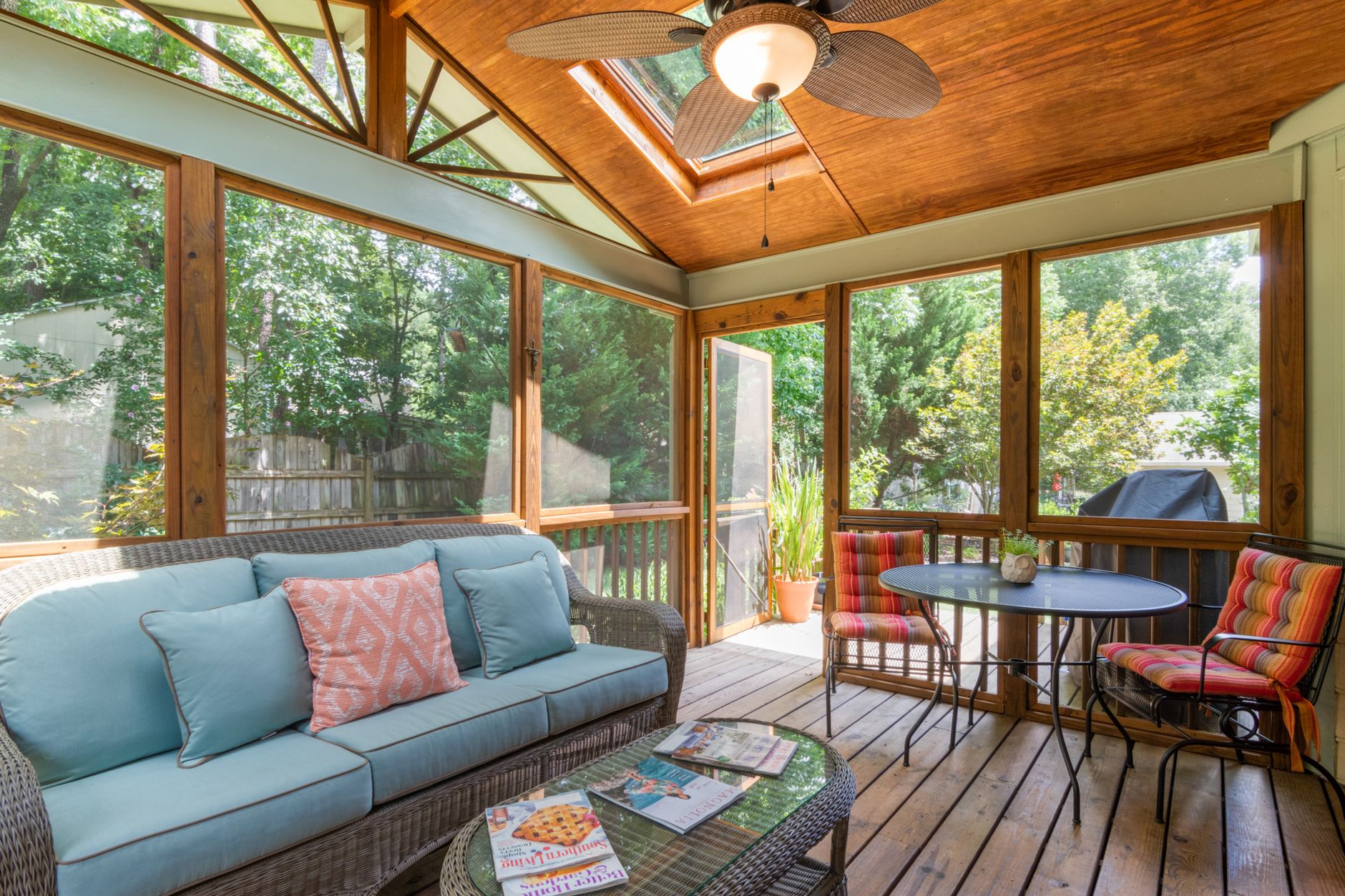
If you’re looking for affordable sunroom ideas, a three-season sunroom is one of the smartest choices. Unlike fully insulated four-season rooms, these spaces are designed for use during spring, summer, and fall. Because they don’t require extensive heating or cooling systems, construction costs remain significantly lower.
A three-season sunroom works perfectly for:
- Morning coffee
- Family gatherings
- Reading
- Indoor plants
- Weekend relaxation
To improve comfort, consider installing ceiling fans, large sliding windows, UV-protected glass, outdoor furniture, and area rugs. This option provides an elegant outdoor living experience without the expense of a complete home addition.
2. Convert an Existing Porch into a Sunroom
One of the easiest ways to save money is by transforming an existing porch or patio. Instead of building an entirely new structure, homeowners can enclose their current covered porch using insulated windows and durable framing materials.
Benefits include:
- Lower labor costs
- Faster construction
- Less demolition
- Existing foundation
- Increased home value
Adding vinyl windows and insulated doors can instantly transform an ordinary porch into a bright and welcoming living area.
3. Try DIY Sunroom Ideas
If you enjoy home improvement projects, DIY construction can dramatically reduce expenses. Today, many manufacturers sell prefabricated sunroom kits that include wall panels, roof systems, windows, hardware, and assembly instructions.
A DIY sunroom is ideal for homeowners who already have basic carpentry skills. However, electrical wiring, roofing, and foundation work should always comply with local building codes.
4. Choose Budget-Friendly Building Materials
One of the best sunroom ideas for saving money is selecting affordable materials without sacrificing durability. Consider these cost-effective options:
- Vinyl Frames: Vinyl requires little maintenance, offers excellent insulation, and is one of the most affordable framing materials.
- Aluminum Frames: Lightweight, rust-resistant, and strong, aluminum frames provide a sleek modern appearance.
- Polycarbonate Roofing: Instead of expensive glass roofs, polycarbonate panels offer excellent light transmission while reducing overall construction costs.
- Energy-Efficient Windows: Double-pane Low-E windows improve insulation, reduce energy bills, and make the room comfortable throughout the year.
5. Decorate with Comfortable Furniture
Your furniture determines whether the sunroom feels cozy or empty. Choose pieces that are stylish, functional, and weather-resistant.
Popular furniture options include wicker sofas, rattan chairs, wooden coffee tables, soft cushions, throw blankets, and natural fiber rugs. Neutral colors combined with greenery create a peaceful atmosphere while allowing natural light to become the room’s focal point.
6. Use Creative Lighting Ideas
Although sunrooms receive abundant daylight, proper lighting makes them equally beautiful after sunset. Consider installing:
- Pendant lights
- Recessed LED lighting
- Wall sconces
- String lights
- Table and floor lamps
Warm white lighting creates a relaxing environment, while dimmable fixtures allow you to adjust brightness for different occasions.
7. Bring Nature Indoors
One of the most popular sunroom ideas is incorporating natural elements into the design. Indoor plants not only improve aesthetics but also create a calming environment. Great plant choices include the Snake Plant, Monstera, Peace Lily, Fiddle Leaf Fig, Pothos, and Rubber Plant.
Complete the look with bamboo blinds, wooden shelves, stone planters, natural wood furniture, or small indoor fountains. These elements help blur the line between indoor comfort and outdoor beauty.
8. Design an All-Weather Sunroom
Modern sunrooms should remain comfortable regardless of weather conditions. To achieve this, consider installing double-pane insulated glass, weatherproof doors, quality roof insulation, ceiling fans, a mini-split HVAC system, and moisture-resistant flooring. These features make your sunroom enjoyable year-round while protecting furniture from moisture and temperature swings.
9. Create a Modern Minimalist Sunroom
If you love clean lines and clutter-free interiors, a modern minimalist sunroom focuses on simplicity while maximizing natural light.
A minimalist sunroom often features:
- Neutral color palettes
- Floor-to-ceiling glass windows
- Simple, functional furniture
- Hidden storage solutions
- Wooden or polished concrete flooring
- Black aluminum window frames
The goal is to create an open, airy environment where sunlight becomes the room’s main decorative element. Add one or two statement plants to complete the look without overcrowding the space.
10. Design a Rustic Farmhouse Sunroom
Rustic farmhouse style combines natural materials with vintage charm to create a warm and welcoming atmosphere. Consider adding:
- Reclaimed wood beams
- White shiplap walls
- Vintage lighting fixtures
- Comfortable linen furniture
- Woven baskets and wooden coffee tables
- Antique decorative pieces
Large windows paired with earthy colors create the perfect farmhouse retreat for relaxing throughout the year.
11. Build a Coastal-Inspired Sunroom
Bring beach vibes into your home with a coastal-themed sunroom. This design works beautifully in both waterfront homes and suburban neighborhoods.
Popular decorating ideas include white furniture, light blue accents, natural jute rugs, rattan chairs, linen curtains, driftwood decorations, and wicker baskets. Soft colors combined with abundant sunlight create a calm and refreshing environment that feels like a permanent vacation.
12. Turn Your Sunroom into a Reading Nook
Book lovers can transform their sunroom into a peaceful reading retreat. Place a comfortable armchair beside the largest window and surround it with bookshelves filled with your favorite novels.
Complete the space with oversized cushions, warm throw blankets, adjustable reading lamps, indoor plants, and soft rugs. Natural daylight reduces eye strain while providing the perfect environment for reading during the day.
13. Create a Home Office Sunroom
Remote work has made home offices more important than ever. A sunroom offers an inspiring workspace filled with natural light that can improve focus, creativity, and productivity.
Essential items include an ergonomic office chair, a spacious desk, high-speed internet, floating shelves, and a clean cable management system. Position your desk to take advantage of outdoor views while avoiding direct sunlight glare on your computer screen.
14. Design an Indoor Garden Sunroom
Because sunrooms receive abundant natural sunlight, they provide the ideal environment for growing healthy plants throughout the year. Excellent plant choices include orchids, ferns, succulents, monstera, palm trees, fresh herbs, and potted citrus plants. Install multi-level plant stands to maximize growing space while creating a beautiful botanical display.
15. Create the Perfect Entertainment Sunroom
A sunroom isn’t just for relaxing—it can also become your family’s favorite entertainment area for hosting birthday parties, game nights, or weekend gatherings.
Consider adding a sectional sofa, a smart TV, Bluetooth speakers, a mini beverage station or coffee bar, and a board game cabinet. This setup transforms your sunroom into one of the most versatile rooms in your home.
Benefits of Adding a Sunroom to Your Home
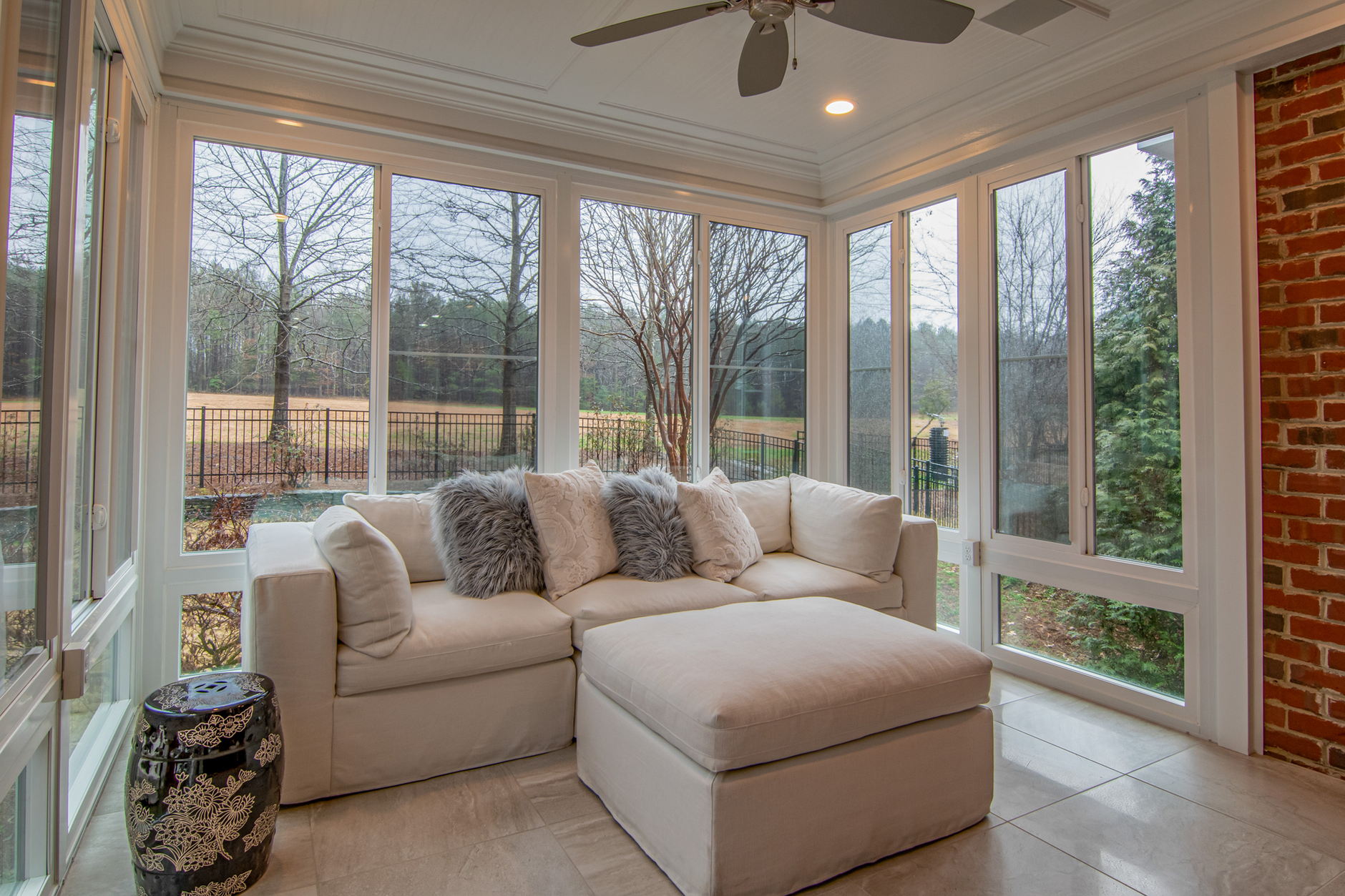
A professionally designed sunroom offers much more than extra living space. It improves comfort, enhances your home’s appearance, and increases long-term value.
1. Increases Property Value
One of the biggest advantages of building a sunroom is the potential increase in resale value. Many buyers actively search for homes with bright, functional living spaces. A beautiful sunroom can make your property stand out in a competitive real estate market.
2. Brings More Natural Light Indoors
Natural light can completely change the feel of your home. Large windows reduce the need for artificial lighting during the day while creating a brighter, cleaner, and more welcoming atmosphere.
3. Creates Additional Living Space
Instead of building a costly traditional home addition, a sunroom provides extra square footage that can serve many purposes. You can use it as a family room, dining area, home office, children’s playroom, exercise room, or craft studio.
4. Connects You with Nature
Large glass panels allow you to experience every season and enjoy beautiful garden views while remaining fully protected from rain, snow, wind, mosquitoes, and extreme temperatures.
5. Improves Health and Well-Being
Exposure to natural sunlight offers several health benefits. A well-designed sunroom may help improve mood, increase Vitamin D production, reduce stress, enhance productivity, and improve sleep patterns.
6. Energy Efficiency
Modern energy-efficient windows and insulated walls help regulate indoor temperatures while reducing heating and cooling costs. Installing Low-E glass can reduce harmful UV rays, prevent furniture fading, and lower your overall electricity bills.
How Much Does It Cost to Build a Sunroom?
The total cost depends on several factors, including size, materials, labor, insulation, and location. Here’s a general estimate for homeowners in the United States:
| Sunroom Type | Average Cost |
| Three-Season Sunroom | $8,000 – $30,000 |
| Four-Season Sunroom | $20,000 – $80,000 |
| Prefabricated Sunroom Kit | $5,000 – $25,000 |
| Glass Solarium | $30,000 – $100,000 |
| Luxury Custom Sunroom | $60,000+ |
Factors That Affect Cost
Several elements influence the final construction price:
- Room size and foundation work
- Roofing and window frame materials
- Window glass quality (e.g., Low-E, double-pane)
- HVAC installation and electrical wiring
- Flooring type and interior finishes
- Local labor costs and permit fees
Planning your budget before construction helps prevent unexpected expenses later.
Best Materials for Building a Sunroom
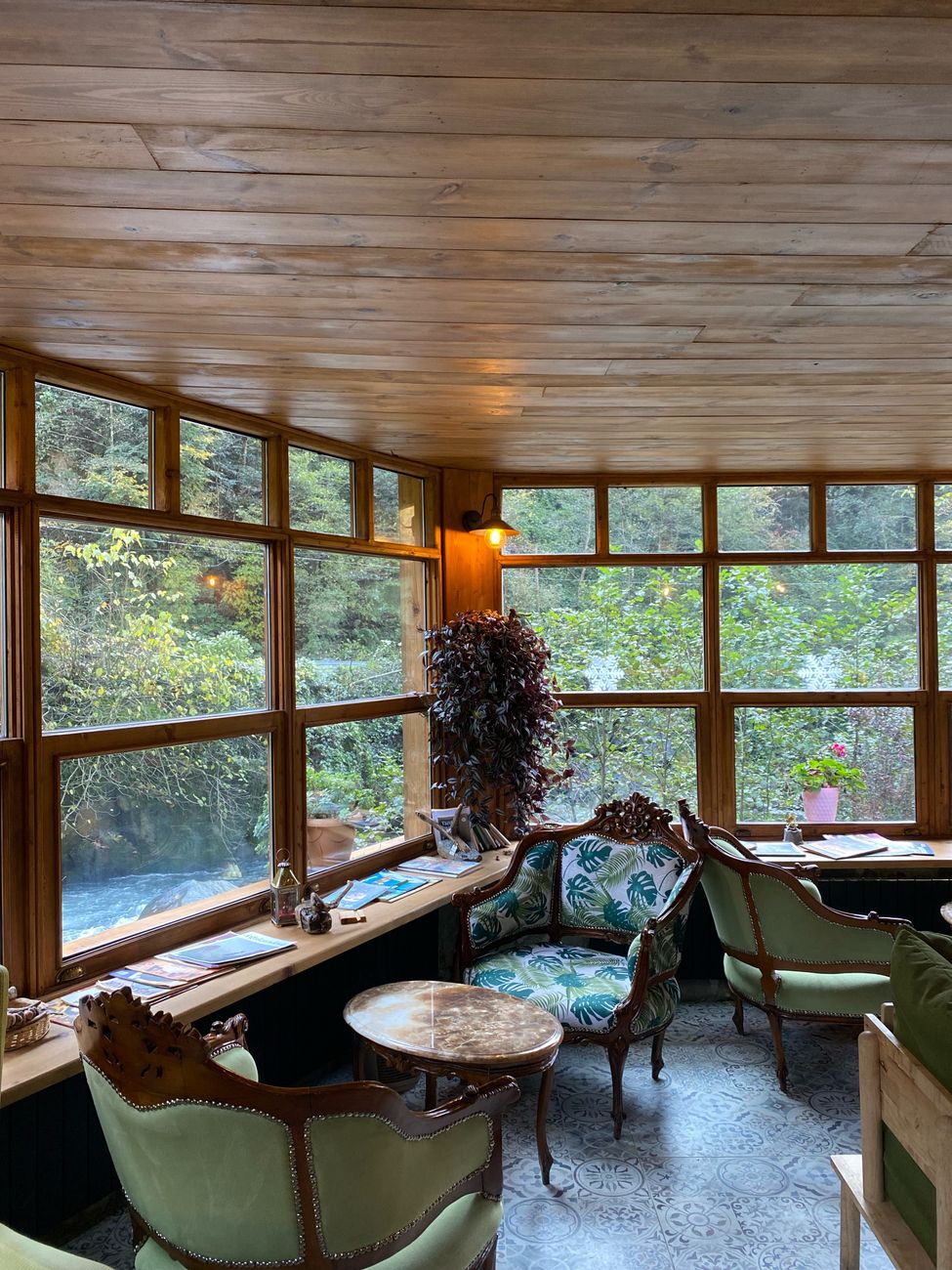
Selecting quality materials ensures your sunroom remains beautiful and durable for many years.
- Vinyl: Affordable, energy-efficient, and requires very little maintenance. Best for: Budget-friendly projects.
- Aluminum: Lightweight, durable, and highly resistant to rust. Best for: Modern designs.
- Wood: Provides outstanding insulation and timeless beauty but requires regular maintenance. Best for: Traditional and farmhouse homes.
- Glass: Energy-efficient double-pane glass keeps your sunroom comfortable while reducing outside noise. Best for: Four-season sunrooms.
- Polycarbonate Roofing: Lightweight, affordable, and highly resistant to weather damage. They allow plenty of sunlight while reducing structure costs.
- Insulated Flooring: Popular, durable choices include luxury vinyl plank (LVP), ceramic tile, engineered hardwood, and laminate. Choose moisture-resistant variations for maximum durability.
How to Build a Sunroom on a Budget
Building a beautiful sunroom doesn’t have to cost a fortune. With proper planning, smart material choices, and careful budgeting, you can create a functional and stylish space. Follow these simple steps to build your dream sunroom without overspending.
Step 1: Define Your Purpose
Before purchasing materials or hiring a contractor, decide how you want to use your sunroom. Whether it will be a lounge, office, dining room, playroom, or garden will directly dictate the structure’s required size, layout, and insulation needs.
Step 2: Set a Realistic Budget
Determine how much you can comfortably invest. Your budget should account for building materials, labor, windows/doors, roofing, flooring, electrical work, furniture, accessories, and permit fees. It’s wise to keep an extra 10–15% aside for unexpected construction expenses.
Step 3: Check Local Building Codes and Permits
Most cities require permits before constructing a permanent sunroom. Before starting, visit your local building authority to review zoning regulations, confirm setback requirements, and obtain all necessary permits to prevent costly legal issues down the road.
Step 4: Choose the Best Location
The orientation of your sunroom greatly affects comfort. A south-facing sunroom receives the most sunlight throughout the day, while an east-facing room is ideal for morning sunshine. Also consider backyard views, privacy, wind direction, and accessibility from the main house.
Step 5: Select Affordable, Durable Materials
Choosing quality materials doesn’t always mean spending more. Good budget-friendly choices include vinyl window frames, aluminum framing, polycarbonate roofing, luxury vinyl plank flooring, and double-pane Low-E windows.
Step 6: Build a Strong Foundation
Every successful sunroom starts with a solid foundation. Common options include a concrete slab, a pier foundation, an existing reinforced patio foundation, or a gravel foundation (meant only for lightweight, non-permanent structures).
Step 7: Install Framing and Windows
Once the foundation is complete, install the framing system and windows. Large windows are the defining feature of every sunroom because they maximize daylight, improve outdoor views, increase ventilation, and make the room feel larger.
Step 8: Add Roofing
Your roof should protect the room while allowing plenty of natural light. Popular choices include an insulated solid roof, polycarbonate roof panels, glass roof systems, or the inclusion of targeted skylights. Proper insulation helps maintain comfortable temperatures throughout the year.
Step 9: Install Comfortable Flooring
Flooring should be durable, moisture-resistant, and easy to maintain. Luxury Vinyl Plank (LVP), ceramic tile, laminate flooring, and engineered hardwood are excellent picks. Add an area rug to create a warm and inviting atmosphere.
Step 10: Improve Insulation and Ventilation
Proper climate control makes your sunroom comfortable in every season. Consider installing ceiling fans, mini-split HVAC systems, quality roof insulation, insulated windows, and tight weather stripping to keep energy costs down.
Step 11: Decorate Your Sunroom
Choose furniture and accessories that reflect your personal style. Incorporate comfortable sofas, indoor plants, wooden coffee tables, throw pillows, cozy blankets, wall art, and warm decorative lighting to tie the room together.
Common Mistakes to Avoid When Building a Sunroom
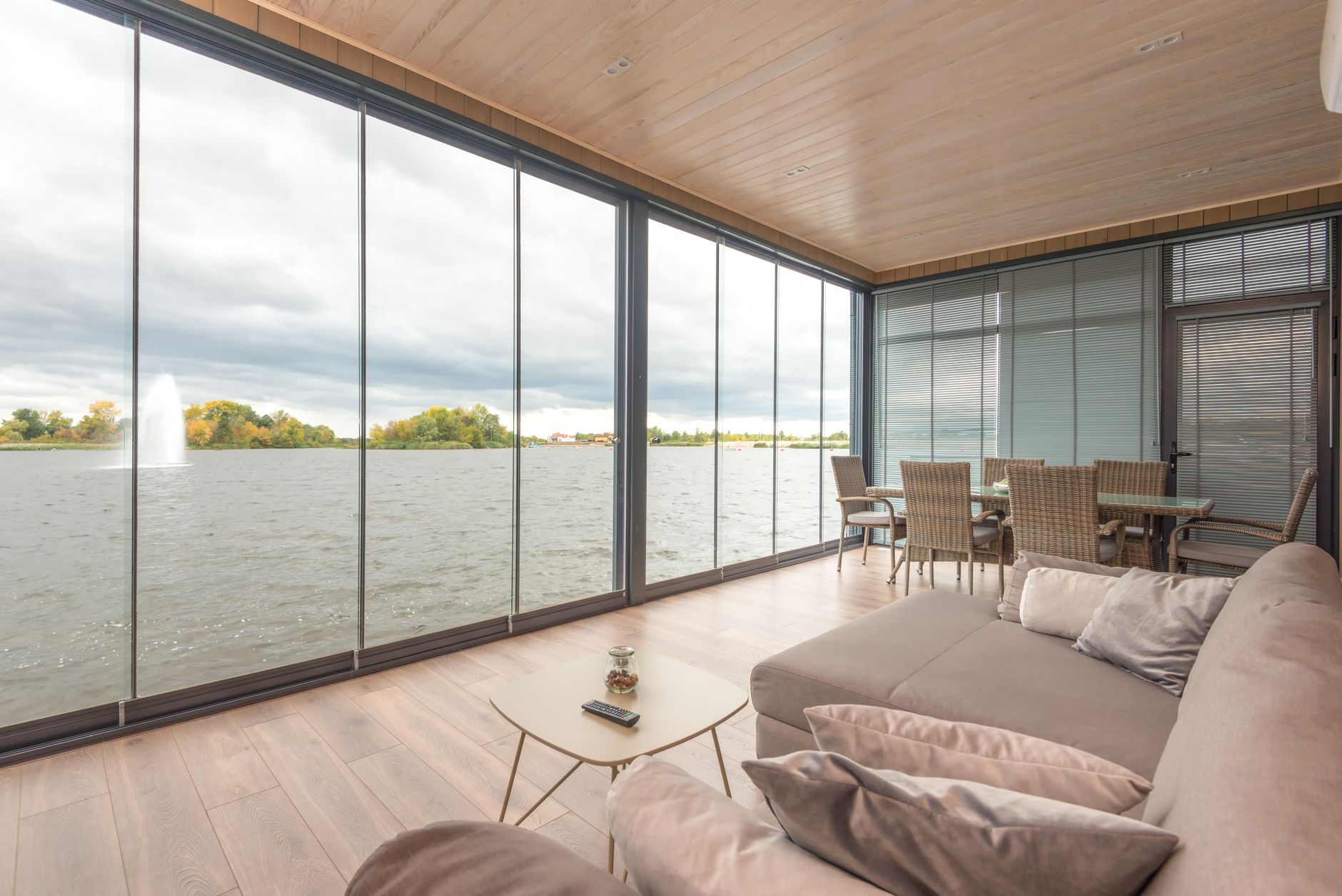
Even a well-planned project can encounter problems if common mistakes are overlooked:
- Ignoring Building Permits: Skipping permits may result in structural safety fines or major complications when selling your home later.
- Choosing Cheap Windows: Low-quality windows reduce insulation performance and drastically increase energy bills. Always invest in energy-efficient glass.
- Poor Ventilation: Without proper airflow, your sunroom will turn into an oven during the summer. Ensure you install ceiling fans or operable windows.
- Poor Insulation: Insufficient wall and roof insulation makes the room unusable during extreme winter or summer months.
- Underestimating the Budget: Hidden costs are incredibly common during construction. Always maintain a contingency fund.
- Overcrowding the Room: Too much furniture defeats the purpose of the space. Keep the layout open, airy, and focused on the view.
- Ignoring Natural Light Direction: Study how sunlight hits your property across different seasons before picking the room’s final location.
Frequently Asked Questions
How much does it cost to build a 12×12 sunroom?
A standard 12×12 sunroom typically costs between $15,000 and $40,000, depending on materials, insulation level, windows, labor, and final interior finishes.
Is building a sunroom cheaper than a home addition?
Yes. In most cases, a sunroom costs significantly less than constructing a traditional home addition because it requires fewer raw framing materials, faster labor timelines, and simpler construction methods.
What is the cheapest type of sunroom?
A three-season sunroom is usually the most affordable option. Converting an existing covered porch using a prefabricated kit can reduce your expenses even further.
Does a sunroom increase home value?
Yes. A professionally built sunroom can increase your home’s curb appeal, provide desirable extra square footage, and improve your property’s overall resale value.
What flooring works best in a sunroom?
Luxury vinyl plank (LVP), ceramic tile, and engineered hardwood are among the best flooring options because they are incredibly durable, moisture-resistant, and easy to clean.
Can I build a DIY sunroom?
Yes, experienced DIY homeowners can safely install prefabricated sunroom kits. However, intricate electrical work, complex roofing tie-ins, and heavy structural modifications should always be handled by a licensed contractor to comply with local building codes.
What is the difference between a three-season and four-season sunroom?
A three-season sunroom is designed for use during spring, summer, and fall, lacking dedicated thermal insulation. A four-season sunroom is fully insulated, tied into the house’s HVAC system (or utilizing a mini-split), and built for year-round comfort.
Final Thoughts
Adding a sunroom is one of the best ways to expand your living space while increasing your home’s beauty and long-term value. Whether you’re dreaming of a peaceful reading nook, a bright home office, an indoor garden, or a stylish entertaining area, there are countless sunroom ideas to match every lifestyle and budget.
By choosing quality materials, planning carefully, and focusing on energy efficiency, you can create a comfortable space that your family will enjoy for years to come. Even small upgrades—such as improved lighting, cozy furniture, and decorative plants—can transform a simple sunroom into your favorite room in the house. Take inspiration from the ideas shared in this guide, plan your project wisely, and create a sunroom that perfectly blends indoor comfort with the beauty of the outdoors.
2 thoughts on “15 Stunning Sunroom Ideas to Transform Your Home on Any Budget (2026 Guide)”