
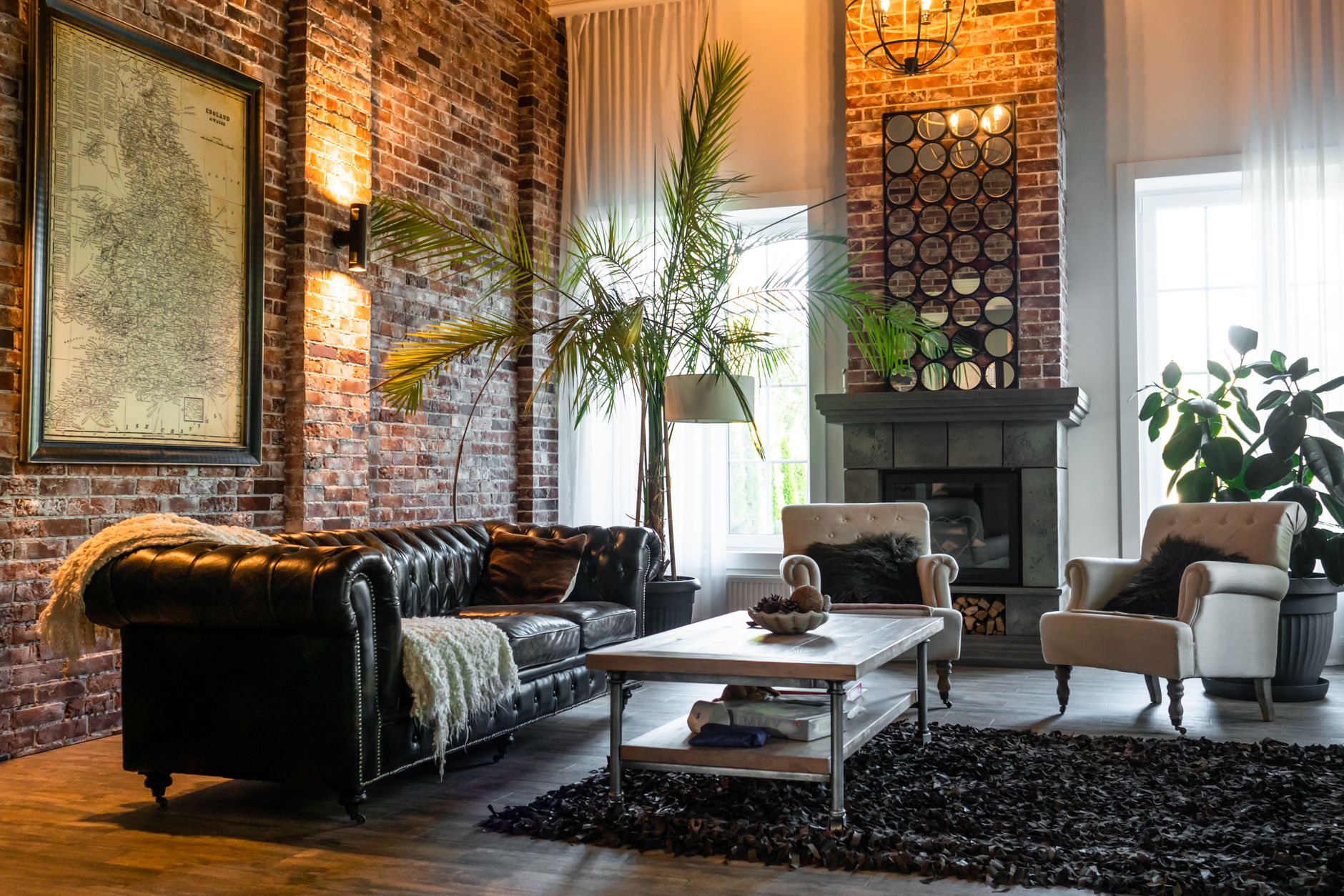
Our homes are more than just physical structures; they are an extension of who we are, a canvas where our personalities, memories, and comfort intersect. Walking into a beautifully curated room can instantly lift your mood, spark creativity, or instill a deep sense of calm. However, achieving that perfect balance of aesthetics and functionality often feels overwhelming. With a dizzying array of aesthetics available today, finding the right look for your home requires a roadmap.
Understanding the various interior design decorating styles is the first step toward transforming any house into a personalized sanctuary. Whether you are moving into a brand-new space or looking to refresh your current home, decoding these design movements helps you make intentional choices. From the sleek lines of metropolitan apartments to the cozy warmth of countryside cottages, the world of design offers something for everyone.
By diving deep into the characteristics, color palettes, and history of iconic looks, you can confidently mix, match, and curate spaces that feel truly authentic. Let’s embark on a comprehensive journey through the definitive interior design decorating styles that continue to shape modern homes across the globe.
1. Traditional Interior Design
The Core Essence
Rooted in 18th and 19th-century European sensibilities, traditional design is all about symmetry, elegance, and historical consistency. It is a timeless aesthetic that favors classic artwork, rich wood tones, and sophisticated architectural details like crown molding and wainscoting.
Key Characteristics
- Symmetry: Rooms are typically arranged in formal layouts where furniture pieces balance each other out (e.g., matching armchairs facing a central fireplace).
- Rich Materials: High-quality woods like mahogany, cherry, and oak dominate the furniture landscape.
- Ornate Detailing: Claw-foot legs, tufted upholstery, and elaborate light fixtures like crystal chandeliers are staples.
Color Palette & Textiles
The traditional color palette is deep, warm, and inviting. Think dark jewel tones, rich burgundies, forest greens, and classic navy balanced by neutral creams or warm beige. Textiles are heavy and luxurious, featuring damask, silk, velvet, and intricate brocades. When reviewing classic interior design decorating styles, traditional design remains the gold standard for formal elegance.
2. Contemporary Design
The Core Essence
A common misconception is that contemporary and modern design are identical. However, contemporary design is completely fluid—it refers to what is popular right now. It borrows elements from various eras, resulting in a look that feels fresh, cutting-edge, and highly adaptive.
Key Characteristics
- Curved and Straight Lines: Unlike the rigid straight lines of mid-century aesthetics, contemporary spaces embrace soft curves alongside clean lines.
- Open Spaces: Open-concept floor plans are highly favored, allowing natural light to flow uninterrupted.
- Focus on Texture: Because the color palette is often restrained, visual interest is created through contrasting textures like polished concrete alongside soft bouclé fabrics.
Color Palette & Textiles
Neutrals rule the contemporary world. White, black, gray, and taupe form the foundation, while bold accent colors are introduced sparingly through large-scale modern artwork or throw pillows. Sustainable, high-quality textiles like linen, wool, and structured cotton are highly preferred. In the evolution of modern living, contemporary aesthetics are among the most dynamic interior design decorating styles available today.
3. Modern Design (Streamlined and Functional)
The Core Essence
Modern design specifically refers to a historical design movement—most notably the Bauhaus and Scandinavian movements of the early-to-mid 20th century. This style operates strictly under the philosophy that “form follows function.” It strips away unnecessary ornamentation in favor of clean, unadulterated spaces.
Key Characteristics
- Lack of Clutter: Modern homes emphasize minimalism, where every object on display must serve a practical purpose or possess significant artistic value.
- Geometric Simplicity: Furniture pieces feature square edges, crisp lines, and low profiles.
- Industrial Materials: Chrome, stainless steel, molded plastic, and plain glass are integrated seamlessly into furniture and architectural elements.
Color Palette & Textiles
The color story is heavily grounded in earthy tones, crisp whites, and grays. Pops of primary colors (like a single canary yellow armchair or a geometric red painting) are sometimes used to break up the monochromatic flow. Fabrics are kept entirely plain, favoring weaves that highlight the structure of the furniture rather than drawing attention to intricate patterns. It stands as a pillar among foundational interior design decorating styles.
4. Mid-Century Modern (MCM)
The Core Essence
Spanning roughly from the late 1940s to the late 1960s, Mid-Century Modern design seamlessly blends nostalgic retro vibes with timeless functionality. This style was born out of a post-WWII desire for forward-thinking, optimistic spaces that could easily accommodate suburban family life.
Key Characteristics
- Organic and Geometric Forms: Furniture is easily recognizable by its gently curved silhouettes and iconic tapered “peg” legs.
- Indoor-Outdoor Fluidity: Large windows, sliding glass doors, and indoor houseplants are used to create a seamless connection with nature.
- Innovative Materials: This era pioneered the residential use of fiberglass, plywood, and laminate alongside traditional teak and walnut woods.
Color Palette & Textiles
MCM is famous for its playful yet sophisticated color palettes. Think mustard yellow, avocado green, burnt orange, and rich teal paired with warm wood tones. Graphic patterns, abstract shapes, and textured wool fabrics dominate the textile scene. For homeowners who love vintage character without giving up clean lines, this ranks among the most celebrated interior design decorating styles.
5. Industrial Design
The Core Essence
Inspired by the conversion of old factories, warehouses, and industrial lofts into residential spaces, industrial design celebrates raw, unfinished elements. It proudly exposes the structural bones of a building that other styles actively try to hide.
Key Characteristics
- Exposed Elements: Brick walls, concrete floors, wooden ceiling beams, and metal ductwork are intentionally left visible.
- Repurposed Elements: Salvaged materials, such as factory gears turned into table bases or reclaimed wood barn doors, add rich historical character.
- High Ceilings and Large Windows: Emulates the vast, airy atmosphere of commercial manufacturing plants.
Color Palette & Textiles
The color scheme is deeply utilitarian, consisting of grays, blacks, metallic tones, and deep wood browns. To prevent the space from feeling cold or uninviting, tactile elements like distressed leather, thick canvas, and faux fur are layered into seating arrangements. Exploring industrial aesthetics reveals how rugged utility can transform into one of the edgiest interior design decorating styles.
6. Minimalist Interior Design
The Core Essence
Taking inspiration from traditional Japanese design and the philosophy of ascetic living, minimalism takes the “less is more” concept to its absolute peak. It is designed to create a sense of profound mental clarity by removing all visual noise from the environment.
Key Characteristics
- Essentialism: Every piece of furniture must have a clear purpose. There are no decorative knick-knacks or purely ornamental features.
- Concealed Storage: Hidden cabinets and built-in wardrobes ensure that daily items are kept entirely out of sight.
- Light as a Feature: Natural light is treated as an architectural material in its own right, bouncing off bare walls to create depth.
Color Palette & Textiles
The palette is famously restrictive, focusing almost exclusively on stark white, soft cream, and subtle gray tones. To keep the space from feeling clinical or sterile, minimalists rely on varying textures—such as a ribbed concrete wall, a rough stone coffee table, or a nubby linen sofa. Minimalism remains one of the most calming interior design decorating styles for busy modern professionals.
7. Bohemian (Boho-Chic)
The Core Essence
Bohemian design is the ultimate antithesis to minimalism. It is a free-spirited, globally inspired aesthetic that completely throws out conventional design rules. It embraces layers of history, culture, and relaxed whimsy to create an atmosphere that feels deeply lived-in and creative.
Key Characteristics
- Maximalist Layering: More is always more. Rugs are layered on top of rugs, and walls are covered in personal art collections, mirrors, and tapestries.
- Botanical Overflow: Houseplants are an absolute necessity, cascading from hanging macramé planters and filling every empty corner.
- Global Accents: Moroccan poufs, Turkish kilim rugs, and Indian block-print fabrics are proudly mixed together.
Color Palette & Textiles
Boho color palettes are rich in warm, earthy tones like terracotta, sienna, ochre, and deep jewel colors. Natural, highly tactile materials like rattan, bamboo, wicker, and distressed wood form the core furniture pieces. If you prefer your home to tell a colorful story of travel and artistic expression, bohemian is the standout choice among interior design decorating styles.
8. Scandinavian Design
The Core Essence
Hailing from the Nordic countries, Scandinavian design focuses on three main pillars: simplicity, functionality, and connection to nature. It is heavily influenced by the concept of hygge—the Danish word for a feeling of cozy contentment and well-being.
Key Characteristics
- Bright and Airy: Because Nordic winters are long and dark, spaces are designed to maximize every drop of available daylight.
- Light-Toned Woods: Ash, beech, and pine are used for floors and furniture to keep the atmosphere feeling light and cheerful.
- Functional Simplicity: Furniture pieces are lightweight, affordable, and incredibly practical, featuring soft, understated lines.
Color Palette & Textiles
The color palette relies on a base of soft whites, pale grays, and muted pastels (like sage green or dusty pink). To introduce the essential element of hygge, spaces are layered with plush sheepskin throws, chunky knit blankets, and organic linen. Scandinavian design continues to be one of the most accessible and universally loved interior design decorating styles worldwide.
9. Coastal and Nautical Design
The Core Essence
Coastal design captures the breezy, sun-drenched feeling of a luxury beach house. It avoids the literal clichés of seashell-patterned plastic decor, focusing instead on capturing the natural textures, colors, and relaxed atmosphere of the shoreline.
Key Characteristics
- Abundant Natural Light: Large, unobstructed windows covered in sheer, flowing drapes that dance in the breeze.
- Organic Materials: Jute rugs, seagrass baskets, weathered driftwood, and distressed painted finishes dominate the space.
- Relaxed Furniture: Oversized, slipcovered sofas invite people to sit down and relax without worrying about tracking in sand.
Color Palette & Textiles
The palette draws inspiration directly from the ocean and sand: crisp whites, seafoam greens, sky blues, sandy beiges, and deep navy accents. Fabrics are exceptionally breathable, relying heavily on pure linen and structured cotton. Among seasonally inspired interior design decorating styles, coastal design offers a permanent vacation vibe inside your own walls.
10. Rustic and Farmhouse Style
The Core Essence
Rustic and modern farmhouse designs celebrate the beauty of rugged, unpolished nature and rural heritage. While traditional rustic design leans heavily into dark, cabin-like features, the modern farmhouse variant lightens the aesthetic up for a fresher, family-friendly look.
Key Characteristics
- Reclaimed Wood: Massive ceiling beams, sliding barn doors, and dining tables made from salvaged barn wood act as beautiful focal points.
- Wrought Iron Accents: Matte black hardware, light fixtures, and window frames provide a sharp contrast to warm wood tones.
- Vintage Utility: Elements like deep apron-front fireclay sinks, open shelving, and antique milk jugs add authentic country charm.
Color Palette & Textiles
The colors are cozy, featuring cream bases, soft grays, and warm taupes, accented by charcoal or deep forest green. Textiles focus on durability and classic comfort—plaid patterns, gingham, ticking stripes, and heavy burlap are paired with soft quilted blankets. For a comforting, family-centric home, these classic interior design decorating styles are hard to match.
11. Transitional Style (The Perfect Blend)
The Core Essence
If you find yourself torn between the elegant warmth of traditional design and the clean lines of contemporary design, transitional style is your ideal match. It expertly bridges the gap between old and new, creating a balanced space that feels current yet profoundly timeless.
Key Characteristics
- Balanced Furniture: A transitional living room might feature a classic rolled-arm sofa paired with a sleek, geometric glass-and-steel coffee table.
- Limited Patterning: To keep the focus on the harmonious blend of furniture silhouettes, busy patterns are kept to an absolute minimum.
- Understated Elegance: Rooms look highly polished but remain comfortable and approachable for everyday living.
Color Palette & Textiles
The color scheme is heavily monochromatic and neutral, utilizing variations of taupe, cream, chocolate brown, and gray. Textures are used to add quiet luxury—think smooth leathers, rich chenille, corduroy, and soft cotton blends. Transitional design remains one of the most versatile interior design decorating styles for couples with contrasting tastes.
12. Eclectic Design
The Core Essence
Eclectic design is often misunderstood as a chaotic “free-for-all,” but true eclectic spaces require careful curation. It is the art of mixing elements from entirely different time periods, cultures, and design movements while ensuring the final composition looks unified and intentional.
Key Characteristics
- Juxtaposition: Placing an ultra-modern neon sign directly above an antique Victorian fireplace mantle is a classic eclectic choice.
- A Common Thread: The room is kept from looking messy by utilizing a unifying element—such as a cohesive color palette or a repeated shape throughout the decor.
- Expressive Gallery Walls: Curating a massive wall of diverse art frames featuring everything from fine oil paintings to comic book pop art.
Color Palette & Textiles
There are no strict limits on the color palette, though most designers recommend picking one grounding neutral and two or three bold accent colors. Fabrics run the gamut from vintage silks to rugged leathers and Moroccan weaves. In the grand spectrum of interior design decorating styles, eclectic design offers the highest level of creative freedom for confident decorators.
How to Discover and Choose Your Personal Style
Navigating through these diverse options can feel overwhelming. To find out which look resonates deeply with you, try implementing these practical steps:
Create a Digital Mood Board
Gather images of rooms that instantly capture your eye without overthinking the process. After collecting 30 to 40 images, review them as a whole. You will quickly notice recurring themes—whether it’s a preference for light woods, clean minimalist layouts, or vibrant bohemian layers.
Look to Your Wardrobe
The clothes you wear are an excellent indicator of your design preferences. If your closet is filled with structured, neutral tailoring, you will likely feel most at home in a modern, minimalist, or transitional environment. If you favor flowing, colorful fabrics, a bohemian or eclectic style might suit you best.
Consider the Architecture of Your Home
While you can technically implement any look anywhere, working with your home’s natural architecture yields the most harmonious results. An ultra-sleek modern layout can feel jarring inside a historic 1920s craftsman bungalow, whereas a transitional or traditional look would feel effortless.
| Style | Best For | Dominant Material | Atmosphere |
| Traditional | Lovers of antiques & symmetry | Polished Mahogany/Oak | Formal & Elegant |
| Minimalist | Those seeking mental clarity | Concrete, Glass, Stone | Serene & Ordered |
| Boho-Chic | Artistic, free-spirited travelers | Rattan, Wicker, Plants | Warm & Whimsical |
| Industrial | Loft apartments & urban spaces | Brick, Iron, Concrete | Edgy & Raw |
| Scandinavian | Coops, apartments & small spaces | Light Pine, Wool, Linen | Cozy & Functional |
Conclusion
Every design movement offers a distinct perspective on how to structure our living environments to improve our daily quality of life. Whether you lean toward the quiet restraint of a minimalist loft or the rich, historical comfort of a traditional estate, there are no wrong choices.
Ultimately, the best spaces ignore rigid boundaries. By understanding the foundational rules of these interior design decorating styles, you gain the confidence to bend them to your own preferences. Invest in high-quality foundation pieces, layer textures mindfully, and let your home evolve naturally over time into a beautiful reflection of your unique life journey.