
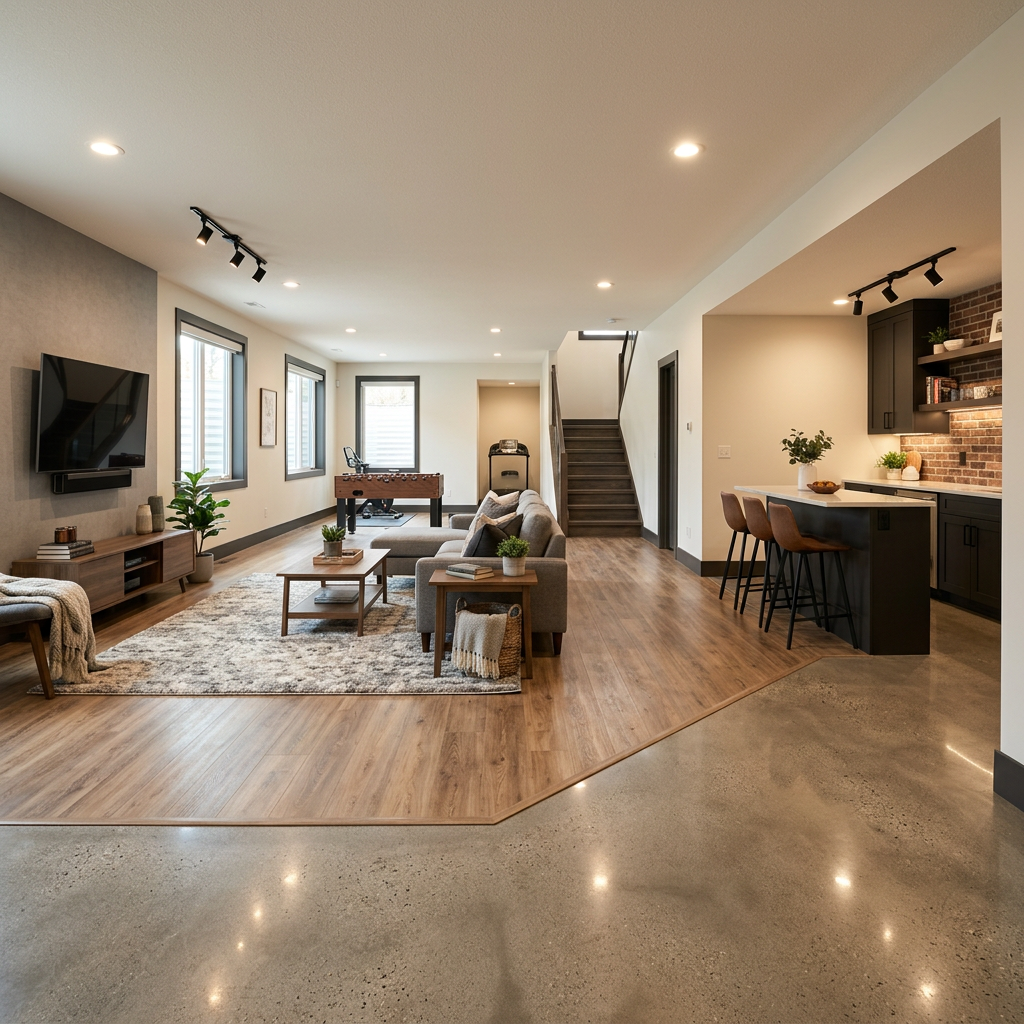
If you want to turn your basement into a family room, a home office, or a guest suite, you need to plan carefully. The basement is fundamentally different from the rest of your house because it is located below grade. This means it can naturally be highly humid, damp, and cold. Because of these environmental challenges, exploring your options for basement floor ideas and choosing the right foundation is the most critical step of your remodel.
Below-grade surfaces need to be specialized because they are underground. The concrete floor in your basement acts like a sponge, constantly absorbing microscopic moisture from the soil around it. This can cause severe structural problems if you install the wrong kind of flooring on top of it, leading to warping, buckling, or toxic mold growth.
To protect your investment, you need to carefully evaluate what your lower level will be used for, what your budget looks like, and what kind of interior style you prefer.
Top 10 Flooring Options for Below-Grade Spaces
1. Luxury Vinyl Plank and Tile (LVP/LVT)
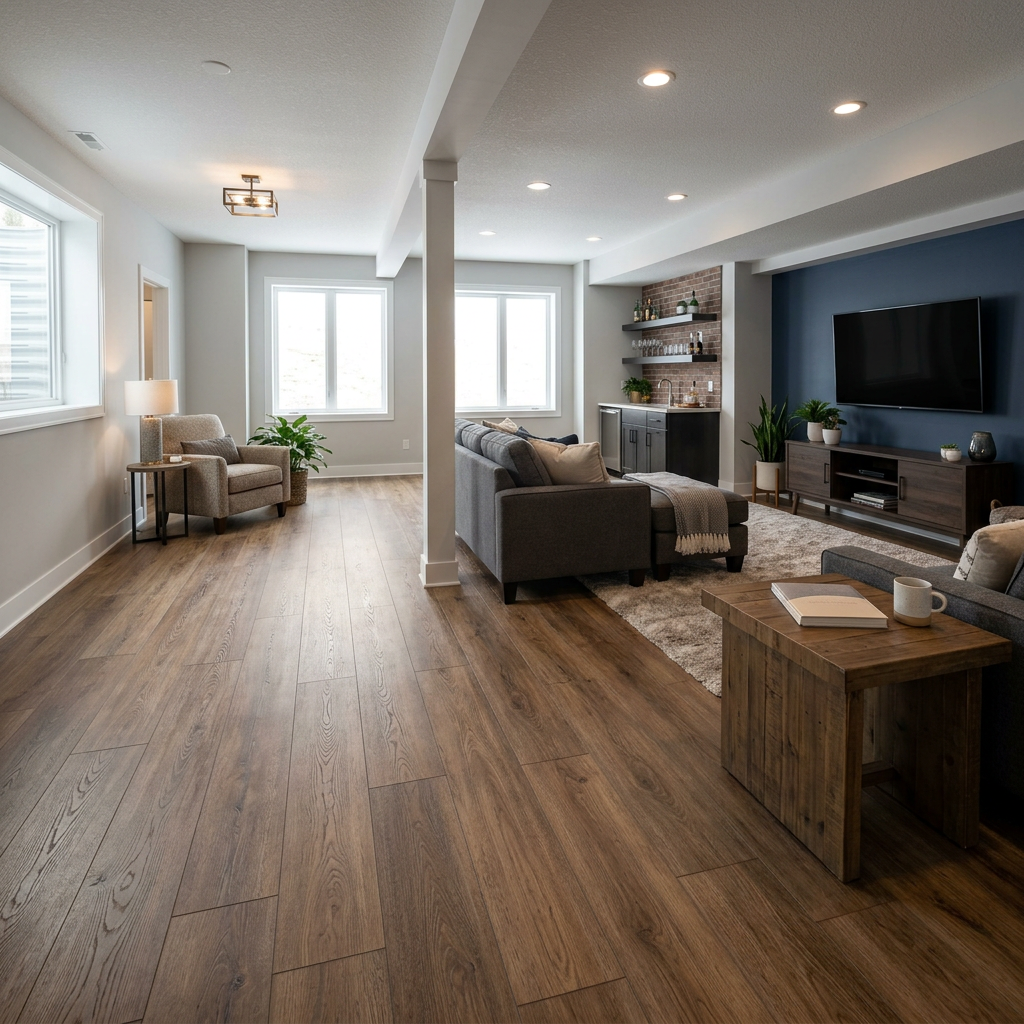
Luxury vinyl is an exceptional option for lower-level renovations. It is entirely waterproof, budget-friendly, and looks highly high-end. It comes in thousands of different styles, ensuring you can choose a look that perfectly fits your personal taste.
- Waterproof Core: Luxury vinyl is manufactured with a rigid core that keeps it from swelling, warping, or cracking when exposed to damp environments.
- Aesthetic Variety: You can purchase luxury vinyl that realistically mimics the texture of hardwood, natural stone, or even modern polished concrete.
- Easy Installation: Most brands feature an interlocking click-lock system, making it easy to install as a floating floor that feels soft and warm underfoot.
2. Engineered Hardwood Flooring
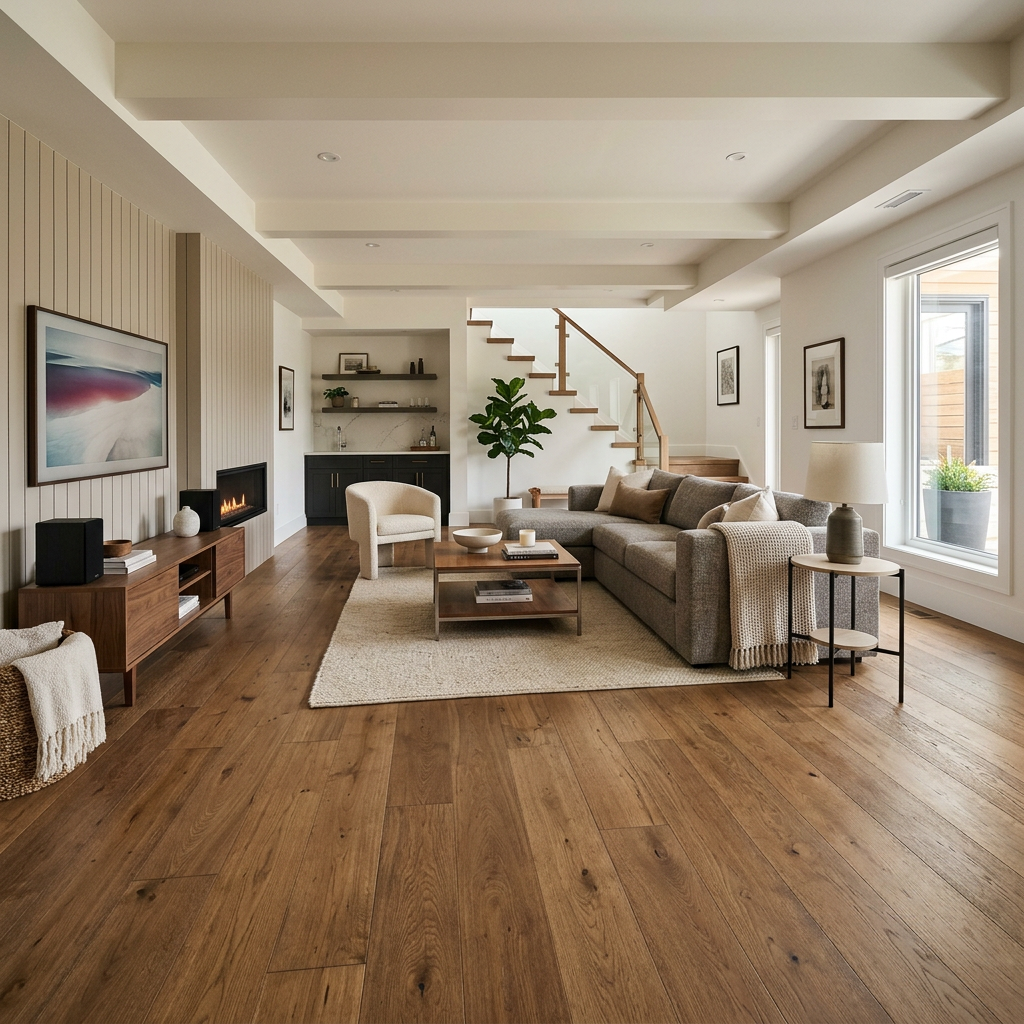
Some homeowners love the unmatched visual appeal and premium feel of real wood floors. Engineered hardwood is a brilliant alternative for basements because it is specifically structurally modified to handle moisture fluctuations.
- Cross-Grain Construction: It is built with layers of real wood veneer stacked in opposing directions. This cross-grain layout helps the planks stay perfectly flat rather than warping or splitting when humidity shifts.
- Vapor Protection: However, engineered hardwood is not entirely waterproof. You must install a proper underlayment vapor barrier beneath it to protect the wood from subfloor moisture.
3. Polished, Stained, or Painted Concrete
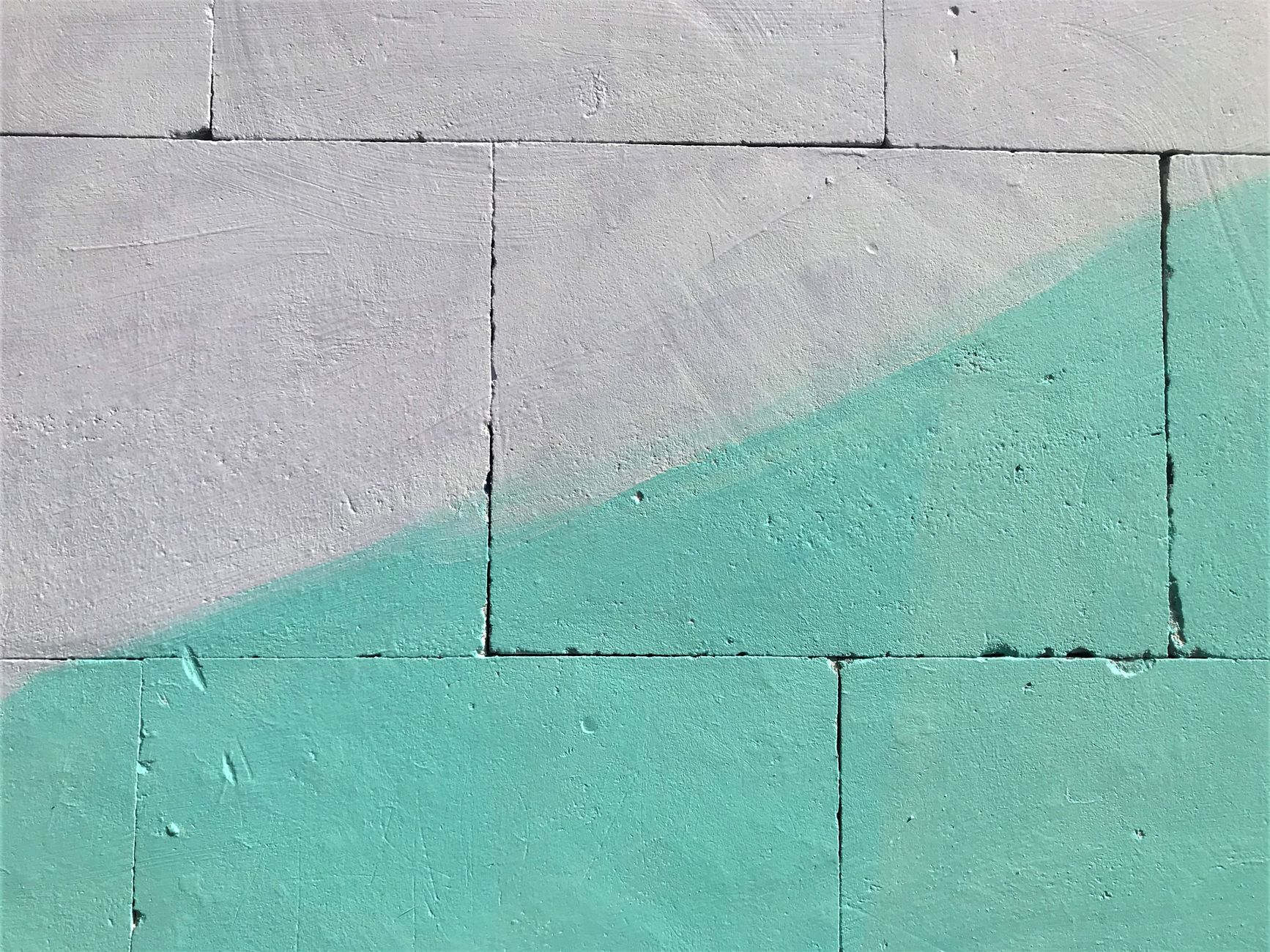
You can also choose to utilize the concrete slab you already have and transform it into a striking design feature. This is one of the most sustainable and industrial basement floor ideas available.
- Polished Concrete: Polishing raw concrete grinds it down to smooth away imperfections, making it shine beautifully like glass. It is virtually indestructible and incredibly easy to clean.
- Stained Concrete: Applying an acid or water-based stain gives the slab a warm, variegated color depth that mimics high-end natural stone or marble.
- Painted Concrete: You can also apply a heavy-duty concrete paint if you want an affordable, uniform pop of solid color.
4. Ceramic and Porcelain Tile
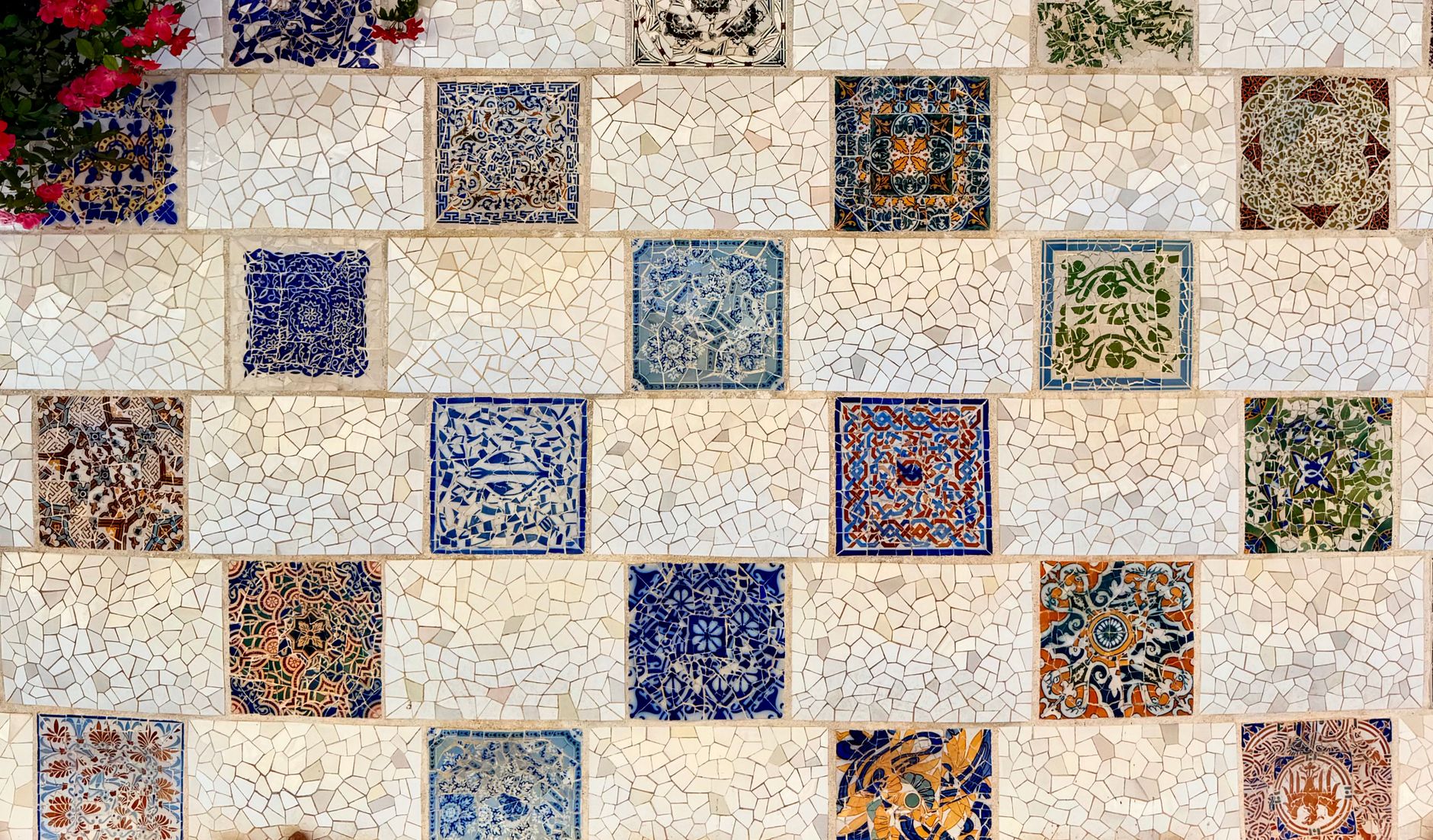
Tile is an absolute classic choice for damp spaces. It is entirely waterproof, highly durable, and incredibly easy to wipe clean.
- Porcelain Superiority: Porcelain tile is always the best choice for basements because it is denser and far more water-resistant than standard ceramic.
- Wood-Look Varieties: You can purchase wood-look tile planks if you want the visual warmth of real timber without any of the water damage worries.
- Radiant Warmth: You can easily install electric radiant heating coils beneath your tile floor to turn a cold room into a warm, cozy oasis.
5. Epoxy and Polyaspartic Coatings
Epoxy coatings are incredibly strong, chemical-resistant, and durable. They can quickly make your raw concrete floor look shiny, seamless, and entirely new.
- Molecular Bonding: Epoxy is a multi-part liquid resin that bonds to the concrete subfloor on a molecular level, preventing it from peeling or scratching easily.
- Custom Finishes: You can add decorative color vinyl flakes or metallic pigments to your liquid epoxy coating to create breathtaking, custom patterns.
6. Carpet Tile and Low-Pile Carpeting
Many homeowners prefer a soft surface underfoot, especially if they are mapping out basement floor ideas for a kids’ playroom or a cozy home theater.
- Breathable Carpet Tiles: Modular carpet tiles are a smart choice because they are simple to install and maintain. They feature breathable backings that prevent moisture from becoming trapped underneath.
- Easy Maintenance: If you spill a drink or experience a localized leak, you can simply lift up the individual stained carpet tile, clean it in the sink, or replace it with a new one.
7. Sheet Vinyl Flooring
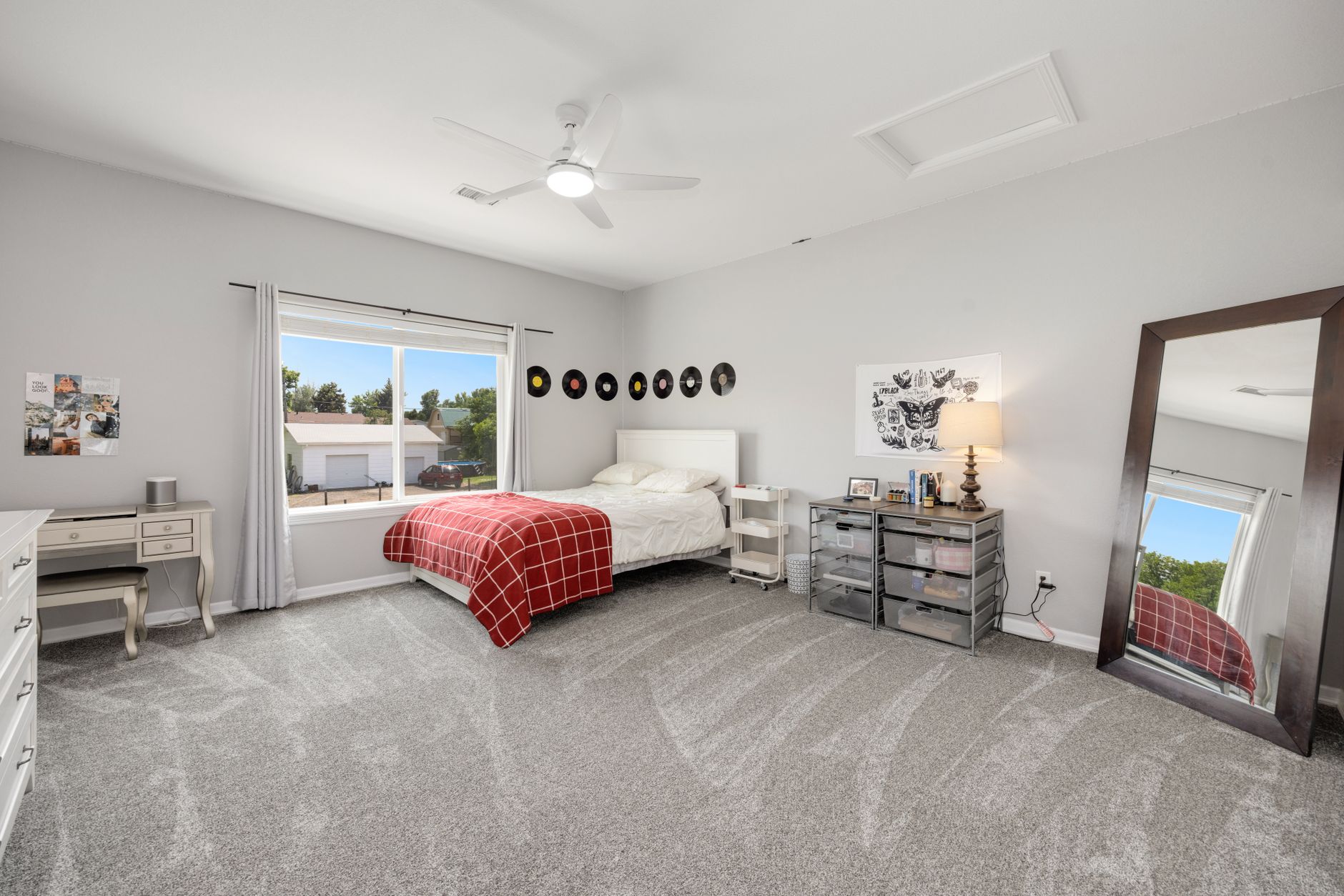
For property owners who want to finish a large area quickly and economically without completely giving up on style, modern sheet vinyl is an excellent choice. It is highly affordable, functional, and performs well against everyday wear and tear.
- Continuous Moisture Protection: The absolute best thing about sheet vinyl is that it comes in massive rolls, usually 12 feet wide. This allows you to lay down the flooring in small to medium-sized spaces with absolutely no seams. Without seams, water cannot penetrate the edges and ruin the adhesive underneath.
- Cushioned Comfort: Modern fiberglass-backed sheet vinyl is thick and comfortable. It is a major upgrade over the brittle, paper-backed vinyl of the past, helping to reduce noise and isolate your feet from the cold subfloor.
8. Rubber Flooring
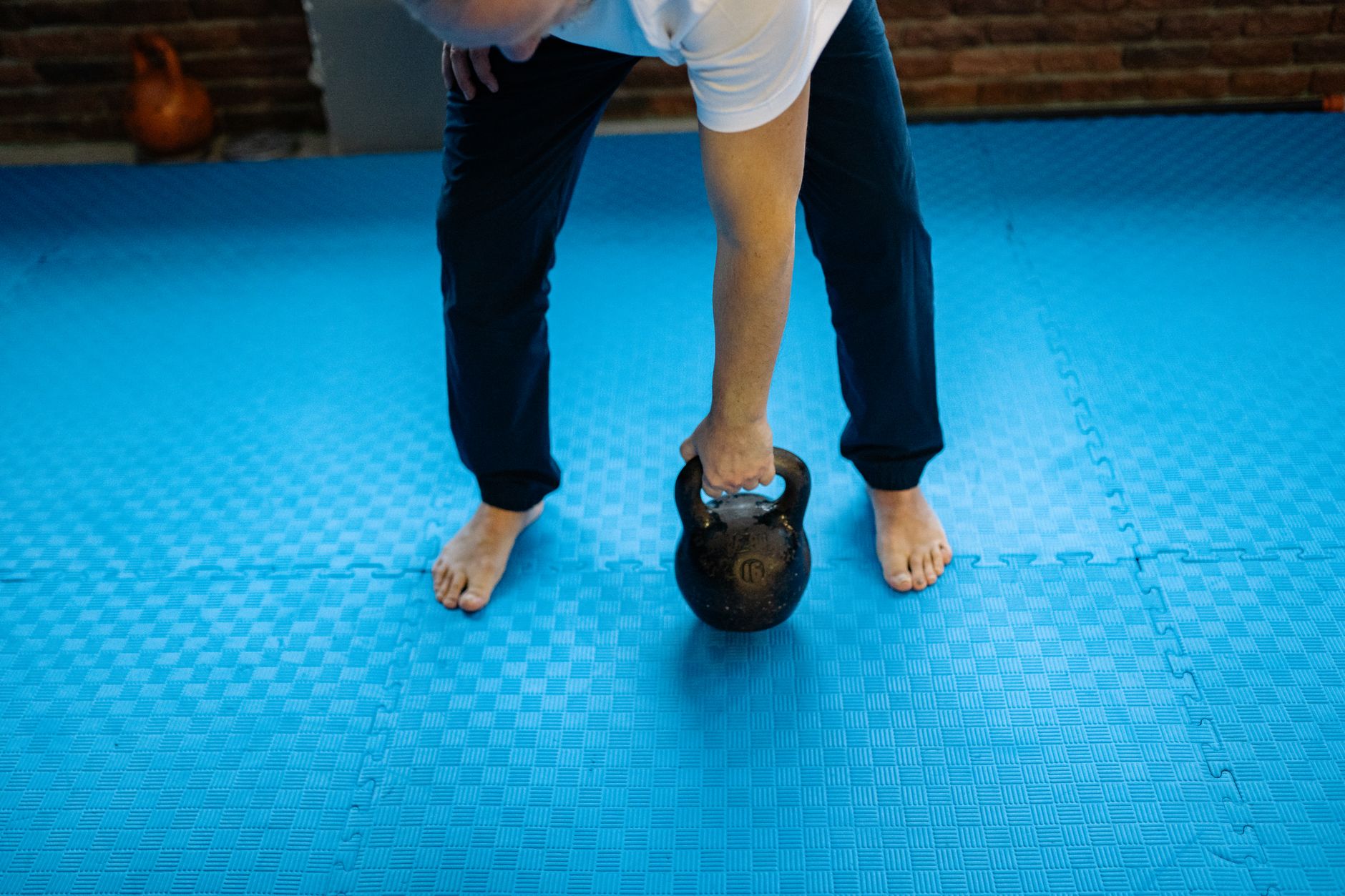
If you plan to convert your lower level into a high-performance home gym, a martial arts studio, or a heavy-duty workshop, rubber is the ultimate choice.
- Impact Absorption and Safety: Rubber is unparalleled at absorbing heavy shock, deadening sound, and protecting your joints. If you drop heavy weights, the rubber shield will prevent the concrete underneath from cracking.
- Easy Interlocking Installation: Rubber flooring comes in interlocking puzzle tiles that fit together seamlessly without any messy glues, tapes, or professional tools. The heavy weight of the tiles keeps them firmly locked in place.
9. Cork Flooring
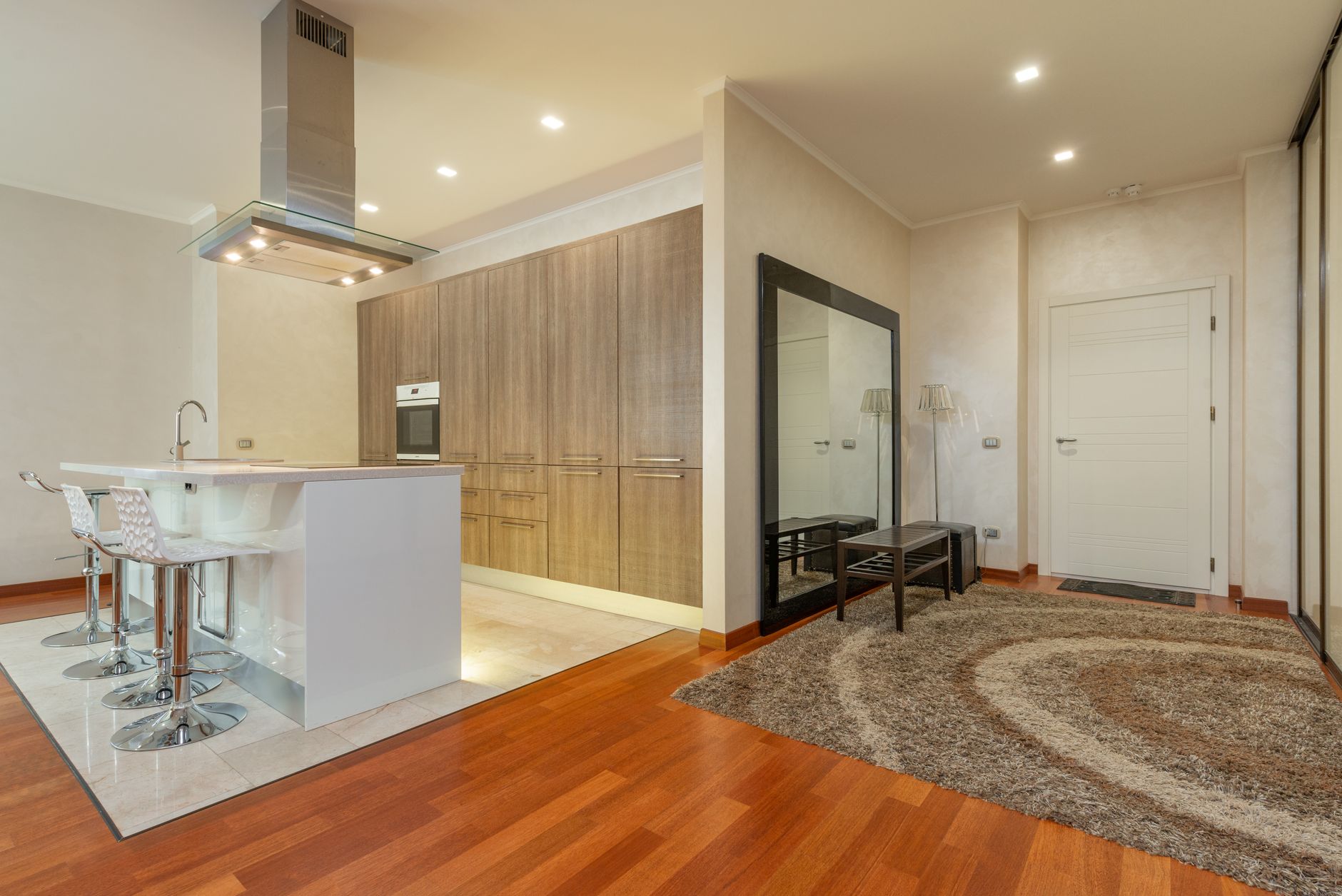
Cork is a brilliant alternative for flooring because it is highly sustainable, entirely natural, and eco-friendly. It is harvested harmlessly from the bark of living cork oak trees.
- Natural Insulation: Cork acts as a phenomenal thermal insulator because its cellular structure houses millions of microscopic air pockets, keeping the room warm. Furthermore, cork inherently contains a natural fatty substance called suberin, which actively prevents toxic mold and mildew from growing.
10. Laminate Flooring with a Waterproof Core
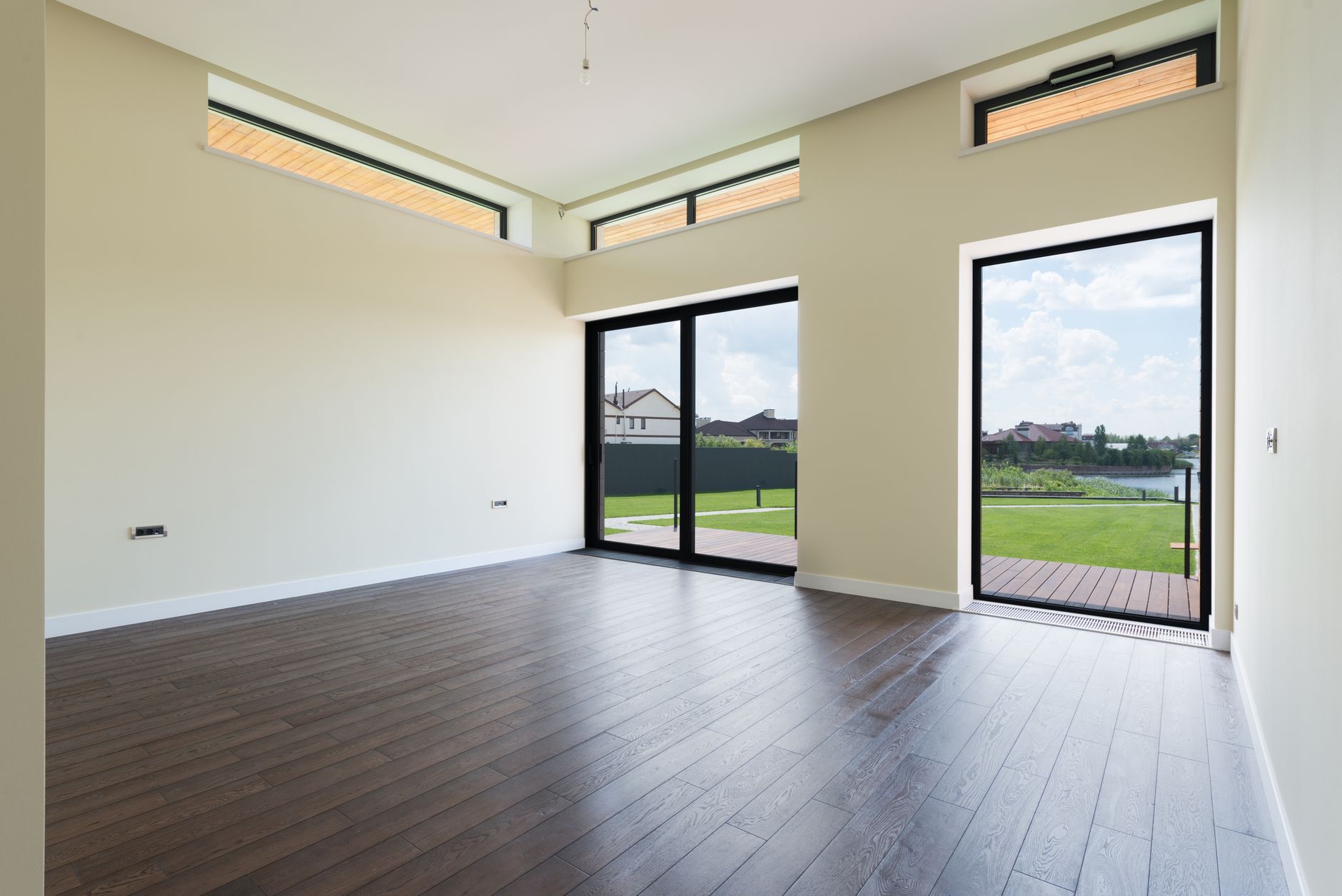
While traditional laminate flooring used to swell up like a sponge at the slight hint of water, modern technological advancements have completely fixed this issue.
- Hydrophobic Protective Layers: Newer laminate options feature highly compressed cores wrapped in hydrophobic edge seals. This gives you plenty of time to clean up top-down spills. However, you still must install a high-quality underlayment vapor barrier underneath to prevent dampness from rising up from the ground.
Crucial Subfloor Prep and Vapor Barriers
No matter what kind of unique design elements you choose, you must prepare the concrete subfloor correctly. Skipping this critical step will cause almost any floor covering to fail prematurely.
The Plastic Sheeting Moisture Test
Before purchasing materials or starting installation, you must test your slab for hidden dampness. Cut a square piece of clear plastic sheeting, tape all the edges down tightly to your bare floor with heavy duct tape, and leave it completely undisturbed for 48 to 72 hours. Check the plastic afterward; if you notice condensation or darkened concrete, you must lay down a heavy-duty vapor barrier or a raised subfloor tile system before installing your floor.
Subfloor Preparation Checklist
+-----------------------------------------------------------------+
|                    SUBFLOOR PREPARATION CHECKLIST               |
+-----------------------------------------------------------------+
| [ ] Complete the 72-hour plastic sheet moisture test.           |
| [ ] Grind down high concrete spots and patch open cracks.       |
| [ ] Apply a premium liquid moisture vapor barrier if required.  |
| [ ] Lay down heavy-duty underlayment or raised subfloor panels. |
+-----------------------------------------------------------------+
Achieving a Perfectly Level Surface
Concrete slabs are rarely perfectly flat. They naturally have high crests and low dips that can ruin floating click-lock joints over time. Use a long level or a tight string line to check the flat surface. Grind down high spots with a concrete sander, and fill any low depressions with a polymer-modified self-leveler.
Designing an Aesthetic lower Level
When you are transforming a subterranean space into an inviting living area, you must account for the lack of natural sunlight. Basements can easily look dark and cave-like, so choosing materials that maximize light is vital.
Balancing Light and Warmth
If your ceiling height is low or your windows are small, focus on lighter-colored basement floor ideas like light oak vinyl or cream tiles. This reflects artificial light around the room, making it feel substantially larger. Choose light wall paints and matching trim to create a cozy, cohesive aesthetic.
Smart Budgeting Strategies
Renovating a home can get expensive quickly, but making smart material choices ensures it is well worth the investment. Do not simply look at the upfront cost per square foot; factor in the longevity of the material. Paying a little bit extra for a durable, completely waterproof floor today will save you thousands of dollars in replacement costs if you ever experience a minor plumbing issue down the road.
Frequently Asked Questions (FAQs)
What is the best waterproof material among various basement floor ideas?
Luxury Vinyl Plank (LVP) and porcelain tile are widely recognized as the absolute best waterproof choices. They are constructed out of synthetic or dense inorganic materials that cannot absorb liquids, ensuring they will never warp, cup, or rot.
Can I put solid hardwood flooring directly on a concrete slab?
No, this is highly discouraged. Solid hardwood is extremely sensitive to moisture and humidity changes. Because concrete naturally transmits ground vapor, solid wood planks laid directly over it will quickly buckle and split.
How can I make my concrete floor feel warmer underfoot?
You can dramatically increase thermal comfort by installing a raised subfloor system (like Dricore panels) or a thick, high-density acoustic underlayment before laying down your flooring. Utilizing electric radiant floor heating under tile is also an excellent option.
What are the cheapest basement floor ideas for a tight budget?
If you want to finish your space affordably, your best options are to apply a durable concrete stain or paint directly to your slab, use peel-and-stick vinyl tiles, or put down interlocking foam mats.
Do I absolutely need a vapor barrier under my flooring?
Yes, in almost all circumstances. Concrete is porous and naturally releases moisture vapor. A high-quality underlayment or vapor barrier is mandatory to prevent that moisture from getting trapped beneath your finished floor and creating mold.
Can I use standard carpet padding in my basement?
No, using standard open-cell foam padding below grade is a bad idea because it acts like a sponge, trapping dampness and breeding mildew. Instead, use low-pile carpet tiles built with specialized, breathable synthetic backings.
Conclusion
Turning an unfinished lower level into a vibrant living area is a fantastic way to maximize your home’s square footage and significantly add value to your property. By exploring a diverse range of basement floor ideas—stretching from the premium look of engineered hardwood to the bulletproof waterproofing of luxury vinyl—you can easily find a style that matches your layout needs. Just remember to prioritize subfloor preparation, protect your investments with a quality vapor barrier, and choose materials built to handle moisture. With the right floor in place, you can comfortably enjoy your cozy new space for decades to come.
3 thoughts on “10 Best Basement Floor Ideas for a Stylish, Moisture-Proof Remodel”