
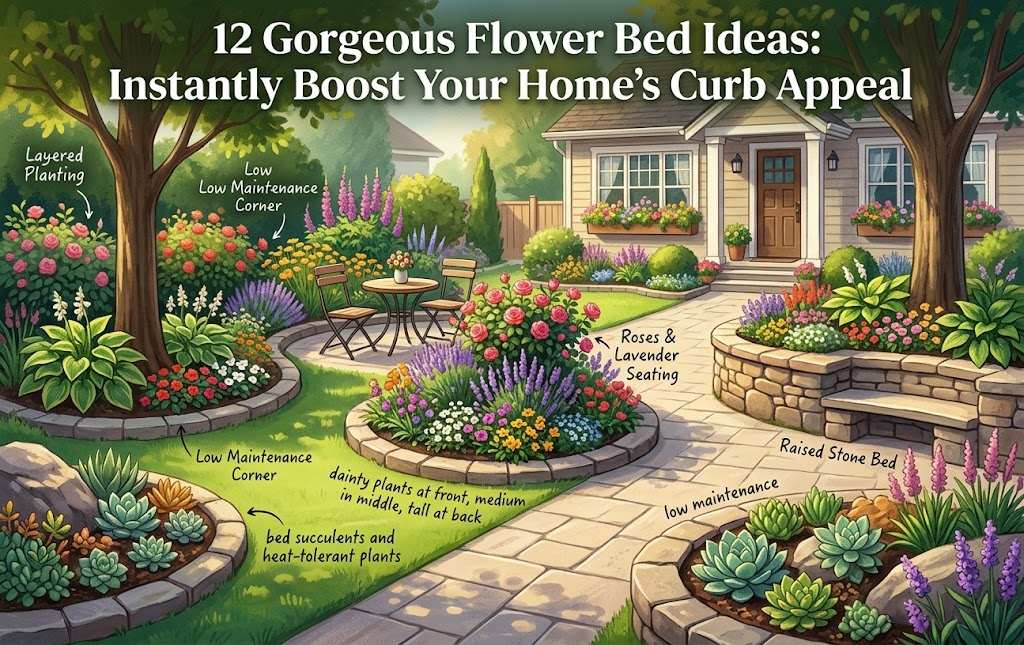
Exploring creative flower bed ideas can completely change how your yard looks by adding color, texture, and visual interest. Whether you have a sprawling backyard or a small front yard, well-thought-out flower bed ideas can make your outdoor space feel more welcoming. You can build structured borders, elevated raised beds, or a relaxed cottage-style garden—the possibilities are truly endless.
A beautiful garden does not have to cost a fortune or require a professional landscaper. With thoughtful planning regarding plant choices and placement, you can execute flower bed ideas that look stunning throughout the seasons. The key is to evaluate how much sunlight the area receives, assess your soil type, and establish a clear vision for your outdoor landscape.
In this comprehensive guide, we will showcase 20 practical flower bed ideas alongside expert tips on how to plan, plant, and maintain your garden.
Why Add a Flower Bed to Your Yard?
Implementing strategic flower bed ideas is a wonderful way to add personality and structure to your outdoor space. They can highlight architectural features of your house, define lawn edges, or serve as a vibrant centerpiece.
Incorporating flower bed ideas into your landscaping offers numerous benefits:
- Enhances your home’s overall curb appeal
- Clearly defines distinct functional zones within your garden
- Attracts bees, butterflies, and other beneficial pollinators
- Delivers continuous, multi-season color to your landscape
- Softens hard surfaces like stone patios, retaining walls, and walkways
- Draws focus toward mature trees and ornamental shrubs
- Creates the illusion of depth in compact garden spaces
- Establishes a warm, inviting outdoor environment
Whether you prefer formal, symmetrical borders or casual, naturalistic drifts, your flower bed ideas should reflect your personal taste and complement the architectural style of your home.
20 Creative Flower Bed Ideas for Every Yard
1. Curved Flower Bed
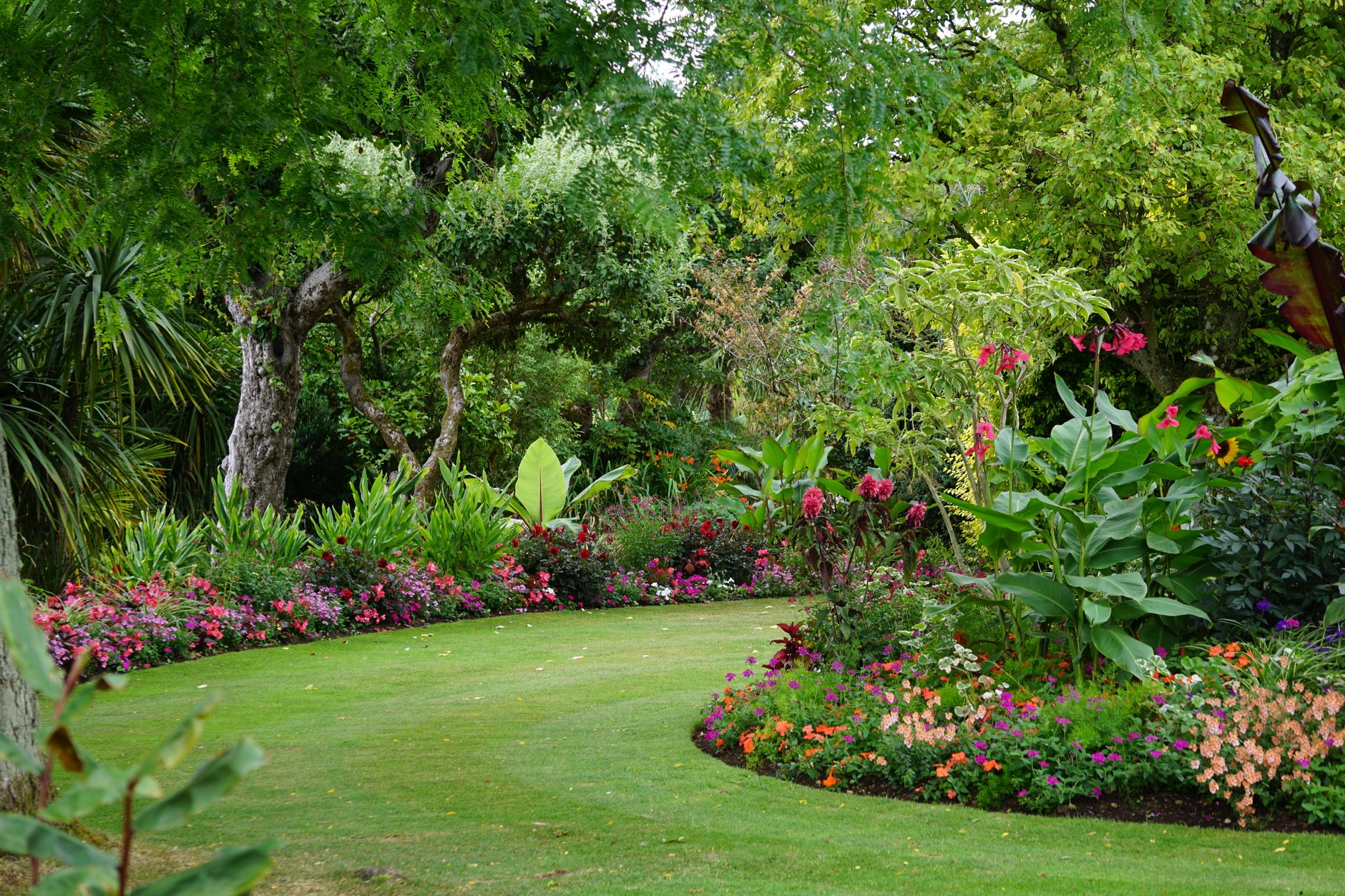
Curved designs create a softer, more fluid look than straight borders. Instead of rigid lines, sweep gentle curves around your lawn, walkway, or patio to make your yard feel dynamic and draw the eye across the landscape. Define the edge with brick, stone, or metal edging for a polished finish.
2. Raised Flower Bed
Raised designs are both practical and visually appealing. Elevating your soil bed makes gardening easier on your back and provides complete control over soil quality and drainage. You can construct raised beds using cedar boards, natural stone, stackable concrete blocks, or brick.
3. Cottage-Style Flower Bed
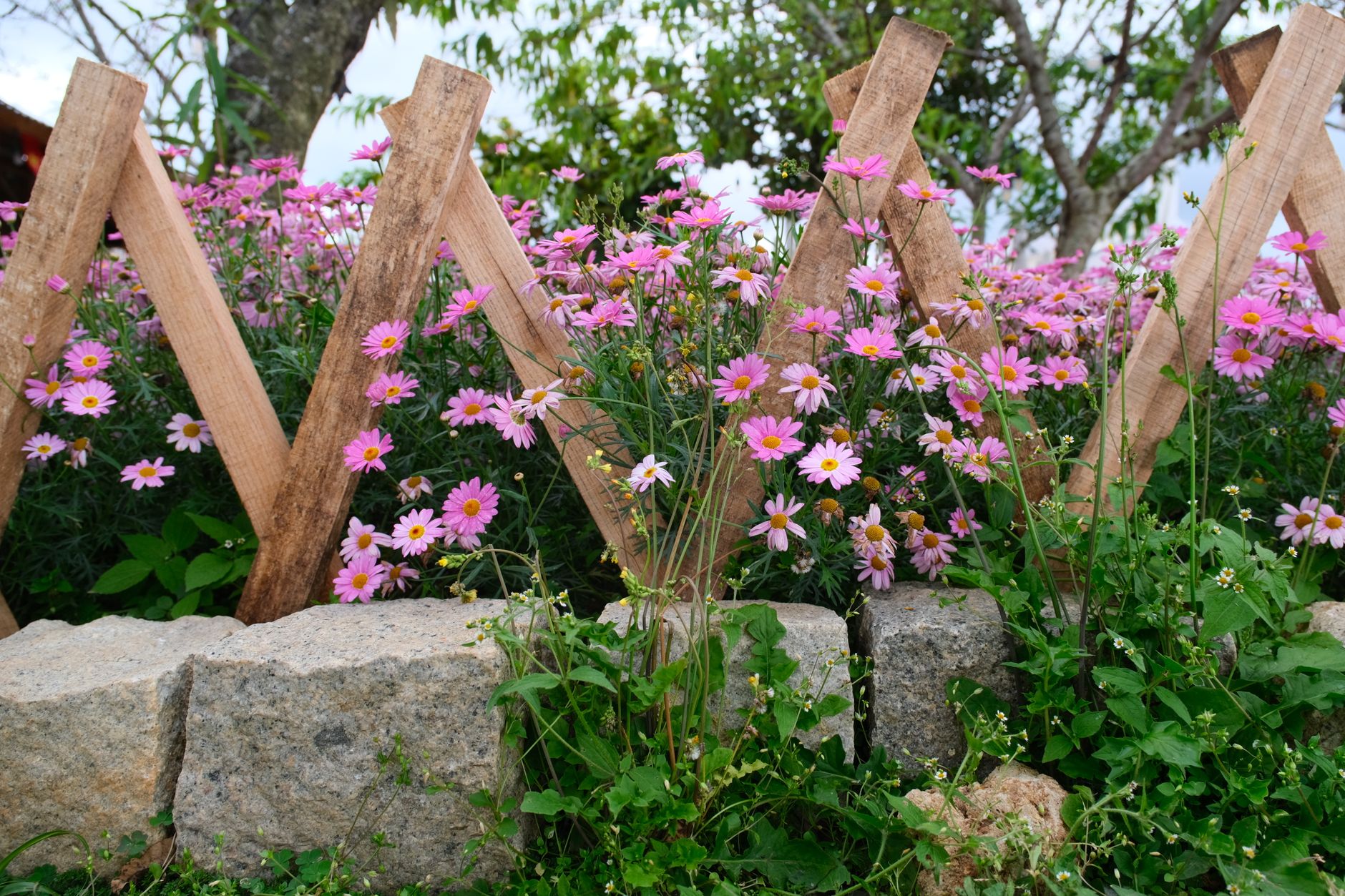
Cottage gardens are famous for their lush, overflowing aesthetic. Rather than arranging plants in strict rows, mix flowering perennials, annuals, and herbs of varying heights, textures, and colors to build a relaxed, charming garden space.
4. Modern Minimalist Flower Bed
If you prefer a sleek, contemporary aesthetic, look for minimalist flower bed ideas. Stick to a restrained color palette, select clean-lined structural plants, and repeat a few specific plant varieties to create a cohesive, orderly presentation.
5. Front Yard Flower Bed
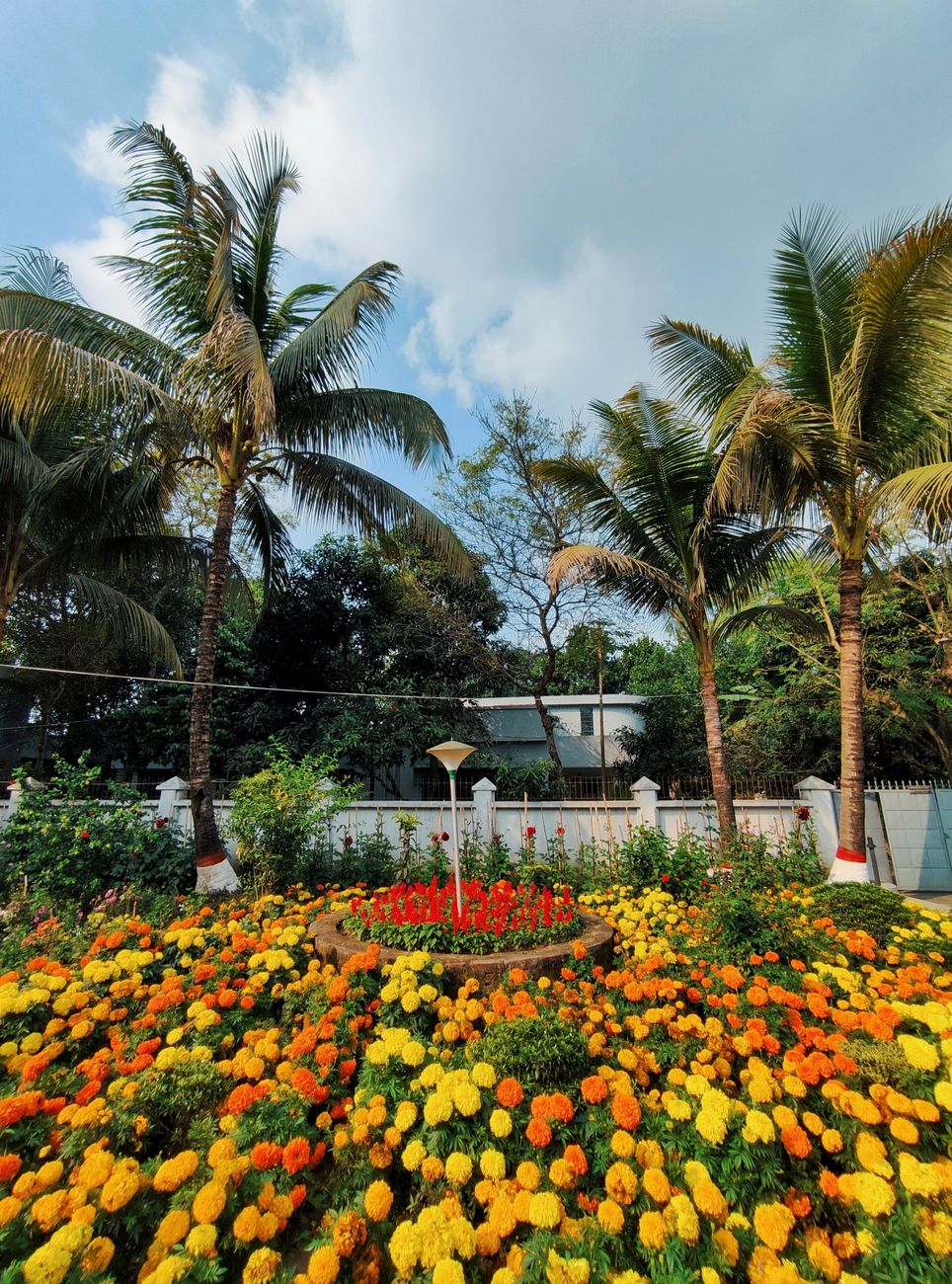
Front yard planting beds immediately elevate your home’s exterior appeal. Position beds along the foundation, frame the entrance walkway, or wrap around a porch. Incorporate evergreen shrubs for structural consistency alongside colorful seasonal blooms.
6. Flower Bed Around a Tree
Gardening under a mature shade tree can be challenging due to root competition and low light. Creating a defined shade-garden bed filled with hostas, ferns, and coral bells transforms an awkward bare patch into an attractive landscape feature.
7. Small Flower Bed
You do not need an expansive property to enjoy vibrant blooms. Compact flower bed ideas fit perfectly alongside front steps, beneath bay windows, or within narrow side yards. Focus on a few high-impact varieties rather than overcrowding a small footprint.
8. Flower Bed Along a Fence
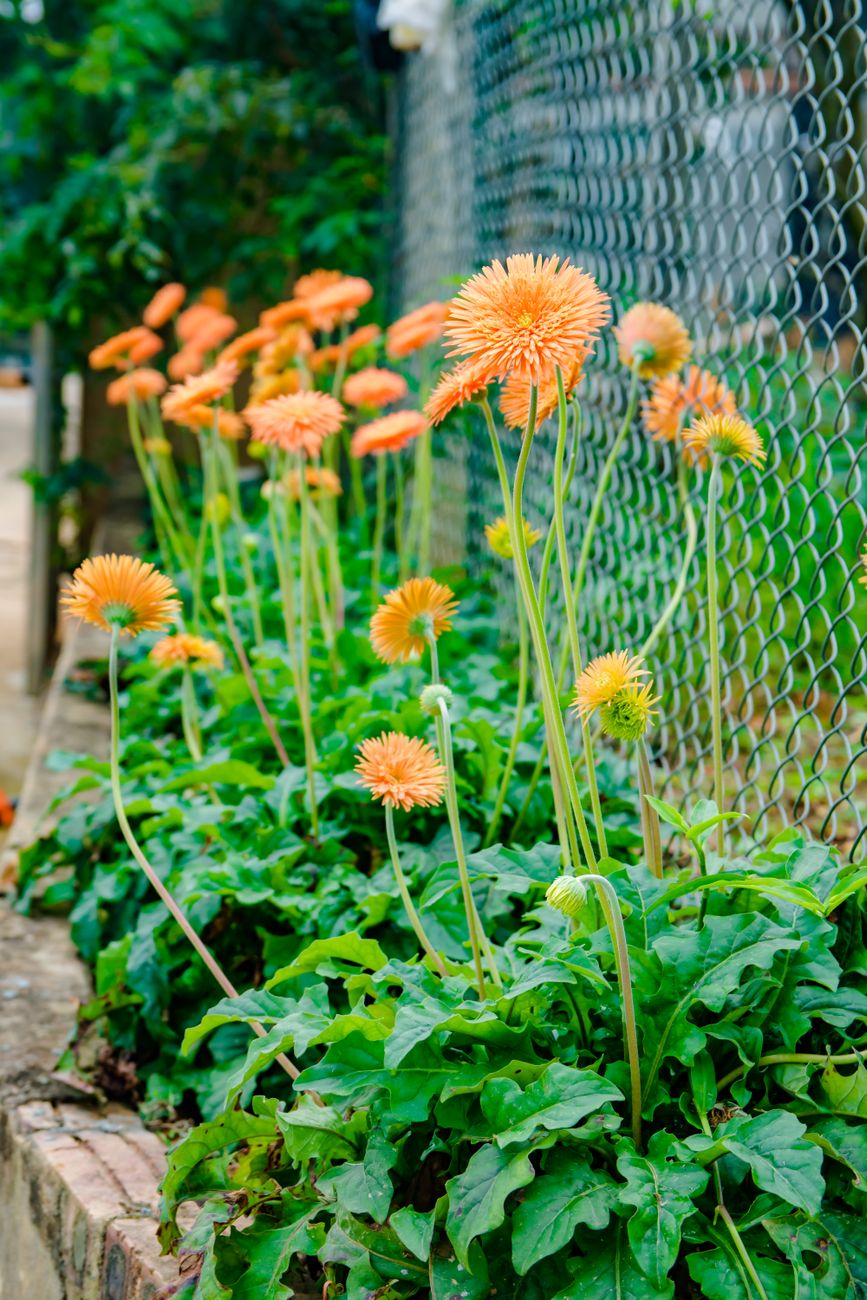
A boundary fence serves as a lovely backdrop for layered plantings. Place taller perennials and climbing vines toward the back near the fence, tapering down to medium and short edging plants in the front row.
9. Pollinator-Friendly Flower Bed
Support local biodiversity by choosing flower bed ideas that attract bees, butterflies, and hummingbirds. Choose native flowering plants that bloom at different times throughout spring, summer, and fall to provide a continuous nectar source.
10. Low-Maintenance Flower Bed
For a beautiful garden that requires minimal effort, focus on drought-tolerant perennials, native species, and heavy organic mulching. Matching the right plants to your natural soil and light conditions drastically reduces daily upkeep.
11. Flower Bed With Stone Border
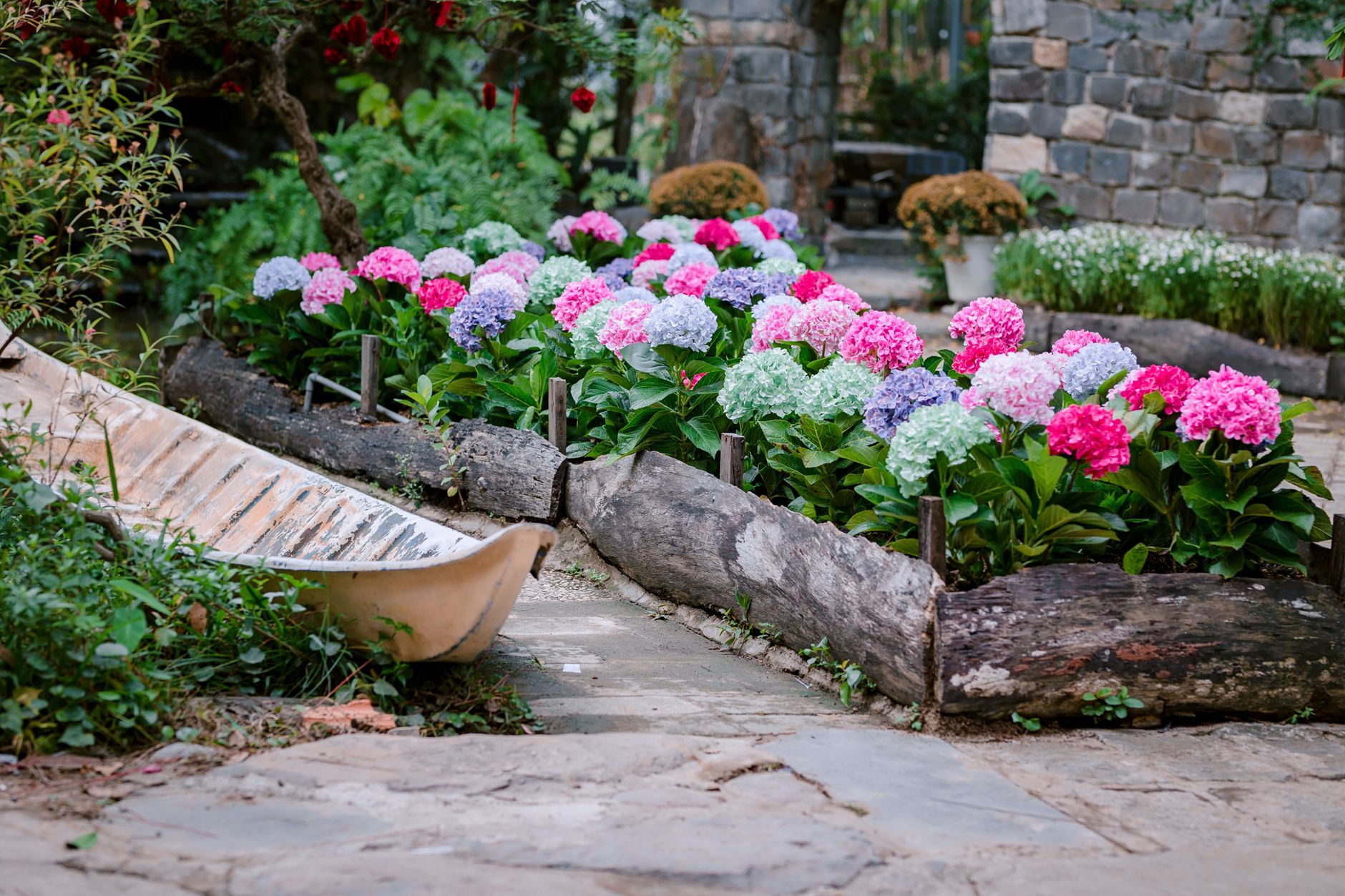
Natural stone edging gives any garden a clean, permanent finish. Stacked flagstone, river rocks, or cut fieldstone cleanly separate lawn grass from garden soil while making lawn mowing significantly easier.
12. Brick Flower Bed Border
Brick borders offer a timeless, classic look that pairs exceptionally well with traditional homes. Lay bricks horizontally, vertically, or in a decorative cobble pattern to link your garden beds to existing brick walkways or home facades.
13. Layered Flower Bed
Layering plants by mature height is a essential technique for a professional look. Place tall shrubs or tall perennials in the back, medium-height varieties in the center, and low-growing ground covers or low annuals along the front border.
14. Color-Themed Flower Bed
Limiting your garden to a specific color scheme can look striking and intentional. Consider a cool white-and-green theme for a serene feel, or combine warm purples, pinks, and yellows to inject energetic vibrancy into your yard.
15. Flower Bed Around a Mailbox
Transform a plain mailbox post into a charming focal point. Surround the base with tough, sun-loving perennials like daylilies, salvia, or creeping phlox that can handle roadside conditions.
16. Rock and Flower Garden
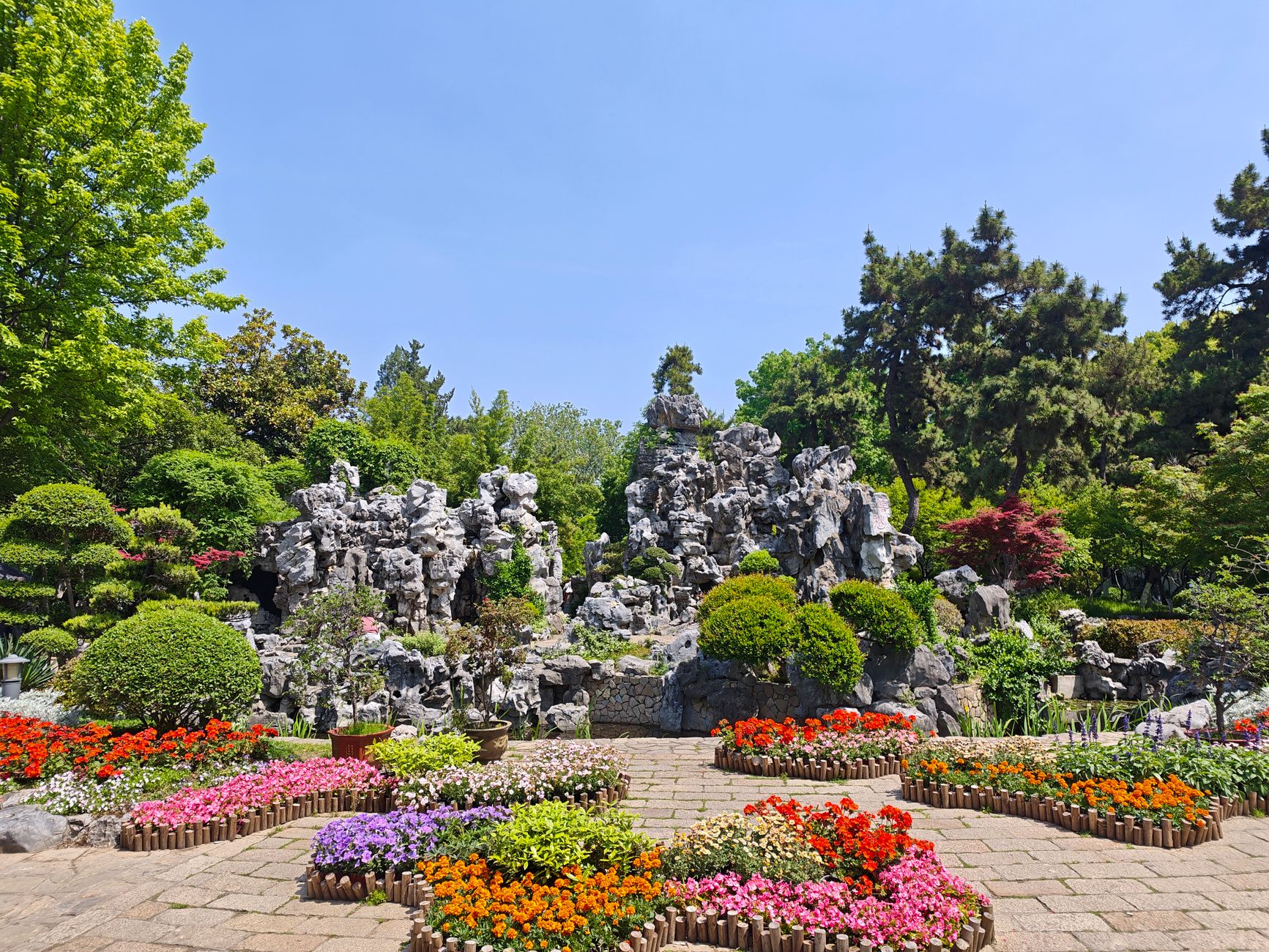
Integrating boulders, gravel, and river stones with flowering plants creates a textured, naturalistic layout. Rock gardens work brilliantly on slopes, assist with drainage, and significantly reduce lawn maintenance.
17. Vertical Flower Bed
When horizontal ground space is limited, take your flower bed ideas upward. Use wall-mounted planters, tiered vertical boxes, or trellises trained with flowering vines to add lush greenery to balconies, patios, and narrow side passages.
18. Flower Bed With Ornamental Grasses
Mixing ornamental grasses with flowering perennials introduces texture, height, and graceful movement. Grasses catch the breeze and provide structural winter interest long after traditional flowers fade.
19. Seasonal Flower Bed
Design your garden for multi-season appeal by selecting plants with staggered bloom times. Blend early spring bulbs, mid-summer perennials, late-autumn asters, and evergreen foliage so your bed remains attractive year-round.
20. Wildflower Flower Bed
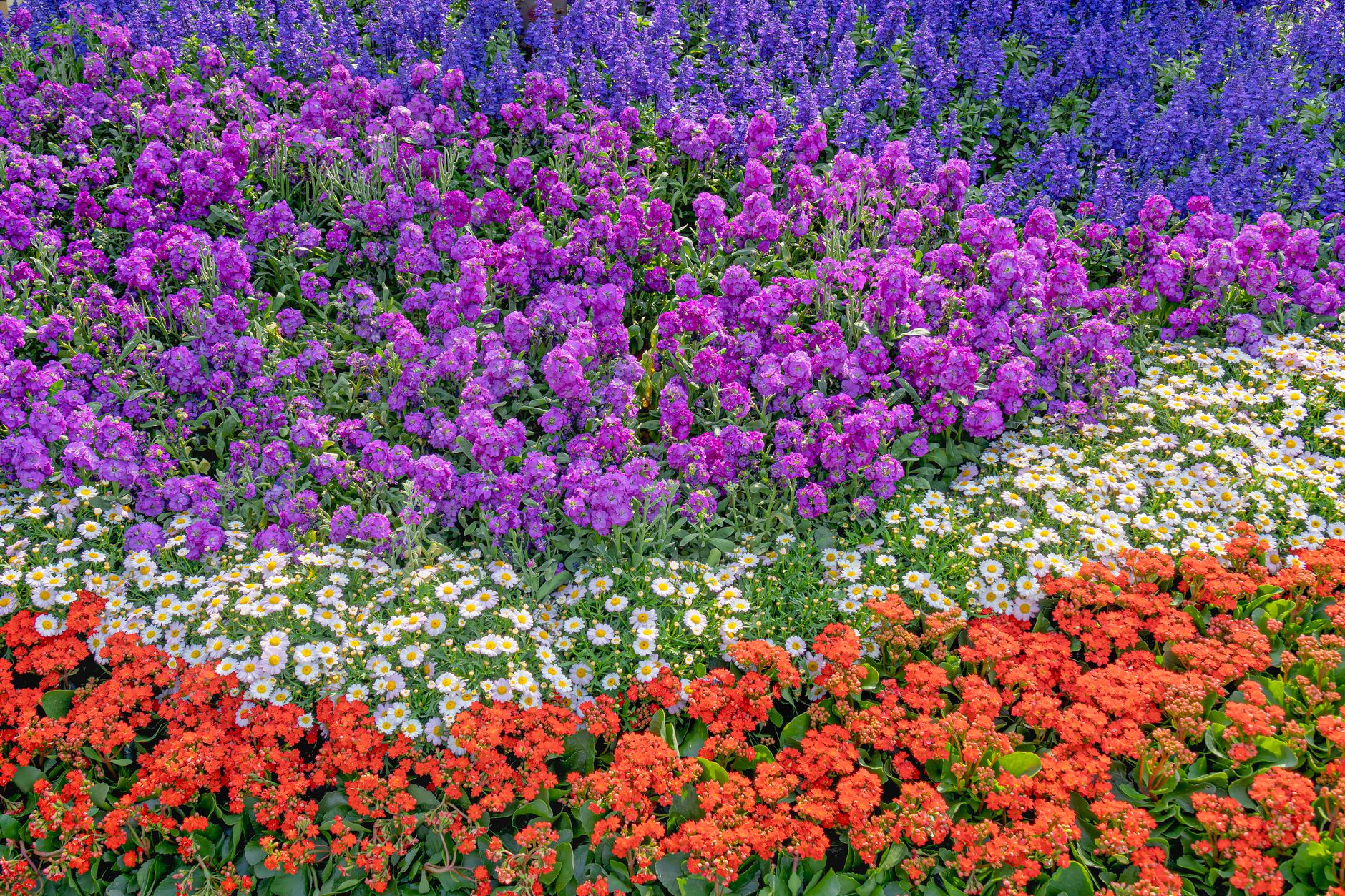
A naturalized wildflower bed offers a relaxed, meadow-like aesthetic. Sow regional native wildflower mixes to create a colorful, low-cost garden bed that thrives with minimal watering and provides valuable habitat for wildlife.
How to Properly Plan and Execute Your Garden
Successful garden design starts well before you dig your first trench. Taking time to analyze your growing environment ensures your chosen flower bed ideas flourish long-term.
       LIGHT & SITE EVALUATION
                  │
                  ▼
        SOIL & DRAINAGE PREP
                  │
                  ▼
       PLANT SELECTION & SPACING
                  │
                  ▼
       EDGING & MULCH APPLICATION
Choose Plants Based on Sunlight
Sunlight exposure dictates plant health. Observe your garden site at various intervals throughout the day to calculate total direct sunlight hours:
- Full Sun: 6+ hours of direct sunlight daily
- Partial Shade: 3 to 6 hours of sunlight daily, preferably during cooler morning hours
- Full Shade: Fewer than 3 hours of direct sunlight daily or dappled shade beneath trees
Improve Your Soil Before Planting
Healthy soil is the foundation of a thriving garden bed. Amend heavy clay or overly sandy soil with rich organic compost to improve soil structure, nutrient retention, and drainage prior to planting.
Apply Mulch Generously
Apply a 2- to 3-inch layer of organic mulch across your bed. Mulch suppresses weed growth, retains soil moisture, regulates root temperature, and provides a crisp, finished appearance. Keep mulch pulled back a few inches from plant stems to prevent moisture rot.
Common Mistakes to Avoid
- Planting Too Many Varieties: Excess variety creates a chaotic look; stick to repeating 3 to 5 complementary plant types for visual harmony.
- Ignoring Mature Plant Size: Always space plants according to their full mature width to avoid overcrowding and poor air circulation.
- Overlooking Bloom Times: Ensure you mix plants with different flowering seasons so your garden doesn’t turn entirely green mid-summer.
- Neglecting Access: Ensure your bed design leaves room for easy access so you can weed, prune, and water without stepping directly on plant roots.
Frequently Asked Questions
What are the easiest flower bed ideas for beginners?
Simple raised beds, straight foundation borders, and container beds are ideal starting points. Choose hardy, low-maintenance perennials suited to your growing zone.
How do I make a flower bed look professional?
Use defined edging (like stone or brick), layer plants by height (tall in back, short in front), repeat key plant species, and finish the bed with fresh mulch.
How deep should a flower bed be?
A depth of 3 to 4 feet allows sufficient space to layer short, medium, and tall plants comfortably. However, even narrow 2-foot beds can look beautiful with a single line of well-chosen perennials.
How can I make a small flower bed look bigger?
Stick to a simple color palette, utilize vertical elements like trellises, use light-colored flowers, and define sharp, clean border edges.
Conclusion:
Incorporating creative flower bed ideas into your landscape transforms your yard into a colorful, welcoming sanctuary. By assessing your soil, sunlight, and space before planting, you can build a low-maintenance, visually stunning garden that enhances your property’s value and brings joy for years to come.
Flower bed ideas that start with structure — the edge, the height gradient, and one repeating anchor plant — always come together faster than color-first planning. The combinations here are easy to adapt to any zone. Nice collection!