
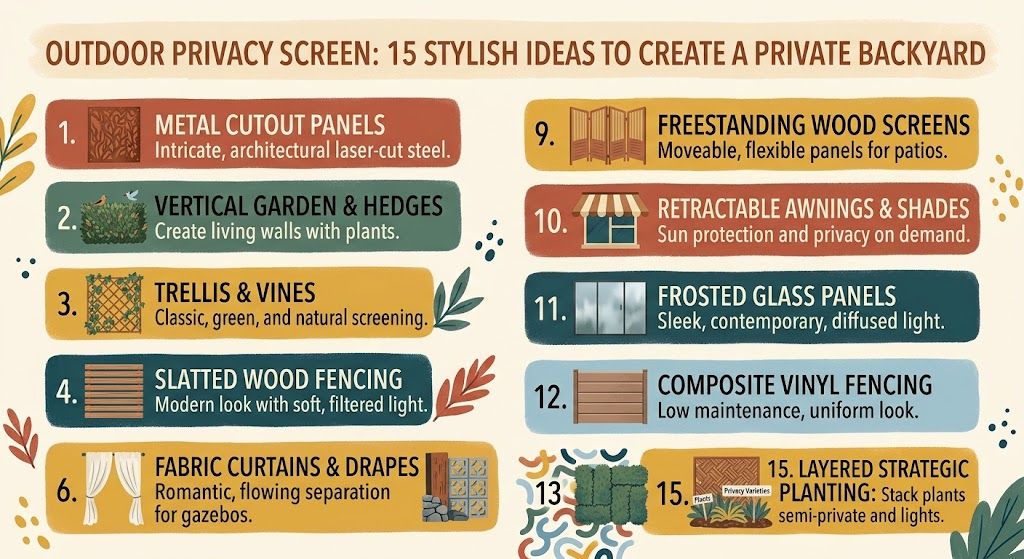
An outdoor privacy screen is a great way to make your backyard feel more private. It can block the view from your neighbors, create an outdoor lounge, hide an unsightly wall, or add visual interest to your landscape. You can use slat panels, lattice walls, plants, curtains, or modern metal designs to build your screen. The right outdoor privacy screen can completely transform your living space.
People are starting to prioritize their privacy when spending time outside. When you are cooking, relaxing, entertaining, or working outside, it is nice to have a space that is away from the rest of the world. You do not need to build an entirely enclosed structure to get some solitude. A strategically placed outdoor privacy screen can give you visual separation while still letting in light and air.
In this guide, we will look at stylish ideas, materials, placement tips, design considerations, and maintenance advice to help you create a backyard that feels comfortable and inviting.
What Is an Outdoor Privacy Screen?
An outdoor privacy screen is a divider designed to limit what people can see between your living area and surrounding properties. It can be a freestanding screen, attached to an existing wall, installed along a fence line, or created using live plants. These screens are available in many different materials, including wood, composite, metal, vinyl, bamboo, fabric, and greenery.
The best material depends on your local weather, budget, maintenance preferences, and home style. Unlike a perimeter fence, an outdoor privacy screen does not need to cover the entire boundary of your property—you can place one only where you need it most.
Why Add Privacy to Your Outdoor Space?
Having a secluded space makes your home more comfortable and functional. If you have a patio close to your neighbors, it can feel like you are being watched. Adding an outdoor privacy screen behind a seating area creates separation without making the space feel closed in.
Additionally, privacy structures provide extra benefits:
- Defining distinct functional zones in your yard
- Blocking unsightly views or storage areas
- Reducing visual clutter and wind exposure
- Creating a backdrop for climbing plants
- Adding shade and enhancing patio aesthetics
- Creating an intimate atmosphere for entertaining
15 Stylish Outdoor Privacy Screen Ideas
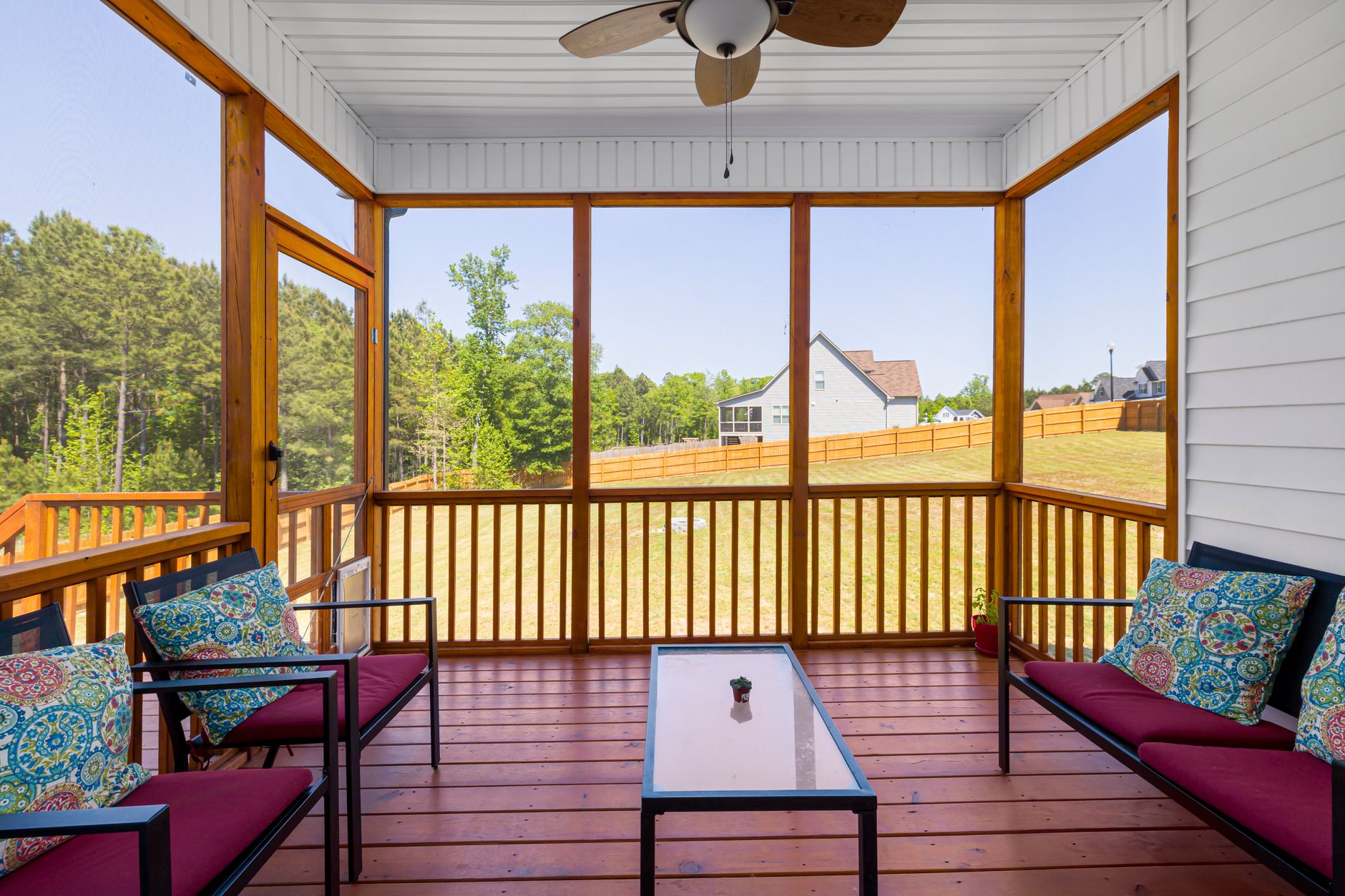
1. Horizontal Wood Slat Screen
Horizontal wood slats are a popular choice for an outdoor privacy screen. They work exceptionally well with minimalist, Scandinavian, and modern homes. Installing boards with small gaps lets air circulate while still effectively blocking sightlines. Cedar, redwood, and pressure-treated lumber are durable options.
2. Vertical Timber Privacy Wall
Vertical boards create a striking visual effect while providing strong privacy. Also, Vertical lines draw the eye upward, making small patios appear taller—a useful feature when your outdoor space is closely surrounded by neighboring homes or taller structures.
3. Decorative Lattice Panels
Lattice is a classic design for an outdoor privacy screen. A lattice panel lets in natural sunlight and air while filtering views. It also acts as an excellent support frame for climbing plants like jasmine, clematis, or climbing roses.
4. Modern Metal Panels
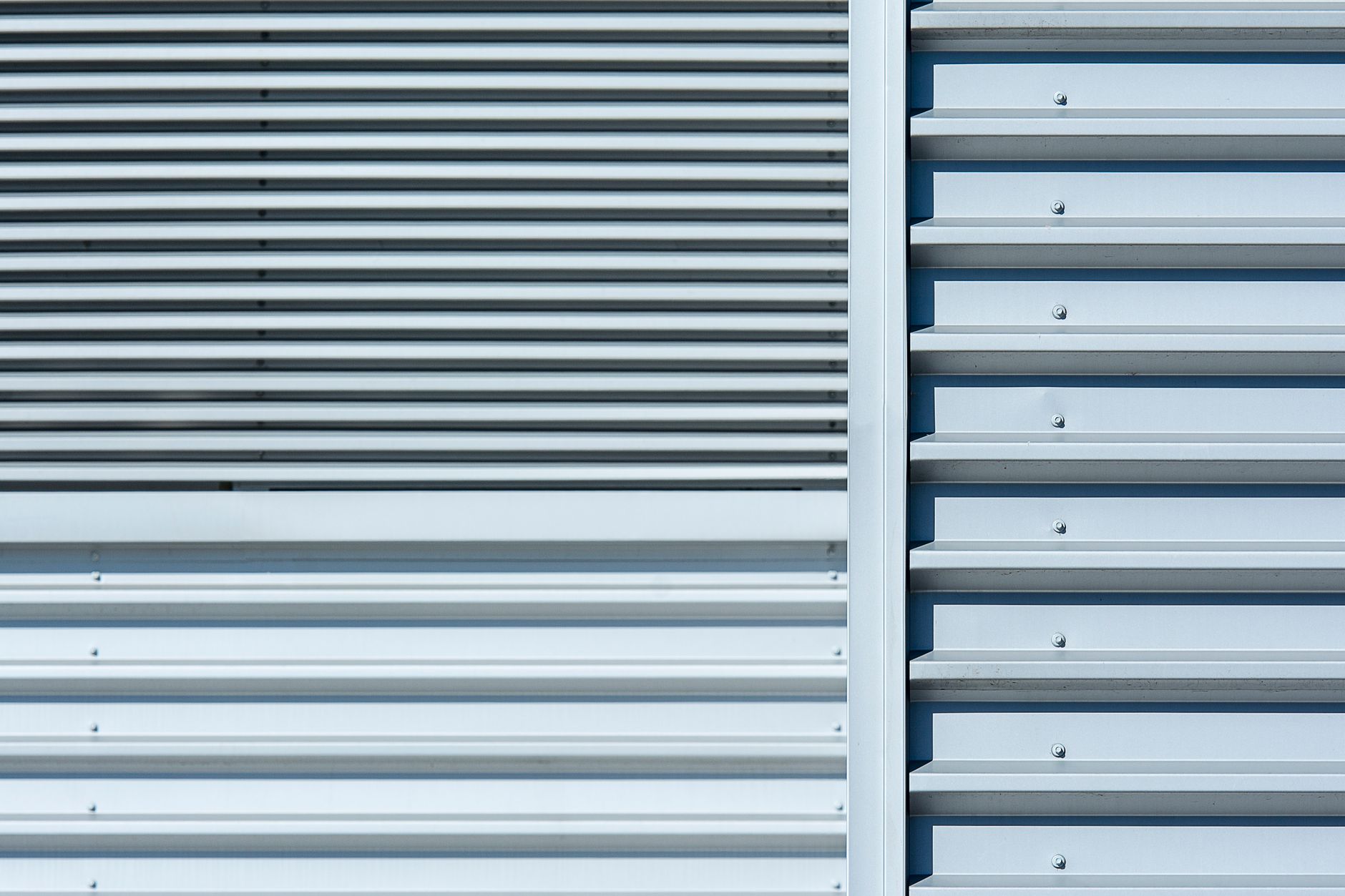
For a sleek, contemporary backyard, consider decorative metal panels. Laser-cut metal screens feature intricate geometric, botanical, or abstract designs, serving as architectural art features alongside their functional purpose.
5. Bamboo Screening
Bamboo adds a natural, tropical feel to your patio. Pre-assembled bamboo screens are frequently used to cover existing fences, balconies, and garden structures, or attached to frames as freestanding dividers.
6. Outdoor Privacy Curtains
Curtains provide a flexible alternative to rigid, permanent walls. Outdoor-rated, weather-resistant curtains attached to pergolas or gazebos allow you to open up the space for airflow or draw them closed for complete privacy.
7. Green Privacy Wall
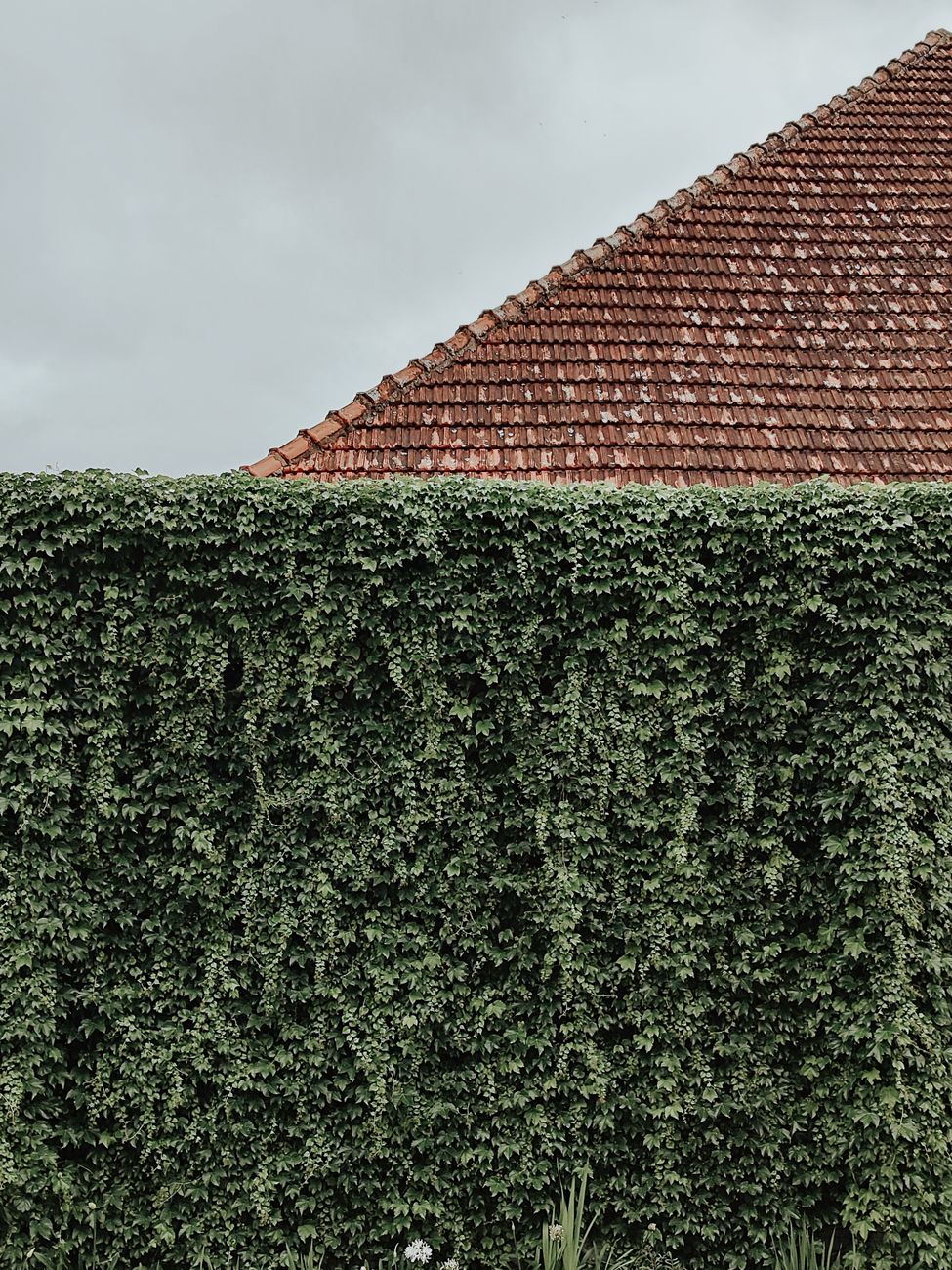
Plants offer a natural way to build an outdoor privacy screen. A living wall can incorporate hedges, climbing vines, dense shrubs, or modular vertical garden systems that maintain your connection to nature.
8. Tall Planters With Privacy Plants
If you are renting or prefer not to build permanent structures, large planters offer a flexible solution. Placing tall containers along a patio edge filled with bamboo, tall grasses, or arborvitae allows you to move your privacy setup whenever necessary.
9. Outdoor Privacy Screen With a Pergola
Combining privacy panels with a pergola creates a multifunctional outdoor room. Installing screens on one or two sides keeps the remaining sides open to the yard while shielding your seating area from direct view.
10. Repurposed Shutters
Old wooden shutters can be hinged together to build a charming, rustic outdoor privacy screen. You can leave them distressed for a vintage look or paint them to match your home’s exterior trim.
11. Woven Outdoor Screen
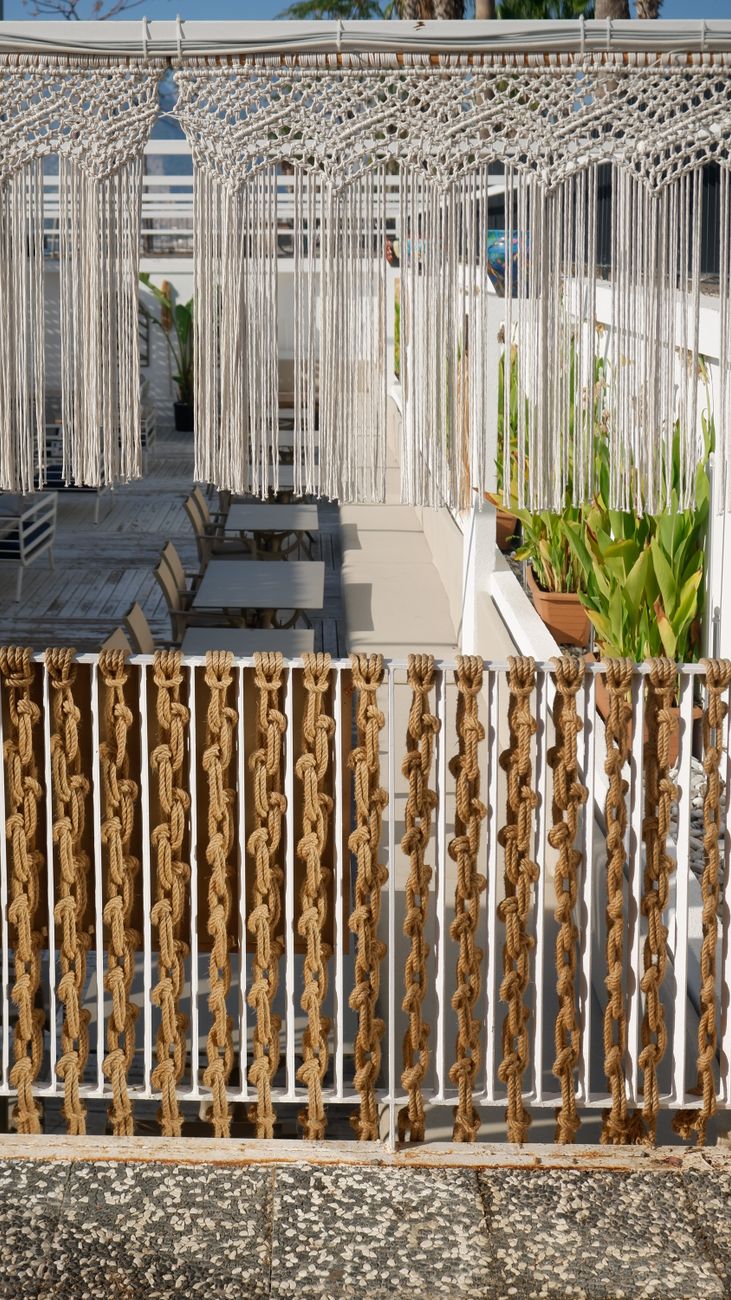
Woven materials add rich texture and warmth to outdoor spaces. Options include natural reed, willow, or synthetic weather-resistant rattan, which coordinate beautifully with natural outdoor furniture and greenery.
12. Privacy Screen for a Small Balcony
Small balconies require lightweight solutions that preserve floor space. Railing-mounted fabric screens, slim lattice panels, or shallow planter boxes with tall grasses offer privacy without overcrowding the area.
13. Poolside Privacy Screen
Privacy around swimming pools helps create a secluded resort atmosphere. Wooden slats or decorative metal panels define the pool perimeter while shielding lounge areas from passersby.
14. Privacy Screen for an Outdoor Hot Tub
Adding a screen around a hot tub transforms it into a private retreat. Combining timber slats or tall plants with subtle ambient lighting builds a relaxing evening atmosphere.
15. DIY Outdoor Privacy Screen
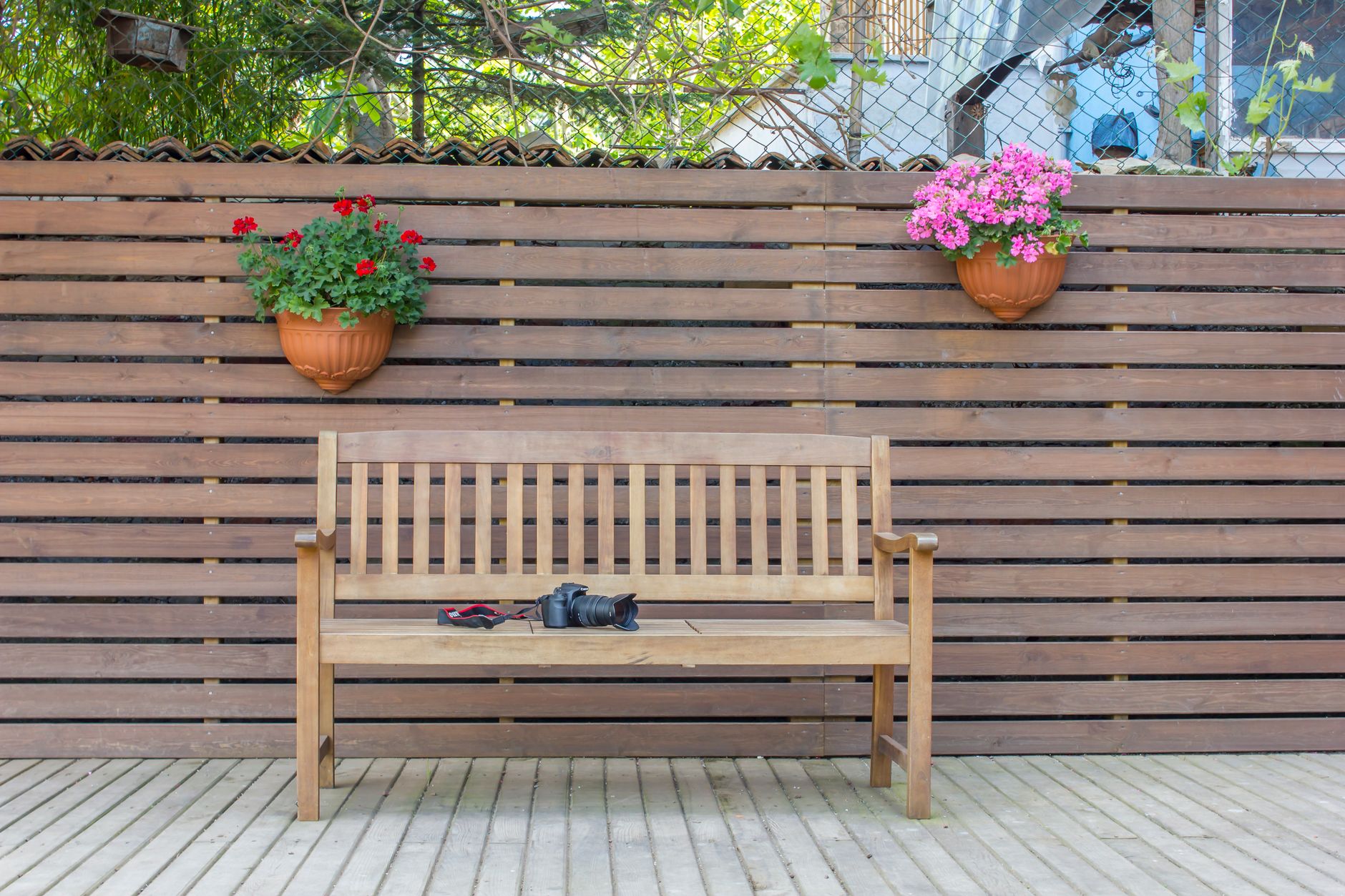
A DIY project is a budget-friendly way to customize privacy. Building a simple wooden frame and mounting horizontal slatted boards allows you to tailor the height and length precisely to your space.
Material Selection Guide
Selecting the right material affects aesthetics, durability, and ongoing maintenance requirements:
- Wood: Warm and versatile; requires periodic sealing, staining, or painting to prevent weather damage.
- Metal: Modern and durable; powder-coated steel or aluminum resists rust and handles harsh weather.
- Vinyl: Low-maintenance and rot-resistant; easy to clean, though less natural in appearance.
- Composite: Combines recycled wood fibers and plastic; offers the appearance of wood with minimal upkeep.
- Plants: Beautiful and eco-friendly; requires regular watering, pruning, and time to grow dense.
Design and Placement Considerations
How Tall Should a Privacy Screen Be?
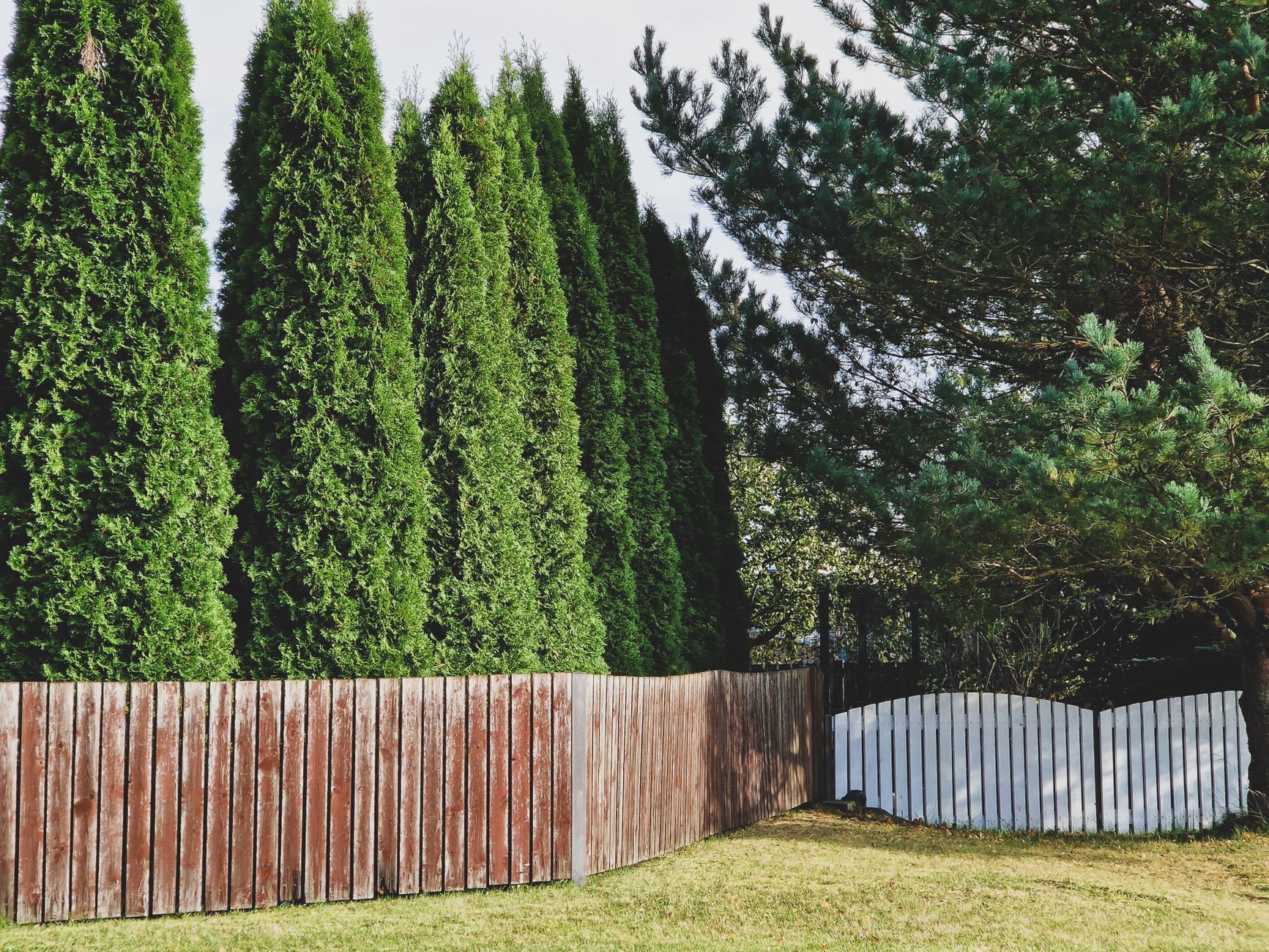
The required height depends on your sightlines. To block views from a neighboring ground-level patio, a 6-foot screen is usually sufficient. To block views from second-story windows, you may need higher structures, overhead pergolas, or tall shade trees.
How to Make a Privacy Screen Look Stylish
Keep your screen from looking utilitarian with these design ideas:
- Train flowering climbing plants up the structure
- Mount ambient accent lighting or string lights
- Mix materials, such as wood slats with metal frames
- Integrate built-in planter boxes at the base
- Match colors and finishes to your existing patio furniture
Common Mistakes to Avoid
- Blocking Too Much Light: Avoid completely solid barriers in small spaces to prevent dark, claustrophobic areas.
- Ignoring Wind Loads: Solid screens act like sails in high winds; ensure freestanding structures are securely anchored.
- Forgetting Maintenance: Choose materials that align with the amount of ongoing care you are willing to perform.
Maintenance Tips
- Wood: Inspect annually for rot or splitting; re-seal or stain every 2–3 years.
- Metal: Wipe down periodically and check fasteners for signs of corrosion or rust.
- Fabric & Canvas: Wash with mild soap and store indoors during severe winter weather.
- Living Walls: Prune regularly, monitor irrigation systems, and fertilize according to plant species.
Frequently Asked Questions
What is the best material for an outdoor privacy screen?
There is no single best material. Wood offers a classic natural look, metal provides modern durability, vinyl offers low maintenance, and living plants create a green aesthetic. Select based on climate, budget, and maintenance preferences.
How can I create privacy without building a fence?
You can use freestanding slatted panels, tall planter boxes, outdoor curtains, bamboo rolls, or potted hedges to create targeted privacy zones.
Are privacy screens cheaper than traditional fences?
Yes. Because an outdoor privacy screen is typically used to cover a specific area rather than an entire property boundary, it generally requires fewer materials and lower installation costs.
Can a privacy screen help block wind?
Partially open screens (like slatted wood or lattice) diffuse wind effectively. Completely solid screens block wind but experience higher structural stress during storms.
Final Thoughts
An outdoor privacy screen is a practical and stylish addition to any backyard, deck, balcony, or patio. By carefully evaluating materials, local climate, sightlines, and design details, you can create a comfortable, secluded retreat that enhances your outdoor living experience for years to come.