
How to keep cut flowers fresh for a long time is a difficult question on everyone’s mind. Also, creating and designing many types of flowers is not an easy task. So, choosing and picking the best type of flowers for your home is part of floral design. Moreover, some of us commonly lack knowledge to keep flowers alive in a vase.
However, designing or cutting beautiful flowers is the best aspect of creating sensational floral arrangements. So, you should condition flowers when they come into your home. Additionally, keeping all the flowers alive with excellent care is another trick.
Furthermore, proper handling techniques make flowers last longer and help you create more successful designs.
Freshly cut flowers can light up a room or your house. So, you should take care of your flowers properly. In this blog, you will get all the information on how to keep flowers fresh for a long time, and you may also learn why they may be wilting and dying prematurely. You can also learn how to keep flowers fresh and vibrant. Let’s begin here:
12 useful tips on how to keep cut flowers fresh in a Vase:
Florists and gardeners should take care of all the flowers while cutting the stems and branches. Moreover, they should also pay attention to stripping the flowers and all the leaves from the bottom half to two-thirds of each stem.
While taking care of the flowers, you should not leave any leaves below the water line because they could rot and ruin the water quality. Here are the 12 useful tips for cutting the flowers and petals mentioned below:
1: Re-cut the stems at an angle:
If you are using a floral foam, then a slanted cut helps better. Moreover, you can easily use a pointed stem, which is easier to insert. Furthermore, cutting flower stems at an angle prevents the stem from sinking to the base of the vase. Thus, it is a better and safer way to seal itself. Additionally, an angular cut also creates a larger surface area for water uptake.
2: Cut stems underwater:
If you want your roses to look fresh and lively, then you should take a deep dip under the stems. In this way, you can easily shorten the stems and cut flowers before arranging them.
Moreover, the stems of flowers, especially roses, can take in too much air, which can cause a blockage. So, this blockage keeps water from reaching the flower, especially in a vase.
Furthermore, some gardeners and florist supply companies sell underwater cutters, so we can cut a flower in the garden and immediately submerge the stem in warm water. Then we can easily cut the flowers again in the house while holding them below the waterline.
Pro tip:
Some poppies, milkweed, and many other fresh flowers have milky stems. However, they should be held in a flame for about 15 seconds after cutting. Also, this method seals the latex in the stem but keeps the water-conducting vessels open. If the latex substance leaks into the water, then it quickly spoils the flowers and also affects the other flowers’ lives.
3: Don’t crush the stems:
If florists have a woody stem on lilacs, then they should cut the stem from above. For many years, you have used mallets to crush the stems.
In fact, if you are pounding the stems, then it makes them rot faster in the water. Moreover, if you are not cutting above the woody stem, submerge the complete stem in water for 20 minutes before cutting.
4: Don’t use cold water:
Some flowers like warm water, and some prefer room temperature water that is 80° to 110°F. Also, the water in the vase does not need to be maintained at the right temperature. However, you should take care and always start cutting flowers in warm water.
Moreover, cold water has a higher oxygen content; it can also cause air bubbles in the stems of flowers and block their water uptake.
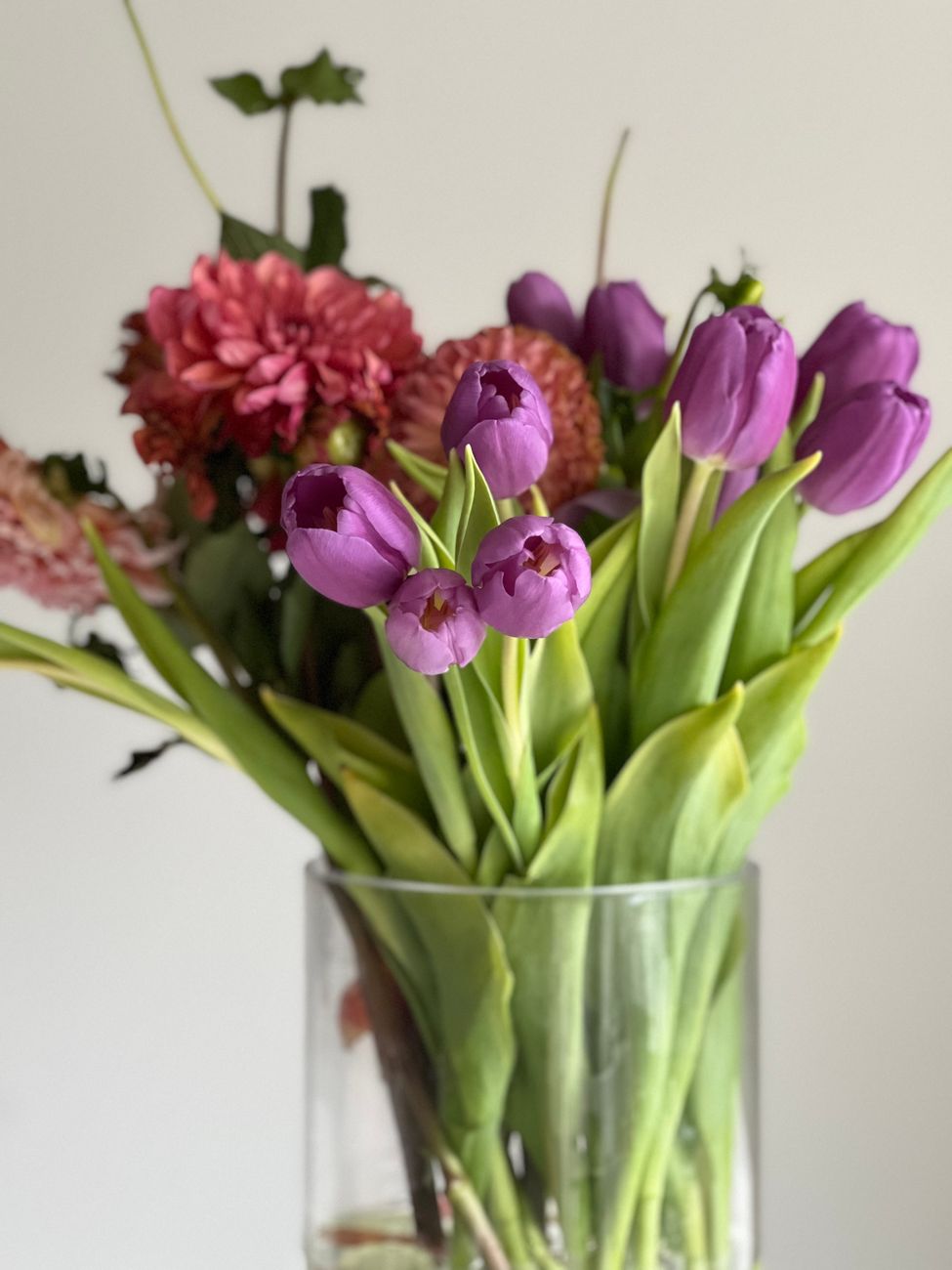
Furthermore, spring bulbs such as tulips and daffodils are the exception to this rule, and they prefer to be placed in cold water.
5: Make nourishing spray for the flowers:
This phenomenon makes a big difference in extending the life of the flowers in a vase. So, mix 2 tablespoons of white vinegar, 2 tablespoons of sugar, and 1 quart of mildly warm water to spray for nourishment and a long life of the flowers.
6: Don’t cut flowers in full sun:
Giving a beautiful bouquet of red roses is giving a romantic and loving feeling for your loved one. So, you cannot put all the flowers directly in the sunlight, and you should also keep them away from heat and cold drafts. Also, keep the vase away from fruit bowls.
7: Checking the vase regularly:
Remove all dead or fading blooms to prevent bacteria from damaging healthy flowers. Also, you can easily change the water every few days. Moreover, you can feed them with refreshing feed as well.
8: Using Flower Food:
Some of us thought that flowers can use flower food, but they don’t. Flowers only need fresh water to stay alive. But florists and gardeners don’t use flower food; they use fresh water and the freshest product to keep the flowers fresh.
Moreover, if you are trying to extend the life of flowers, then you should keep the water. However, you don’t need to use any flower food. You must support layers of flowers and extend their life.
9: Spraying the Flowers:
Flowers can drink water and absorb oxygen from their stems and leaves. So, spraying your plants with a light mist can help hydrate them very well.
After arranging, you will also use a product called Finishing Touch, which is an anti-transpirant spray. Also, Crowning Glory and Finishing Touch help prevent them from losing turgidity or hydration.
10: Dunking Flowers:
Dunking the flowers is the best technique for florists and gardeners. Also, many flowers love a good dunk in water if they are wilting. Moreover, you can fill a large clean bucket or tub, then fill it deep with normal water.
Furthermore, no flower food is needed; you can use clean water. However, dunk the entire head of the flowers, including the stem, under water and leave them for an hour.
Remove from extra water, then shake the head out softly to remove excess water, recut, and place in a vase of water.
This technique works well for all flowers except tropical ones like orchids and anthuriums, hydrangeas, and hellebores.
11: Keep learning for your flowers:
You can take care of flowers so that they remain fresh and alive. Also, handling fresh flowers comes with practice, experience, and research.
Moreover, you can check out gardening blogs, care and handling books, online articles, and more. Furthermore, a gardener’s office can also be a very useful place to ask for advice or suggestions when you may feel stuck. However, you can easily ask for advice from a floral wholesaler if you are working with a new plant/flower.
9 Essential precautions: how to keep cut flowers fresh:
Some famous Florists and home gardeners are using many strategies to keep all the flower arrangements looking fresh.
1: Choose the right kind of container/vase:
Florists can easily choose the right size of container for placing the flowers. Also, always use a clean vase free from any residue or leftover detergent. Moreover, for lighter, more fragile cut flowers, use a taller vase. Furthermore, you can cut heavy blooms short and place them in a low vase so the flowers can get extra space.
2: Cutting two inches off the flower stems:
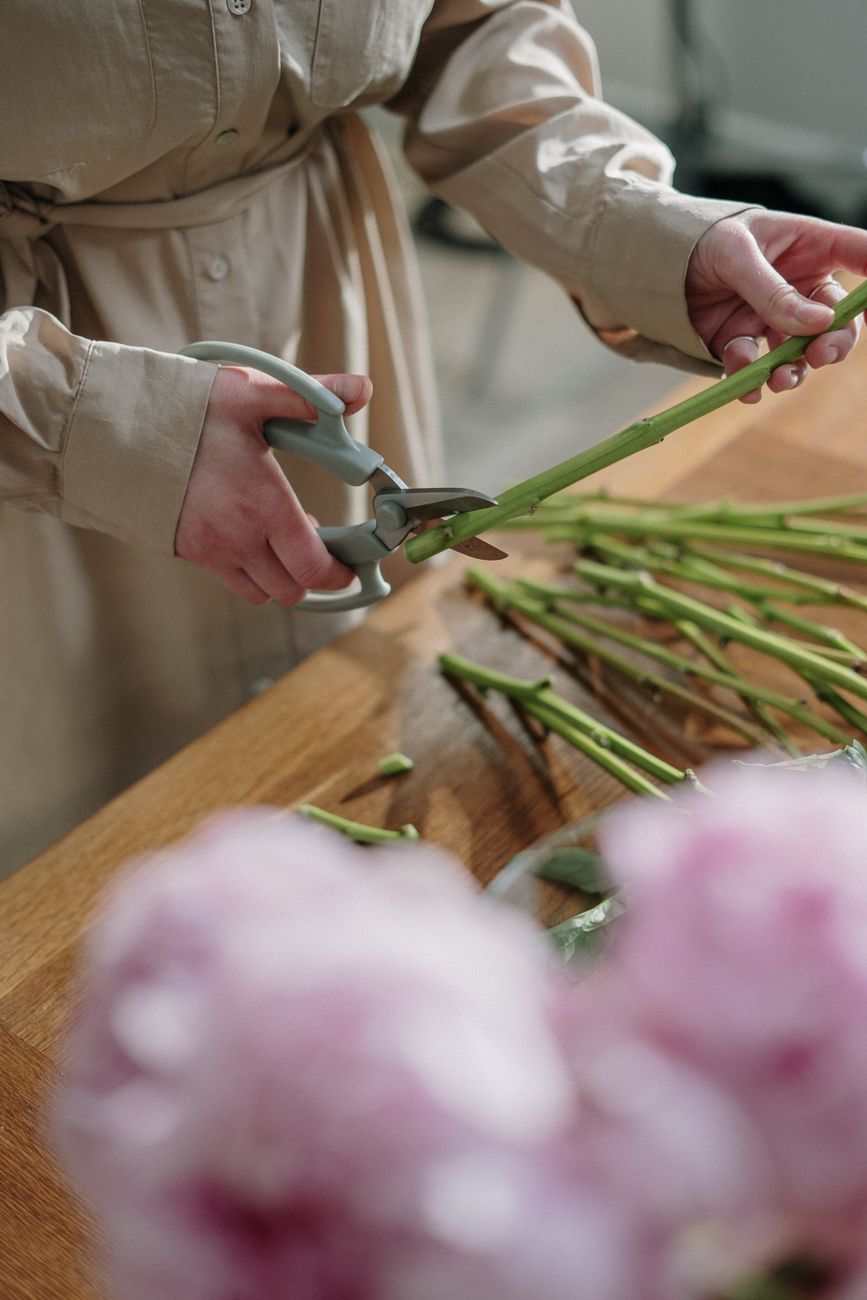
You can cut about two inches off the flower stems before placing them in water. Moreover, gardener’s tools will give us the cleanest cut. But regular scissors will also do the same trick. Furthermore, you can cut stems at a 45-degree angle to increase the surface area and then allow for greater water flow.
3: Maintain the right temperature:
Make sure the water is at the right temperature for a fresh-looking flower. Moreover, most flowers keep best in room-temperature water. However, bulb flowers keep best in cool water or even cold water.
4: Dipping in acidic water:
Some florists dip flowers and cut flowers in slightly acidic water. So, it is ideal to use a pH level between 3.5 and 5.0.
5: Pruning leaves:
Some leaves remain below the waterline. Moreover, if you submerge the leaves underwater, they can rot and cause bacterial growth. Furthermore, it is important to periodically check all the flowers and then remove any underwater leaves immediately.
6: Looking after the flowers:
You have to maintain all your flowers consistently. Also, replace dirty vase water with fresh water and then clean your vase every single day.
Moreover, dirty water can lead to bacterial development, and this can quickly bring on wilting. Furthermore, you should re-cut all the flower stems every two to three days to help them absorb water.
7: Stay away from harsh environments:
Keep all the cut flowers out of harsh environments. For this purpose, you should refrain from placing fresh flowers in direct sunlight and near hot appliances. Also, you can stay away from drafts of air from fans, air conditioning, or open windows. Moreover, some flowers like tulips are particularly sensitive to heat. So, you should also keep cut flowers away from a fresh fruit basket, as fruits emit stains of ethylene gas that can speed up a flower’s wilting process.
8: Sprinkle a few drops of vodka:
You can use a few drops of vodka to give your cut flowers a little alcohol, and it can actually decelerate their aging process. Moreover, the alcohol in vodka prevents flowers from producing ethylene gas. This ethylene causes flowers to wilt.
9: Separate harmful flowers:
Separate all the harmful flowers and stems from your fresh flowers container. Fresh-cut hyacinths, irises, and daffodils produce toxic chemicals that can easily kill other plants sharing the same water source.
Moreover, you should keep these types of flowers in a separate vase for a long time before combining them.
Most Frequently Asked Questions
1: What’s the best time to cut fresh flowers?
Ans: The best time to cut fresh flowers is early in the morning or early evening when temperatures are cool, and the stalks have filled with water. Moreover, midday heat is stressful for plants and causes them to wither more readily when cut.
2: How to keep cut flowers fresh and vibrant?
Ans: You can use sharp floral shears in different aspects of design, but the ideal method to cut flowers is with a sharp and clean floral knife. Moreover, when you are working with a knife, you can pay more attention to the flowers so you don’t crush or pinch stems as you cut.
Furthermore, to keep flowers fresh and alive, you should make quick work of removing thorns and excess foliage from stems.
3: How to select a perfect vase for fresh flowers?
Ans: You can easily select a perfect vase for your favorite flowers like roses and tulips. Also, you can use a vase that’s large enough to provide plenty of room and air for all the stems of the flowers. However, you should always use a clean vase, as bacteria can survive in dirty vases, which can cause your flowers to last less long.
4: What are the steps for how to cut flowers with Stems for a bouquet?
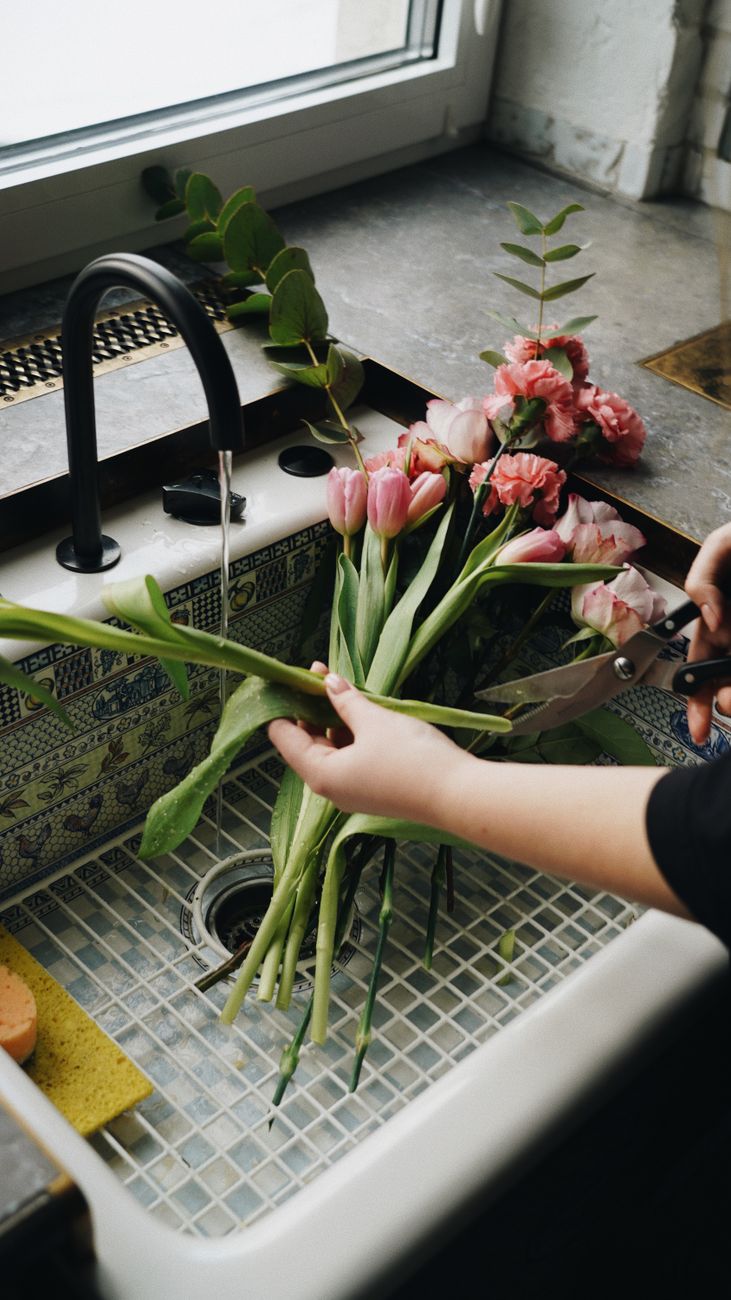
Ans: You can use a sharp knife; also avoid scissors. Moreover, when you cut the stems, place them in a bucket of clean, tepid water (not cold water).
Then, leave the flowers in the bucket of water in a cool and dark spot for a few hours to let them stabilize before arranging. Also, leave them overnight.
The final step is to keep all the flowers cool but avoid putting them in your fridge.
Your coolers range from 33° to 40°F, so if your fridge likely won’t be cool enough, any fruit or vegetable it could emit ethylene gas, which minimizes the life of cut flowers.
The Final Words:
How to keep cut flowers fresh is a tricky note for all florists and gardeners, but a normal person can take care of newly cut flowers. So, the above guide will teach you a deep lesson for keeping all the fresh flowers alive for many days. Plus, you can store all the flowers and stems in fresh water so that they can stay alive longer.