
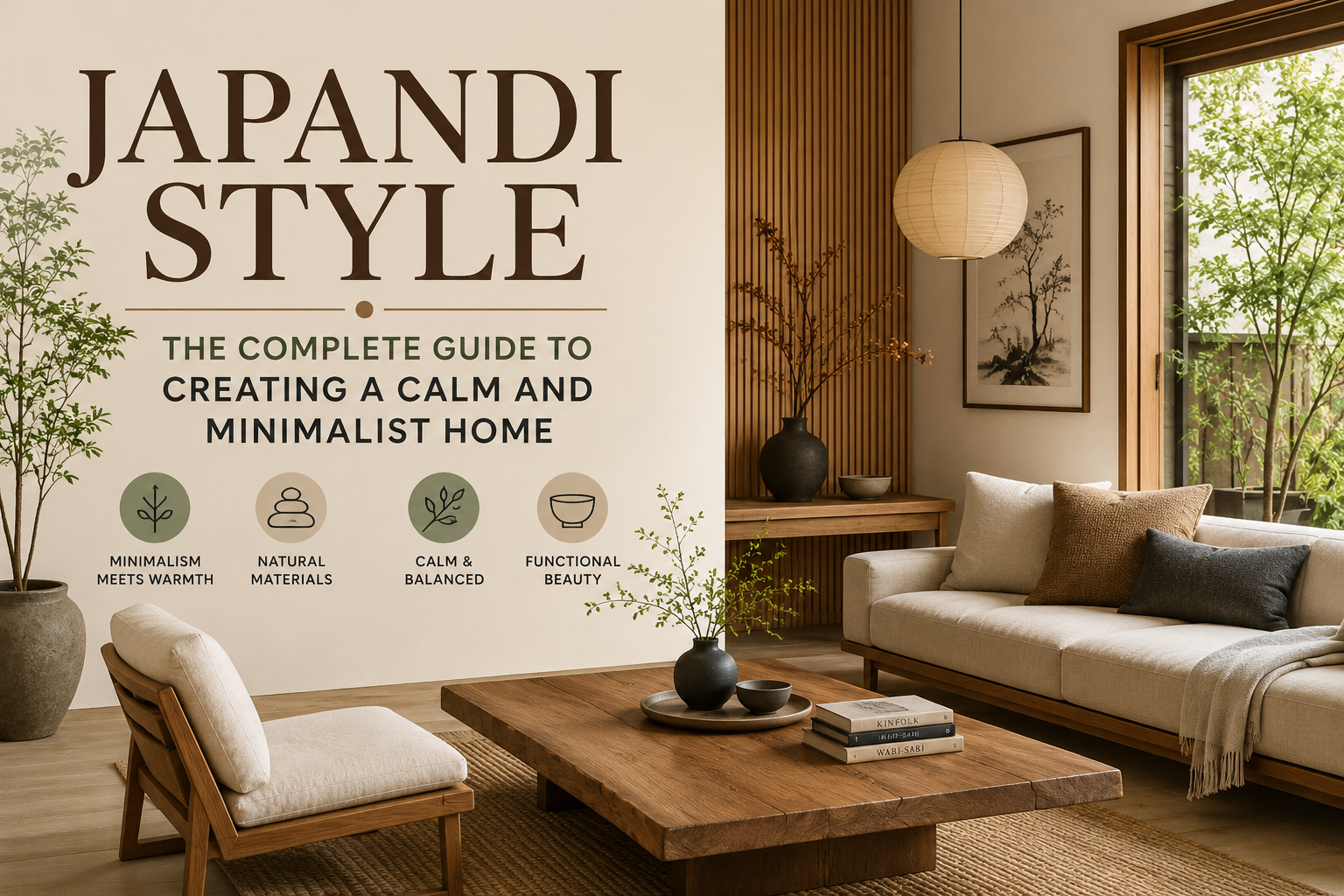
If you are curious to build a stylish, intentional space that looks beautifully lived-in in the Japandi style, then this guide is for you and your home. So, let’s get rid of the clutter in most interior homes. Moreover, you must focus on eliminating clutter, then incorporate warmth.
As homeowners, we must consider and choose among many interior designers or architects for home designs. Furthermore, such minimalist designs allow homemakers to create a deeply grounded, functional space.
However, it features a minimalist design for homes and living areas. It incorporates rich textures, skilled craftsmanship, and understated luxury style and design.
In this blog, you can easily explore the fundamentals of Japandi interior design, including how to apply it and the features designers can incorporate room by room.
What Is Japandi Style?
At its core, the Japandi interior design combines Japanese minimalist aesthetics and simplicity. Also, Japandi may focus on natural materials, lighting, and various subtle comforts.
However, this interior design is gaining popularity in modern architecture and interior design as a counter against the growing trend of minimalism. Additionally, it is the perfect getaway from the noise of daily life, thus offering serenity and functionality.
Origins of Japandi Style:
The Japandi aesthetic originated in the 19th century and followed Japan’s opening to outside influences. Moreover, in the mid-1800s, most interior designers were among the first to explore Japanese culture.
Furthermore, this Japanese interior emphasizes tranquility and simplicity, giving rise to minimalism in traditional architectural designs. On the other hand, the harsh climatic conditions in architectural design may have given rise to the interior style.
Therefore, two cultures value natural light, a variety of materials, well-designed craftsmanship, functional layouts, and a deep sense of calm in daily life. Also, it is the best combination of the two that gave rise to the now-popular Japandi interior design.
Design Philosophy behind Japandi Style:
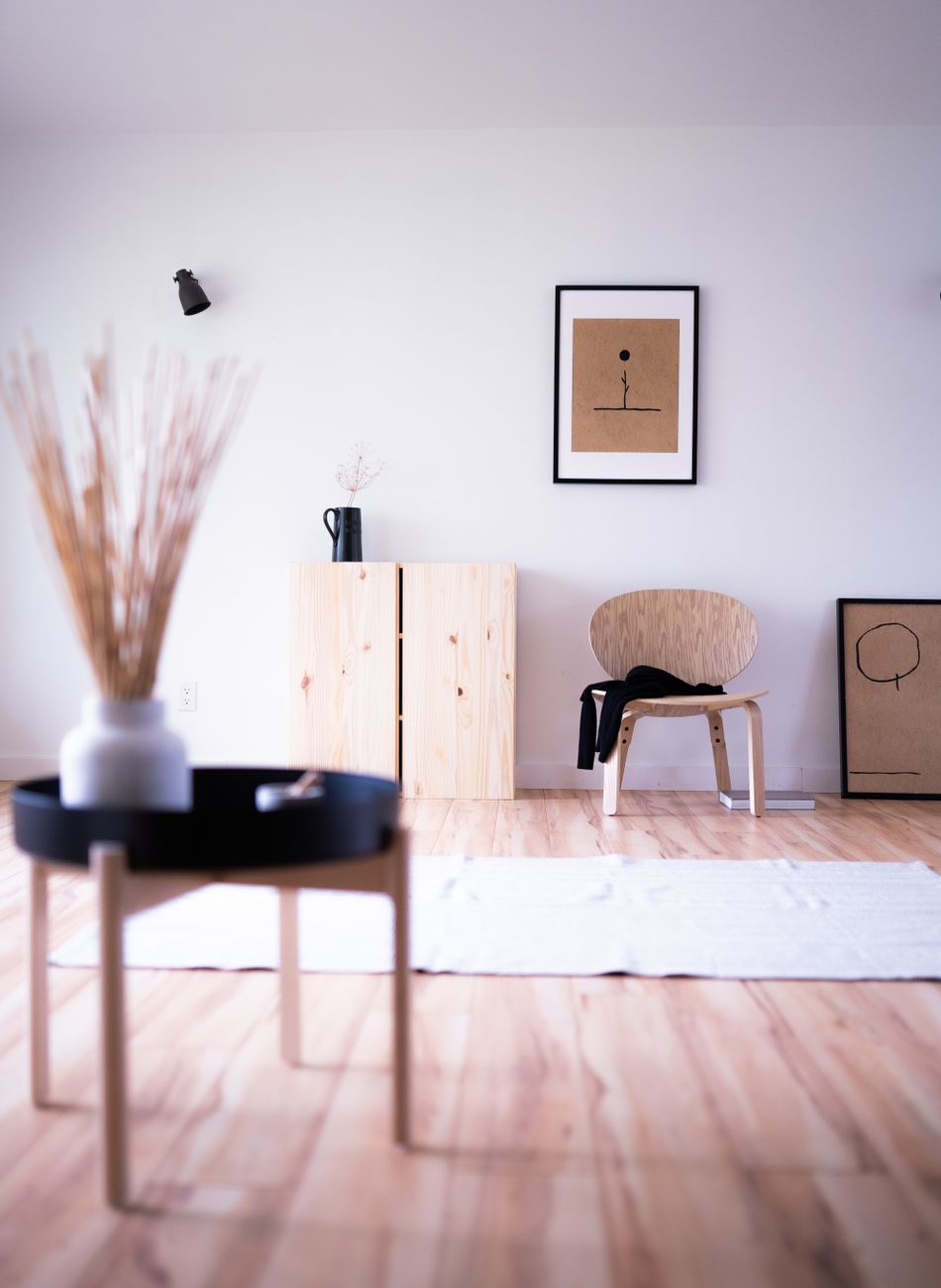
The design philosophy of Japandi, rooted in traditional Japanese design and minimalism, draws on the concept of wabi-sabi. Also, Wabi-sabi must appreciate the beauty of imperfection, simplicity, and the natural aging of everything.
Wabi-Sabi is the concept of enhancing beauty in asymmetry and roughness. Conversely, it may appreciate the passage of time, such as the color changes in ceramics or the wrinkles that can appear on the face with age.
As a combination of design and beauty, Japandi design may bring thoughtful calm to your home and eliminate chaos. Also, this interior design emphasizes clean lines and beautiful design without loud ornamentation, mostly modern concepts that lack warmth.
Key Elements of Japandi Style:
Bringing the Japandi interior to life requires understanding the key elements you may need to combine to achieve your beautiful home.
Here is all we may need to know:
1: Natural Materials and Textures:
Organic materials and textures may contribute to the sustainability and durability present in the Japanese style.
It may include wood such as pine, beech, oak, and bamboo, which are used for their graininess and warm appearance.
2: Using Natural Stones:
You can use natural stone such as granite, limestone, marble, travertine, and slate. This approach also offers an excellent option. Moreover, natural stones offer durability and natural textures and patterns.
3: Wabi-Sabi or Handcrafted materials:
Handcrafted ceramics that are made from materials like clay embody wabi-sabi concepts. Also, Wabi-Sabi designs showcase the beauty of craftsmanship. Moreover, this design also serves diverse purposes, including as art displays or in dining.
You can easily incorporate textile design into Japandi interiors, including organic cotton, linen, hemp, and wool. Additionally, all of these materials may have natural fibers, and they are comfy and promote eco-friendly options.
4: Setting living plants:
You are setting some living plants to add greenery and nature’s touch present in Japandi design. Also, you can suggest some Bonsai trees which are popular in Japanese homes.
Moreover, you can easily consider many plants, such as the Chinese money tree, the Australian bottle tree, ferns, and peace lilies.
Furthermore, Japanese interiors may embrace metals such as brass, bronze, nickel, and unsealed copper. However, all of these metals get a natural patina, which may beautifully add character and depth to your home.
Japandi style with minimalist Layouts:
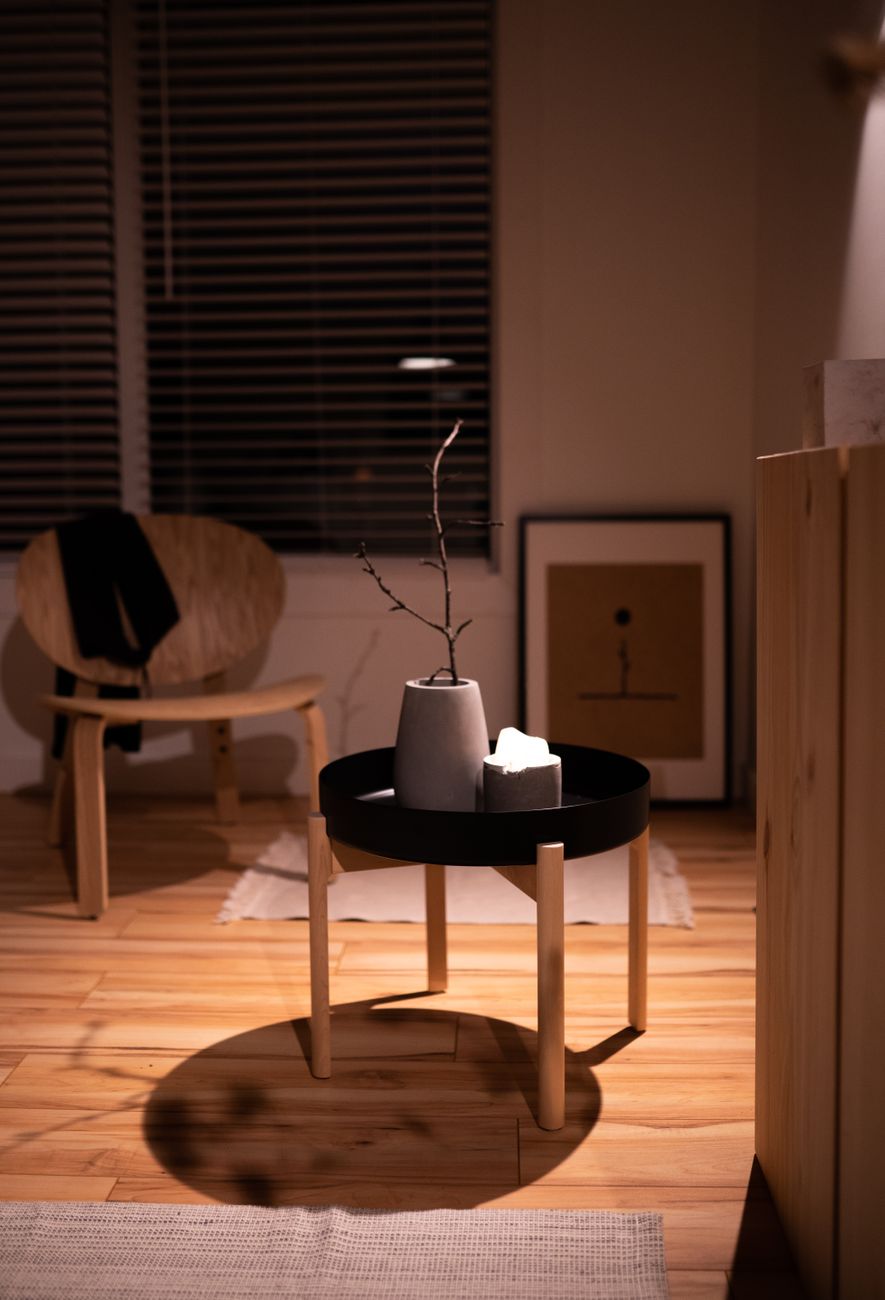
There are so many Japanese layouts for homemakers:
1: You can easily design some open floor layouts and walkways. Also, an open floor plan can connect different areas, facilitating movement and conversation.
2: Low seating arrangements for a stylish and minimalist feature can add an intimate setting. Indeed, you can easily utilize tatami mats, cushions, and poufs.
3: Japandi interiors may encourage flexible furniture arrangement that allows for easy rearrangement when needed. Certainly, you can also use multifunctional pieces like sofa beds. Also, these Japanese designs enhance your home’s aesthetic appeal.
4: You can easily incorporate in-wall, hidden, and other multi-functional storage solutions to keep clutter at bay in your home.
Use of Light and Space to create Japandi Style:
1: Achieving some natural lighting in Japanese design, and this natural style may not only expand the feel of your homes but also exude a spa-like serenity.
2: The Japanese interior blends these two aspects to open up your rooms, highlight organic textures, and offer a soft and warm illumination. Moreover, this design leverages fixtures or lamps made of natural materials, adding depth to your living space without overwhelming the senses.
3: In an ideal space or home, you may curate with intentionality and use clean lines, gentle curves and purposeful negative space. Moreover, this Japanese design may allow for a breathable room. Also, make sure your surface is uncluttered so your eyes can rest.
Japandi Style: Room by Room:
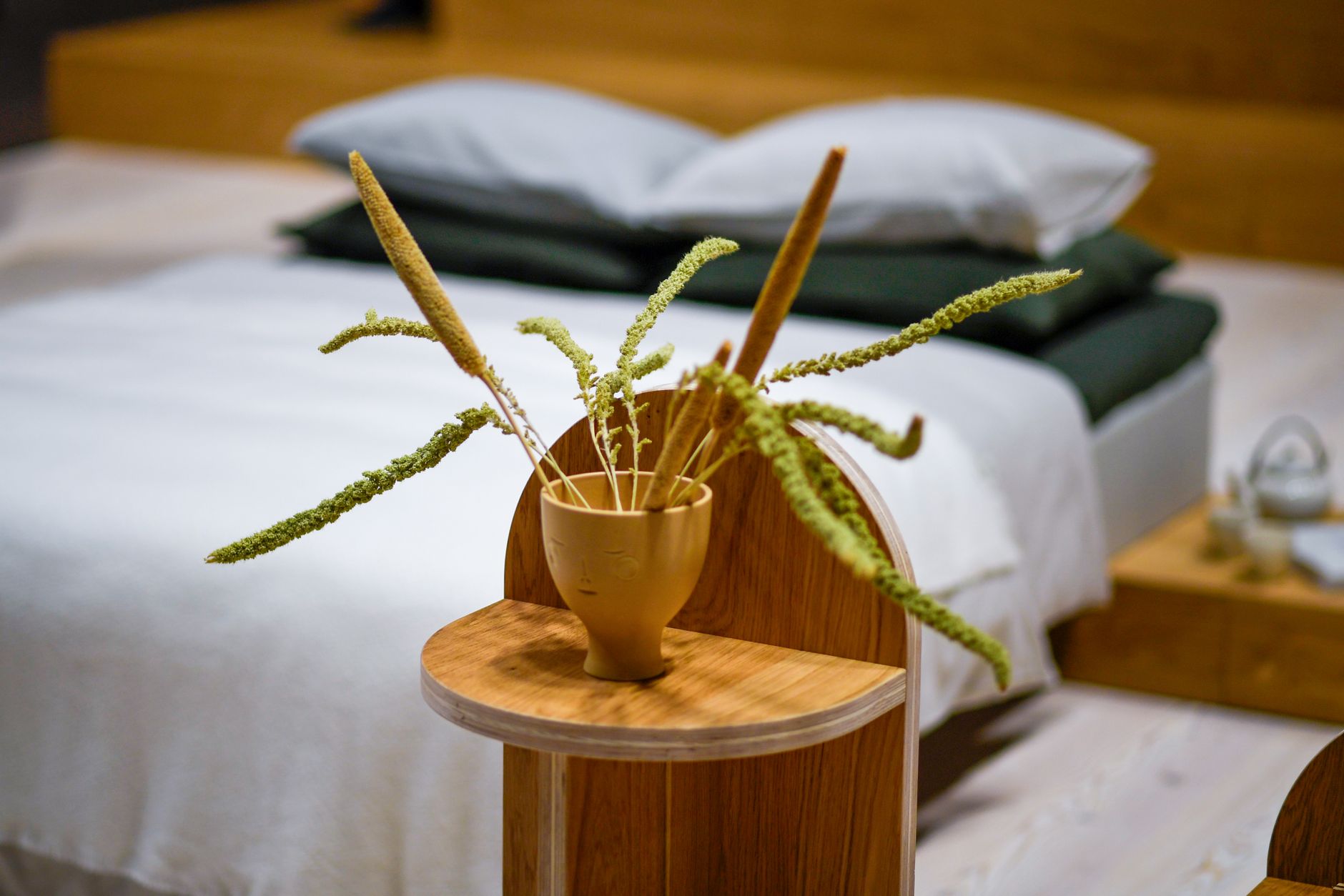
Here are some Japanese suggestions for styling your living room, kitchen, entryways, bathrooms, and bedroom. Moreover, these innovative ideas can utilize the color palettes characteristic of this interior design style.
1: Living Room ideas with a Japanese touch:
You can easily translate the design principles of the Japanese style into your living room area:
1: You may love to use low-setting sofas with natural fabric such as wool and linen. However, you can add an armchair or a lounge sofa on either side with soft curves to enhance the living room’s character.
2: Using a tatami mat and floor cushions to create more space and comfort.
3: Also, you can set a lean toward coffee and side tables with a wooden, organic, and grainy look. Also, homemakers can easily consider bench-style tables and sideboards, which can serve as surfaces and storage.
4: We can use built-in wooden cabinets with bronze cabinet hardware and floating shelves to keep the space open.
There are some lighting ideas for your living room:
Use paper lanterns, pendant lights, or similar fixtures that softly diffuse light throughout your home.
You may also use Wooden or linen lamps with ceramic bottoms.
Dimmer switches can easily adjust the lighting according to your mood.
2: For using rugs and textiles:
Home designers may consider those made from natural fibers, which can be layered for added depth and texture.
We can leverage rugs to separate different sections of your living room. For example, you may use softer wool for rugs in the sitting area and then leave high-traffic areas bare.
Home makers can use throws for their sofas, and always remember that less is more.
3: Japandi-style kitchen:
You can also get some inspiration from:
In the true Japanese style, their kitchen features a muted brown-and-off-white color palette. Also, it includes an overhanging island, pendant lighting over the island, under-cabinet lights, floor LED lights, built-in and handle-free cabinets, and built-in sections for appliances.
Japandi style bedroom design:
Japanese bedroom design, you can borrow some elements from this one:
1: Choosing the wrong rug:
A woven rug, subtle wooden wardrobes with simple handles, white linen, and a low-lying bed are the highlights of this room. Also, the wrong rug textured wall against the bed adds to the charm without overdoing it.
2: The textured marble:
You can easily choose textured marble floors and then rocks under the hanging cabinetry. Also, you can easily select this truly unique representation. Moreover, the mirror, ceiling-to-floor windows, and indoor plants on wooden vases finish the look in an undeniable Japandi interior & design.
3: Dreamy bathroom design:
You can easily create a dreamy bathroom in your space with minimal Japanese design, and it will also fit into your home.
The wooden-and-stone interior design makes this bathroom a timeless option. Overall, the large rainfall showerhead and ambient lighting add to the undeniable spa-like experience.
It can also thrive on variety within simplicity.
Rocky Mountain Hardware matches the Japandi and Wabi-Sabi aesthetic:
Rocky Mountain may excel in areas that the Japanese value most. Also, you may offer handcrafted bronze pieces that align with wabi-sabi and capture the patina metal acquires with age. Moreover, Rocky Mountain Hardware also features warm, organic finishes that soften modern lines and create subtle contrast.
You may offer a variety of textures, including tuft, flower, woody, weave, flute, and more, to provide diverse options for your kitchen, bathroom, and entryway.
Moreover, you can expect premium quality when you invest in fewer, better items. As a home designer, you can integrate RMH pieces as subtle anchors that elevate the entire room.
Useful Tips for Japandi Style in your Space:
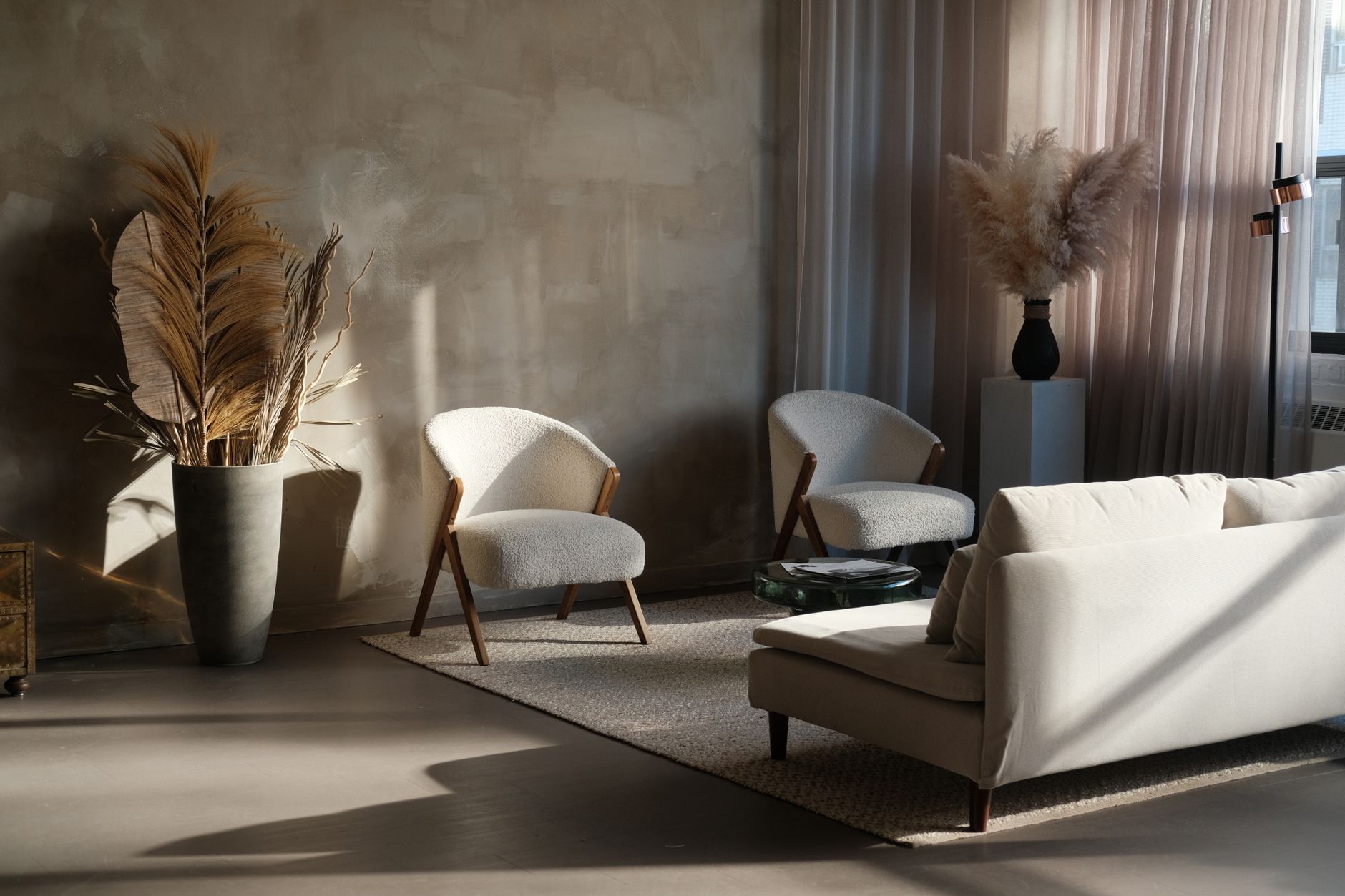
Some actionable tips might help you bring the Japanese interior design into your home, including:
1: Start with decluttering and Spatial Flow:
Japanese aims to reduce visual chaos. Also, this Japanese style may enhance the focus on what really matters, such as statement furniture pieces.
You may start by clearing surfaces, rethinking storage, and reorganizing your furniture to create negative space and flow. Also, the homemakers can easily maximize the everyday functionality of their spaces by using open floor plans.
2: Choosing Handmade and Natural touches:
Our furniture and decor should feature natural materials with a focus on handmade pieces that showcase unique craftsmanship. Also, you can easily select neutral, earthy tones to enhance the look further.
Various layers & textures, and lighting effects can create depth and cohesion. Indeed, you can finish this natural look by adding indoor plants in ceramic vases.
3: Blending Modern Comfort and Craft:
Japanese interior doesn’t ask to sacrifice comfort. Also, if anything, this style aims to maximize space’s comfort.
Designers can use softer linens, cushions, and rugs, which are timeless pieces that may become more beautiful over time.
How to merge with Japandi Style:
The Japanese fusion may work because the two philosophies fill each other’s space:
| Aspect | Wabi-Sabi culture | Hygge Alone | Japanese Fusion |
| Temperature | Can feel austere | Can feel cluttered | Warm but edited |
| Color | Very muted and monochrome | Whites with warm accents | mixing neutrals with depth |
| Texture | Raw, rough | Soft and plush | rough wood with soft linen |
| Objects | Sparse | Abundant (candles, books, throws) | minimum pieces, each with a purpose |
| Mood | Contemplative | Social | Quietly comfortable |
Japanese interior takes wabi-sabi’s restraint and then adds hygge’s warmth. Also, it takes hygge’s comfort and applies editing to it. Moreover, the result is a room that a Japandi architect and a Danish furniture designer would both feel at home in.
Most Frequently Asked Questions
1: Is Japandi style still trending?
Ans: The Japanese style has been trending lately, and over the past few years, the underlying philosophies of Hygge and Wabi-sabi have felt timeless and effortless. Moreover, Japanese design may embrace an evergreen approach by incorporating objects and spaces.
2: How does a Japandi interior differ from other styles?
Ans: The other style, minimalism, strips everything down to focus on clean lines; Japanese style embodies minimalism with warmth and embraces imperfections in your home.
3: Can Japandi interior work well in small homes or spaces?
Ans: Absolutely, this Japanese-style work and focus on open floor plans and natural lighting can make even a small space feel spacious and more stylish.
4: What type of flooring works best for Japandi Style?
Ans: Some home designers may work well for Japanese purposes and handle humidity better. Also, you can choose large-format natural stone tiles (limestone or travertine) for kitchens and bathrooms.
5: Is the Japandi aesthetic & interior good for families with children?
Ans: Yes, Japanese and Scandinavian styles may be designed for family homes, not bachelor lofts. Also, this Japanese design emphasizes durable natural materials (solid wood resists wear, linen gets softer with washing) and low furniture. Moreover, it is very safe for small children.
The Final Words:
Japandi Style is an ultimately choice for every type of person. Also, this Japanese style can easily suit every type of home user, from small to large families. Moreover, this Japanese design and style rewards patience and restraint. Furthermore, you can easily start by removing rather than adding. However, homemakers can easily select materials that will look better with age, not worse.
2 thoughts on “Japandi Style: The Complete Guide to Creating a Calm and Minimalist Home”