
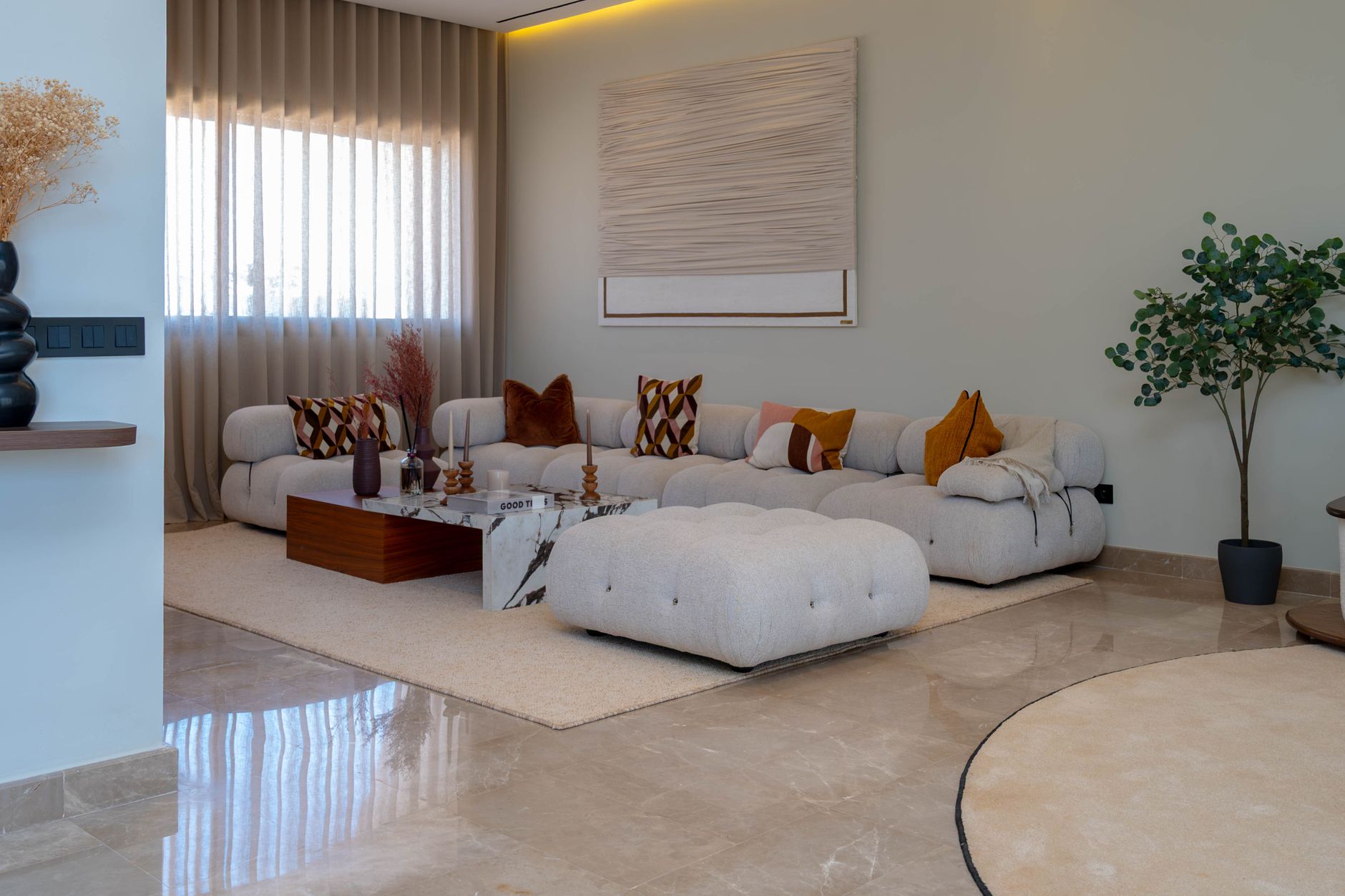
Interior decorating styles play a big part in making your home comfortable, beautiful, and functional. Whether you are furnishing a new house or updating your current space, knowing about different interior decorating styles can help you create rooms that show your personality and are nice to look at. From traditional style to modern minimalism, every decorating style has its own special colors, furniture, textures, and decorations.
In this guide, we will explore popular interior decorating styles, explain what makes them special, and give you expert tips to help you design spaces you will love.
Why Understanding Interior Decorating Styles Matters
A lot of people start decorating without a plan. This can lead to furniture that does not match, colors that do not go well together, and spaces that feel cluttered.
Learning about decorating styles helps you:
- Create a home design that looks cohesive and good together
- Shop for furniture and decor with confidence
- Save money by avoiding buying things you do not need
- Enhance your home’s overall aesthetic value
- Make your home more comfortable and functional
- Show your personality through your home design
Whether you like cozy farmhouse style or modern sophistication, knowing what you like makes it easier to make decisions.
How to Choose the Right Interior Decorating Style
Before you buy furniture or paint, take some time to think about a few key factors.
Think About Your Lifestyle
Consider how you and your family live every day. Ask yourself:
- Do you have kids or pets?
- Do you host guests often?
- Do you work from home?
- Do you prefer things that are easy to clean and take care of?
Your lifestyle should always influence the way you decorate.
Consider Your Home’s Architecture
Some interior decorating styles naturally look better with certain types of buildings:
- Farmhouses look great with rustic or country interiors.
- Older homes pair beautifully with traditional or vintage decor.
- Modern homes suit contemporary and minimalist styles.
- Coastal properties match perfectly with beach-inspired decor.
Matching your decor with your home’s architecture creates a seamless visual flow.
Identify Colors You Love
The colors you naturally gravitate toward can help point you toward a specific decorating style:
- White and gray (Modern/Minimalist)
- Beige, cream, and warm neutrals (Transitional/Scandinavian)
- Navy and white (Coastal)
- Earth tones, rust, and forest green (Rustic/Bohemian)
Get Inspiration
Look for visual ideas across various platforms:
- Home decor websites and design magazines
- Pinterest boards and Instagram photos
- Model homes and showrooms
Save pictures you like and look for recurring themes, textures, or layouts that keep showing up.
Popular Interior Decorating Styles
Modern Interior Decorating Style
Modern interiors are defined by simplicity and clean lines.
- Key Traits: Neutral colors, zero clutter, low-profile furniture, open floor plans, natural materials, big windows, and simple art.
- Popular Colors: White, black, gray, beige, and charcoal.
- Furniture Style: Straight lines, smooth surfaces, metal accents, glass tables, and low sofas.
- Best For: Apartments, modern homes, city living, and busy professionals.
Contemporary Interior Decorating Style
Unlike modern style (which refers to a specific mid-century era), contemporary style is fluid and always changing with current trends.
- Key Traits: Trendy furniture, open layouts, statement lighting, and mixed textures.
- Color Palette: Neutral base colors paired with bold accents like green, blue, orange, or yellow.
Traditional Interior Decorating Style
Traditional decorating is elegant, orderly, and timeless.
- Key Traits: Dark wood furniture, symmetrical layouts, architectural crown molding, luxurious fabrics, and antique-inspired accessories.
- Common Colors: Burgundy, navy, cream, forest green, and gold accents.
- Classic Elements: Chandeliers, ornate rugs, gilded mirrors, and classic oil-painting art.
Transitional Interior Decorating Style
Transitional design seamlessly combines classic and modern elements, offering a balance of comfort and sophistication.
- Key Traits: Cohesive neutral colors, comfortable scaled furniture, minimal ornamentation, mixed materials, and soft textures.
- Appeal: It is inherently timeless rather than trendy.
Scandinavian Interior Decorating Style
Scandinavian interiors prioritize functionality, minimalism, and a connection to nature.
- Key Traits: White walls, light-toned wood (like ash or beech), cozy textiles, maximized natural light, and functional furniture.
- Decor Elements: Wool throws, indoor plants, linen curtains, bare wood floors, and simple geometric art.
Farmhouse Interior Decorating Style
Farmhouse style is highly popular for busy families because of its forgiving, lived-in nature.
- Key Traits: Rustic wood, neutral colors, vintage accessories, exceptionally comfortable furniture, open shelving, and big dining tables.
- Common Materials: Reclaimed wood, cotton, linen, wrought iron, and natural stone.
Modern Farmhouse Style
Modern farmhouse style updates classic rustic charm with cleaner, sharper lines.
- Key Traits: Matte black fixtures, crisp white walls, exposed wood beams, large windows, and minimal clutter.
Rustic Interior Decorating Style
Rustic decorating celebrates raw, unrefined nature.
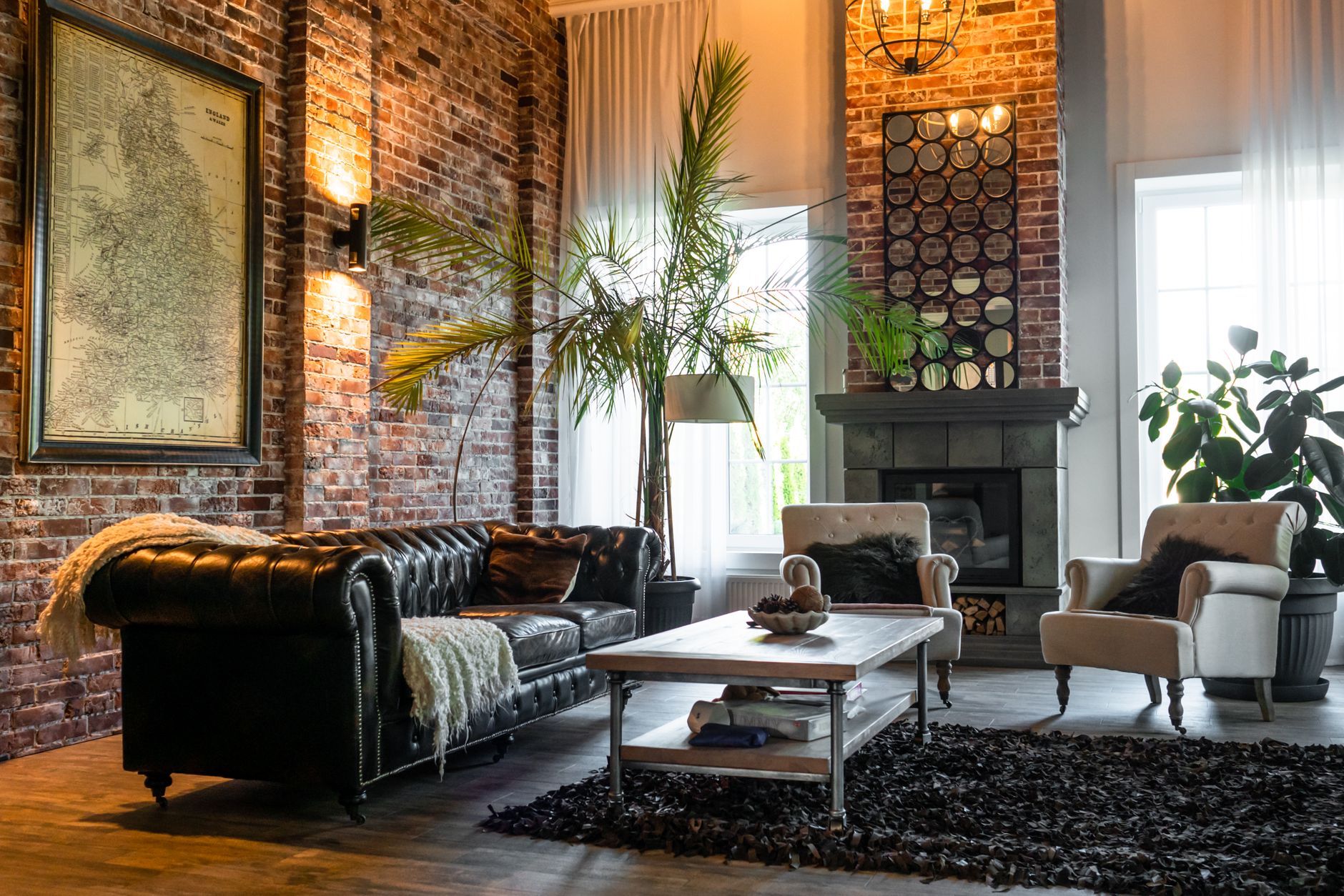
- Key Traits: Exposed architectural beams, stone fireplaces, handmade wooden furniture, heavy textures, leather seating, and warm lighting.
- Popular Colors: Brown, deep green, rust, cream, and taupe.
Industrial Interior Decorating Style
Industrial decor is heavily inspired by converted warehouses, factories, and city lofts.
- Key Traits: Exposed brick walls, concrete floors, steel structural accents, high ceilings, Edison bulbs, and large factory-style windows.
- Furniture Style: Metal frames, reclaimed wood surfaces, distressed finishes, and vintage leather.
Coastal Interior Decorating Style
Coastal decorating creates a relaxed, breezy beach-house atmosphere regardless of location.
- Key Traits: Bright spaces, heavy reliance on natural light, woven baskets, driftwood, linen fabrics, rope accents, and ocean-inspired art.
- Color Palette: Crisp whites, seafoam greens, ocean blues, sandy beiges, and soft grays.
Bohemian Interior Decorating Style
Bohemian (or Boho) style is creative, free-spirited, and highly individualistic.
- Key Traits: Layered textiles, vintage or global furniture, bold jewel tones, handmade decor, abundance of plants, and worldwide cultural influences.
- Popular Accessories: Macrame wall hangings, patterned rugs, floor cushions, and rattan furniture.
Mid-Century Modern Interior Decorating Style
Originating from the 1940s to the 1960s, this style focuses on juxtaposing organic shapes with clean, geometric lines.
- Key Traits: Organic shapes, tapered wooden legs, highly functional furniture, and bold accent colors with minimal decoration.
- Popular Woods: Walnut, teak, and oak.
Minimalist Interior Decorating Style
Minimalism is anchored entirely by the philosophy of “less is more.”
- Key Traits: Ultra-clean lines, monochromatic color palettes, hidden storage solutions, highly functional multi-purpose furniture, open spaces, and sparse accessories.
Interior Decorating Styles for Every Room
Living Room Decorating Ideas
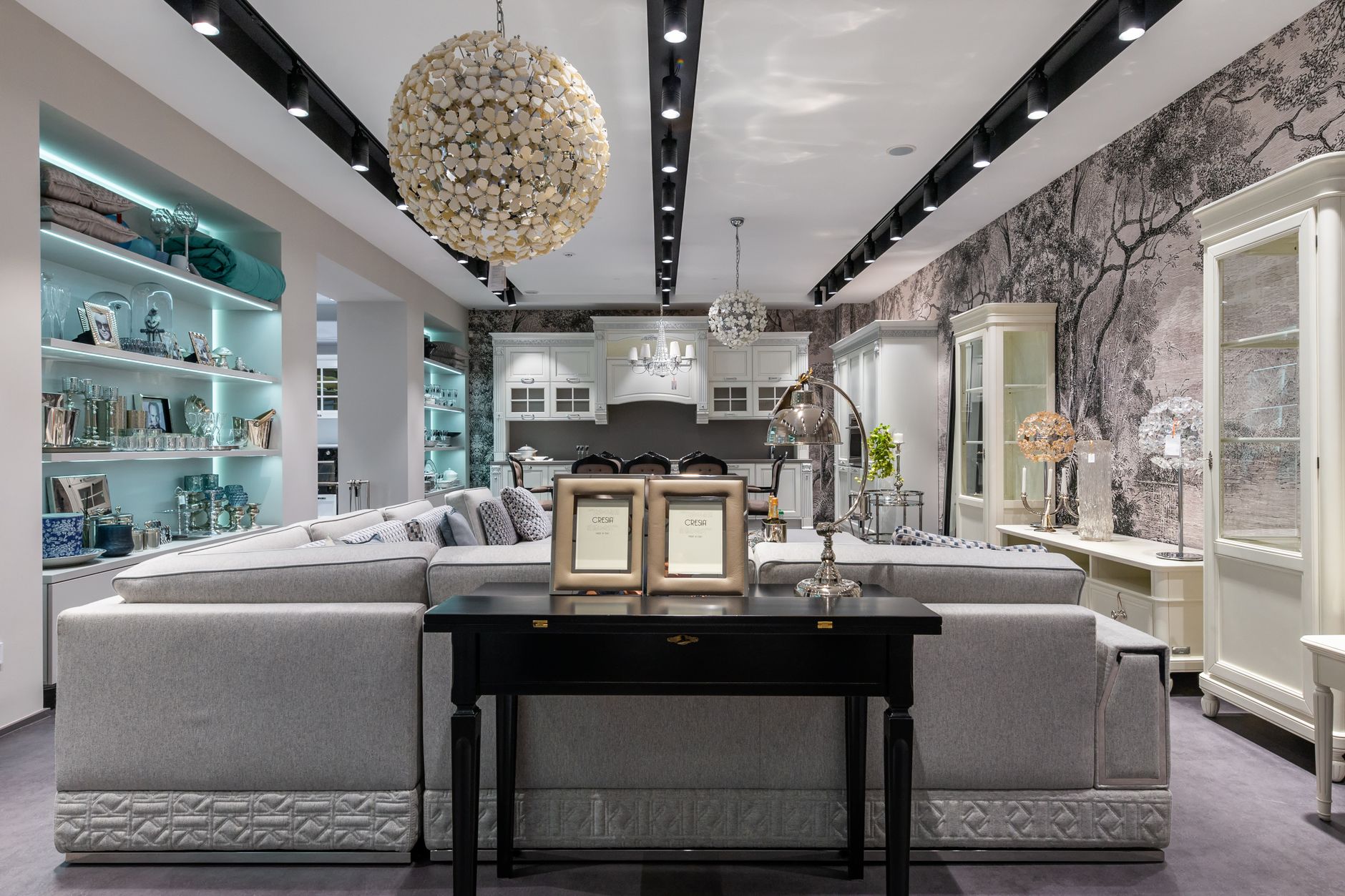
The living room is the social hub of the home.
- Focus on a high-quality, comfortable sofa.
- Use layered lighting (ambient, task, and accent).
- Choose a clear focal point (like a fireplace or media console).
- Add depth using textured rugs, throw pillows, and live plants.
Bedroom Decorating Ideas
A bedroom should be a peaceful, relaxing sanctuary.
- Invest in soft, high-quality bedding and blackout curtains.
- Coordinate nightstands and introduce warm, dimmable bedside lighting.
- Keep clutter and excessive furniture to a minimum to preserve a peaceful environment.
Kitchen Decorating Ideas
Kitchens must balance aesthetics with intense daily functionality.
- Incorporate durable quartz countertops and stylish tile backsplashes.
- Use statement pendant lights over islands or bars.
- Mix in open shelving and stylish bar stools that complement your overall design theme.
Bathroom Decorating Ideas
Even small bathrooms can feel like a luxury spa with the right design choices.
- Consider floating vanities and frameless mirrors to maximize visual space.
- Add wall sconces, natural stone accents, decorative storage baskets, and humidity-loving plants.
Dining Room Decorating Ideas
The dining room should feel welcoming and structured for conversation.
- Anchor the room with a statement chandelier directly over the main dining table.
- Incorporate comfortable upholstered chairs, elegant curtains, and a soft area rug to absorb sound.
Home Office Decorating Ideas
Home offices are crucial for productivity, focus, and comfort.
- Prioritize ergonomic seating and adjustable, glare-free lighting.
- Keep spaces organized with plenty of shelving and minimalist backgrounds for video calls.
Decorating Tips That Work with Any Style
These timeless design principles will help create an inviting home, no matter your preferred aesthetic.
1. Choose a Consistent Color Palette
Limit your whole-home color palette to three to five colors that complement one another. This creates visual harmony and helps one room flow seamlessly into the next.
2. Layer Different Textures
Mixing materials adds depth and prevents neutral rooms from looking flat. Try combining different textures such as:
- Raw wood and smooth glass
- Crisp linen and rich velvet
- Soft leather and industrial metal
- Woven woven baskets
3. Use Lighting Strategically
Lighting completely alters the mood of a room. Always combine three layers of light:
- Ambient: General overhead lighting.
- Task: Desk lamps, reading lights, or under-cabinet LEDs.
- Accent: Wall sconces or picture lights to highlight art.
- Tip: Install dimmer switches wherever possible for maximum flexibility.
4. Incorporate Natural Elements
Natural materials bring literal warmth and balance into a house. Incorporate houseplants, stone coasters, wood grain, cotton, linen, or bamboo to soften harsh lines.
5. Avoid Overdecorating
One of the most common decorating mistakes is trying to fill every square inch of space. Leave some “breathing room” on your walls and counters. Prioritize quality over quantity, and keep your primary surfaces highly organized.
Common Mistakes to Avoid
Beautifully planned homes can quickly feel chaotic due to minor, avoidable errors. Be sure to avoid:
- Buying furniture before carefully measuring your layout space.
- Ignoring the direction and amount of natural light a room receives.
- Using too many competing colors in one room.
- Hanging artwork too high on the wall (it should be at eye level).
- Choosing area rugs that are too small for the furniture grouping.
- Overcrowding walkways with unnecessary accent tables.
- Forgetting to integrate hidden storage solutions into your floor plan.
Interior Decorating Trends for 2026
Home design is always evolving, with modern preferences leaning heavily toward sustainability, tech integration, and comfort. Current major design trends include:
- Warm neutral color palettes (terracotta, warm beige, rich creams)
- Sustainable, non-toxic, and eco-friendly materials
- Curved furniture silhouettes and rounded archways
- Bold, raw natural stone accents (like heavily veined marble)
- Seamless smart home technology integration
- Highly flexible, multifunctional furniture
- Dramatic statement lighting fixtures
- Textured ceilings (plaster or wood paneling)
- Biophilic design (bringing nature deeply indoors)
- Hyper-personalized, authentic decor over mass-produced items
How to Mix Interior Decorating Styles Successfully
Mixing design styles creates a truly unique, curated home, but maintaining balance is key:
- The 80/20 Rule: Start with one dominant style for 80% of the room (e.g., Modern Minimalism). Use a secondary style for the remaining 20% (e.g., Bohemian textiles or antique lighting).
- Tie it Together: Use a cohesive color palette or matching metal finishes (like matte black or brushed brass) throughout the room to bridge the gap between different eras of furniture.
- Avoid Chaos: Don’t combine more than two or three distinct themes in a single room, or the space will look cluttered and unfocused.
Frequently Asked Questions (FAQs)
What are the most popular interior decorating styles?
The most widely embraced decorating styles include Modern, Contemporary, Scandinavian, Farmhouse, Traditional, Transitional, Coastal, Industrial, Rustic, Bohemian, and Mid-Century Modern.
How do I choose the right interior decorating style for my home?
Evaluate your daily lifestyle, note the architectural era of your home, identify your favorite color families, and determine the exact mood (calm, energetic, cozy) you want to build.
Can I mix different interior decorating styles?
Absolutely! In fact, mixing styles makes a home look more organic and personal. Just keep your color palette unified and make sure your furniture scales match.
Which interior decorating style is the easiest to maintain?
Modern, Scandinavian, and Minimalist styles are typically the easiest to keep clean and maintain because they feature streamlined furniture, hidden storage, and very few dust-collecting accessories.
Which decorating style makes a home look more expensive?
Transitional, Modern, and Contemporary styles often look premium. You can achieve an upscale look in any style by investing in high-quality materials, layered lighting, custom window treatments, and well-proportioned furniture.
Are decorating styles entirely dictated by trends?
While trends introduce new colors, textiles, and materials every year, the foundational principles of classic interior decorating styles remain completely timeless.
Conclusion
Choosing an interior decorating style is all about creating a space that is functional, beautiful, and authentic to who you are. Rather than chasing every passing trend, focus your attention on timeless design pillars like balance, comfort, quality materials, and a cohesive color palette. With thoughtful planning, layered lighting, and personal touches, you can easily design a welcoming environment that will remain stylish for years to come.
6 thoughts on “Interior Decorating Styles: The Ultimate Guide to Creating a Personalized Home”