
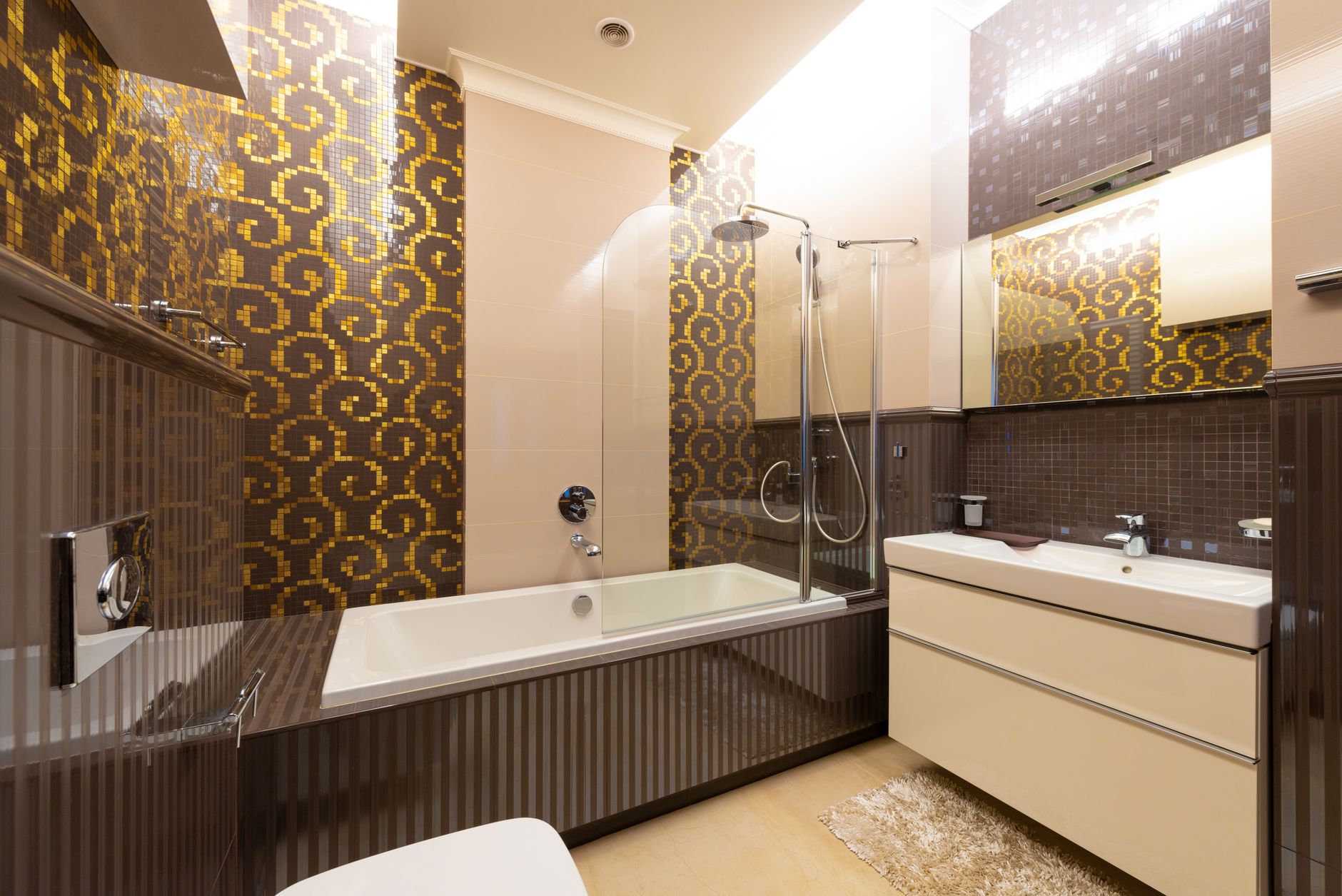
When planning a bathroom renovation, picking the right shower tile can completely change the look and feel of the space. Bathroom tiles are more than just a waterproof surface—they define your style, create visual interest, and add significant value to your home. Whether designing a luxury master suite or updating a compact guest bath, the perfect tile makes all the difference.
Today’s design landscape offers vast possibilities, from classic subway tiles to bold geometric patterns and elegant natural stone. This comprehensive guide explores popular styles, materials, layouts, and expert maintenance tips to help you create a shower that is both beautiful and practical.
Why Choosing the Right Tile Matters
The shower is one of the most high-traffic areas in your home. Selecting the right tile affects not only the room’s aesthetics but also its long-term durability and upkeep requirements.
High-quality shower tiles provide:
- Water Resistance: Superior protection against moisture damage and leaks.
- Easy Maintenance: Surfaces that resist soap scum and are simple to wipe down.
- Long-Lasting Beauty: Durable materials that hold up against daily wear and tear.
- Enhanced Safety: Slip-resistant textures that secure wet flooring areas.
- Increased Home Value: Modern, professionally tiled bathrooms offer an excellent return on investment.
How to Choose the Right Bathroom Shower Tile
Before selecting a specific design, consider how the following foundational elements will interact with your space.
1. Bathroom Size
- Small Bathrooms: Benefit greatly from large-format tiles, which reduce grout lines to create the illusion of a larger, more expansive space.
- Large Bathrooms: Can easily accommodate busy mosaics, bold accent walls, and intricate geometric patterns without feeling overwhelmed.
2. Material Selection
Different materials require varying levels of maintenance and provide distinct aesthetics:
- Porcelain & Ceramic: Highly durable, cost-effective, and low-maintenance.
- Natural Stone (Marble, Slate, Travertine): Offers high-end elegance but requires regular sealing.
- Glass & Pebble Stone: Ideal for reflective accent features or texture-rich, slip-resistant shower floors.
3. Color & Texture
- Color Schemes: Light colors (whites, creams, soft grays) make spaces feel bright and open, while darker tones (navy, matte black, deep greens) add dramatic luxury.
- Surface Texture: Matte and textured tiles improve grip underfoot, making them essential for safety on shower floors.
25 Inspiring Bathroom Shower Tile Ideas
Classic & Contemporary Favorites
- Classic White Subway Tile: A timeless, affordable, and highly versatile choice. Pair it with dark grout for a crisp, high-contrast look.
- Large-Format Porcelain: Minimizes grout lines for a seamless, ultra-modern aesthetic that is incredibly easy to clean.
- Marble Shower Walls: Natural varieties like Carrara or Calacatta instantly evoke a high-end, luxury spa atmosphere.
- Vertical Stacked Tiles: Shifting standard subway tiles into a vertical grid offers a clean architectural look that visually elevates low ceilings.
- Hexagon Accent Walls: Introduce playful geometry and personality using matte black, marble, or mixed-stone hexagon shapes.
Textures & Dimension
- Floor-to-Ceiling Tiling: Covering every wall from floor to ceiling provides premium waterproof protection and a cohesive, hotel-inspired feel.
- Wood-Look Porcelain: Delivers the natural warmth and rich texture of hardwood combined with the absolute moisture resistance of porcelain.
- Herringbone Patterns: Elevates standard rectangular tiles by arranging them in a sophisticated layout that introduces movement and elegance.
- Mosaic Feature Walls: Create a beautiful, shimmering focal point directly behind the showerhead using glass or metallic mosaics.
- Matte Black Style: A bold choice for contemporary spaces. Pair it with gold or brass hardware for a striking, upscale contrast.
Nature-Inspired Retreats
- Natural Stone Showers: Utilize unique slabs of slate, limestone, or quartzite to ensure no two walls look exactly alike.
- Penny Round Tiles: A vintage look making a major comeback. Excellent for shower floors and recessed niches due to their high-traction surface.
- Blue Coastal Palettes: Incorporate shades of aqua, navy, or seafoam green to build a serene, beach-inspired home retreat.
- Chevron Tile Layouts: Offer a sharp, zig-zag pattern that provides an immediate, upscale designer appearance.
- Mixed Textures: Layer matte wall tiles with glossy accent strips and a pebble floor for visual depth that avoids looking cluttered.
High-End Highlighting
- Marble and Gold Pairing: Match classic white marble with brushed gold plumbing fixtures for a stunning, regal aesthetic.
- High-Contrast Black & White: Anchor the space with a matte black floor and bright white walls for a crisp look that fits any bathroom size.
- Pebble Stone Floors: Provide a natural, massage-like sensation underfoot alongside exceptional built-in slip resistance.
- Textured Porcelain: Choose finishes that mimic concrete, linen, or raw slate to add depth without relying on loud colors.
- Vertical Accent Strips: Run a band of unique mosaic tile from floor to ceiling to draw the eye upward and give a custom feel.
Modern Masterpieces
- Recessed Niches with Accent Tile: Use contrasting herringbone or mosaic patterns inside built-in shelving to turn storage into decoration.
- Neutral Earth Tones: Lean on sand, taupe, and warm gray palettes to create a calming, grounded environment.
- Nature-Inspired Greens: Use sage or emerald tile alongside wood vanities and indoor plants to cultivate an organic oasis.
- Industrial Concrete-Look: Deploy concrete-look porcelain tiles for a sleek, minimalist style that pairs perfectly with matte black fixtures.
- Mixed-Scale Layouts: Combine oversized tiles on the walls with miniature mosaics on the floor to achieve an ideal balance of safety and scale.
Smart Design Strategies for Small Bathrooms
A compact floor plan doesn’t mean you have to compromise on style. Use these simple techniques to visually expand a smaller shower area:
- Go Big on Wall Tiles: Using large-format styles reduces the number of grout lines, making walls look continuous and less restrictive.
- Keep Colors Light: Soft, reflective tones keep the area feeling bright, airy, and open.
- Run Tiles to the Ceiling: Extending the layout all the way up draws the eyes upward, creating the illusion of height.
- Incorporate Clear Glass: Replace restrictive shower curtains or framed inserts with frameless glass doors to keep sightlines open.
- Opt for Recessed Storage: Choose flush, built-in niches rather than protruding shelves to maximize functional elbow room.
Common Installation Mistakes to Avoid
To ensure your renovation stands the test of time, keep an eye out for these frequent pitfalls:
- Choosing Slippery Floor Tile: Always check the slip-resistance rating for floor applications. Avoid high-gloss finishes where you stand.
- Skipping Waterproofing: Proper moisture barriers behind the tile are critical to preventing structural rot and mold growth.
- Overcomplicating Patterns: Mixing more than three different tile styles in one bathroom can make the space feel chaotic.
- Forgetting to Seal Stone: Natural materials like marble and travertine absorb water and stain easily if left unsealed.
- Neglecting Grout Color: Light grout on floor surfaces discolors quickly; consider darker or neutral tones for heavy-use floor areas.
Best Practices for Maintenance & Cleaning
Keep your newly tiled shower looking brand new for decades by implementing a consistent care routine:
Pro Maintenance Tip
Squeegee After Every Use: Spend 30 seconds wiping down walls and glass doors after your final shower of the day. This simple habit eliminates up to 90% of water spots and soap scum buildup before it sets.
- Weekly Cleanings: Scrub grout lines weekly using a soft-bristled brush to prevent mildew colonization.
- Use pH-Neutral Cleaners: Avoid harsh, acidic chemicals on natural stones like marble, as they can cause permanent etching.
- Ensure Proper Ventilation: Run your bathroom exhaust fan during your shower and leave it on for 20 minutes afterward to completely clear moisture.
- Address Damage Quickly: Repair cracked grout or failing silicone caulk immediately to prevent water from seeping into underlying drywall.
Frequently Asked Questions
What is the absolute best tile material for a shower?
Porcelain tile is widely considered the best choice. It is denser and less porous than standard ceramic, making it highly water-resistant, incredibly durable, easy to clean, and available in thousands of styles.
Are large tiles better for a shower?
Yes, especially on walls. Larger tiles significantly minimize the presence of grout lines, making the shower much easier to clean while establishing a clean, spacious look.
Which shower tile colors are truly timeless?
White, soft gray, warm beige, and authentic natural stone tones are the most enduring choices. They adapt effortlessly to changing design trends and paint colors over the years.
Do textured tiles belong on the shower floor?
Absolutely. Textured, matte, or heavily grouted mosaic tiles provide vital traction underfoot, significantly reducing the risk of slips and falls in wet conditions.
Conclusion:
For expert home improvement inspiration, comprehensive bathroom remodeling guides, and interior design tips, visit HOMEDECORFIX.COM to find practical ideas for transforming every room in your home.
2 thoughts on “25 Bathroom Shower Tile Ideas to Transform Your Space in 2026”