
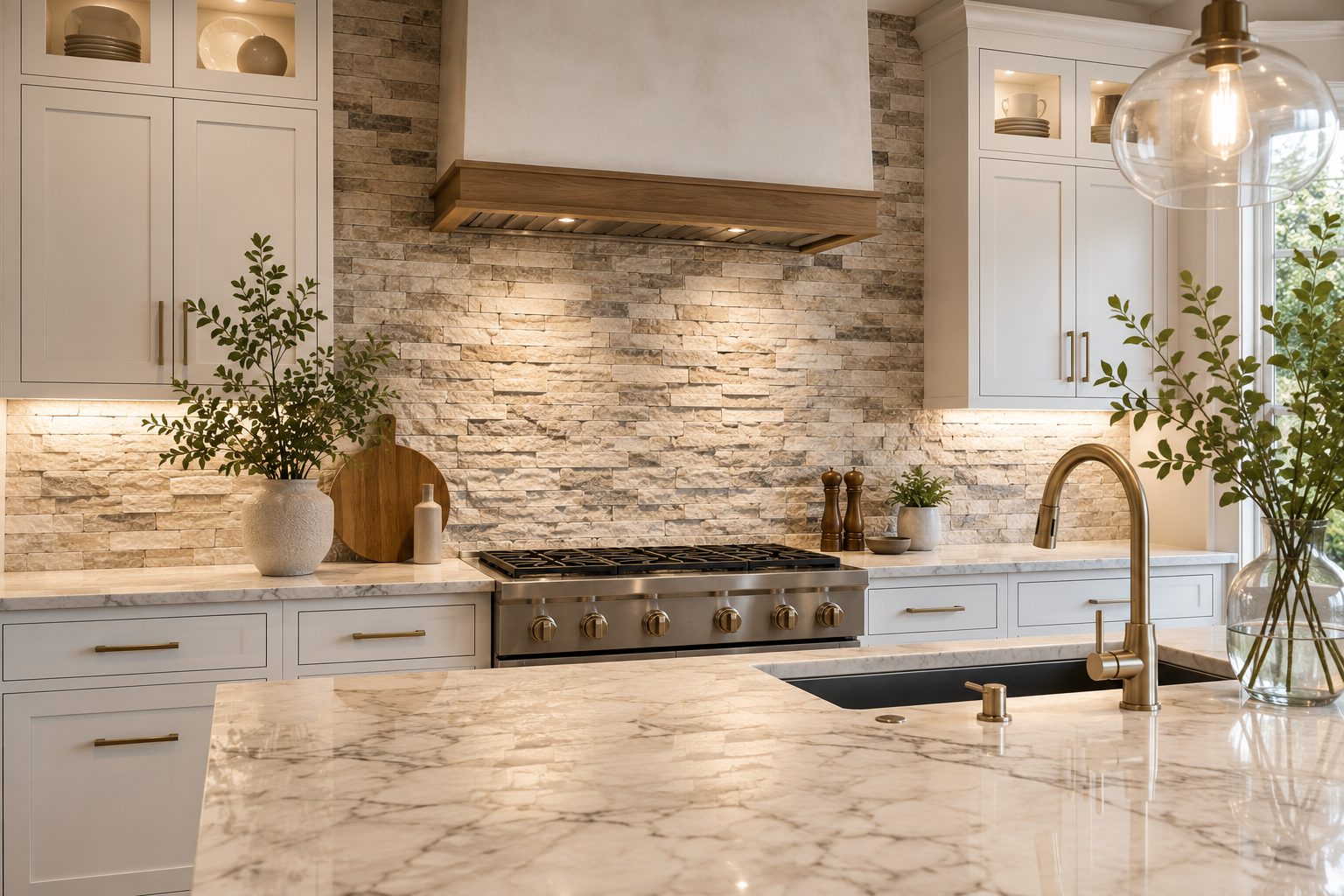
A stone backsplash is one of the most impactful upgrades you can make in a kitchen or bathroom. Beyond protecting your walls from water, grease, and stubborn stains, it injects architectural beauty, rich texture, and long-term resale value into your home. Whether you are planning a full-scale renovation or simply looking for a quick weekend refresh, natural stone offers a beautiful blend of durability, elegance, and design versatility that complements almost any interior style.
Today’s stone backsplash options span an incredible spectrum of colors, finishes, and patterns—ranging from luxurious classic marble to rustic stacked stone and ultra-modern slate. This ultimate guide breaks down premium material choices, trending design layouts, essential installation tips, and pro maintenance requirements so you can confidently select the perfect stone backsplash for your home.
What Is a Stone Backsplash?
A stone backsplash is a specialized wall covering installed directly behind sinks, countertops, and cooking ranges. While its primary structural purpose is to shield drywall from moisture, heat, and daily kitchen splatters, it also serves as a commanding design centerpiece.
Unlike standard painted drywall or smooth ceramic tile, natural stone introduces raw visual depth and organic texture. Homeowners consistently choose stone because it effortlessly fuses everyday functionality with high-end architectural appeal.
Core Benefits of Installing a Stone Backsplash
- Timeless Aesthetic: Natural stone transcends passing interior design fads. Whether your home skews farmhouse, modern, or traditional, a stone accent adds an organic elegance that remains attractive for decades.
- Exceptional Durability: Formed by intense natural heat and pressure, stone is highly resilient against scratches, heat exposure, and impact. When sealed properly, it can easily last a lifetime.
- Boosted Property Value: High-quality natural materials are viewed as premium finishes by appraisers. Installing a stone backsplash is an excellent way to elevate your home’s appeal to potential buyers.
- Low-Maintenance Care: Modern sealing technologies make everyday cleanup incredibly easy. A quick wipe down with a soft microfiber cloth and a gentle, pH-neutral cleaner is all it takes to keep it looking pristine.
Popular Types of Stone Backsplash Materials
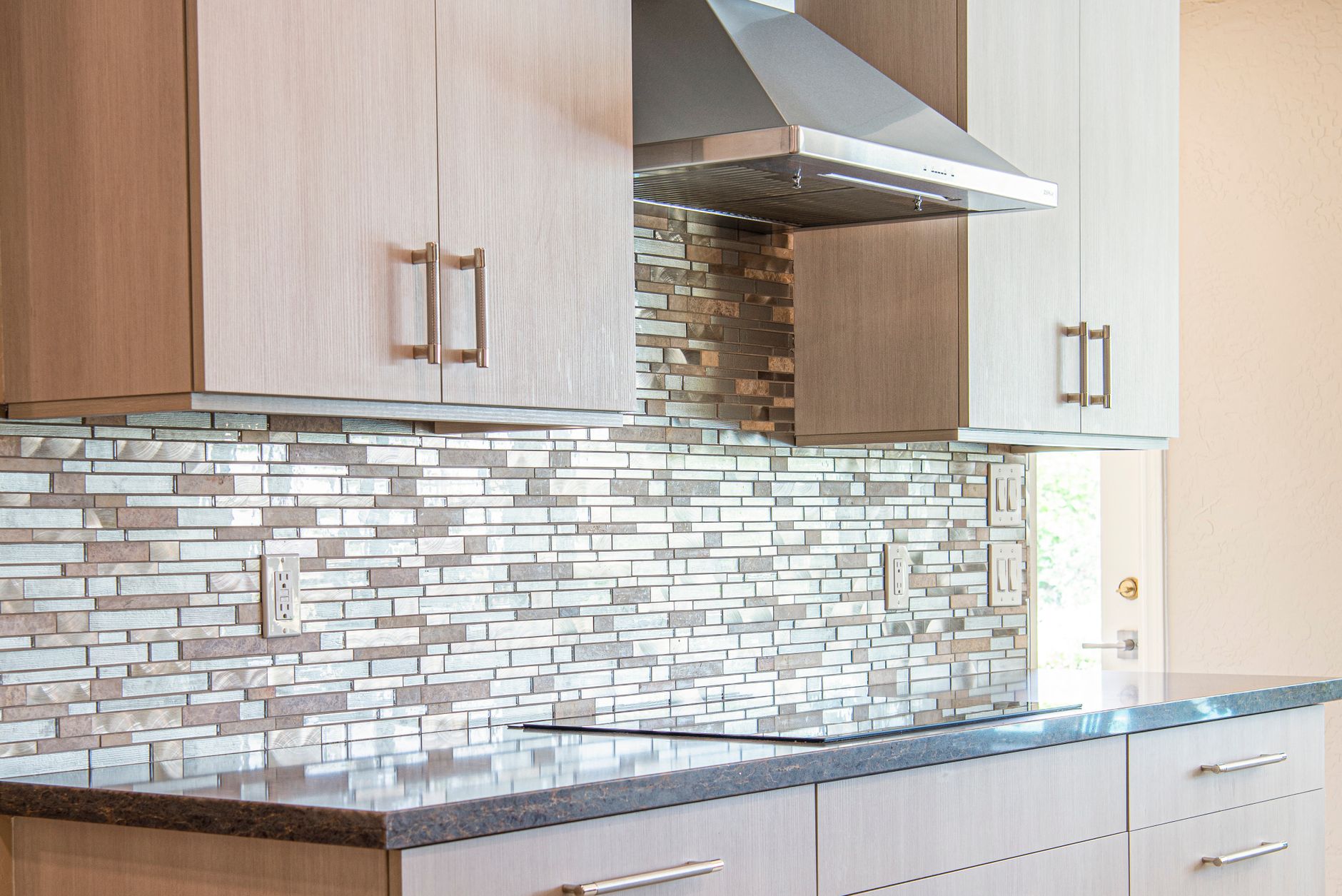
Selecting the right raw material is the most critical decision in your design journey, as each stone behaves differently under daily wear.
Marble
Famous for its luminous, bright appearance and distinctive, high-contrast veining.
- Pros: Instantly elevates the luxury status of a room; timeless appeal that dramatically increases perceived home value.
- Cons: Highly porous; requires regular sealing and can etch if exposed to acidic substances like lemon juice or tomato sauce.
- Best For: High-end master bathrooms and upscale traditional kitchens.
Granite
One of the hardest and most indestructible natural stones available on Earth.
- Pros: Impervious to high heat and scratches; features unique, unpredictable natural patterns and boasts a massive lifespan.
- Cons: Heavy to install and requires proper structural wall support.
- Best For: Heavy-duty kitchen work zones, especially when paired with matching granite countertops for a continuous, seamless look.
Slate
A dense, layered stone that offers rich texture and deep, moody color variations.
- Pros: Inherently slip-resistant and highly stain-resistant; naturally hides minor dirt and smudges.
- Cons: Can split or flake along its natural ridges if struck hard during installation.
- Best For: Industrial-style lofts, rustic cabins, and dark contemporary kitchens. Available in striking shades of charcoal, deep black, rust, and forest green.
Travertine
A gorgeous, deeply textured variety of limestone that creates a warm, Mediterranean-inspired atmosphere.
- Pros: Soft earthy tones that blend beautifully with cream cabinets and warm wood tones; highly cost-effective.
- Cons: Features natural surface pits that must be filled or sealed regularly to prevent grease trap buildup.
- Best For: Old-World kitchens, cozy farmhouse aesthetics, and warm guest baths.
Quartzite
A naturally occurring metamorphic rock that seamlessly blends the delicate beauty of marble with the iron-clad durability of granite.
- Pros: High resistance to heat, scratches, and acidic etching.
- Cons: Sits at a premium price point and requires professional diamond-blade tools to cut.
- Best For: High-traffic family kitchens where both style and performance are non-negotiable.
Limestone
An elegant, understated stone that features soft, uniform sandy tones.
- Pros: Creates a highly soothing, clean, and inviting atmosphere.
- Cons: Highly sensitive to acids; requires diligent waterproofing in wet zones.
- Best For: Contemporary, minimalist, and coastal-inspired interiors.
Architectural Stone Backsplash Styles
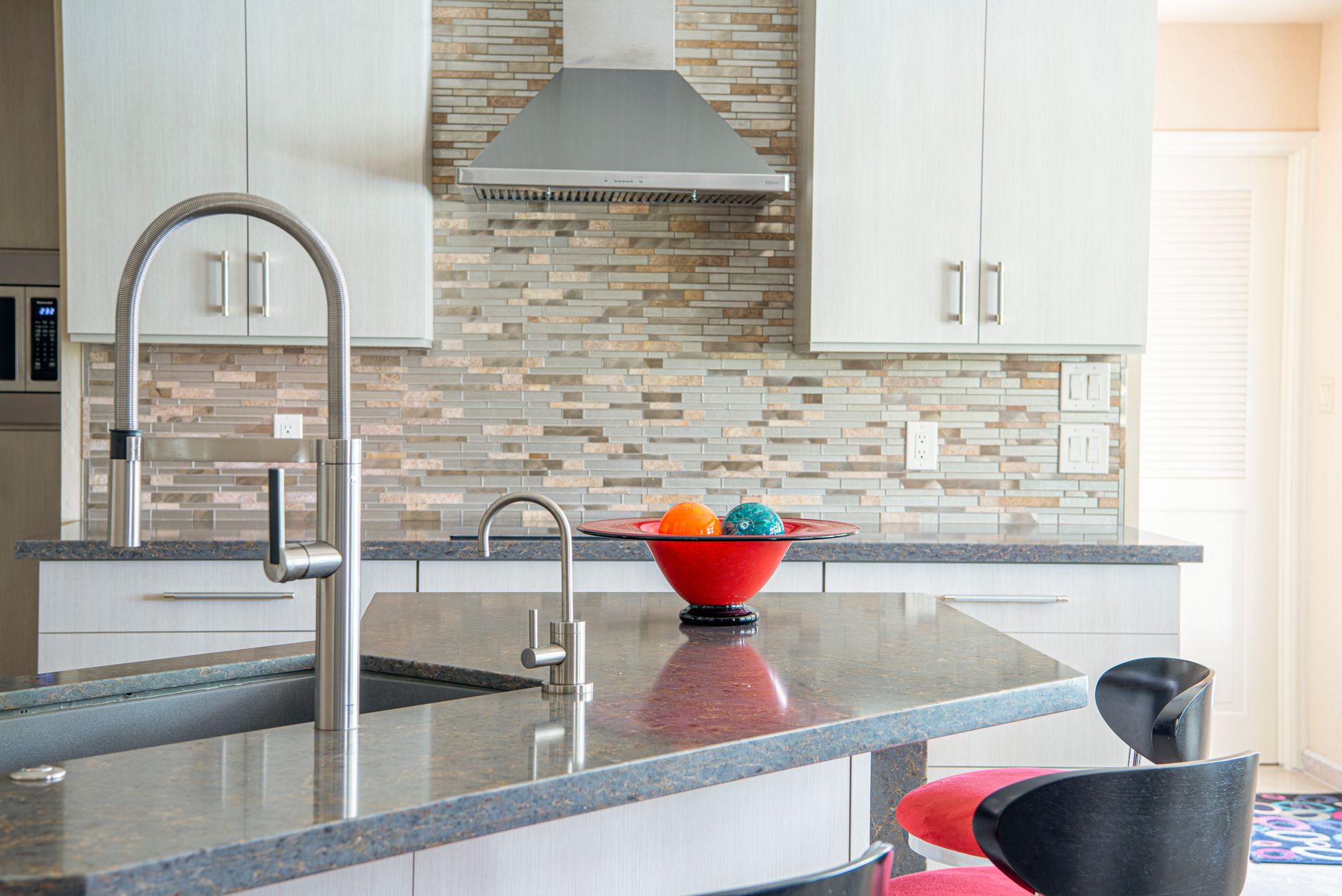
| Style Layout | Best Architectural Fit | Key Visual Features |
| Stacked Stone | Farmhouse & Rustic spaces | Offers incredible three-dimensional texture; ideal for focal walls behind ranges. |
| Subway Tile | Traditional & Transitional homes | A classic staggered rectangular layout that grounds the room beautifully. |
| Herringbone Pattern | Modern & Sophisticated spaces | Striking V-shaped configurations that introduce movement and elegance. |
| Mosaic Stone | Custom & Artistic designs | Tiny, mesh-mounted interlocking stone pieces configured into intricate geometric patterns. |
| Large-Format Panels | Ultra-Luxury & Contemporary | Massive, continuous solid stone slabs that minimize or completely eliminate grout lines. |
Choosing the Right Color Palette
Color directly dictates the spatial perception of your kitchen or bathroom. Consider these foundational rules when coordinating your palette:
- Pristine White: Species like Carrara marble or white quartzite instantly reflect ambient light, making cramped kitchens feel significantly larger, cleaner, and brighter.
- Sophisticated Gray: Provides a smooth, neutral bridge that complements stainless steel appliances, nickel hardware, and modern painted cabinets.
- Warm Beige & Cream: Grounding earthy tones that bring comfort and harmony to traditional, Mediterranean, or rustic country homes.
- Dramatic Black: Jet-black slate or dark granite creates high-contrast luxury, pairing spectacularly well with crisp white cabinetry and brass fixtures.
- Varied Earth Tones: Rust, tan, and copper hues introduce an inviting, organic outdoor aesthetic into the home.
Kitchen vs. Bathroom Applications
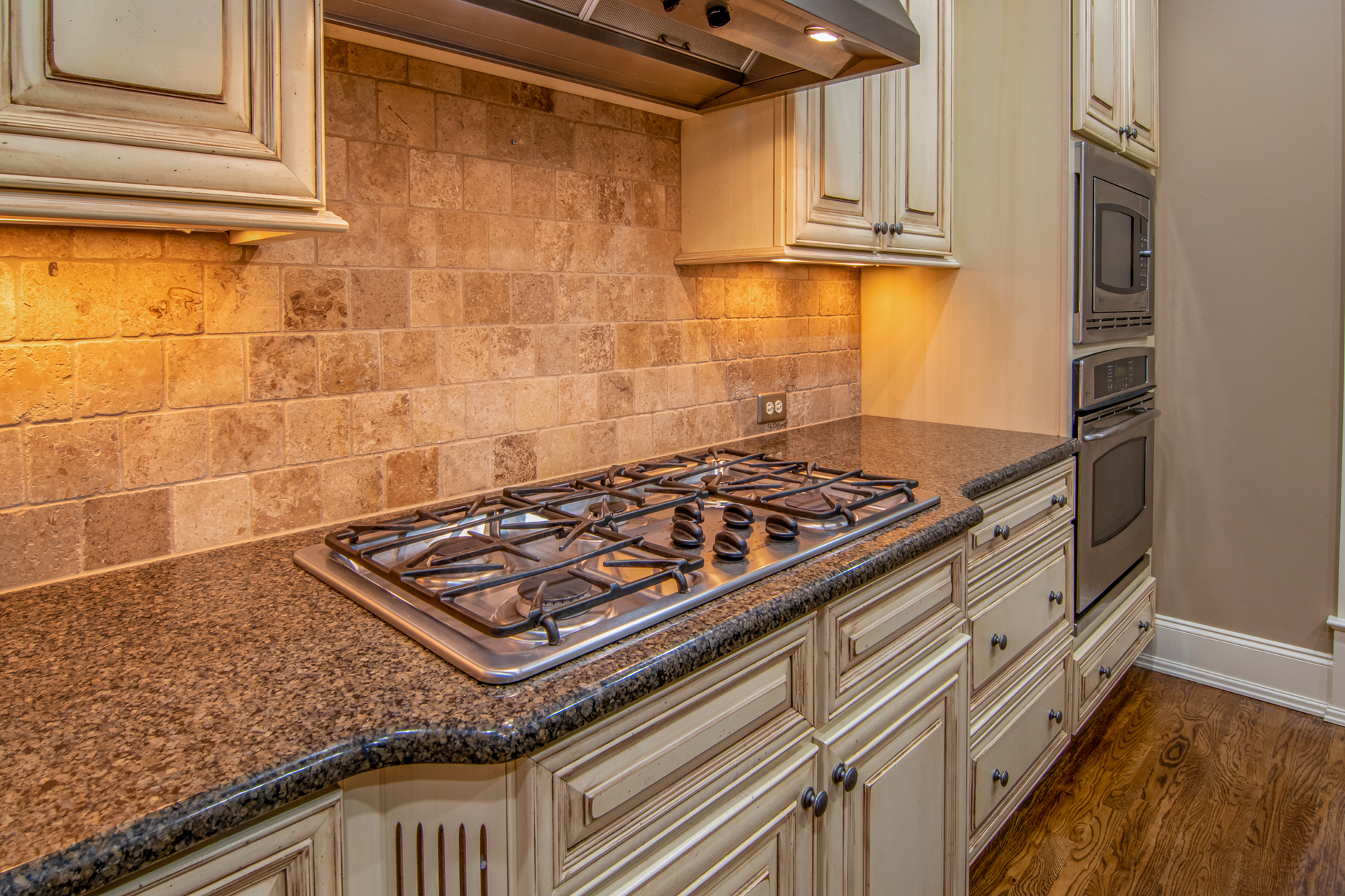
While natural stone excels in both spaces, environmental exposures differ significantly:
Kitchen Considerations
Kitchen backsplashes face constant exposure to high heat from cooktops, flying cooking oils, acidic food splatters, and frequent scrubbing. For these demanding zones, granite, quartzite, and expertly sealed marble are the top choices due to their structural resilience against heat and stains.
Bathroom Considerations
Bathroom installations must endure high humidity levels, persistent water splashing, and soap scum buildup. Slate, sealed marble, limestone, and travertine perform exceptionally well here, provided they receive a premium water-resistant seal to stop ambient moisture from slipping behind the drywall.
Finish Profiles Explained
The surface finish alters both the aesthetic reflection and the ongoing maintenance requirements of the stone:
- Polished: A glass-like, highly reflective mirror finish. It bounces light beautifully—making small rooms feel spacious—and seals surface pores, though it easily highlights fingerprints and water spots.
- Honed: A smooth, velvety matte surface. It delivers a modern, relaxed look and is highly forgiving because it easily hides minor scratches and water spots.
- Tumbled: A weathered, distressed texture achieved by tumbling the stones in a drum. It features soft, rounded edges that look perfectly worn in.
- Split-Face: Raw, unpolished, and fractured stone that showcases its natural, rugged three-dimensional crystallization. It is ideal for dramatic accent walls but requires a vacuum brush attachment to clean.
Project Cost Factors
When budgeting for a natural stone backsplash upgrade, keep in mind that the total investment depends on several variables:
- The Stone Species: Common travertine is highly economical, whereas rare, exotic marble or quartzite panels sit at a luxury tier.
- Layout Complexity: Intricate herringbone or custom mosaic patterns require more physical cuts and labor time than standard subway tiles.
- Installation Variables: Factors like total wall square footage, old tile removal, wall leveling preparation, and professional masonry labor rates will influence the final cost.
While natural stone requires a higher upfront investment than standard ceramic tile, its long-term durability and impact on home equity make it a highly rewarding investment.
Expert Buying & Matching Guide
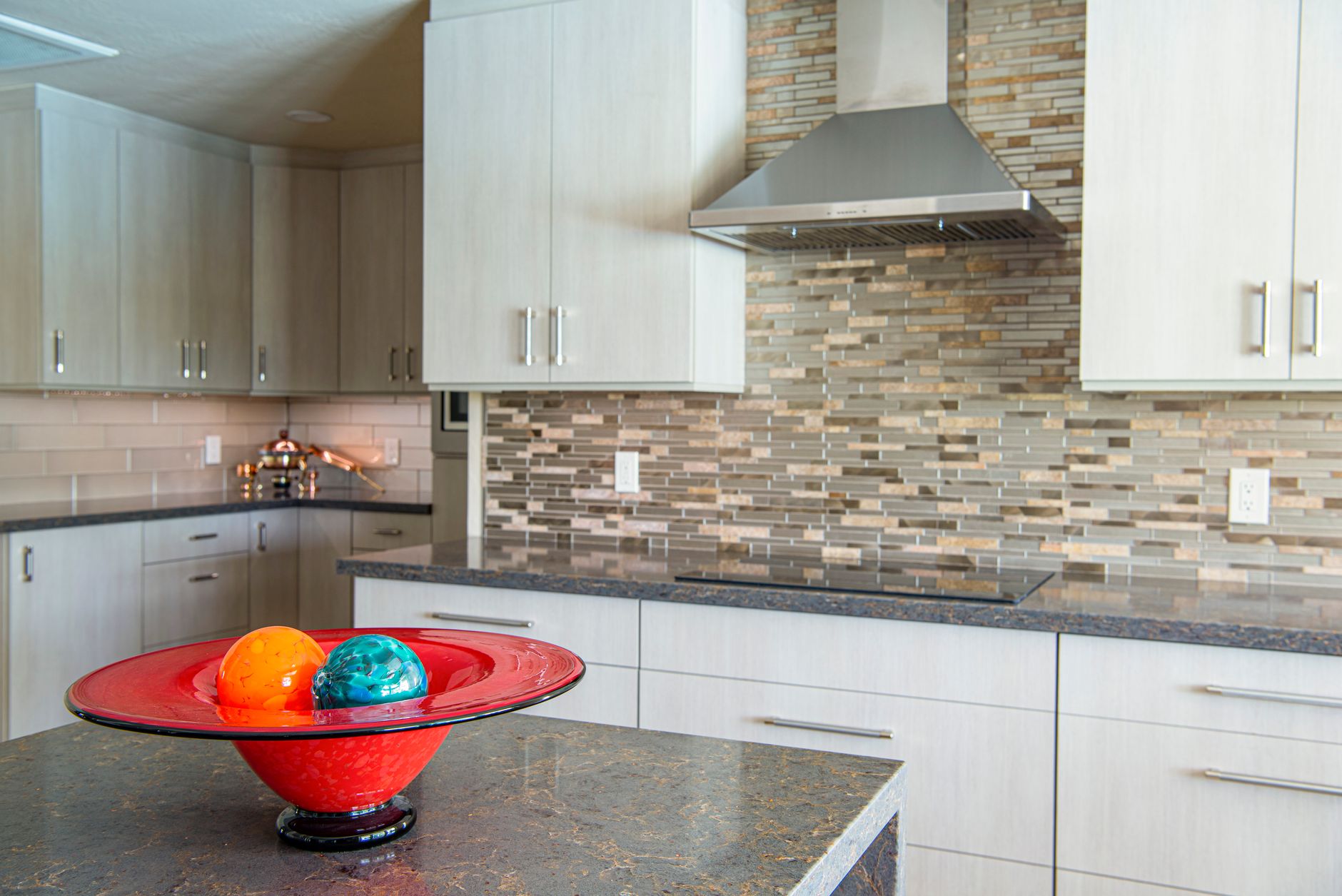
Selecting the right backsplash involves evaluating your home’s pre-existing architectural elements. Your stone should beautifully complement your current cabinetry, countertops, flooring, and hardware.
For Ultra-Modern Kitchens
Prioritize clean lines and minimal visual distraction. Look for massive, large-format solid stone slabs or crisp white marble with sharp, honed finishes and tightly spaced, matching grout lines.
For Cozy Farmhouse Kitchens
Embrace organic warmth and tactile variation. Look for stones featuring deep, rich textures, such as travertine, tumbled limestone, or warm beige stacked stone paired with stained open wood shelving.
For Timeless Traditional Homes
Stick to classic, symmetry-driven designs. Look for elegant marble subway tiles, rich granite varieties, neutral earth-toned color palettes, and decorative crown moldings or borders.
For Industrial Interiors
Lean into high-contrast raw materials. Incorporate rugged slate or split-face stone walls to establish a commanding textural contrast against exposed metal piping, iron light fixtures, and dark charcoal cabinets.
Current Stone Backsplash Trends
Natural materials continue to dominate high-end interior design, with several exciting shifts gaining massive popularity:
- Full-Height Solid Slabs: Homeowners are extending their countertops straight up to the ceiling. This seamless look eliminates grout lines entirely and creates a high-end, clean appearance.
- Bookmatched Focal Points: Utilizing mirrored cuts of stone panels to create symmetrical, art-like veining patterns directly behind cooktops and ranges.
- Warm Earth Minimalism: Cool, stark grays are being replaced by welcoming, inviting tones like sand, taupe, warm cream, and soft clay.
- Mixed Textures: The purposeful pairing of ultra-smooth polished quartz countertops with heavily textured, rugged stone backsplashes to add visual depth.
- Eco-Conscious Sourcing: A rising demand for sustainably quarried, locally sourced natural stone that minimizes carbon footprints while ensuring home longevity.
Pro Installation Best Practices
A stone backsplash will only perform as well as it is installed. Follow these strict construction guidelines to ensure a flawless finish:
- Flawless Wall Preparation: Ensure the underlying drywall or backer board is completely clean, dry, structural, flat, and entirely free of grease or dust.
- Dry-Fit the Pattern: Always arrange your stone tiles out across the floor before mixing your adhesive. Because natural stone features inherent color variations, this allows you to distribute the light and dark shades evenly across the layout.
- Use the Correct Mortar: Natural stone is significantly heavier than ceramic tile. Always use a premium, polymer-modified thin-set mortar explicitly rated for natural stone.
- Pre-Seal Before Grouting: Highly porous stones like marble and travertine should be sealed before applying grout. This prevents the wet grout pigment from staining or bleeding into the stone’s edges.
- Opt for Unsanded Grout: When working with polished natural stone and tight joints (less than 1/8 inch), use unsanded grout to avoid scratching the pristine surface during application.
Common Mistakes to Avoid
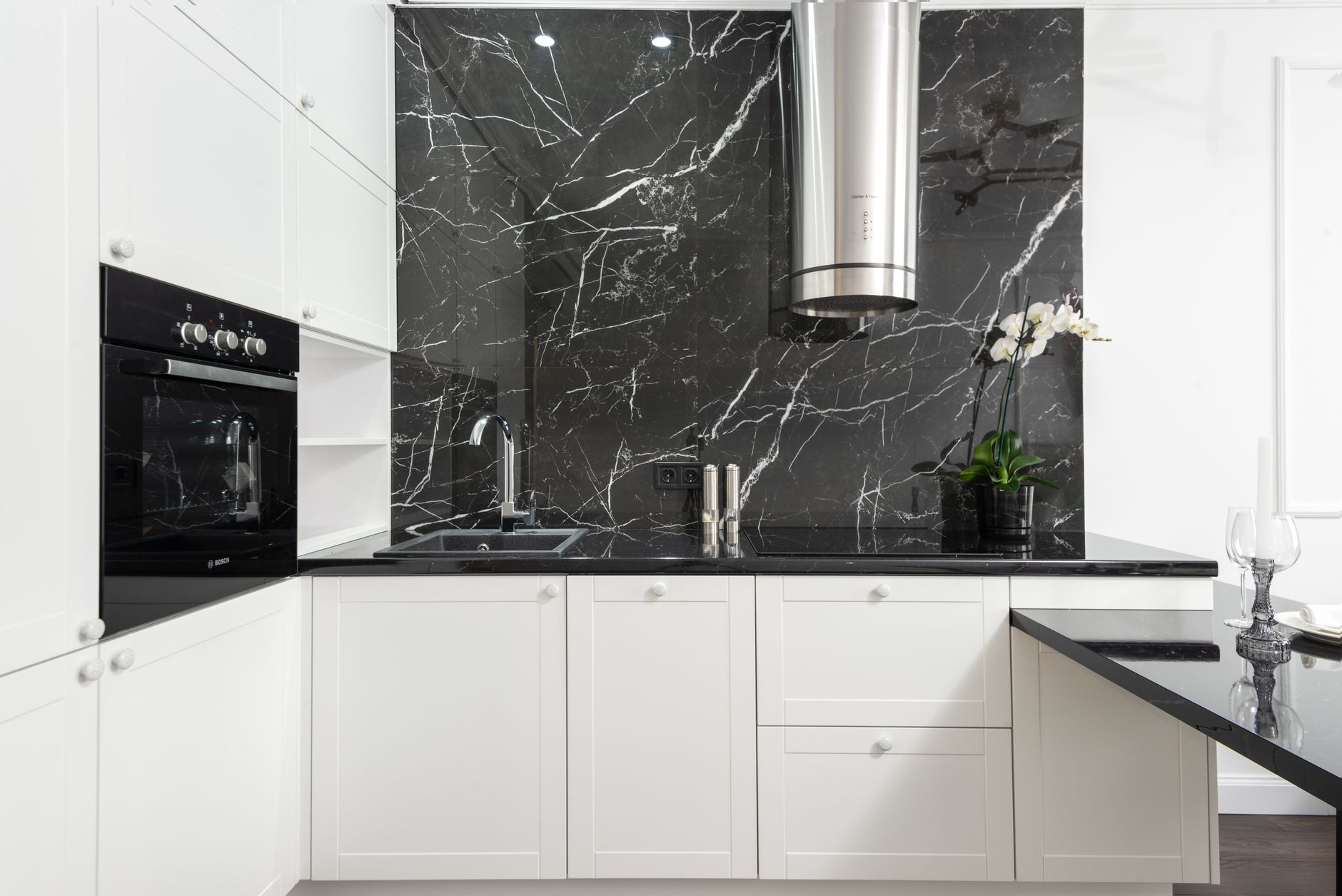
- Skipping the Sealant: Unsealed porous stone behaves like a sponge, absorbing oils, water, and food pigments, which can lead to permanent discoloration.
- Ignoring the Room’s Scale: Selecting an aggressively dark or heavily textured stacked stone can make a tight, windowless kitchen feel enclosed and claustrophobic. Light tones should be used to expand small spaces.
- Countertop Competition: Avoid pairing a busy, highly veined granite countertop with a busy, complex mosaic backsplash. Let one material act as the star while the other acts as a quiet complement.
- Overlooking Accent Lighting: Natural stone relies heavily on lighting to show off its true color variations. Installing under-cabinet LED strip lights dramatically accentuates the stone’s natural beauty and improves kitchen functionality.
Long-Term Maintenance & Preservation
Proper care ensures your natural stone backsplash looks as beautiful in twenty years as it did on the day of installation.
Daily Cleaning & Care
- Wipe away accidental food splatters, grease, and acidic spills immediately to prevent etching.
- Clean exclusively with a soft microfiber cloth and a dedicated, pH-neutral stone cleaner.
- Never use harsh household chemicals, vinegar, bleach, window sprays, or abrasive scouring pads, as they will strip away the protective sealer and damage the stone.
Ongoing Upkeep Checklist
- Test the Seal: Splatter a few drops of water onto the stone surface. If the water beads up cleanly, your sealer is intact. If the water quickly soaks in and darkens the stone, it is time to reapply a premium penetrating stone sealer.
- Grout Inspections: Periodically check your grout lines for minor cracks or settling, and patch them immediately to prevent moisture from seeping behind the wall.
Frequently Asked Questions (FAQs)
Is a stone backsplash practical for high-use kitchens?
Yes, absolutely. A natural stone backsplash is highly practical because it easily withstands intense heat, moisture, and cooking splatters, provided it is properly sealed.
Which stone option is the most durable?
Granite and quartzite are the reigning champions of durability. Both are highly resistant to scratches, heat, and acidic staining, making them perfect for active kitchens.
How often does natural stone need to be sealed?
As a general rule, most natural stones should be sealed once every 1 to 2 years, depending on the stone’s porosity and how frequently the zone is cleaned.
Can I install a natural stone backsplash as a DIY project?
If you are comfortable using a wet tile saw and working with thin-set mortar, basic subway tiles can be an achievable DIY project. However, for large-format solid slabs or intricate layout patterns, hiring a professional stone mason is highly recommended.
Conclusion
Investing in a premium stone backsplash is an exceptional way to elevate your kitchen or bathroom. Beyond shielding your walls from daily wear, it infuses your home with rich texture, timeless character, and distinct long-term value. By carefully selecting the right stone species, choosing a complementary finish, and maintaining a regular sealing schedule, you will enjoy a stunning, functional centerpiece for decades to come.
2 thoughts on “Stone Backsplash: The Complete Guide to Choosing the Perfect Kitchen and Bathroom Design”