
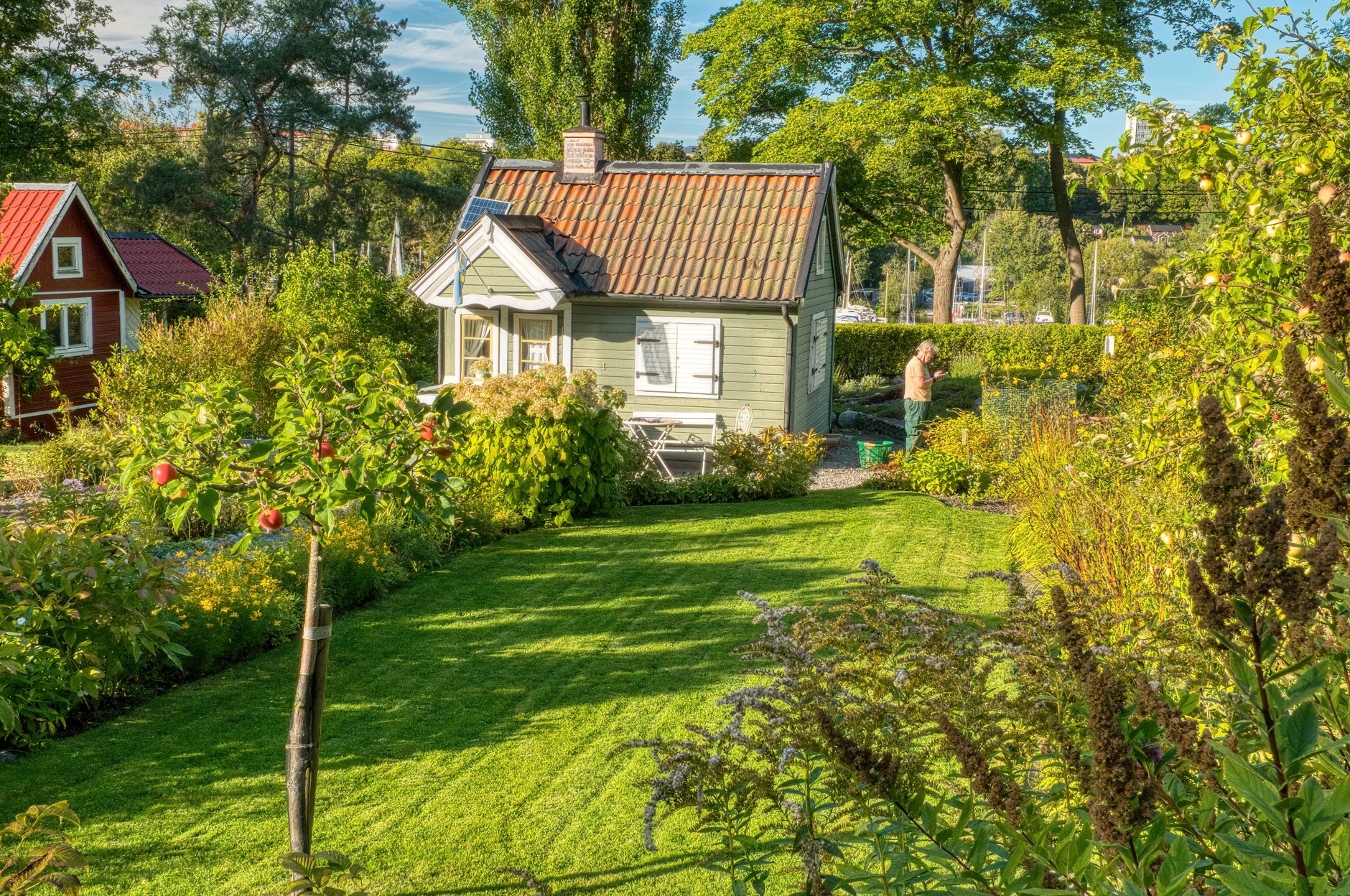
If you are looking for cottage garden ideas that combine timeless beauty, colorful blooms, and a relaxed atmosphere, you have come to the right place. A cottage garden is known for its overflowing flower beds, winding pathways, and an organic mix of ornamental and edible plants. Whether you have a sprawling suburban backyard or a compact front yard, these cottage garden ideas will help you create a welcoming outdoor retreat that reflects your personal style. Cottage gardens bring immense charm, biodiversity, and year-round interest to homes of every size.
What Is a Cottage Garden?
A cottage garden is a historical landscaping style that originated in rural England. Unlike formal gardens that rely on perfectly trimmed hedges and strict symmetrical layouts, cottage gardens embrace a more natural, romantic, and whimsical appearance.
Typical Features of a Cottage Garden Include:
- Dense, layered flower borders
- Winding, informal garden paths
- Climbing roses, ivy, and vertical vines
- Nectar-rich, pollinator-friendly plants
- Decorative rustic fences and gates
- Vintage garden accessories and weathered decor
- A functional mix of flowers, herbs, vegetables, and shrubs
The ultimate goal is to create a multi-dimensional garden space that looks effortless while providing visual beauty throughout all four seasons.
25 Timeless Cottage Garden Ideas
1. Mix Flowers of Different Heights
One of the defining characteristics of a cottage garden is layered planting. Place tall structural plants such as hollyhocks, foxgloves, and delphiniums toward the back of your flower beds. Medium-height flowers like coneflowers and daisies belong in the middle, while low-growing trailing plants such as alyssum or creeping thyme create an attractive border along the front. This layering adds depth and ensures all your blooms remain visible.
2. Plant Classic Cottage Garden Flowers
Choosing the right flowers instantly establishes the iconic cottage aesthetic. Combine a mix of bloom shapes, textures, and colors to create a vibrant, lived-in appearance. Excellent options include:
- Roses, Lavender, and Peonies
- Coneflowers, Daisies, and Bee Balm
- Foxgloves, Delphiniums, and Hollyhocks
- Sweet Peas and Hydrangeas
3. Add Curved Garden Pathways
While straight paths can feel stark and formal, winding pathways encourage slow exploration and curiosity. Soften your landscape by constructing curved walkways out of natural materials like stepping stones, gravel, brick pavers, flagstone, or rustic wood chips.
4. Include Climbing Plants
Vertical gardening is one of the easiest ways to maximize beauty without taking up precious ground space. Train romantic climbing plants like climbing roses, clematis, honeysuckle, jasmine, and wisteria over architectural elements like arbors, pergolas, trellises, garden gates, and fences.
5. Create Cozy Seating Areas
Every beautiful outdoor retreat deserves a dedicated place to unwind. Transform a corner of your backyard with wooden benches, wicker furniture, classic Adirondack chairs, a small bistro table, or a hanging porch swing. Surround the seating area with fragrant flowers like lavender and roses to heighten the peaceful atmosphere.
6. Grow Herbs Alongside Flowers
Traditional cottage gardens beautifully combine aesthetics with practicality. Plant culinary herbs such as basil, sage, rosemary, thyme, mint, and chives directly into your ornamental flower beds. They provide fresh ingredients for your kitchen, release wonderful aromatics when brushed against, and attract beneficial pollinators.
7. Install a White Picket Fence
Few landscaping features are as iconic as a classic white picket fence. Beyond clearly defining your property lines, a picket fence offers excellent physical support for climbing roses and heavy vines while instantly boosting your home’s curb appeal. For a softer, aged look, consider using weathered or whitewashed wood.
8. Attract Butterflies and Bees
Bring life to your garden by prioritizing wildlife-friendly landscaping. Plant nectar-rich flowers such as bee balm, butterfly bush, milkweed, purple coneflower, salvia, and lavender. These selections invite butterflies, hummingbirds, and honeybees that keep your garden ecosystem thriving.
9. Use Raised Garden Beds
Raised beds improve soil drainage, naturally reduce weed growth, and make planting and harvesting much more physically comfortable. You can construct them using cedar wood, natural stone, brick, or composite boards to house vegetables, herbs, and bright annuals.
10. Add Vintage Garden Decorations
Incorporate whimsical antiques to add unique personality to the landscape. Eye-catching cottage accents include antique watering cans, rustic birdhouses, old wheelbarrows, vintage bicycles with basket planters, weathered wooden barrels, stone statues, and wrought-iron plant stands. Choose a few statement pieces rather than overcrowding the space.
11. Plant Native American Flowers
Native plants are inherently adapted to your local climate and soil conditions, making them much easier to maintain over time. Beautiful choices like purple coneflowers, Black-eyed Susans, cardinal flowers, Joe-Pye weed, columbine, and goldenrod require significantly less water and fertilizer once established.
12. Add a Small Water Feature
The gentle sound of moving water instantly masks neighborhood noise and creates a serene environment. Simple options like stone birdbaths, solar-powered fountains, pondless waterfalls, or mini backyard ponds introduce a dynamic element while providing local wildlife with fresh water.
13. Use Natural Stone Borders
Ditch the cheap plastic or metal landscape edging and define your flower beds with natural stone instead. Natural stone borders provide excellent drainage, long-lasting durability, and a rustic charm that blends seamlessly into an informal landscape.
14. Design a Charming Garden Entrance
First impressions matter, and a welcoming entrance sets a magical tone. A rustic wooden arbor, a vintage iron gate, or a vine-covered trellis creates an inviting focal point. Accentuate the threshold with climbing roses, potted lavender, and hanging lanterns.
15. Combine Flowers with Edible Plants
Embrace true cottage efficiency by mixing colorful flowers with leafy vegetables and fruit bushes. Intermingle tomatoes, lettuce, kale, strawberries, blueberries, basil, and parsley throughout your flower borders for a vibrant, productive landscape.
16. Create Layers with Shrubs and Perennials
To prevent your garden from looking bare in the colder months, establish a strong foundation of structural shrubs. Pair deciduous or evergreen shrubs like hydrangeas, boxwoods, viburnums, and spirea alongside your blooming perennials to secure year-round depth and texture.
17. Add Rustic Containers
Container gardening provides immense design flexibility. Plant seasonal blooms in wooden barrels, galvanized metal buckets, terracotta pots, vintage watering cans, or antique wheelbarrows. Grouping containers of varying sizes allows you to easily refresh color close to patios and steps.
18. Install Decorative Garden Lighting
Extend the usability of your outdoor living space well after sunset with warm ambient lighting. Highlight your favorite flower beds, specimen trees, and winding paths using solar pathway lights, delicate overhead string lights, timeless metal lanterns, or subtle LED spotlights.
19. Build a Relaxing Reading Corner
Tuck a comfortable garden bench or an outdoor cushion set into a secluded, shaded corner of your yard. Shielded by climbing vines and surrounded by highly fragrant plants like jasmine or lavender, a reading nook offers a perfect, quiet sanctuary.
20. Incorporate Bird-Friendly Features
Invite songbirds into your daily view by setting up bird feeders, fresh water birdbaths, nesting boxes, and planting berry-producing shrubs or native shelter trees. Supporting your local ecosystem makes the garden feel truly alive.
21. Use Repeating Plant Groups
To prevent an informal design from looking chaotic, repeat specific plant groupings throughout the space. Instead of planting just one of every flower type, cluster your plants in natural-looking groups of three, five, or seven to give the garden visual harmony and cohesion.
22. Embrace Natural Growth
The ultimate secret to a cottage-style landscape is allowing plants to soften their boundaries. Let your flowers self-seed naturally and allow trailing plants to gently spill over your stone pathways and borders. The key is steering toward a state of controlled, beautiful abundance rather than total neglect.
23. Add Seasonal Decorations
Keep your outdoor retreat aligned with the rhythm of the year by updating its decorative accents. Mix in pastel flags and floral wreaths in the spring; colorful cushions and full hanging baskets in the summer; pumpkins, mums, and corn stalks in the autumn; and evergreen swags accented with warm white lights for the winter.
24. Choose Low-Maintenance Plants
If you want the dense look of a cottage garden without a grueling weekend schedule, lean heavily on hardy, low-maintenance perennials. Excellent options that thrive with minimal fuss include daylilies, catmint, stonecrop (sedum), Russian sage, and yarrow.
25. Personalize Your Garden
The absolute best gardens are the ones that tell your family’s personal story. Make the space your own by adding heirloom plants handed down by relatives, handmade garden signs, engraved stones, unique local sculptures, or restored vintage tools.
Choosing the Best Color Palette
Color selection determines the overall mood of your landscape. Consider these popular design directions:
- Soft Pastels: Creates a deeply romantic, traditional, and peaceful look. Focus on blending soft pink roses, white shasta daisies, lavender, and light blue delphiniums.
- Bold Summer Colors: Exudes a high-energy, cheerful aesthetic. Create vibrant contrast using sunny yellow coreopsis, brilliant orange lilies, fiery red bee balm, and deep purple salvia.
- White Moon Garden: Designed specifically to reflect moonlight and glow beautifully during the evening hours. Rely heavily on white roses, white hydrangeas, shasta daisies, white phlox, and pale foxgloves.
Seasonal Planting Tips for Year-Round Interest
A well-planned cottage garden offers captivating color and structure through every changing season:
- Spring: Kickstart the growing season with early bulbs like tulips, daffodils, hyacinths, and crocuses.
- Summer: This is peak bloom season. Lean heavily on your primary showstoppers like roses, coneflowers, lavender, Black-eyed Susans, and bee balm.
- Fall: Keep the landscape vibrant as temperatures drop by utilizing late-blooming asters, sedum, chrysanthemums, and sweeping ornamental grasses.
- Winter: Rely on the permanent architectural bones of evergreens, berry-producing shrubs (like holly), and trees with interesting bark textures to maintain structural interest against winter snow.
Easy Maintenance Tips
While cottage gardens celebrate a relaxed, untamed aesthetic, they still require regular care to prevent chaos. Follow these simple tips to keep your beds healthy:
- Water deeply at the base of your plants during extended dry periods.
- Apply a generous layer of organic mulch annually to retain moisture and suppress weed growth.
- Regularly deadhead (remove spent blooms) to encourage plants to produce new waves of flowers.
- Divide overcrowded perennials every few years to keep them vigorous and healthy.
- Feed your soil with a rich layer of organic compost every spring.
- Prune climbing roses and woody vines right after their primary flowering cycle.
Best Plants for U.S. Climate Zones
Choosing plants tailored to your specific geographic region is vital for long-term landscaping success:
| Region | Recommended Cottage Garden Plants |
| Northeast | Peonies, Lilacs, Hydrangeas, Delphiniums, Foxgloves |
| Southeast | Gardenias, Azaleas, Camellias, Salvias, Crape Myrtles |
| Midwest | Coneflowers, Black-eyed Susans, Bee Balm, Daylilies, Hostas |
| Southwest | Lavender, Russian Sage, Agastache, Blanket Flowers, Desert Willow |
| Pacific Northwest | Rhododendrons, Hardy Ferns, Hydrangeas, Columbines, Anemones |
Budget-Friendly Cottage Garden Tips
You do not need to spend thousands of dollars to create a lush, breathtaking outdoor space. Save money with these savvy, sustainable strategies:
- Grow easy annuals and perennials directly from affordable seed packets.
- Divide mature perennials in the spring or fall to double your plant count for free.
- Start a backyard compost pile to create your own nutrient-rich fertilizer.
- Repurpose old household containers, buckets, and wooden boxes into unique planters.
- Attend local community plant sales and participate in plant swaps with neighbors.
- Set up rain barrels underneath your downspouts to collect free water for irrigation.
Common Mistakes to Avoid
- Overcrowding Your Plants: Even though these gardens are meant to look full, plants still require adequate air circulation and physical space to grow without passing around fungal diseases.
- Ignoring Sunlight Requirements: Never put a shade-loving hosta in full sun or a sun-loving rose in deep shade. Always match the plant to the specific lighting conditions of the site.
- Using Too Many Uncoordinated Colors: Planting every single color available can overwhelm the eye. Stick to a loose, coordinated color palette for a more cohesive, professional look.
- Forgetting Winter Structure: If you only plant summer annuals, your garden will completely disappear in the winter. Always include evergreens, shrubs, and hardscaping elements.
- Neglecting Basic Upkeep: An informal look is not an excuse for total neglect. Regular weeding and selective pruning are required to keep aggressive plants from choking out delicate ones.
Frequently Asked Questions (FAQs)
1. What is a cottage garden?
A cottage garden is an informal landscaping style characterized by dense, layered plantings of colorful flowers, herbs, vegetables, and climbing vines arranged in a natural, free-flowing design rather than a strict geometric grid.
2. Which flowers are best for cottage gardens?
The definitive mainstays include timeless classics like roses, lavender, foxgloves, peonies, delphiniums, purple coneflowers, hollyhocks, shasta daisies, bee balm, and sweet peas.
3. Can I create a cottage garden in a small yard?
Absolutely. Many of the best cottage garden ideas translate beautifully to small footprints. Use vertical elements like wall trellises and arbors, implement raised garden beds, and rely on container clusters to maximize your available area.
4. Are cottage gardens difficult to maintain?
Not necessarily. While they do require regular weeding, deadheading, and mulching, choosing hardy native perennials over finicky annuals drastically reduces your ongoing workload.
5. What colors are most commonly used in cottage gardens?
Traditional designs generally favor a romantic mixture of soft pinks, creams, whites, purples, and pastel blues. However, vibrant combinations of warm yellows, reds, and oranges can also look spectacular.
6. Can I grow vegetables in a cottage garden?
Yes. Historically, English cottage gardens were entirely functional spaces meant for food production. Blending flowers, culinary herbs, fruit bushes, and vegetables together in the same bed is a hallmark of this style.
7. How do I attract butterflies and bees to my garden?
Plant a rich variety of nectar-producing blooms like milkweed, coneflower, bee balm, and salvia. Additionally, minimize or completely eliminate the use of chemical pesticides, which harm beneficial insects.
8. What is the best time of year to start a cottage garden?
Early spring and early autumn are the absolute best times to establish new plants, as mild temperatures and increased seasonal rainfall help young root systems settle into the soil without heat stress.
9. What type of mulch is best for cottage garden beds?
Nutrient-rich organic mulches such as shredded bark, pine straw, leaf mold, or clean wood chips are ideal because they suppress weeds, hold ground moisture, and feed the soil as they break down.
10. Do cottage gardens increase a home’s property value?
Yes. A lush, well-maintained cottage garden significantly boosts your home’s curb appeal, creates highly desirable outdoor living spaces, and sets your property apart in the real estate market.
Conclusion
You do not need rigid, formal layouts or expensive commercial landscaping services to create an exceptional outdoor space. With deliberate planning and the right cottage garden ideas, you can easily design a home landscape overflowing with brilliant color, rich fragrance, unique texture, and year-round charm. From dense flower borders and winding stone pathways to romantic climbing roses, every single piece contributes to a welcoming retreat that feels both timeless and deeply personal.
Whether you are starting from scratch with a small suburban yard or completely redesigning a spacious backyard, focus on choosing plants well-suited to your climate zone, incorporating natural materials, and balancing visual beauty with daily functionality. Over time, your garden will mature into a beautiful sanctuary where family and friends can gather, unwind, and enjoy the beauty of nature for many years to come.
1 thought on “25 Cottage Garden Ideas to Create a Timeless Outdoor Space”