
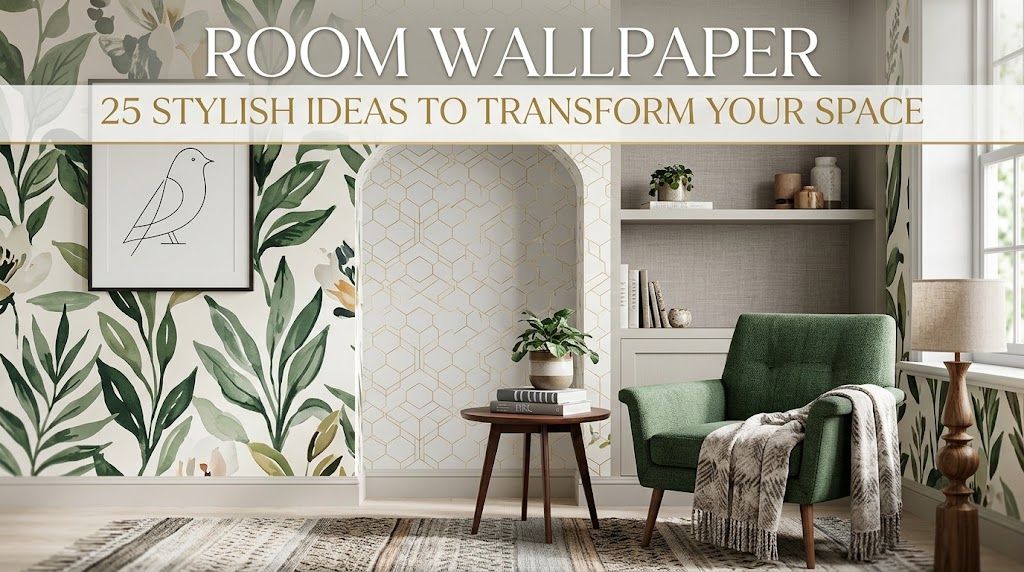
Room wallpaper is one of the best ways to change the look and feel of a home. Whether used to make a bedroom cozy, a living room inviting, a children’s room playful, or a dining room sophisticated, the right room wallpaper can add color, texture, pattern, and personality—all without a big renovation.
Today’s room wallpaper designs range from neutral textures to bold botanical prints, geometric patterns, murals, and shiny metallic finishes. With so many options available, wallpaper lets you find a style that fits almost any interior design theme.
What Is Room Wallpaper?
Room wallpaper is a decorative wall covering designed to improve the look of an interior space. It is available in a wide array of colors, patterns, textures, and materials.
Wallpaper can be applied to every wall or used on a single wall to create a focal point. Depending on the design, it can make a room feel larger, warmer, brighter, more dramatic, or more sophisticated.
Modern room wallpaper also comes in peel-and-stick versions, making it easier for renters and homeowners alike to experiment with different looks.
25 Stylish Wallpaper Ideas
1. Choose Neutral Room Wallpaper
Neutral wallpaper is a timeless choice if you want your space to feel calm and elegant. Shades such as beige, cream, taupe, gray, and warm white provide a sophisticated backdrop. Subtle geometric designs, linen textures, and delicate patterns add interest without overwhelming the room.
- Best suited for: Bedrooms, living rooms, home offices, dining rooms, and entryways.
- Styling tip: Pair with natural wood furniture and soft textiles for a warm, inviting appearance.
2. Try Botanical Wallpaper
Botanical wallpaper brings nature’s beauty indoors. Designs featuring leaves, branches, flowers, and tropical plants create a relaxing atmosphere. Green botanical patterns work exceptionally well alongside wooden furniture, woven accessories, and live indoor plants.
- Styling tip: Use a large-scale tropical print on a single accent wall for a striking focal point.
3. Create a Bedroom Accent Wall
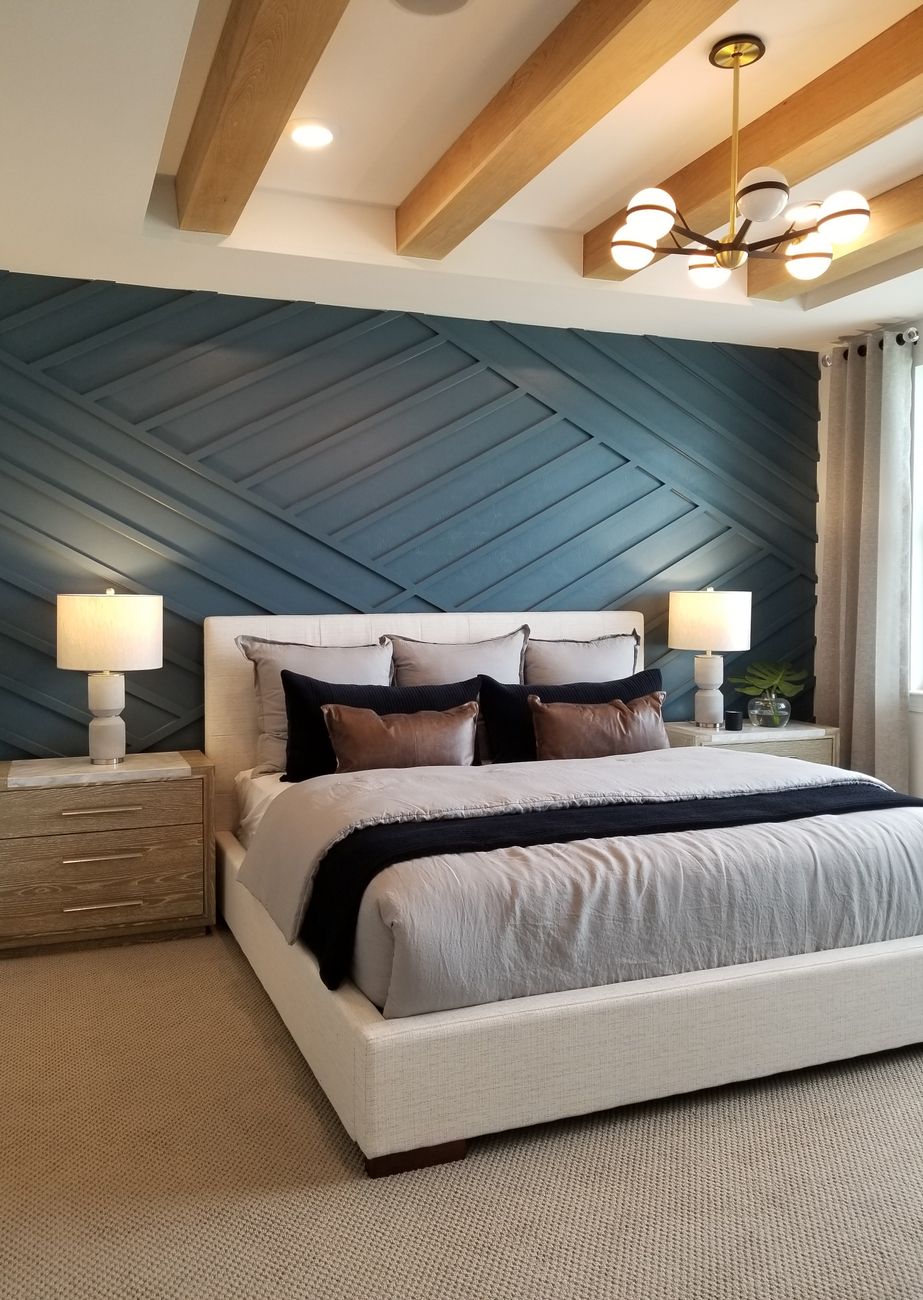
One of the most effective ways to use wallpaper is by creating an accent wall behind the bed. Choose a design that complements your bedding and furniture—a soft floral pattern adds romance, while a geometric wallpaper lends a contemporary edge.
- Styling tip: In smaller bedrooms, avoid busy patterns on every wall. A single feature wall delivers maximum impact without crowding the space.
4. Use Geometric Wallpaper
Geometric patterns provide structure and modern appeal. Popular geometric choices include:
- Hexagons
- Arches
- Diamonds and circles
- Clean lines and grid squares
- Abstract shapes
Choose subtle tones for a muted look, or bold, high-contrast patterns for a dramatic feature wall.
5. Add Texture With Wallpaper
Wallpaper doesn’t always rely on printed patterns. Textured wallpapers mimic natural materials like linen, plaster, concrete, grasscloth, or fabric, adding physical depth to your space.
- Styling tip: A cream textured wallpaper can make a minimalist living room feel warmer while maintaining a sleek aesthetic.
6. Use Floral Wallpaper
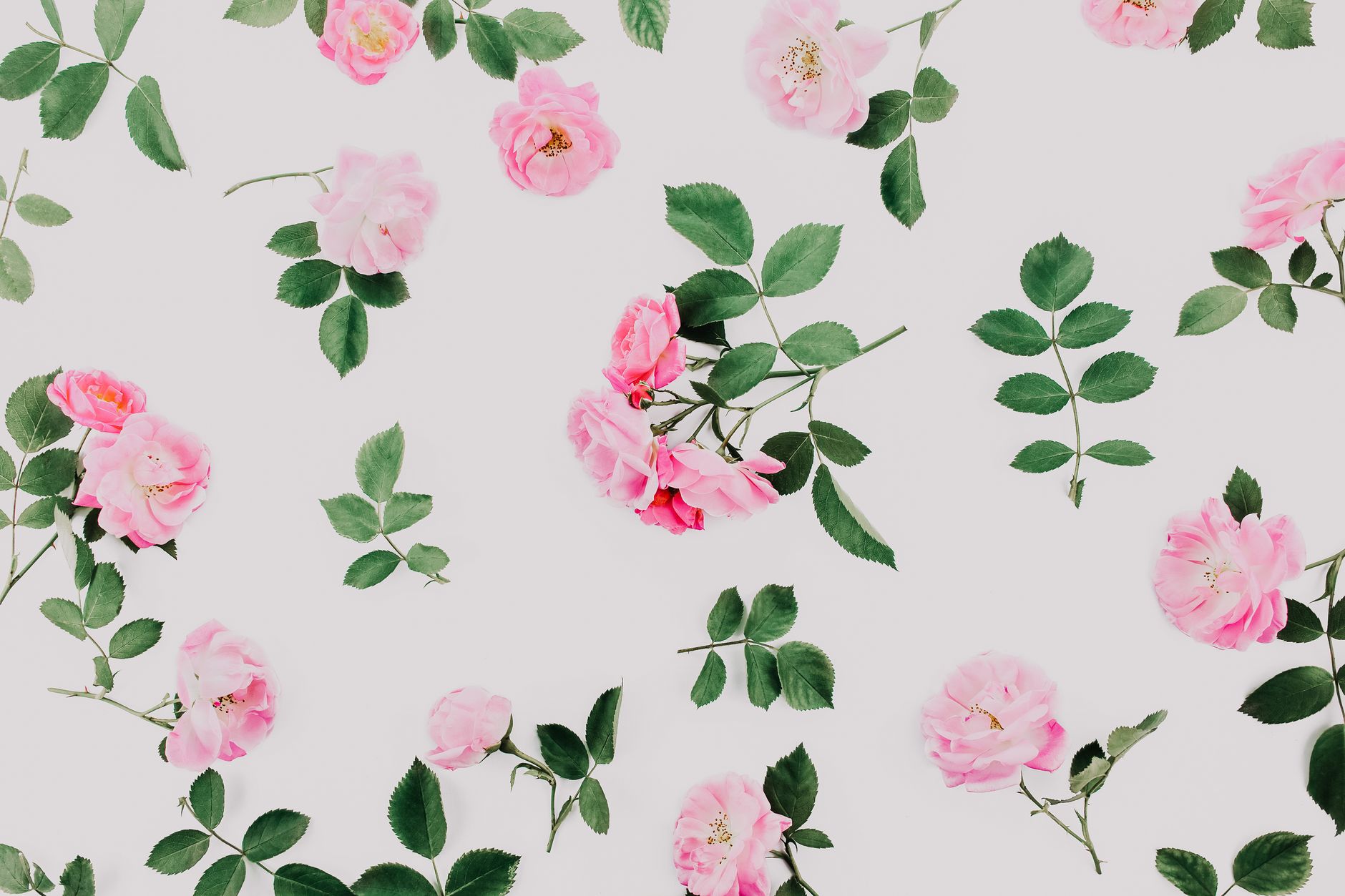
Floral wallpaper instantly infuses personality into a room. Traditional floral motifs create a classic, romantic vibe, whereas oversized floral prints give spaces a contemporary twist.
- For bedrooms: Opt for muted, soft-toned floral patterns.
- For dining & living rooms: Choose larger, bolder floral designs to anchor the space.
7. Choose Dark Wallpaper for Drama
Dark wallpaper brings sophistication and moodiness to an interior. Deep green, navy, charcoal, rich brown, and black are excellent choices. Contrary to popular belief, dark walls don’t necessarily make a room feel smaller when styled correctly.
- Styling tip: Balance dark walls with light furniture, mirrors, metallic accents, and adequate lighting.
8. Make a Small Room Feel Larger
The right design can visually expand a small space. Look for wallpapers with:
- Vertical lines (draws the eye upward to make ceilings feel taller)
- Small-scale patterns
- Light colors and soft textures
- Repeating, airy designs
- Caution: Avoid covering all walls in a small space with massive, intricate patterns unless you are intentionally aiming for an intense, maximalist effect.
9. Add Wallpaper to a Living Room
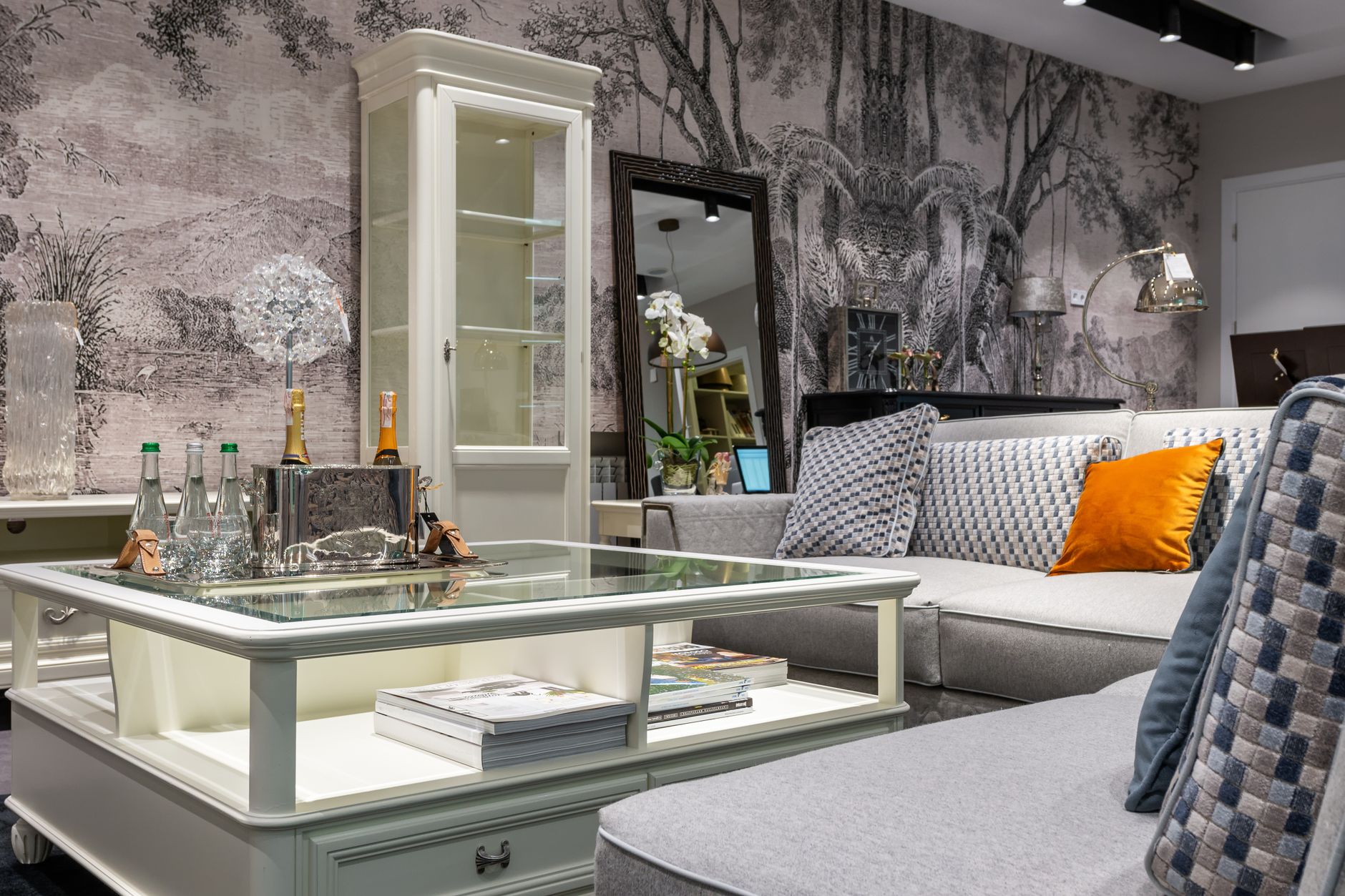
The living room is one of the most versatile places to apply wallpaper. Key accent locations include behind the television, behind the main sofa, surrounding a fireplace, or inside built-in shelving.
- Styling tip: Repeat one or two key colors from your wallpaper in your throw cushions, curtains, or artwork to tie the room together.
10. Create a Cozy Bedroom
Wallpaper helps a bedroom feel layered and comfortable. Relaxing colors include beige, dusty pink, sage green, cream, and soft blue.
Combine wallpaper with:
- Soft bedding & throw pillows
- Warm ambient lighting
- Wooden furniture
- Layered curtains & area rugs
11. Try Peel-and-Stick Wallpaper
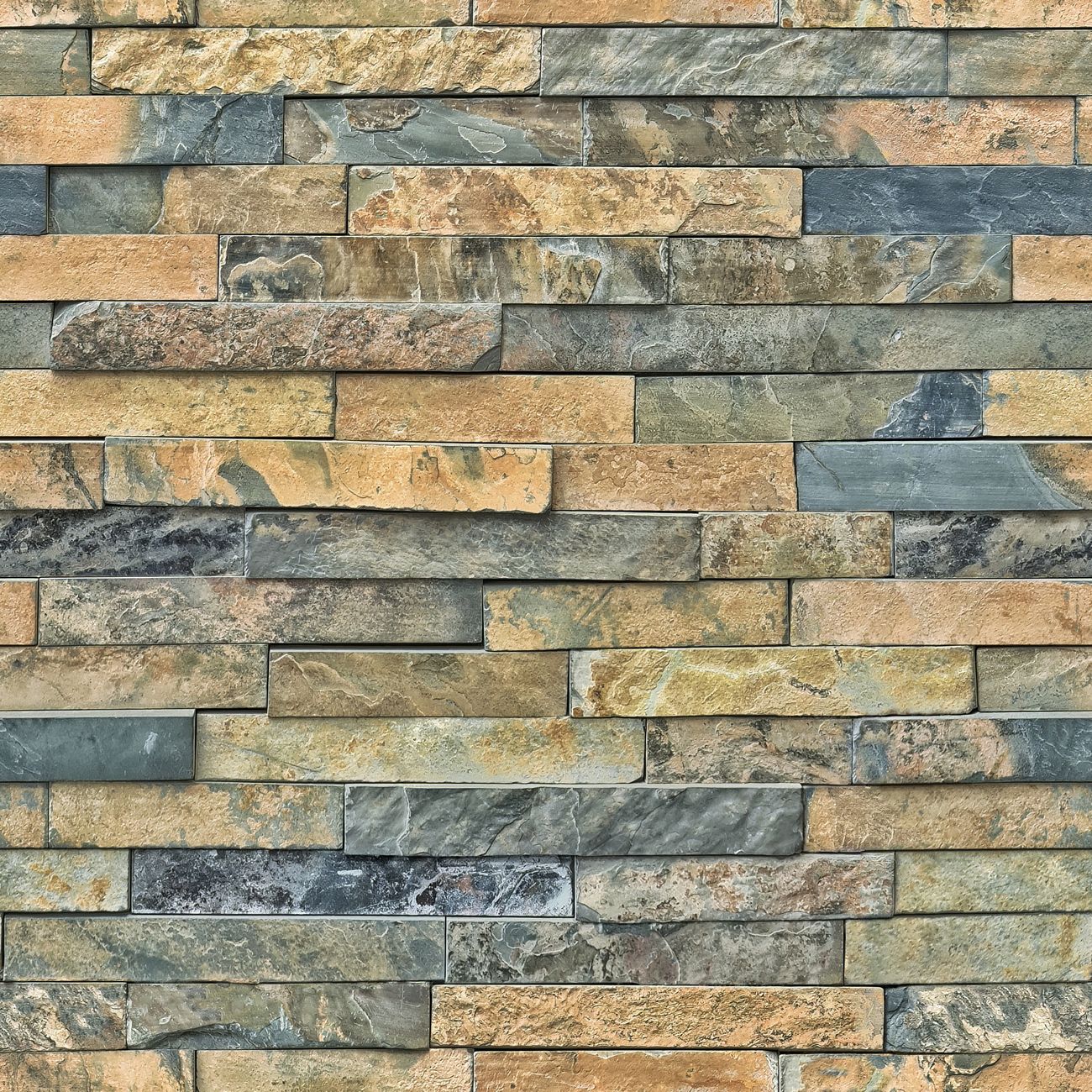
Peel-and-stick wallpaper is an ideal temporary solution for easy installation and damage-free removal. It is especially useful for:
- Rental properties
- Temporary room makeovers
- Children’s bedrooms
- Home offices & quick DIY projects
- Note: Always review the manufacturer’s instructions prior to application, particularly regarding wall prep and removal steps.
12. Use Wallpaper in a Home Office
Wallpaper can make a workspace feel more inspiring and polished. A subtle geometric pattern provides visual interest without becoming a distraction during work, while a botanical print introduces a refreshing, natural element.
13. Add Wallpaper to a Dining Room
Dining rooms are ideal spaces for dramatic statement wallpapers because they are primarily used for entertaining. Consider:
- Elegant floral or damask prints
- Metallic patterns or subtle shimmers
- Large-scale wall murals
- Textured grasscloth designs
14. Use Wallpaper Behind Built-In Shelves
Instead of covering an entire wall, install wallpaper inside the recessed sections behind built-in shelves or display cabinets. This technique adds subtle depth behind books, art objects, and tableware.
15. Try Ceiling Wallpaper
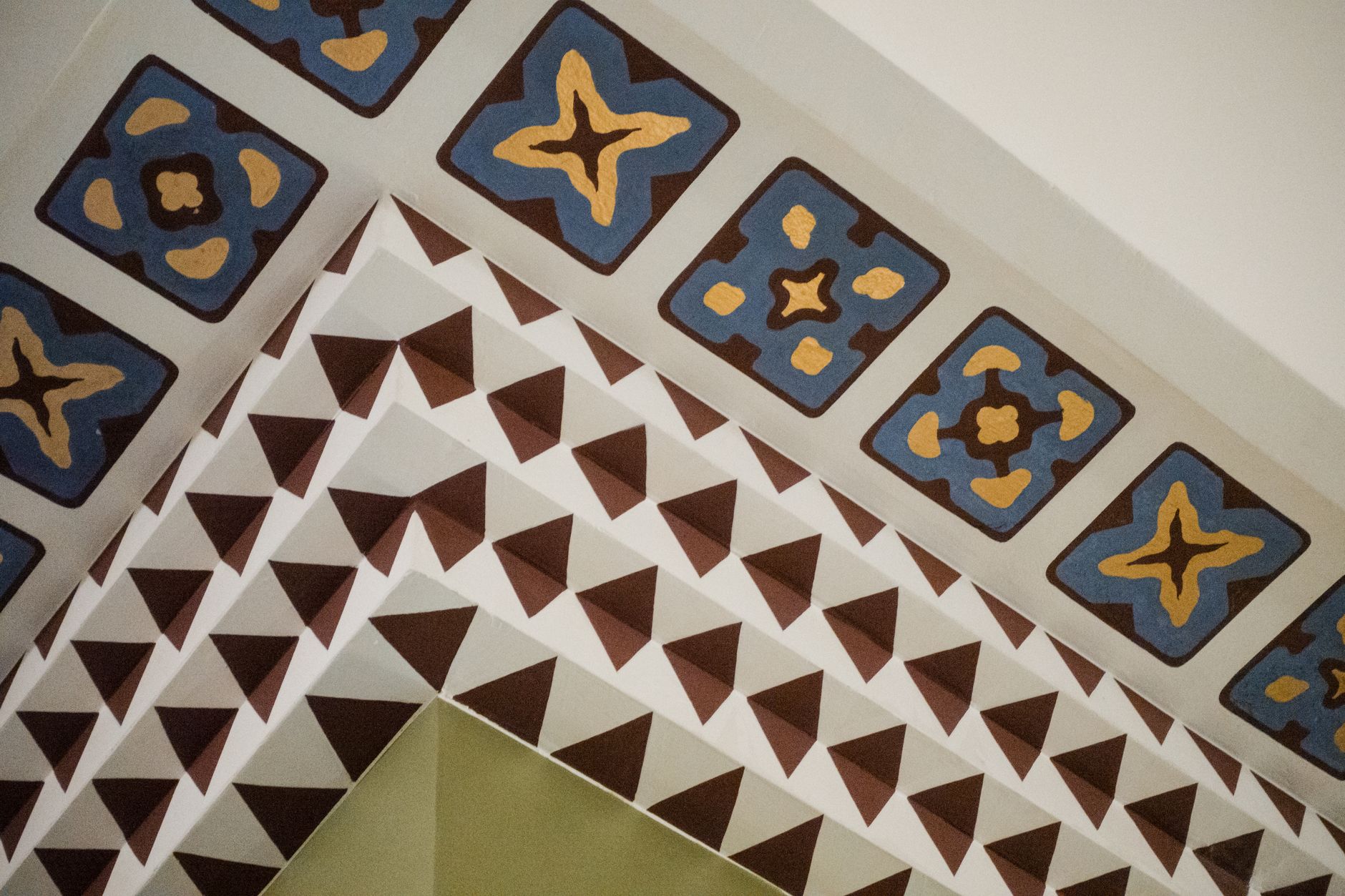
Often referred to as the “fifth wall,” the ceiling offers a unique canvas for wallpaper. A subtly patterned ceiling adds unexpected charm to a bedroom, dining room, or entryway.
- Styling tip: Keep the surrounding walls relatively simple so the room doesn’t feel visually overwhelmed.
16. Use Wallpaper in a Child’s Room
Children’s rooms provide a great opportunity to showcase fun and whimsical themes:
- Animals & forests
- Clouds & stars
- Space & dinosaurs
- Vehicles & fairy tales
- Styling tip: Choose adaptable patterns that can grow alongside your child to avoid frequent redecorating.
17. Create a Luxury Look
Elevate an ordinary room into a high-end retreat by choosing wallpapers with rich details:
- Metallic accents & subtle shimmer
- Velvet/flocked textures
- Marble effects
- Sophisticated geometric or damask prints
Pair these designs with high-quality lighting, ornate mirrors, and polished furnishings.
18. Combine Wallpaper With Wood Paneling
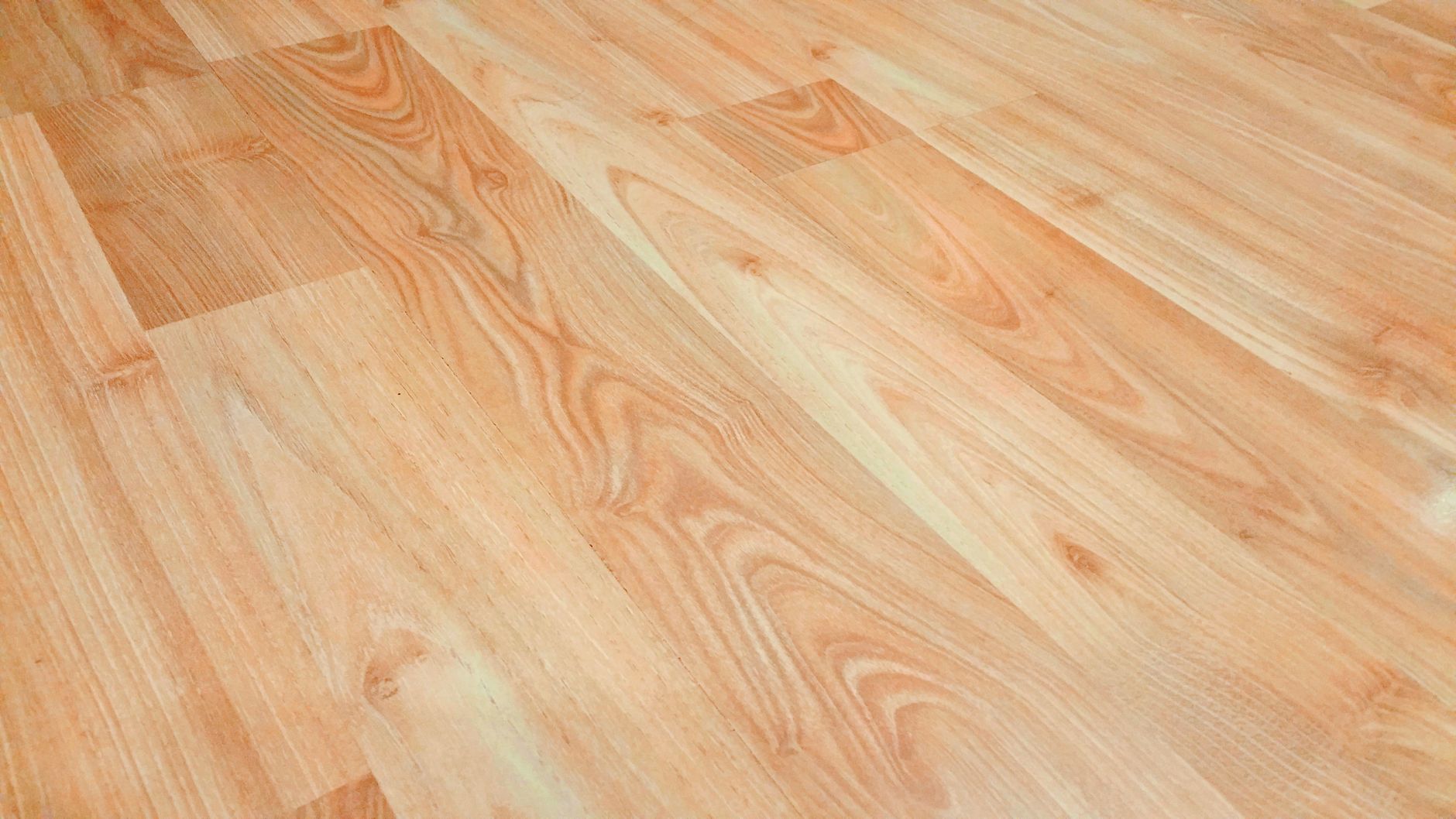
Wallpaper pairs beautifully with architectural wall paneling. Installing wainscoting or molding on the lower portion of the wall and wallpaper on the upper portion creates a refined, classic appearance while introducing pattern and color.
19. Try Black-and-White Wallpaper
A monochrome palette provides a timeless look that fits modern, contemporary, and minimalist interiors alike. High-contrast geometric patterns make a striking bold statement, while delicate monochrome florals feel traditional.
20. Use Wallpaper as Artwork
Large-scale wallpaper murals—such as landscapes, abstract art, cityscapes, or botanical illustrations—can serve as a primary focal point in place of traditional framed art.
- Styling tip: Keep surrounding décor minimal so the mural remains the center of attention.
21. Choose Wallpaper Based on Room Size
- Small spaces: Lighter shades and smaller pattern scales build an airy, open feel.
- Large spaces: Offer complete freedom to experiment with oversized prints, rich dark colors, and grand murals.
22. Coordinate Wallpaper With Furniture
Always factor in your existing furniture before selecting a pattern:
- If your furniture features bold colors or heavy patterns, choose a subtle wallpaper to maintain balance.
- If your furniture consists of neutral, solid tones, feel free to introduce an intricate or vibrant wallpaper print.
23. Use Wallpaper in an Entryway
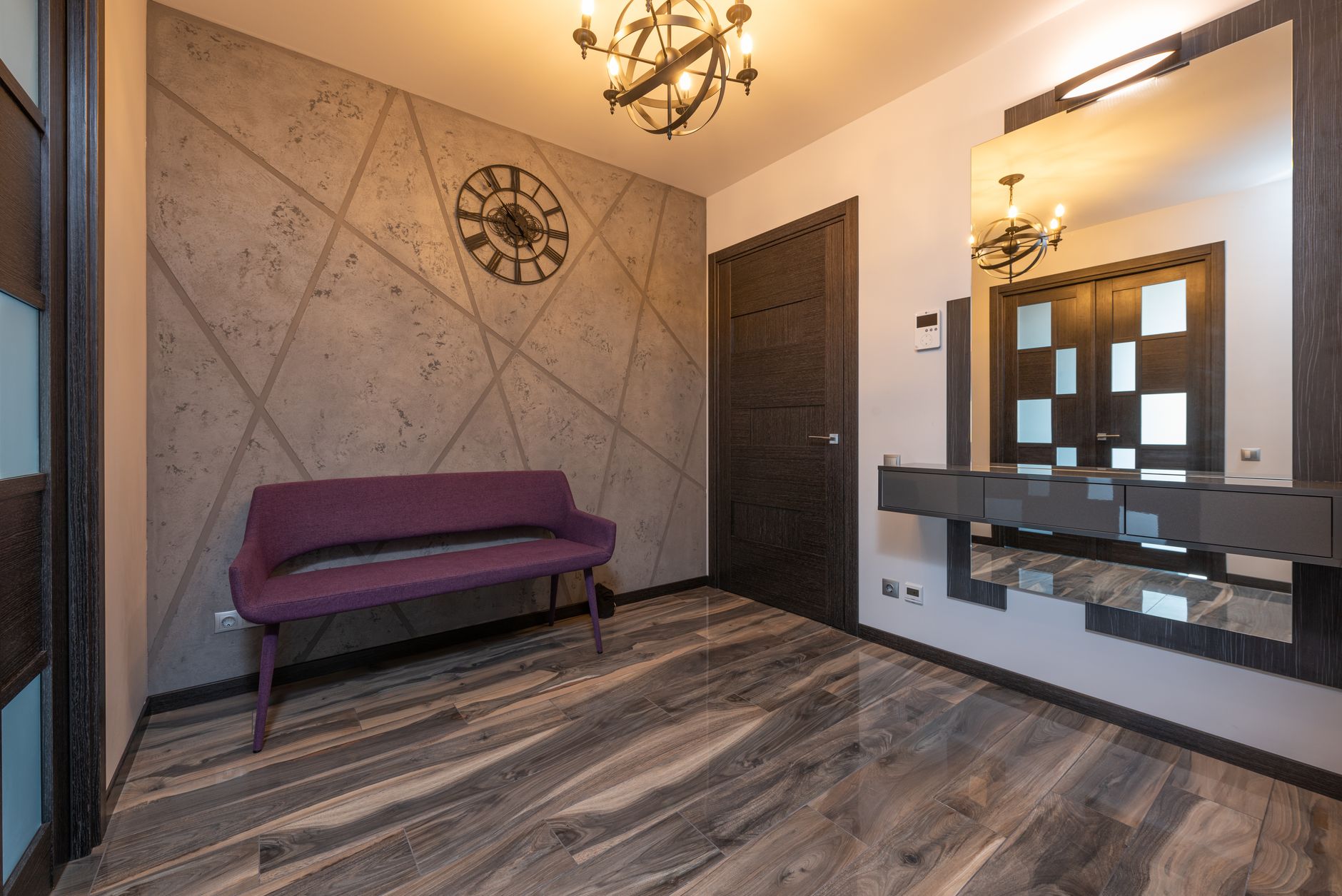
Because entryways are smaller, transit-oriented spaces, they offer a low-risk opportunity to experiment with bold patterns that make a strong first impression on guests. Pair with a console table, a wall mirror, and accent lighting.
24. Add Wallpaper to a Reading Nook
Transform an awkward corner or reading nook into a cozy sanctuary using wallpaper as a backdrop. Calming leaf patterns, soft stripes, or subtle abstract shapes pair wonderfully with an armchair, floor lamp, and side table.
25. Mix Wallpaper With Natural Materials
Ground vibrant wallpaper patterns by combining them with organic textures and natural elements:
- Wood & bamboo
- Rattan & wicker
- Linen & cotton
- Stone accents
How to Choose the Right Room Wallpaper
Selecting the perfect wallpaper is straightforward when you consider these core factors:
- Consider the Room’s Purpose: Bedrooms benefit from peaceful, low-contrast patterns, whereas social hubs like living and dining rooms can handle bolder statements.
- Evaluate the Lighting: Sunlit rooms easily handle dark colors. Rooms with limited natural light benefit from reflective, light-toned wallpapers.
- Harmonize Existing Colors: Pull accent shades from your flooring, trim, furniture, and window treatments to ensure the wallpaper matches the existing palette.
- Determine Pattern Scale: Large patterns create dramatic focal points, while small-scale prints act as subtle texture.
- Always Order Samples: Lighting dramatically affects wallpaper appearances. Hang a physical sample in your room to view it at different times of day before buying full rolls.
How to Install Room Wallpaper
- Surface Preparation: Ensure walls are clean, completely dry, and smooth. Patch up any holes, cracks, or uneven surfaces before applying paper.
- Understand the Adhesive Type: Traditional wallpaper requires separate paste, pre-pasted paper needs water activation, and peel-and-stick options feature self-adhesive backings.
- Measure & Align: Measure wall heights carefully and account for pattern repeats to ensure seamless alignment across panels.
- Professional Help: For intricate patterns, expensive materials, or complex wall layouts, hiring a professional paperhanger ensures a flawless finish.
How to Maintain Wallpaper
- Routine Dusting: Gently wipe surfaces using a dry microfiber cloth or feather duster to prevent dirt buildup.
- Cleaning: Follow manufacturer guidelines; washable wallpapers can be cleaned using a damp cloth with mild soap.
- Moisture Control: Avoid exposing standard wallpaper to excess dampness unless it is specifically rated for high-humidity areas (like bathrooms).
- Protection: Keep heavy furniture edges slightly away from papered surfaces to avoid accidental tears and scuffs.
Frequently Asked Questions
Is wallpaper a good idea for a room?
Yes. Wallpaper adds color, pattern, texture, and personality without requiring structural renovations. It can be applied to an entire room or limited to a single feature wall.
Which wallpaper is best for a bedroom?
Botanical prints, soft florals, textured grasscloths, neutrals, and muted geometric patterns are ideal for bedrooms because they promote a calm, restful environment.
Does wallpaper make a room look bigger?
Yes, certain designs can visually enlarge a space. Light colors, delicate patterns, and vertical stripes create an illusion of added height and openness.
Is peel-and-stick wallpaper easy to use?
Peel-and-stick wallpaper is designed for easy DIY application and removal. Success depends primarily on adequate wall prep, paper quality, and careful pattern matching during installation.
Can wallpaper be used on every wall?
Yes. Subtle textures and small-scale prints work well across all walls. Bold, high-contrast patterns are often best restricted to an accent wall to prevent visual clutter.
How long does room wallpaper last?
When properly installed on well-prepared walls and kept in suitable environmental conditions, high-quality wallpaper can last anywhere from 10 to 15 years or more.
Conclusion
Room wallpaper is a versatile, creative tool for transforming any interior space. From subtle textured finishes and organic botanical prints to bold geometric statements and dramatic murals, there is a style to complement every aesthetic preference.
By evaluating room size, lighting, existing furnishings, and practical usage, you can select a design that turns your walls into a compelling focal point—making your entire home feel cohesive, comfortable, and uniquely yours.