
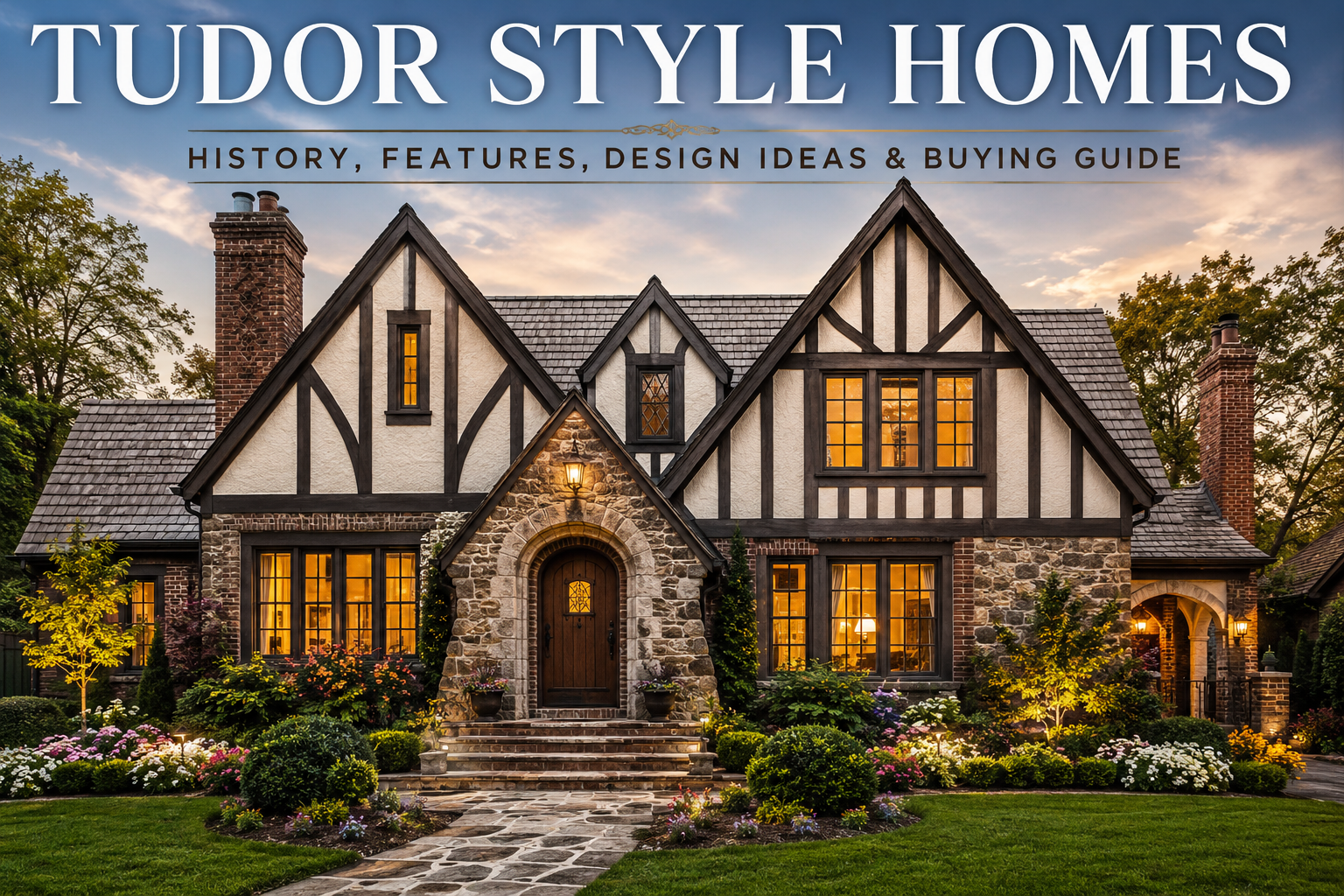
Tudor style homes are incredibly popular in America. People love them because they are beautiful and possess an immense amount of character. Featuring steep, pitched rooflines and decorative half-timbering, these residences look as though they stepped right out of a storybook.
If you are thinking about buying a Tudor style home, or if you already own one and want to fix it up, it is a excellent idea to learn about the history of these homes and what makes them special.
The History of Tudor Style Homes
Tudor style homes were first built in England centuries ago. They originally emerged during the Tudor period, which lasted from the 1400s to the early 1600s, and were designed for affluent individuals who wanted to show off their wealth and status.
The Tudor style homes we see in America today are not exactly the same as the historical ones found in England. Instead, they represent a architectural revival—a beautiful mix of old-world charm and new-world construction. They retain the iconic steep roofs and decorative half-timbering of old English homes, while incorporating modern layouts and features that make them comfortable and convenient for today’s families.
Over time, this style became a staple of American residential architecture. People fell in love not only with the whimsical aesthetic but also with the fact that these homes were built to last using high-quality materials and exceptional craftsmanship.
Defining Exterior and Interior Features
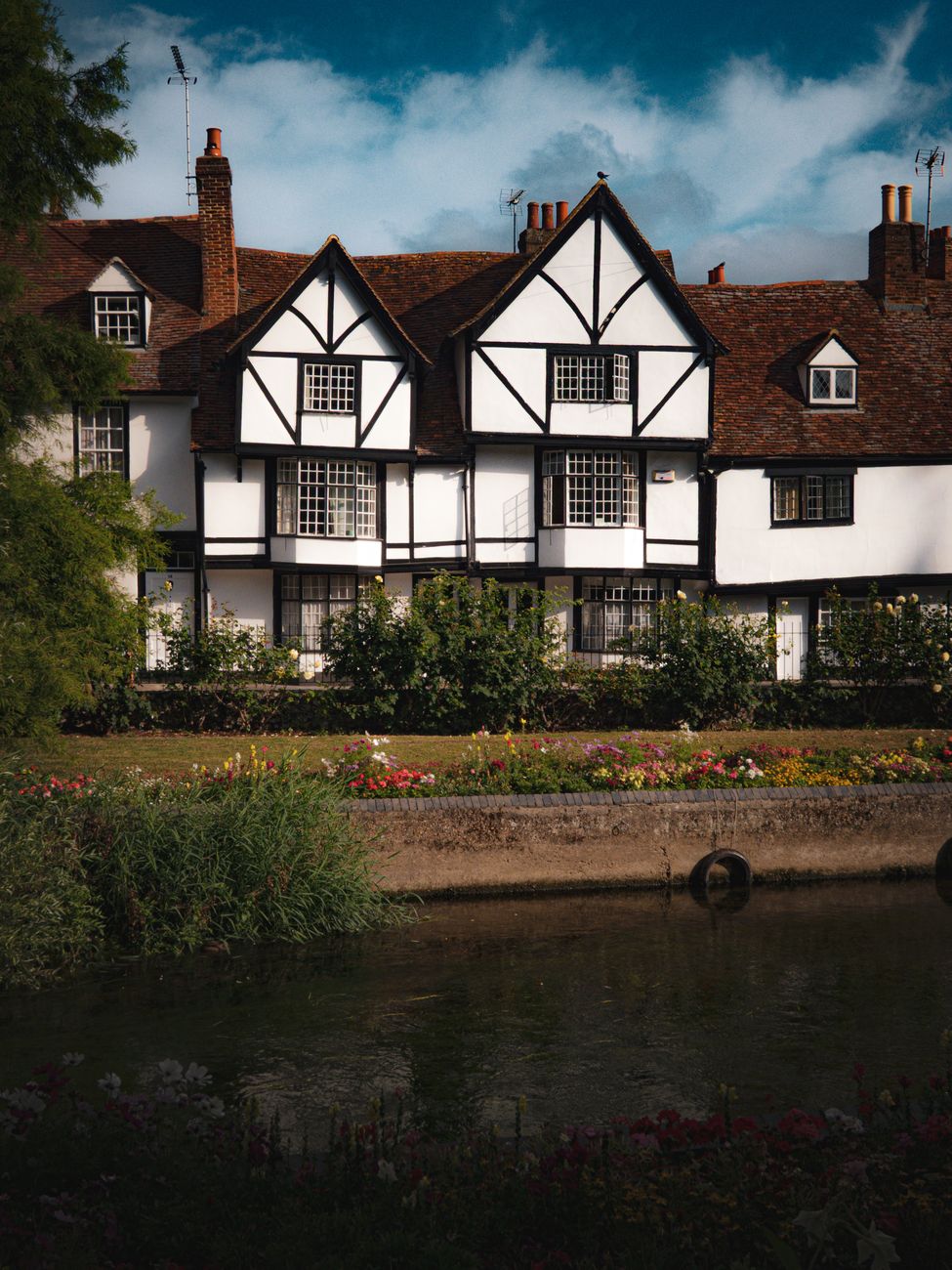
A Tudor style home has a distinctive look that is almost impossible to mistake. Both inside and out, the architectural details are designed to feel substantial, warm, and inviting.
Key Exterior Characteristics
- Steeply Pitched Roofs: Dramatic gables give these homes their iconic silhouette.
- Decorative Half-Timbering: Visual wood framing over stucco or brick mimics medieval building techniques.
- Brick or Stone Facades: Solid masonry work gives the exterior a classic, rooted look.
- Prominent Chimneys: Large, ornate brick or stone chimneys often serve as major exterior focal points.
Key Interior Characteristics
The interior of a Tudor style home is just as beautiful as the exterior, often feeling like a warm hug. Common interior details include:
- Exposed structural wood beams across ceilings.
- Large, dramatic fireplaces that act as the centerpiece of the living areas.
- Intricate woodwork, custom trim, and arched doorways.
- Cozy, compartmentalized room layouts that prioritize intimacy and warmth.
Decorating and Landscaping Tips
Decorating a home with such strong architectural bones requires a thoughtful approach. The goal should always be to preserve the traditional character while highlighting unique features.
Interior Decorating Ideas
When furnishing a Tudor style home, choose decorations that remain consistent with its historic period while adding comfort:
- Highlight original architectural details, drawing attention to leaded windows and ceiling beams.
- Use traditional art pieces, brass lighting fixtures, and wrought-iron accents.
- Layer rich textiles like Persian rugs, linen curtains, and velvet cushions.
- Decorate shelves and mantels with ceramic vases and vintage find items.
Landscaping Suggestions
The surrounding landscape should complement the heavy, historic feel of the architecture. Consider adding:
- Stone walkways and classic boxwood hedges.
- Climbing ivy on brick facades to enhance the old-world look.
- Lush cottage gardens packed with colorful hydrangeas and roses to provide soft texture against the solid stone.
Renovation Ideas
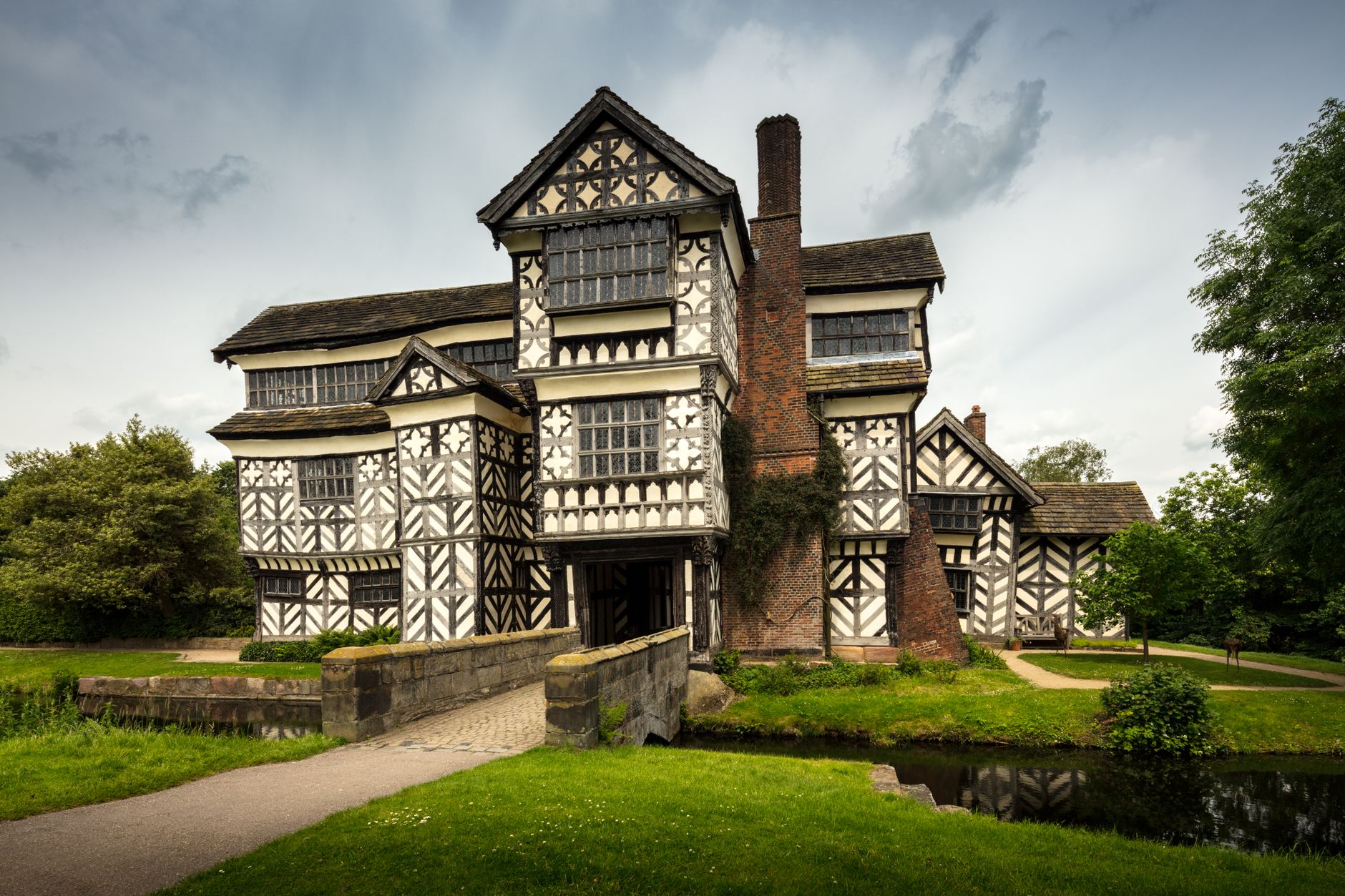
Renovating a classic home means balancing historic preservation with 21st-century functionality. When updating a Tudor style home, always pick materials and finishes that honor the home’s traditional style.
- Targeted Updates: Prioritize modernizing kitchens and bathrooms while leaving historic structural components intact.
- Energy Efficiency: Improve insulation and update HVAC systems without altering the exterior facade.
- Architectural Trim: Use custom trim and substantial molding to recreate or maintain missing traditional woodwork.
- Lighting and Flooring: Install timeless flooring materials (like oak hardwoods) and update lighting to brighten up historically darker layouts.
Weighing the Pros and Cons
Like any architectural style, Tudor style homes come with their own set of advantages and challenges.
The Pros
- Stunning Curb Appeal: Unmatched storybook charm that stands out in any neighborhood.
- Exceptional Durability: Built using robust materials like stone, heavy timber, and brick.
- Inviting Interiors: Rich historical character, cozy layouts, and strong resale potential.
The Cons
- Higher Upfront Cost: These homes are often more expensive than standard contemporary houses due to the quality of materials and detail.
- Demanding Maintenance: The intricate steep roofs, stucco, and half-timbering require specialized upkeep.
- Smaller Footprints: Rooms are typically more compartmentalized compared to modern, open-concept floor plans.
Best Practices for Upkeep and Maintenance
To preserve both the beauty and the resale value of your property, regular maintenance is absolutely necessary. Implement these best practices annually:
- Inspect the steep roof and clean the gutters regularly to prevent water damage.
- Repoint aging brickwork and masonry when mortar begins to crumble.
- Seal wood trim and half-timbering to protect the exterior against moisture and rot.
- Maintain exterior paint and stucco finishes promptly.
- Keep climbing ivy and heavy landscaping trimmed away from the structural walls.
- Schedule routine HVAC servicing to ensure proper airflow through older layouts.
Frequently Asked Questions (FAQs)
Are Tudor style homes still popular today?
Yes, they are. They continue to attract homeowners who appreciate historic architecture, quality craftsmanship, and timeless design. Even many newly built custom homes incorporate Tudor-inspired elements, proving their enduring appeal.
What are the main features of Tudor style homes?
They are characterized by steeply pitched roofs, decorative half-timbering, brick or stone exteriors, tall prominent chimneys, and narrow multi-pane windows.
Are these homes expensive to maintain?
Maintenance costs can be higher than average due to the specialized architectural features and materials. However, consistent, preventative upkeep prevents costly repairs down the line.
Can a Tudor style home accommodate a modern interior?
Absolutely. Many homeowners successfully blend modern kitchens, updated bathrooms, and smart home technology with the traditional architectural charm of the property.
What colors work best for this style?
Warm neutrals, forest greens, deep blues, burgundy, cream, and rich brown tones look best. Exterior color schemes typically utilize light stucco paired with dark wood timbering and natural brick.
Conclusion
Tudor style homes continue to captivate homeowners with their storybook charm, deep architectural heritage, and timeless elegance. From their pitched roofs and decorative half-timbering to their warm, wood-beamed interiors, they offer a level of character that is incredibly difficult to replicate in modern construction.
Whether you are looking to purchase, renovate, or decorate a Tudor style home, understanding its defining traits will help you make design choices that honor its historic roots while embracing modern comfort. With proper care and thoughtful planning, a Tudor style home will remain a beautiful, functional, and valuable place to live for generations to come.
1 thought on “Tudor Style Homes: The Ultimate Guide to Storybook Charm and Timeless Architecture”