
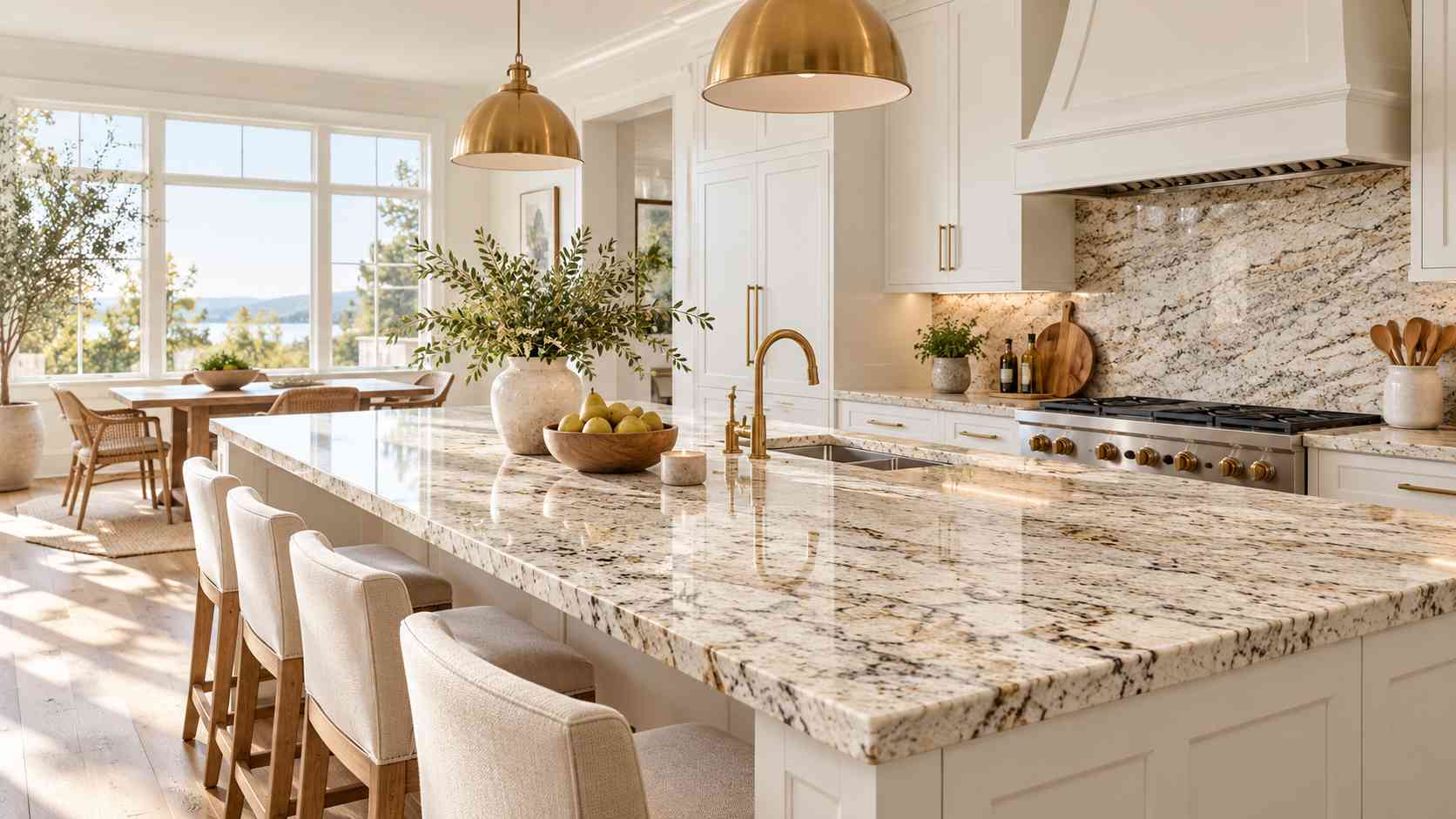
Choosing granite cabinet tops kitchens homeowners can enjoy for years starts with more than picking a color. Granite is a natural stone, so each slab has its own pattern, movement, and mix of tones. The right one can bring warmth and character to a kitchen, complement your cabinets, and provide a durable work surface for daily cooking.
Before visiting a stone showroom, consider how you use your kitchen, the style of your cabinets, and the amount of maintenance you are comfortable with. Think about lighting, backsplash materials, edges, and the layout of the countertop, too. These details help you find a surface that feels cohesive rather than simply attractive on a sample.

What to Know About Granite Countertops
Granite forms naturally and is cut into slabs for use in kitchens, bathrooms, and other spaces. Its color and pattern depend on the minerals within the stone. Some slabs have a quiet, consistent appearance; others feature bold veins, flecks, or dramatic color shifts.
That natural variation is part of granite’s appeal. It also means a small sample may not show every feature of the full slab. If possible, view the actual slab or a high-quality photograph before you make a final selection. Look at the sections that will be visible on the island, around the sink, and near the range.
When comparing granite cabinet tops kitchens designs, keep the room as a whole in mind. The counters should work with the cabinets, flooring, backsplash, wall color, hardware, and lighting. You do not need every surface to match. A balanced mix of colors and textures often creates a more inviting result.
Granite is hard and durable, but it is not indestructible. A heavy object can chip an exposed edge, and certain spills may stain a porous stone if left unattended. Many granite surfaces are sealed during fabrication, but sealing needs and frequency vary by stone and finish. Ask the fabricator what care the specific slab requires.
Choose a Granite Color That Fits Your Kitchen
Granite comes in shades that include white, cream, gray, black, brown, green, and blue. The color you choose can influence how large, bright, warm, or dramatic the kitchen feels.
Light granite
White, cream, and pale gray granite can brighten a room and pair easily with many cabinet colors. Some light slabs have subtle gray flecks; others include beige or darker mineral patterns. They can suit a classic kitchen, a modern space, or a relaxed farmhouse design.
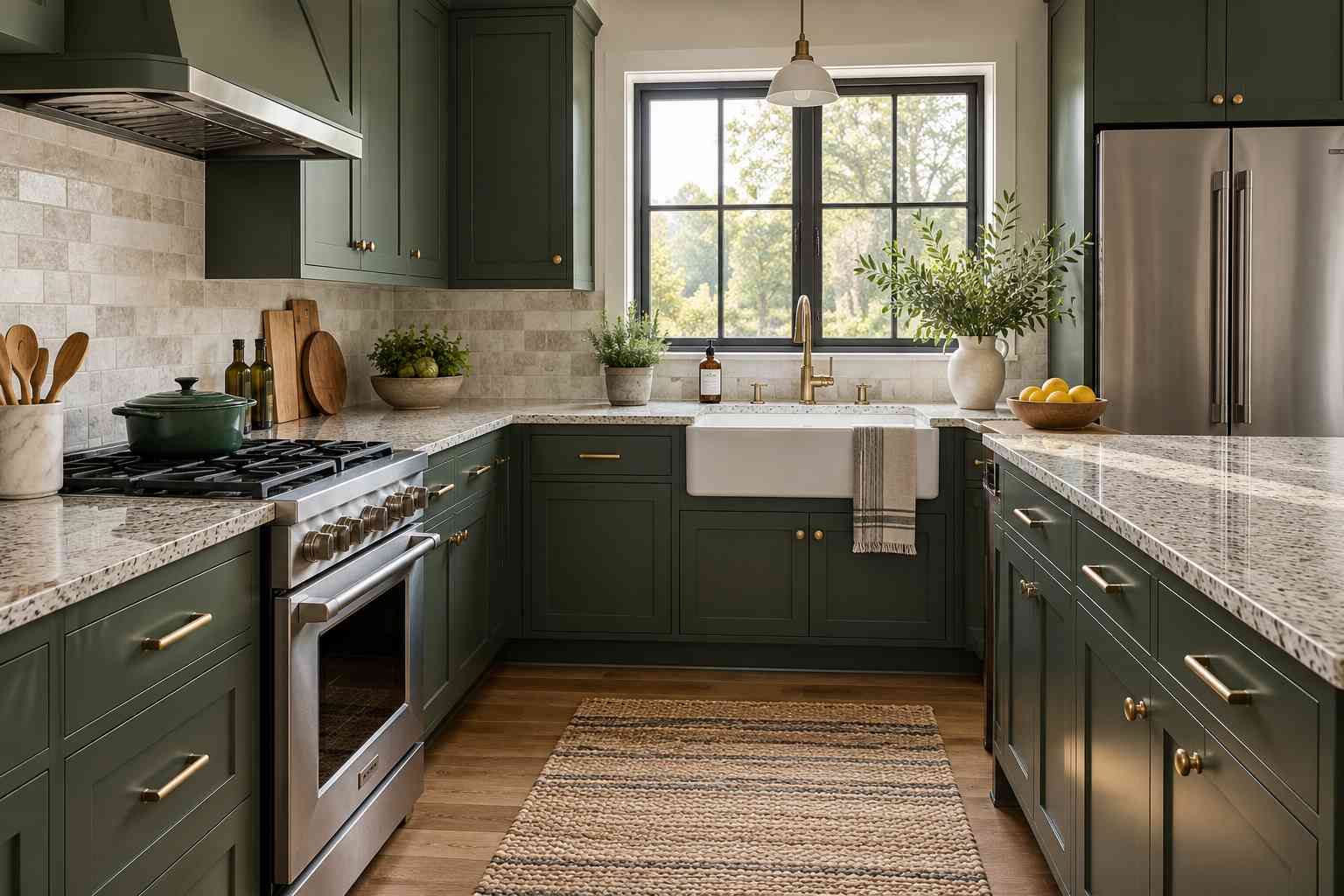
Light granite often works well with white, navy, charcoal, natural wood, or soft green cabinets. If the stone has a noticeable pattern, keep the backsplash simple so the surfaces do not compete for attention.
Dark granite
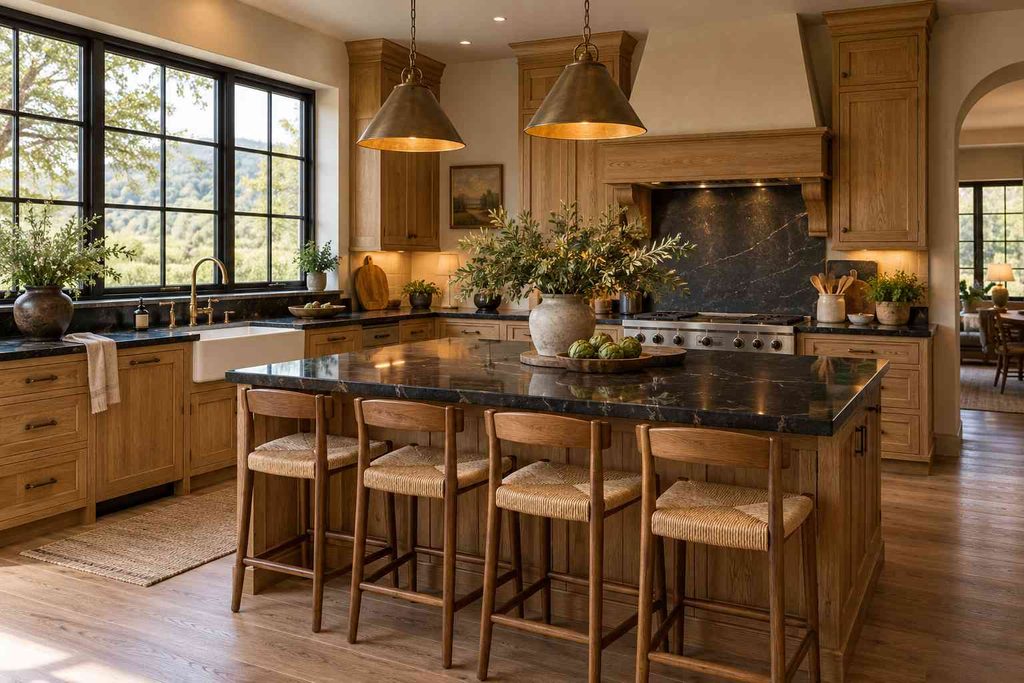
Black and deep brown granite can create contrast against light cabinets or add depth to a room with wood cabinetry. A polished dark surface reflects light, while a honed finish tends to look softer and more understated.
Dark granite can show dust, water marks, and fingerprints more clearly, depending on its finish and pattern. If you prefer a low-contrast look, consider a slab with small flecks or a mixed pattern rather than a perfectly uniform dark surface.
Warm and patterned granite
Gold, tan, brown, and rust tones can bring warmth to a kitchen, especially when paired with oak, walnut, or cream cabinets. More dramatic granite can become the focal point of the room. In that case, use calmer colors elsewhere and allow the stone to stand out.

Match the Countertop With Your Cabinets
The best pairing depends on the colors and undertones in both materials. A cabinet may appear white at first glance but have a warm cream or cool gray cast. Granite can have similar undertones, so compare samples in your kitchen’s lighting.
For granite cabinet tops kitchens with white cabinets, nearly any granite family can work. Light stone creates a bright, seamless look, while dark granite adds contrast. If you want a softer transition, choose a mid-tone slab with a mix of white, gray, and beige.
With wood cabinets, notice whether the wood reads warm, cool, light, or dark. Cream and gold granite can complement warm wood. Gray or white granite may create a fresh contrast with richer cabinetry. Place the samples together instead of judging each material separately.
For navy, green, or charcoal cabinets, look for granite that repeats one of the cabinet’s tones or provides a clear contrast. A pale surface can lift deep-colored cabinetry, while a darker slab can create a more enveloping, dramatic feel.

Consider the Layout and Pattern
A countertop’s appearance depends on where the slab is installed. A dramatic vein may look different across a long island than it does on a short stretch beside the sink. Ask the fabricator how the pattern will be positioned and where seams may appear.
An island can show off a larger section of the slab, making it a natural place for a more distinctive pattern. Perimeter counters can use the same stone for a unified look, or a complementary material for contrast. If using two countertop materials, repeat a color or finish elsewhere in the room to connect them.
Seams are sometimes necessary, especially in larger kitchens or around complex layouts. Their visibility depends on the stone’s pattern, the placement of the seam, and the quality of the installation. Ask where the seams will be before fabrication begins.
Choose a Finish and Edge Profile
A polished finish is glossy and can make colors appear more vivid. A honed finish is matte or low-sheen and may feel more relaxed. Textured finishes offer a different tactile quality and can suit rustic or contemporary spaces. Ask how the finish affects cleaning and the look of the specific granite you are considering.
Edge profiles also influence the overall style. A straight or eased edge is simple and works in many kitchens. Rounded edges soften the countertop’s appearance. More decorative profiles can create a traditional look, though intricate edges may be harder to clean.
Edge choice should also suit the kitchen’s practical needs. An island where people sit may benefit from a comfortable profile. In a busy household, a simpler edge can be easier to maintain and less likely to catch crumbs.
Plan for Daily Use and Durability
Granite can handle the normal activity of a busy kitchen, but sensible habits help preserve its appearance. Use a cutting board rather than cutting directly on the stone. The surface may dull knives, and a sharp impact can damage the stone.
Although granite tolerates heat better than many countertop materials, avoid placing very hot cookware directly on it. Sudden temperature changes can stress stone, and the safest routine is to use trivets or hot pads. Treating the countertop with care helps protect both the stone and its sealant.
For granite cabinet tops kitchens used by families, consider how the countertop will function during meal preparation, homework, and entertaining. Check that the island has enough clearance, that frequently used appliances have a practical place, and that the sink and cooking areas are easy to clean.
Understand the Cost Before You Commit
Granite prices vary based on the slab, thickness, finish, edge profile, fabrication, installation, and region. A simple countertop in a common color may cost less than a rare or highly patterned slab. Extra cutouts, unusual corners, and complex layouts can add to the project cost.
Request an itemized estimate so you can see what is included. Ask whether the quote covers measuring, fabrication, delivery, installation, sink cutouts, backsplash pieces, sealing, and removal of existing counters. Clarify how changes to the layout or slab selection could affect the price.
If you are comparing granite cabinet tops kitchens options within a budget, ask the showroom to show you slabs in several price ranges. You may find a color and pattern you like among more readily available choices. Decide which features matter most—such as a particular color, a dramatic island, or a premium edge—before choosing where to spend more.
Keep Maintenance Simple
For everyday cleaning, use a soft cloth and a cleaner recommended for the stone. Wipe spills promptly, especially oil, wine, coffee, and acidic liquids. Avoid harsh or abrasive products unless the fabricator confirms they are safe for your specific surface.
Granite sealing is not identical for every slab. Some stones may need more frequent attention than others, while certain finishes or treatments have different care instructions. Ask the installer what product was used, when the countertop should be checked, and how to test whether resealing is needed.
Do not assume that a countertop is stain-proof just because it has been sealed. Sealer can reduce absorption, but it does not make stone immune to stains or damage. Quick cleanup and routine care remain useful.
Common Mistakes to Avoid
One common mistake is choosing from a tiny sample without checking the full slab. Natural patterns can vary considerably, and the part you like on a small sample may not dominate the installed countertop. View the slab in person when possible and discuss how it will be cut.
Another mistake is selecting the countertop before confirming cabinet color and lighting. A stone that looks bright under showroom lights may appear warmer or darker at home. Compare samples near a window and under the kitchen’s evening lighting.
It is also easy to focus on appearance and overlook practical details. Confirm the sink and faucet measurements, overhangs, support requirements, seam locations, and edge profile before fabrication. Clear communication with the installer can prevent costly surprises.
Finally, do not choose a stone based on a broad promise that it will need no care. Ask about the particular slab and finish. Understanding maintenance beforehand helps you decide whether the material suits your routines.
How to Select a Slab With Confidence
Start by collecting cabinet, flooring, and backsplash samples. Bring them to the showroom and view them beside the granite under different lighting. Take photos, but remember that phone cameras can shift colors.
Next, identify what you want the room to feel like. A bright, airy kitchen may call for a pale stone and simple pattern. A cozy, traditional space might suit warmer tones. A contemporary kitchen could use stronger contrast or a distinctive island slab.
Then inspect the stone for the qualities that matter to you. Look at its color distribution, pattern, finish, and any natural marks. Ask the fabricator about care, availability, installation timing, and how the stone will be cut. If the slab is large enough, mark or discuss the areas you want featured on the island or countertop run.
For granite cabinet tops kitchens projects, the most satisfying choice is usually the one that looks right in the room and fits the household’s everyday habits. There is no single color or pattern that works for every home.
Frequently Asked Questions
Is granite a good choice for kitchen countertops?
Granite is a popular option because it is a durable natural stone with many colors and patterns. It still needs appropriate care, and the maintenance requirements vary by slab and finish. Ask your installer about the specific stone you select.
Do granite countertops need to be sealed?
Some granite surfaces benefit from sealing, but the need and schedule depend on the stone, finish, and treatment. Follow the fabricator’s instructions rather than assuming every countertop should be sealed on the same schedule.
Which cabinet colors pair well with granite?
White, wood, navy, green, gray, and charcoal cabinets can all pair well with granite. The best match depends on the stone’s undertones and pattern. Compare samples together in the kitchen’s lighting before deciding.
Can I put hot pans on granite?
It is safer to use trivets or hot pads. Granite is heat-tolerant, but sudden temperature changes can create stress, and using protection helps reduce the chance of damage.
How can I make a small kitchen look larger?
Light granite, reflective lighting, and a restrained pattern can help a small kitchen feel brighter. Pairing the countertop with cabinets that keep the room visually cohesive can also reduce the sense of clutter.
What should I ask a granite installer?
Ask about the slab, finish, seam placement, edge profile, cutouts, supports, installation schedule, total costs, and care instructions. Confirm these details in writing before fabrication starts.
Conclusion
Granite can give a kitchen a distinctive natural surface, but choosing well means considering the entire room. Compare the full slab with your cabinets, check the pattern and finish in your lighting, plan seams and edges, and understand the care your selection needs. For granite cabinet tops kitchens homeowners will enjoy using every day, the right choice balances appearance, budget, and practical needs.