
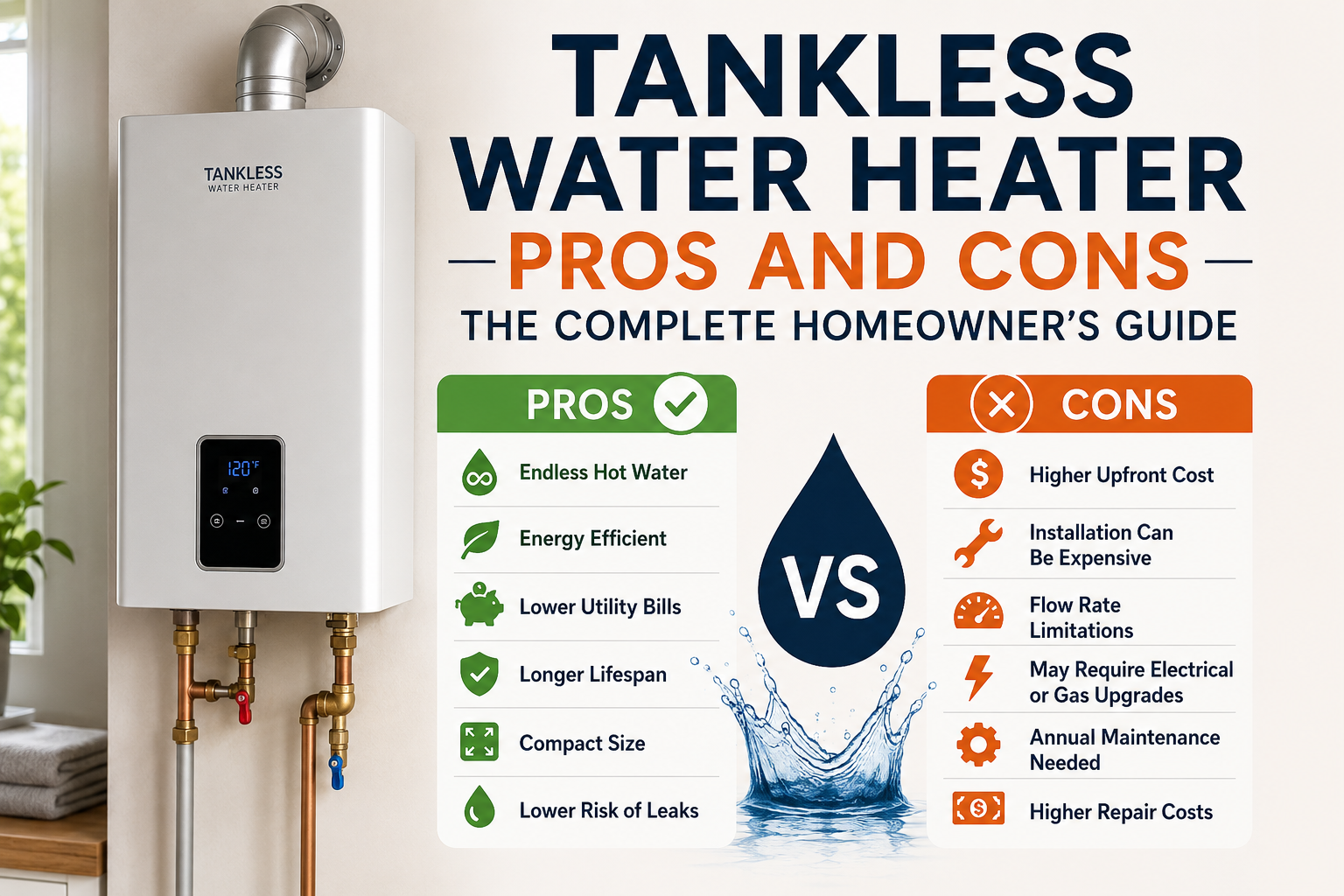
If you are thinking about getting a hot water system for your home, you should learn about the good and bad things about tankless water heaters before you spend any money. A lot of people are switching from traditional water heaters to tankless ones because they use less energy, give you hot water all the time, and take up less space. Like any big change to your home, there are good and bad things to think about.
What is a Tankless Water Heater?
A tankless water heater, also called an on-demand water heater, only heats water when you need it. It is different from traditional water heaters that always keep a large amount of hot water ready in a tank. When you turn on a faucet, cold water goes through a heating element that warms it instantly, providing hot water right away.
How Does a Tankless Water Heater Work?
To understand how these systems operate, here is a step-by-step breakdown of the process:
- You turn on the water: A hot water tap is opened.
- Cold water enters: Water flows into the tankless unit.
- The heating element activates: Gas burners or electric elements turn on.
- Water is heated instantly: The water warms up as it passes through the unit and flows out.
- The system shuts off: When you turn off the water, the unit stops working immediately.
This on-demand process prevents you from wasting standby energy to keep a large tank of water hot all day long.
Pros and Cons at a Glance
Before diving into the details, here is a quick overview of the advantages and disadvantages:
The Pros
- Continuous Hot Water: You won’t run out mid-shower.
- Energy Efficiency: Only uses energy when you need water.
- Cost Savings: Lowers your monthly utility bills.
- Space-Saving: Compact size frees up floor space.
- Durability: Typically lasts longer than tank models.
- Eco-Friendly: Uses less energy and creates less waste.
- Cleaner Water: No stored water means less rust and sediment.
- Smart Technology: Often includes Wi-Fi and smartphone controls.
The Cons
- Higher Upfront Cost: More expensive to purchase.
- Expensive Installation: Requires specialized retrofitting, venting, or electrical upgrades.
- Limited Simultaneous Output: May struggle to keep up if multiple fixtures are running.
- Required Maintenance: Needs regular flushing to prevent scale buildup.
- Costlier Repairs: Complex parts can make repairs expensive.
Deep Dive: The Advantages Explained
1. You Get Hot Water All the Time
One of the best things about tankless water heaters is that you get hot water all the time. You can take back-to-back showers, wash your clothes, and do your dishes without worrying about running out of hot water.
2. You Use Less Energy & Save on Bills
Tankless water heaters are highly energy-efficient because they eliminate “standby heat loss.” Because they only heat water on demand, you save money on your monthly bills while conserving energy.
3. They Last Much Longer
Tankless water heaters last significantly longer than traditional tank heaters. They can operate efficiently for 20 years or more, meaning you do not have to replace them nearly as often.
4. They Take Up Very Little Space
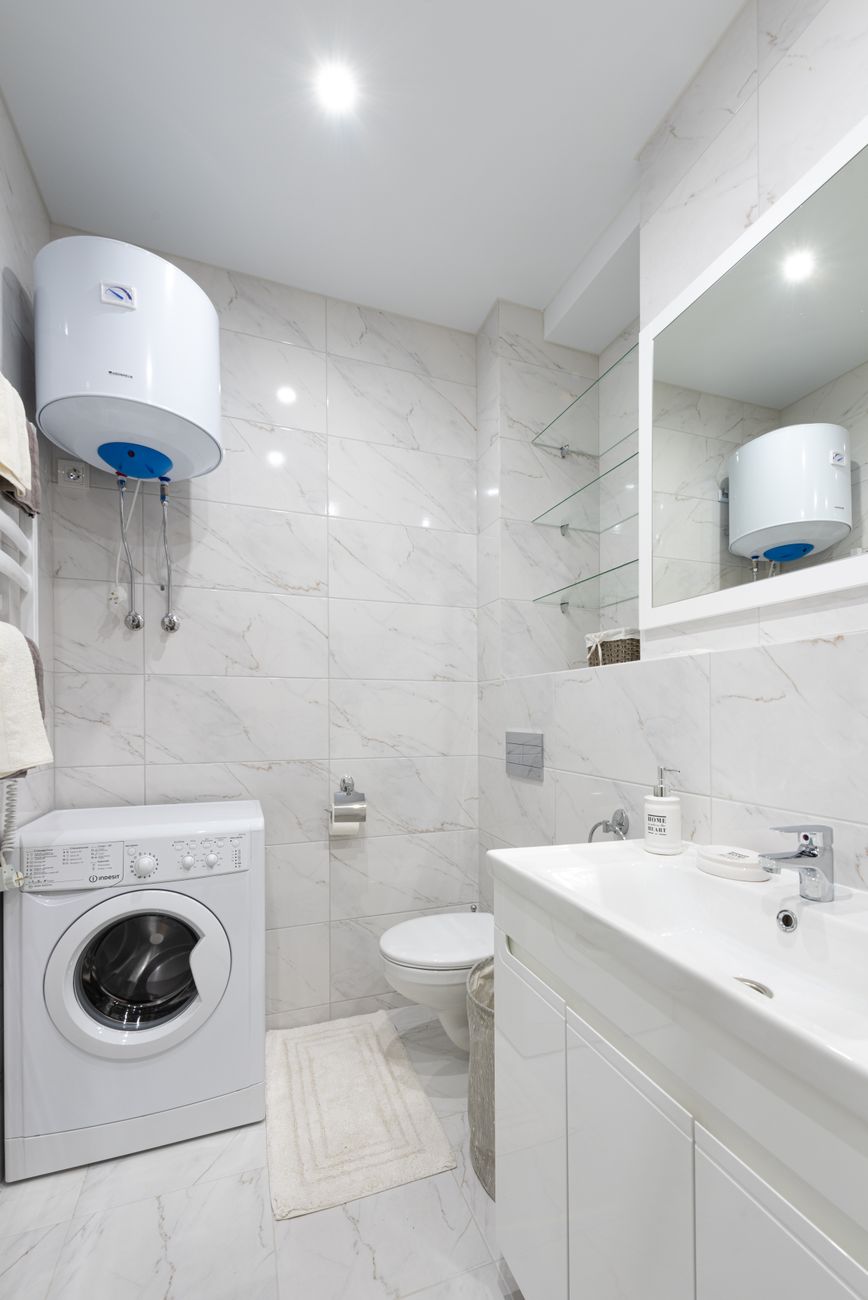
Tankless units are exceptionally compact and are typically mounted on a wall or placed in a small closet. This frees up valuable floor space in your basement or utility room.
5. They Are Better for the Environment
Because they use less energy and have a longer lifespan, tankless water heaters have a much smaller carbon footprint. Fewer unit replacements also mean less landfill waste over time.
6. They Deliver Cleaner Water
Traditional water heaters store water in a steel tank where rust and mineral scale can accumulate over the years. Since tankless systems do not store water, the water coming out of your tap is cleaner and fresher.
7. They Feature Smart Controls
Many modern tankless water heaters come equipped with smart features like Wi-Fi and smartphone integration. This allows you to monitor your energy use, adjust temperatures, and receive diagnostic alerts right on your phone.
Deep Dive: The Disadvantages Explained
1. High Initial Purchase Cost
A major drawback of tankless water heaters is the upfront cost. The units themselves typically cost between $1,000 and $3,000, which is significantly more than standard tank models.
2. Expensive Installation Requirements
Installation can be pricey because these systems often require new gas lines, complex venting systems, or electrical service upgrades. This can add a significant amount to your overall budget.
3. Potential Flow Rate Limitations
While tankless heaters provide an endless supply of hot water, they have a limit on how much hot water they can produce at the exact same time. If you try to run the shower, dishwasher, and washing machine simultaneously, you may experience a drop in water temperature.
4. Regular Maintenance is Required
Tankless units require annual maintenance to work properly. You must regularly flush the system with vinegar to remove scale and mineral buildup, especially if you have hard water.
5. More Expensive to Repair
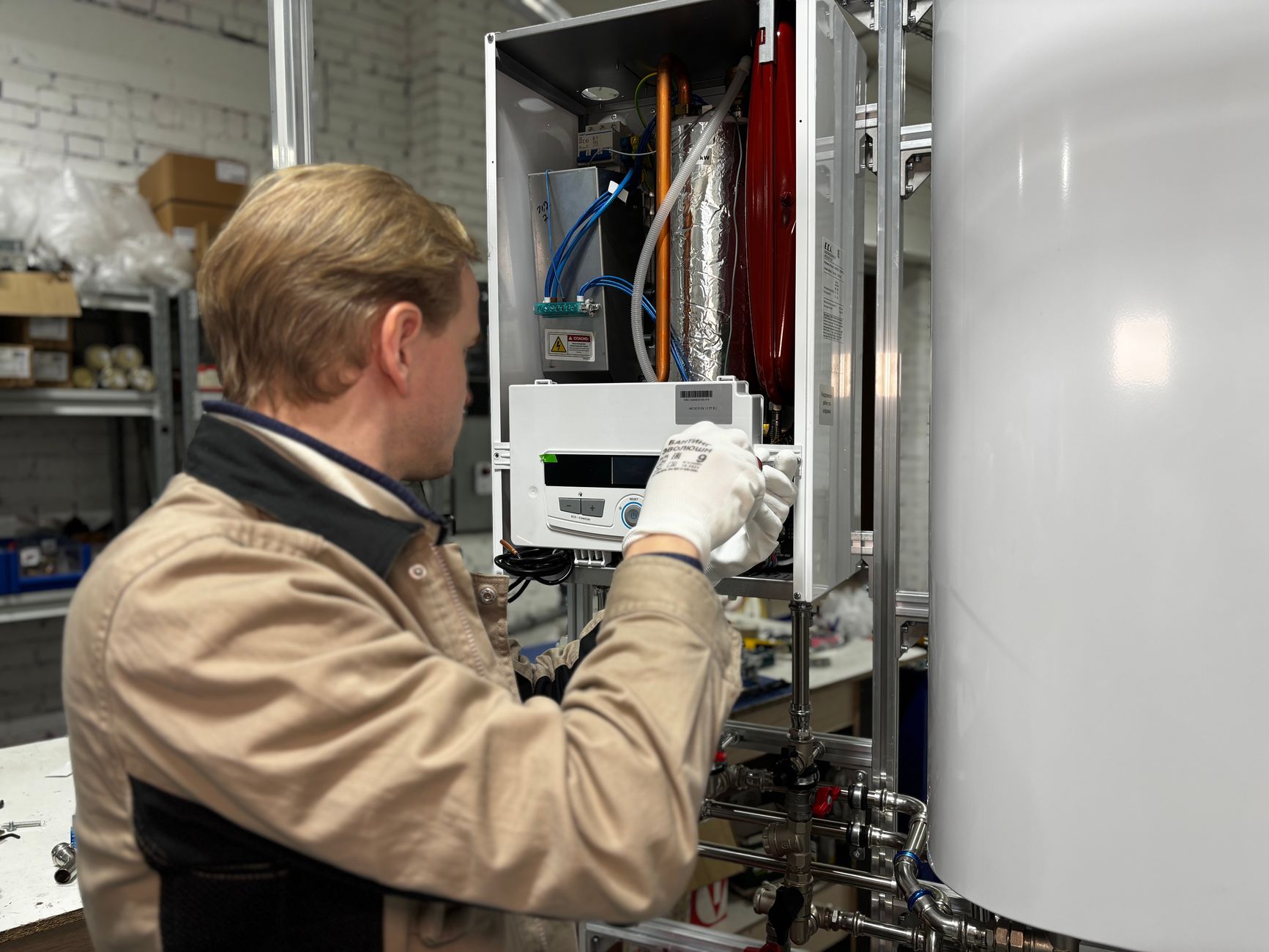
Because tankless water heaters contain complex computer boards, sensors, and specialized heating elements, fixing them when things go wrong can be more expensive than fixing a simple tank heater.
Comparing Your Options
Tankless Water Heaters vs. Traditional Tank Heaters
- Tankless: Endless hot water, lower utility bills, longer lifespan, higher initial cost, and complex installation.
- Traditional Tank: Lower upfront costs, simple installation, limited hot water capacity, shorter lifespan, and higher monthly operating costs.
Gas vs. Electric Tankless Water Heaters
- Gas Tankless: Highly powerful and capable of providing enough hot water for larger households. However, they cost more to install and require dedicated venting.
- Electric Tankless: Easier to install, smaller footprint, and cheaper to purchase. However, they may not provide enough hot water for large homes and require a robust electrical panel.
Estimating the Total Cost
Tankless water heaters generally cost between $1,000 and $3,000 for the unit itself. Professional installation can run anywhere from $800 to $3,000, bringing the total investment to between $1,600 and $5,500. While this is higher than traditional heaters, the long-term energy savings help offset this initial expense.
How to Choose the Right Model
If you decide to make the switch, keep these key factors in mind:
1. Determine Your Flow Rate Needs
Calculate how many gallons of hot water your household uses at peak times. For reference:
- Shower: 2.0–2.5 gallons per minute (GPM)
- Kitchen Faucet: 1.5–2.2 GPM
- Washing Machine: 2.0 GPM
- Dishwasher: 1.5 GPM
Choose a unit with a GPM rating that meets your peak simultaneous demand.
2. Match Your Fuel Type
Evaluate what fuel sources are already available in your home:
- Natural gas
- Propane
- High-voltage electrical service
3. Check the Energy Efficiency Ratings
Look for models with high Energy Factor (EF) or Uniform Energy Factor (UEF) ratings. A higher rating means greater monthly utility savings.
4. Test Your Water Quality
If you live in an area with hard water, minerals will build up quickly in your heating elements. Consider installing a water softener to protect your investment.
5. Hire a Licensed Professional
Proper installation is critical for safety, venting, and maintaining the manufacturer’s warranty. Always hire a certified plumber or technician.
Common Mistakes to Avoid
- Buying a unit that is too small for your household’s peak demand.
- Skipping annual maintenance and flushing.
- Failing to account for hidden installation costs (like gas line upgrades).
- Choosing the wrong fuel source for your home’s existing infrastructure.
- Attempting a DIY installation instead of hiring a professional.
- Forgetting to check local building codes and permits.
- Assuming a tankless heater delivers hot water instantly to the faucet (it still takes a moment for the cold water in the pipes to clear out).
Frequently Asked Questions
What is the best thing about tankless water heaters?
The best feature is their ability to provide an endless supply of hot water while using significantly less energy than traditional tank heaters.
What is the biggest drawback?
The high upfront purchase and installation costs, especially if your home requires gas or electrical service upgrades.
How long do they last?
With proper maintenance, a tankless water heater can last 20 years or more—nearly double the lifespan of a traditional tank.
Do they actually save you money?
Yes. Although they cost more upfront, their energy efficiency and longer lifespan result in lower utility bills and fewer replacements over time.
Can a single unit power an entire house?
Yes, provided you size the unit’s flow rate (GPM) correctly for your household size. Larger homes with high demand may require a larger unit or multiple units installed in parallel.
Do they require maintenance?
Yes. They must be flushed annually to remove mineral deposits and scale buildup.
Is a tankless system better than a traditional tank?
It depends on your priorities. If you plan to stay in your home long-term, want to save energy, and value endless hot water, tankless is the superior option. If you are on a tight budget or plan to move soon, a traditional tank may be more practical.
Final Verdict: Are They Worth It?
Deciding whether a tankless water heater is right for you requires balancing your current budget against your long-term goals. While the upfront costs, installation complexities, and maintenance needs are real, the benefits of endless hot water, lower utility bills, space savings, and a long lifespan make it a highly rewarding investment for many homeowners. By carefully assessing your family’s hot water usage and consulting a professional, you can choose a system that keeps your home comfortable for decades to come.