
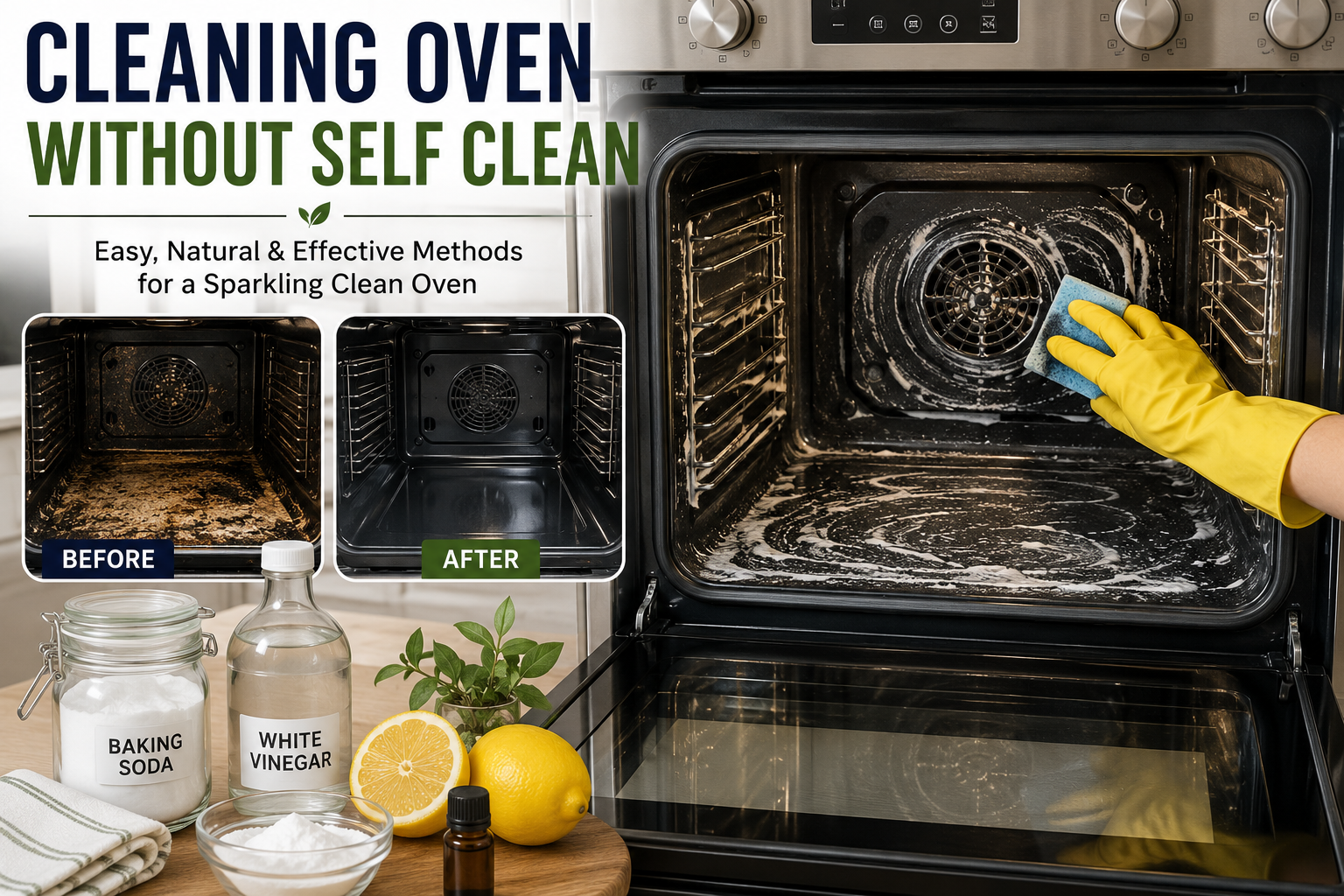
Cleaning your oven without using the self clean function may seem like a difficult task but it is actually one of the safest and most effective ways to keep your oven looking and performing like new. While self-cleaning ovens use high temperatures to burn away grease and food residue many homeowners prefer manual cleaning because it is gentler on the appliance produces less smoke and avoids unpleasant odors.
You do not need chemicals or expensive cleaning products to restore your ovens shine.
With the techniques and a few common household ingredients cleaning your oven without using the self clean function becomes a simple weekend project that protects your appliance and extends its lifespan.
Why You Should Not Use the Self-Cleaning Function?
Although many modern ovens include a self-cleaning feature it is not always the option.
The self-cleaning function has some drawbacks.
Benefits of cleaning your oven manually include producing smoke avoiding extremely high temperatures reducing wear on oven components saving energy and being safer for homes with pets and children.
You have control over the cleaning process when you clean your oven manually.
Many appliance experts recommend cleaning your oven without using the self function regularly instead of relying solely on the self-cleaning cycle.
What You Need to Get Started
Before you begin gather these supplies.
You will need baking soda, white vinegar, warm water, a spray bottle, microfiber cloths, a sponge, rubber gloves, a plastic scraper, a small bowl, an old toothbrush and paper towels.
These inexpensive items can handle oven cleaning jobs without damaging surfaces.
You probably already have most of these items in your kitchen.
Prepare Your Oven for Cleaning
Preparation makes the cleaning process much easier.
- Step 1: turn off your oven. Ensure it is completely cool before cleaning. Never clean an oven as this can cause burns and damage to your oven.
- Step 2: remove oven racks, the thermometer, the pizza stone and baking trays. Removing these items allows you to clean every surface thoroughly.
- Step 3: remove debris, such as crumbs, burnt food, ash and loose grease using a dry cloth or handheld vacuum. Removing debris first prevents creating residue later.
The Baking Soda Method for Cleaning Your Oven
One of the popular methods for cleaning your oven without using the self clean function uses baking soda.
To make a cleaning paste mix half a cup of baking soda with a tablespoons of water. The mixture should resemble toothpaste.
Apply the paste over the oven walls the surface, the interior door and corners. Avoid heating elements, gas openings and electrical components.
Leave the paste overnight for results.
Remove the Paste. Clean Your Oven
The day use a damp cloth to wipe away the baking soda. Rinse frequently with clean water.
For spots use a plastic scraper instead of metal tools to avoid scratching your oven.
After removing the baking soda spray vinegar throughout your oven. The vinegar reacts with any remaining baking soda creating a fizz that loosens residue.
Wipe everything with a microfiber cloth until the surfaces shine.
Deep Cleaning Specific Parts
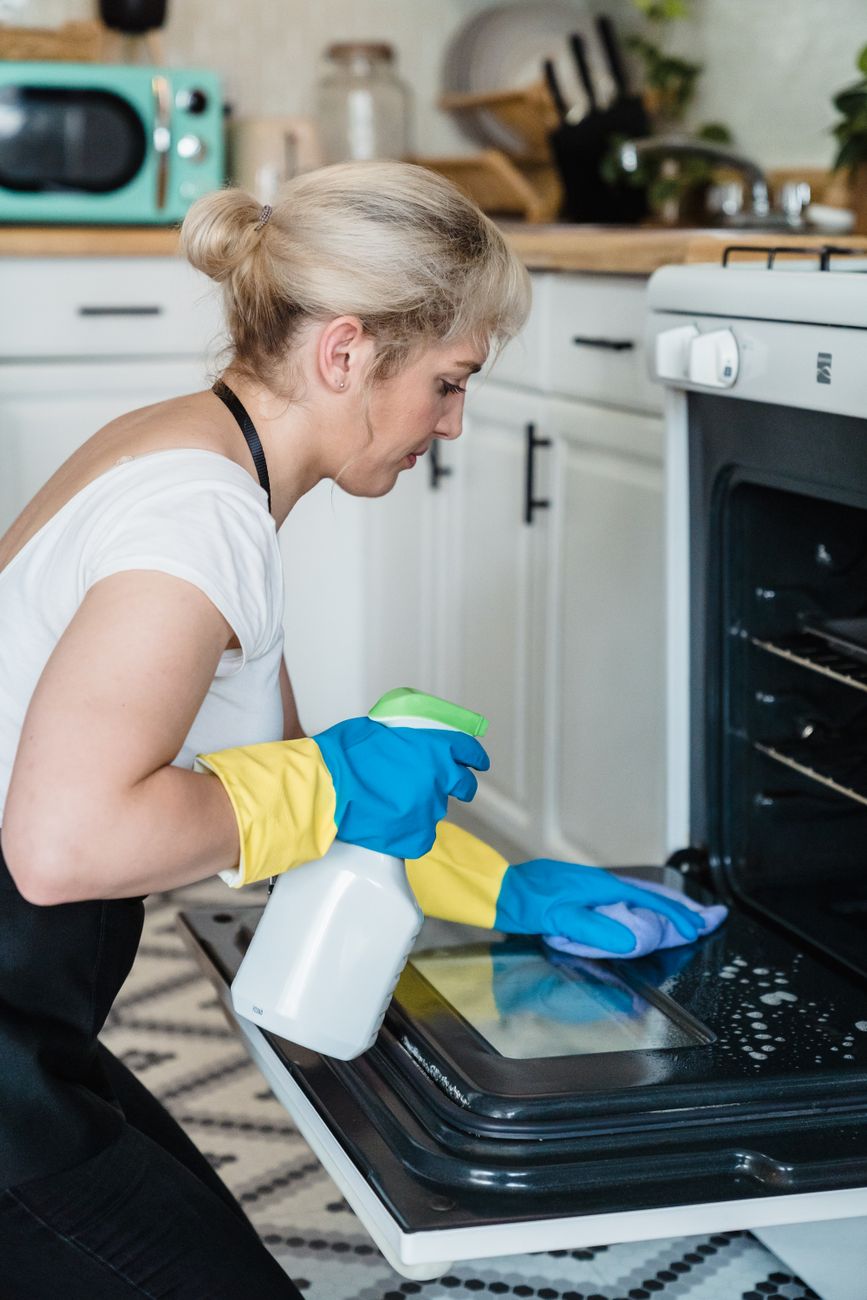
Cleaning Your Oven Racks
Dirty racks are often. Collect a surprising amount of grease.
To clean your oven racks soak them in water with dish soap and one cup of baking soda. Allow the racks to soak for hours.
Scrub gently with a nylon scrub brush or non-abrasive sponge. Avoid using steel wool unless recommended by your manufacturer.
After scrubbing, rinse thoroughly and dry completely before reinstalling.
How to Clean the Oven Door
The oven door often develops grease splatters and baked-on residue.
To clean the glass apply baking soda paste directly to the glass. Allow it to sit for 20–30 minutes before wiping clean.
For stains spray vinegar and let it fizz before wiping with a microfiber cloth.
To clean the glass use warm water, mild dish soap and glass cleaner if approved by the manufacturer. Always wipe in motions for a streak-free finish.
Cleaning Between Oven Door Glass Panels
Many homeowners notice stains trapped between the glass panels.
If your oven model allows access consult the owners manual. Remove the appropriate screws.
Carefully clean with a microfiber cloth attached to a ruler or flexible cleaning tool. Never force the panels apart as this may damage the door.
Advanced Natural Methods
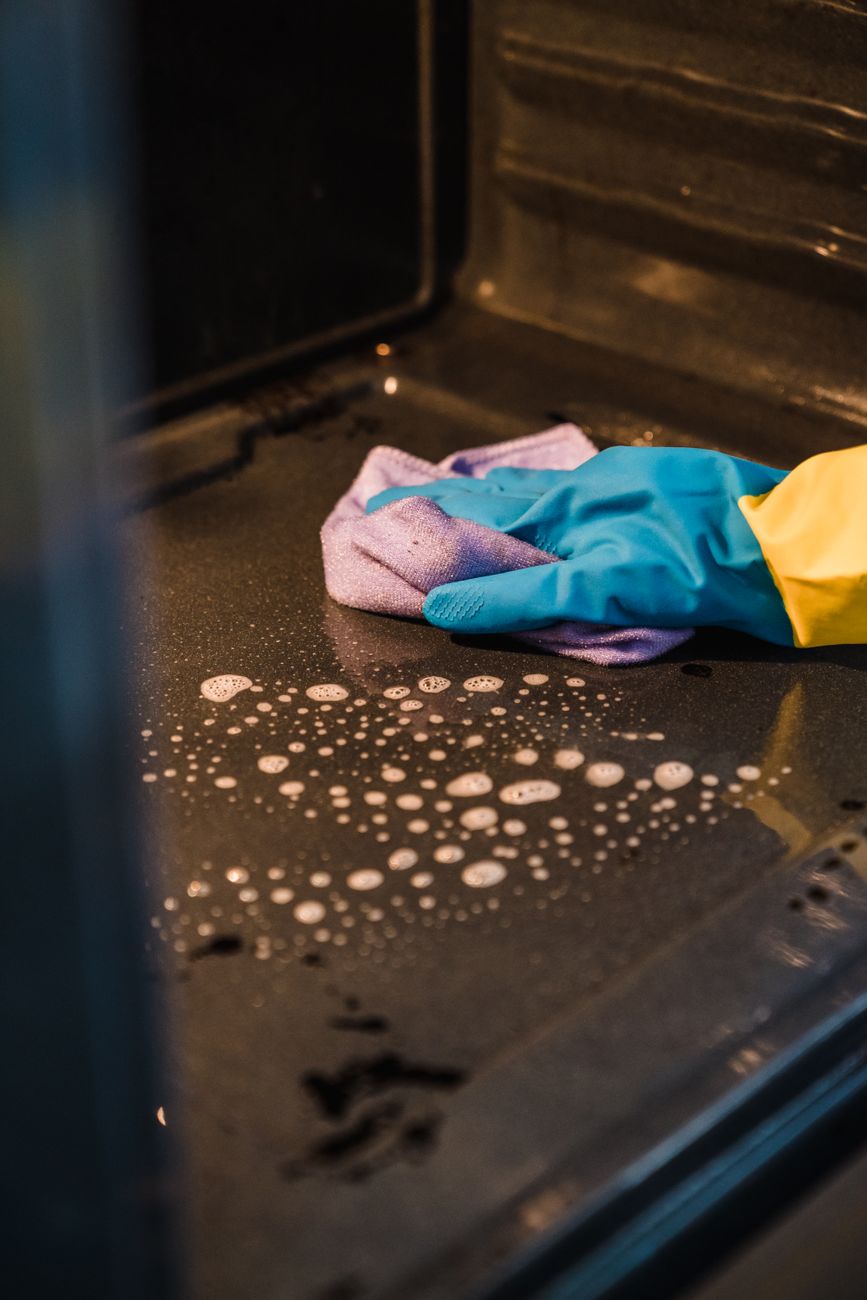
Remove Burnt Grease Naturally
Burnt grease can seem impossible to remove but patience is key.
Try this solution: mix baking soda, vinegar and a few drops of soap. Apply the mixture to spots and let it sit for at least 30 minutes.
Use a plastic scraper to lift softened grease before wiping clean.
The Lemon Steam Cleaning Method
Another approach to cleaning your oven without using the self clean function is using lemons.
Slice two lemons in half. Place them in an oven-safe dish filled with water.
Heat your oven to 250°F (120°C) for 30 minutes.
Turn the oven off. Allow it to cool slightly.
Wipe away loosened grease with a cloth. The steam softens grime while leaving your oven smelling
Cleaning Frequency & Stain Removal
How Often You Should Clean Your Oven
The ideal schedule depends on how you cook.
- If you use your oven lightly clean it every 3–4 months.
- If you use your oven moderately clean it every 2–3 months.
- If you use your oven heavily clean it every month to prevent buildup.
Regular maintenance makes cleaning your oven without using the self function much easier over time.
How to Remove Burnt-On Stains
Even with regular maintenance some stains can become difficult to remove. Fortunately there are effective methods for cleaning your oven without using the self clean function when dealing with heavy grease and burnt food.
Repeat the baking soda treatment by applying a layer of baking soda paste and letting it sit overnight. Spray white vinegar the day and wipe clean with a damp microfiber cloth. This gentle process often removes stains without damaging the ovens finish.
Use a plastic scraper to lift burnt food once the residue has softened. Avoid using metal putty knives, steel wool, razor blades or wire brushes as these tools can scratch the enamel and shorten the life of your oven.
Common Mistakes to Avoid When Cleaning Your Oven
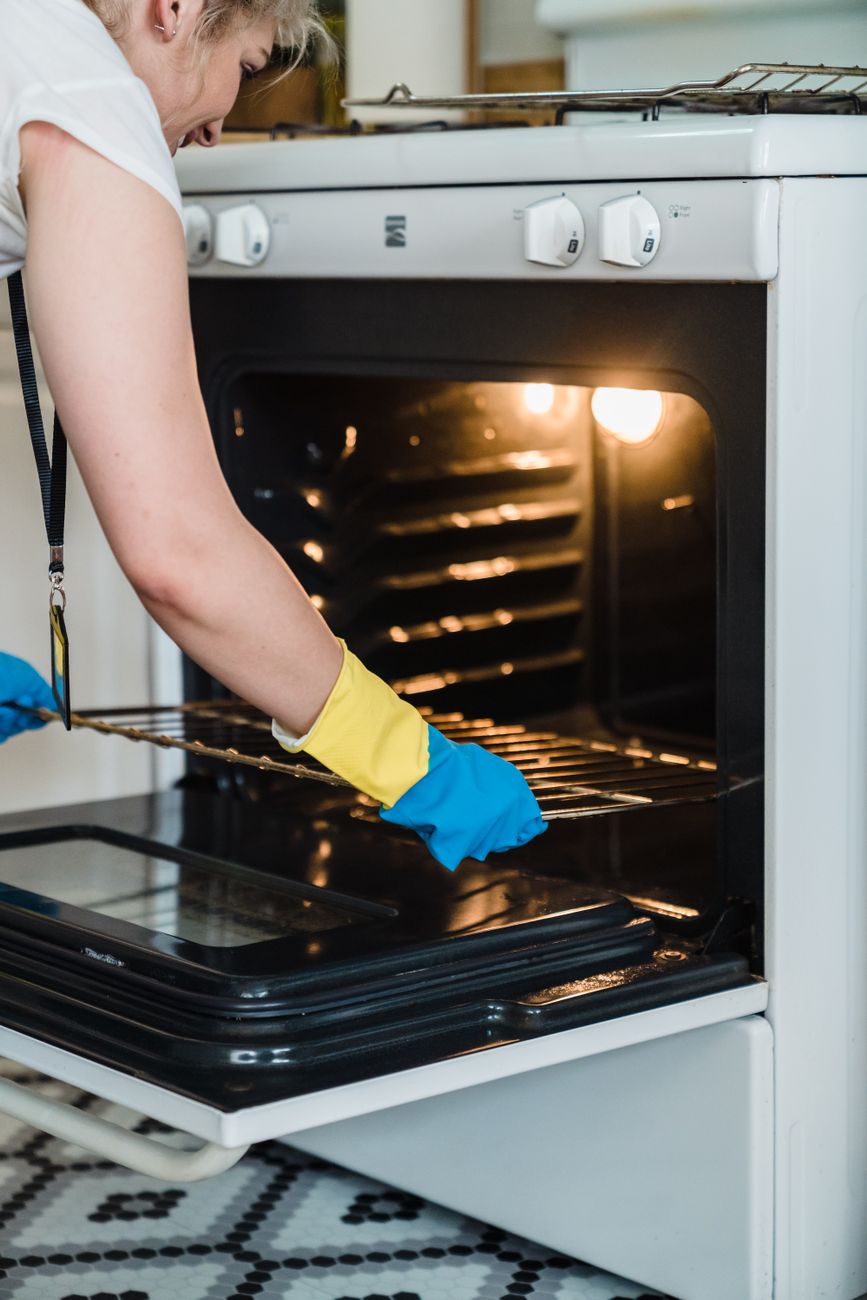
Avoid these mistakes to protect your oven.
- Using metal scrapers: can scratch enamel surfaces. Damage protective coatings. Use plastic scrapers instead.
- Direct spraying: Never spray liquids directly onto heating elements, gas burners or electrical connections. Always apply cleaner to a cloth when working near sensitive components.
- Forgetting to rinse: can leave residue that may smoke during the use. Always wipe your oven thoroughly with water after cleaning.
- Cleaning a hot oven: can cause burns and may bake cleaning solutions onto the enamel.
Choosing Your Approach: Natural vs. Commercial Oven Cleaners
Many homeowners wonder whether natural ingredients work well as commercial cleaners.
Natural cleaners like baking soda, vinegar and lemon are excellent for maintenance. They are non-toxic budget-friendly safe for oven interiors and environmentally friendly. However they may require scrubbing and take longer to work on heavy buildup.
Commercial cleaners are designed to break down grease and provide faster results. However they have fumes require protective gloves and may contain harsh chemicals.
For households cleaning your oven without using the self clean function using natural methods is sufficient when done regularly.
Post-Cleaning: How to Eliminate Smoke and Odors
Lingering smells after cleaning can make your kitchen less enjoyable.
To eliminate smoke and odors wipe away all residue with a damp cloth. Leftover baking soda or cleaning solution may cause smoke the time your oven heats up.
Air out your oven by leaving the oven door for several hours after cleaning. If possible open nearby windows for ventilation.
Heat your oven briefly by setting it to 250°F (120°C) for 15–20 minutes. Turn it off. Allow it to cool. This helps evaporate any remaining moisture. Confirms that no cleaner residue is left behind.
Proactive Habits: Prevent Future Messes
Keeping your oven clean is easier than cleaning it repeatedly.
- Wipe spills immediately: if food spills while cooking. Wait until your oven cools and wipe it up soon as possible. Fresh spills are much easier to remove than, on residue.
- Use protective layers: Use oven- baking mats or oven liners to catch drips and crumbs before they burn onto the oven floor. Never block vents or heating elements with liners.
- Cover foods that splatter: when roasting meats or baking dishes that bubble over. Use oven- lids or foil to reduce grease splatter.
- Clean your oven monthly: by performing a light cleaning every month of waiting for heavy buildup.
Eco-Friendly & Safety Guidelines
Eco-Friendly Oven Cleaning Tips
If you prefer friendly cleaning methods try these ideas.
- Use cloths instead of disposable paper towels to reduce waste.
- Choose ingredients like baking soda, white vinegar, lemon juice and mild dish soap. These ingredients are effective and widely available.
- Reduce water waste by filling a bucket or bowl with water for rinsing cloths during cleaning instead of running water continuously.
Safety Tips for Cleaning Your Oven
Always think about safety when you are cleaning your oven.
- You should wear rubber gloves to protect your hands from chemicals.
- Make sure your oven is turned off and completely cool before you start cleaning.
- Keep children and pets away from the cleaning supplies because they can be harmful.
- Never mix cleaners with bleach or ammonia because it can be very dangerous.
- You should work in a ventilated kitchen so you do not breathe in bad fumes.
- Follow the instructions that come with your oven to make sure you are cleaning it correctly.
If you follow these safety tips you will be protecting yourself and your oven.
Understanding Your Appliance
Signs Your Oven Needs Cleaning
If you notice any of these things it is time to clean your oven:
- Smoke when you are preheating
- Bad smells
- Grease buildup that you can see
- Burnt food stuck to the bottom of the oven
- Food that is not cooking evenly
- A dirty oven window
If you clean your oven when you first notice these signs it will be a lot easier to clean. It will help your oven work better.
Benefits of Oven Cleaning
Cleaning your oven regularly does more than just make it look better.
It helps your oven cook food evenly. A clean oven is also better for the environment because it uses energy.
If you clean your oven regularly it will last longer. It also makes your kitchen a healthier place to be because it gets rid of grease and food residue that can attract pests.
Frequently Asked Questions (FAQs)
What is the easiest way to clean my oven without using the self- feature?
The easiest way is to use baking soda and white vinegar. This method is safe. It works well to get rid of grease and food that is stuck to the oven.
Can I use baking soda to clean any oven?
You can use baking soda to clean ovens that have an enamel coating. You should always check the manual that comes with your oven to make sure it is okay to use baking soda.
How long should I leave the baking soda in my oven?
If your oven is not very dirty you can leave the baking soda in for least 30 minutes. If your oven is very dirty it is better to leave the baking soda in overnight.
Is vinegar safe to use in my oven?
Yes white vinegar is safe to use in ovens. It helps to get rid of the baking soda residue and grease. You should not spray it directly onto the heating elements.
How often should I clean my oven?
You should clean your oven every 2-3 months if you use it a lot. You should also wipe up spills away to prevent grease from building up.
Can I use oven cleaner instead?
Yes you can use oven cleaner. You should always follow the instructions on the label and wear gloves to protect your hands. You should also make sure the kitchen is well-ventilated and rinse all surfaces before using the oven again.
Conclusion
Cleaning your oven without using the self- feature is a good way to keep your oven in good condition. You can use things like baking soda, white vinegar and lemon to clean your oven. These things help to get rid of grease and bad smells and make your oven look better.
The key, to keeping your oven clean is to do it. If you clean your oven regularly it will work better. Last longer. You will also have an healthier kitchen. With these tips you can keep your oven clean. Make it last longer.
2 thoughts on “Cleaning Your Oven Without Using the Self Clean Function: A Complete Guide to an Oven Naturally”